
Mahjong Table Cover: Mat vs. Tablecloth Comparison
Last updated: Nov 23, 2026
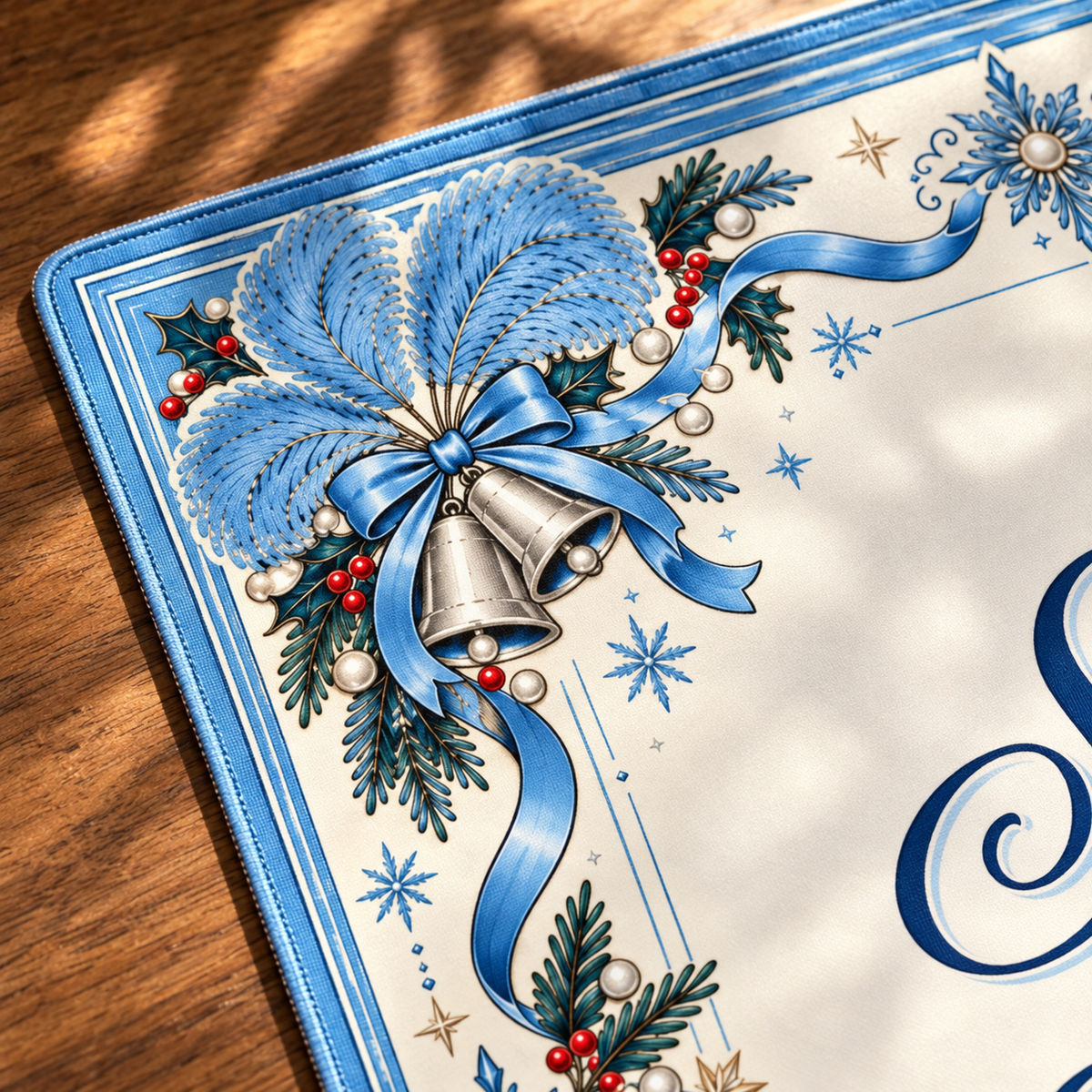
A mahjong table cover is a protective layer you spread over your dining table or game table during play. Most players choose between a fitted mat (rigid or semi-rigid, stays in place, typically 36"–40" square), a fabric tablecloth (drapes, packs flat, reversible or single-sided), or a hybrid cover. Each serves the same core job—protecting the table, reducing tile noise, and defining the play zone—but differs in setup time, storage, durability, and cost basis. Mats cost more upfront but last longer in weekly games; cloths pack smaller and suit casual or travel play. Neither is mandatory; a bare table works fine. Choose based on your game frequency, table size, and storage space. Mahstead offers both mat and cloth styles in our mahjong mats collection.
What is a mahjong table cover, and why do you need one?
A table cover is any barrier between tiles and wood or glass. It does three jobs: protects your furniture from scratches and tile weight, dampens the sharp clack tiles make when you draw or discard, and creates a defined boundary so tiles don't roll off the edge. Many serious weekly players consider it essential; casual weekend players often skip it. Neither choice is wrong. A cover is practical, not decorative, though many come in colors and patterns that happen to look good.
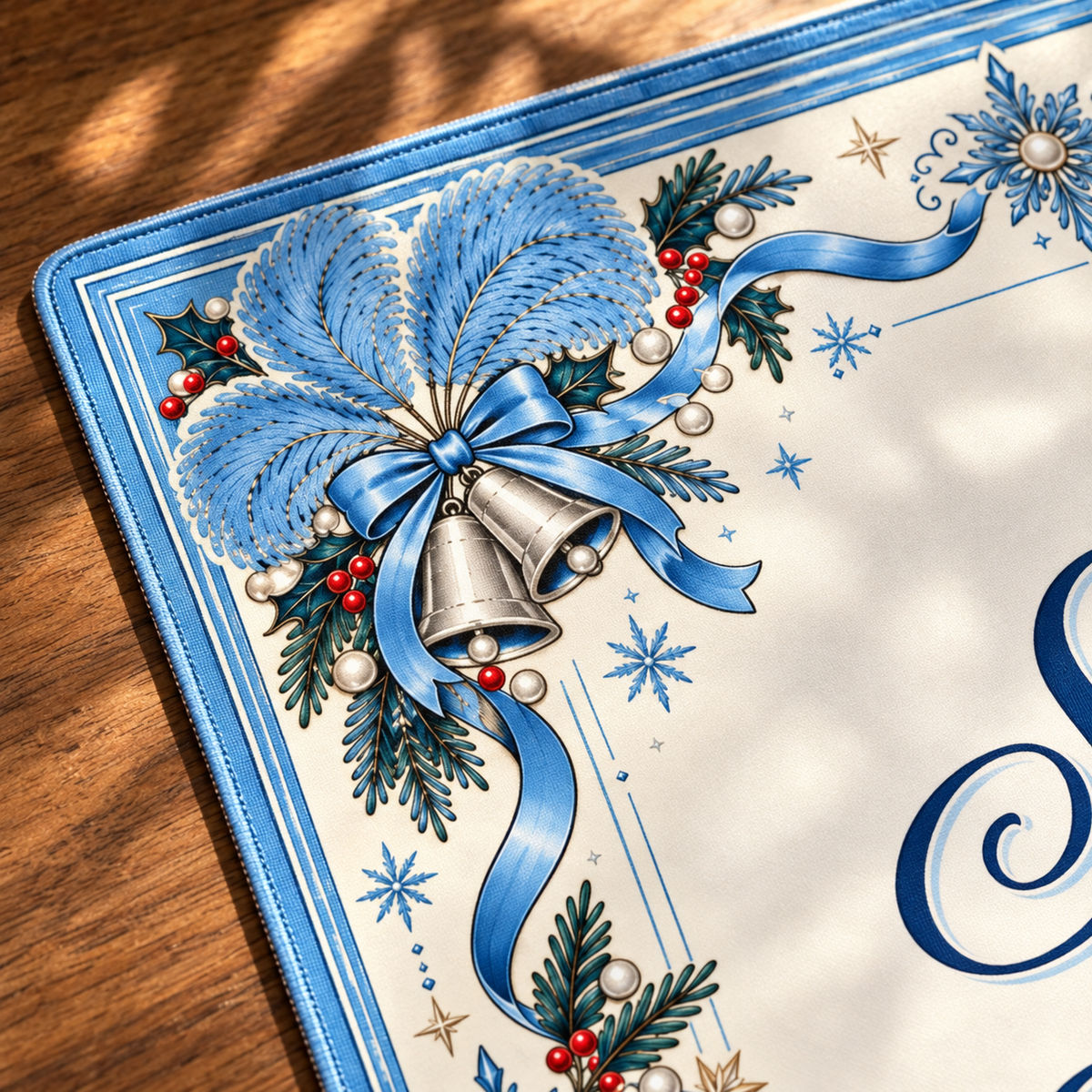
Fitted mats vs. loose tablecloths—which costs less to own?
Fitted mahjong mats start higher in price but spread the cost over years of weekly play. A quality mat typically outlasts 3–4 loose cloths. A cloth is cheaper per item but needs replacement sooner if you play weekly; the fabric frays, stains set, elastic degrades. Over five years of one game per week, a mat and four cloths cost roughly the same, but the mat gives you consistency. Cloths suit someone who plays once a month or travels often. See our mahjong mats collection for current pricing.
How do you measure a table for the right cover size?
Measure the play surface—the open top where tiles land, not the whole table. A standard American mahjong game (152 tiles plus 8 jokers) needs roughly 36"–40" square. If your table is 42"–48" across, a 36"–40" mat works (it floats slightly). If your table is 30"–32", a 27"–30" cover is tighter but workable; confirm your tile draw space first. For an octagonal table, measure the longest flat edge. Loose cloths adapt to any size; fitted mats come in standard sizes. Measure twice—returning an ill-fitting mat is frustrating. If you're unsure, email your table dimensions and a mat vendor can advise.
What should a mahjong mat be made of to last through weekly games?
We use felt or wool-blend surfaces bonded to rubber or non-slip backing. Felt grips tiles and muffles noise; rubber keeps it anchored. The backing prevents sliding on glass or polished wood. Avoid thin PVC or vinyl—they crack within a season under tile weight and repeated handling. Check the thickness: a mat should be ⅛"–¼" thick. Thinner cloths (1–2 mm) are fine for casual play but wear faster. Wool or high-quality felt resists pilling and staining longer than synthetic. If a supplier doesn't list material, ask directly. Our designs use bonded felt and rubber—specifics are on each product page.
Engraved vs. plain covers—does personalization affect durability?
Personalization (names, initials, logos) is printed or engraved onto the surface and does not affect durability if done properly. Quality printing or engraving is permanent and won't fade or peel under normal use. Cheap heat transfer can bubble or chip; good vendors use methods that bond ink into the material. If you're buying an engraved mat as a gift or for a permanent home setup, the engraving is a feature, not a risk. Check samples if the vendor offers them. For plain covers, durability depends only on material and backing. Our engraved mahjong sets often pair beautifully with a coordinating mat.
Can you use a tablecloth instead of a mat, and will it work?
Yes. A tablecloth works for casual or travel play; many players prefer it. Pros: cheaper, packs into a drawstring bag, reversible options let you flip for a fresh look, easy to wash. Cons: slides around (you must tuck or weight the edges), wrinkles affect tile placement, thin ones tear under repeated play, and loose fabric can tangle on racks or hands. A cloth is honest about being temporary. If you play weekly, a cloth wears out in 6–12 months. If you play twice a month, a cloth lasts 2–3 years. Layering a thin rubber mat under a cloth adds grip and extends life. Many players keep both—a mat at home, a cloth in their travel bag or case for games away.
What features separate premium covers from budget options?
Premium covers often have: non-slip backing (rubber or neoprene, not just felt glued to felt), stitched or reinforced edges (no fraying after six months), color-fast dyes (no bleeding when wet), and reversibility (two-sided designs). Budget covers skip one or more: thin backing, glued seams, cheap dyes, and single-sided fabric. Edge wear is the first sign of a budget mat; examine photos closely. Thick batting under the surface is another marker—it absorbs sound better and resists wear longer. Reversible mats cost 10–30% more upfront but double your options (say, a teal side and a cream side). For weekly players, reversibility and thick backing repay the extra cost. For seasonal players, a budget cloth works fine as long as the vendor is honest about its limits.
Mahjong Table Cover Decision Matrix
Scenario | Best Choice | Why | Durability |
Weekly home games | Fitted mat, premium | Anchors in place, muffles noise, backing prevents sliding | 3–5 years |
Monthly casual play | Loose tablecloth | Affordable, packs flat, no storage burden | 1–2 years |
Travel between homes | Portable cloth + drawstring bag | Weighs little, folds to shoebox size | 2–3 years |
One-time tournament | Budget tablecloth | Temporary, low cost, no commitment | Single event |
Gift for a serious player | Reversible mat or engraved mat | Personalization, premium feel, longevity | 3–5 years |
Small dining table (30"–32") | Fitted mat or 27" cloth | Standard sizes fit awkwardly; mat stays put | 2–4 years |
Octagonal or unusual table | Loose cloth (custom order possible) | Custom mats are rare; cloth adapts to any shape | 1–3 years |
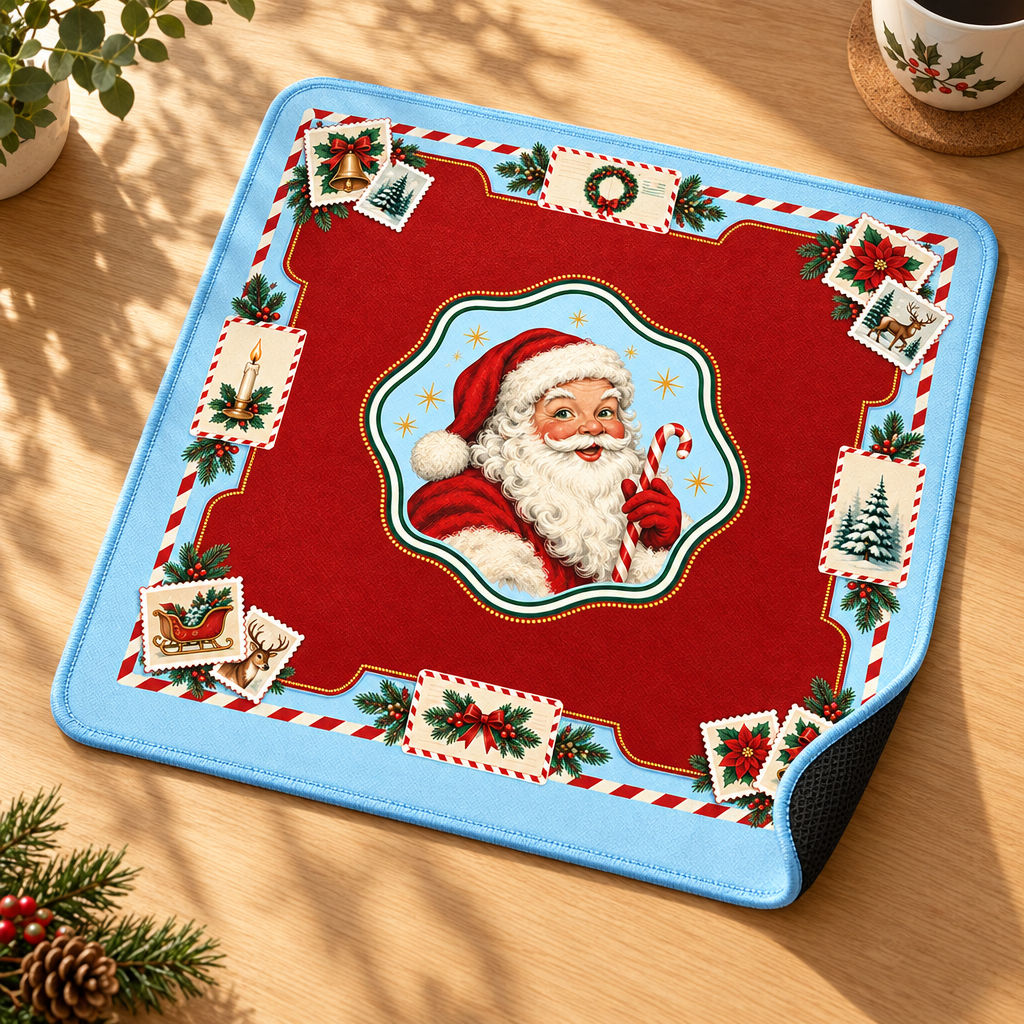
What to check before you order a mahjong table cover
Dimensions: Measure your play surface, not the full table. Confirm the cover size matches your tile set (152 tiles needs roughly 36"–40" square).
Backing material: Insist on rubber, neoprene, or silicone non-slip backing. Felt-to-felt or glued seams fail within a season.
Seam construction: Stitched edges last longer than glued or heat-sealed edges. Ask for stitching; check photos for clean seams.
Thickness: Fitted mats should be ⅛"–¼" thick. Tablecloths under 1 mm tear easily under tile weight.
Color and reversibility: Will both sides suit your tables? Reversible mats cost more but double your options.
Cleanability: Can it be hand-washed, machine-washed, or spot-cleaned? Ask the vendor's care instructions.
Engraving or personalization: If ordering custom names or logos, request a mockup. Confirm the engraving method won't fade or peel.
Refund or exchange policy: Will the vendor accept returns if the size or color doesn't fit your space?
🀄 Shop best-selling mahjong sets →
How does a table cover fit into your full setup?
A cover is one part of a complete game experience. Pair it with quality mahjong racks with pushers to make hand management easier, a set from our best-selling collection with durable tiles, and dice for keeping score. If you travel to games, a cover plus a travel bag or case protects both your tiles and your setup. For a new player, start with a cloth—it's forgiving and low-cost. Once you commit to weekly play, upgrade to a mat. The pillar guide "how to choose a mahjong mat" covers material, sizing, and the mat-vs.-cloth choice in more depth if you want specifics.
Who makes the best mahjong table covers?
Mahstead and other specialty vendors design covers specifically for American mahjong—that means sizing for 36"–40" squares, felt surfaces that grip tiles, and non-slip backing. General party-supply or table-linen companies usually don't understand mahjong proportions or tile handling. Ask a supplier: Do they play mahjong themselves? Can they describe tile feedback and noise reduction? Honest vendors know the game. Read photos, not just descriptions; see the seams, backing, and reversible sides (or confirm it's single-sided). Ask for material specifics. If a vendor dodges the question, move on. Our mahjong mats collection lists materials clearly on each product.
Is a table cover a one-time buy or something you replace regularly?
A mat is a one-time buy if you care for it. Shake or vacuum it gently, spot-clean stains with mild soap and water, let it air-dry flat. A quality mat lasts 3–5 years of weekly play. A cloth is a consumable—expect to replace it every 1–3 years depending on play frequency and fabric quality. Some players rotate two cloths to extend life and have backup options. For a tournament or one-off event, a disposable cloth makes sense. For home games, a mat pays for itself in durability and consistency. Think about your commitment level: casual or serious?
Can you pair a cover with a tile-drawing station or automatic shuffler?
Yes, but with caution. An automatic shuffler sits on top of the cover, not under it. The cover should be stable and non-slip so the shuffler doesn't slide during mixing. A fitted mat is better than a loose cloth for this—fewer accidents. If you use a separate drawing station (a cup or reservoir off the mat), keep it on the edge of your table so it doesn't catch the cover's edges. A tile-drawing cup should sit on the table, not the mat, to avoid bunching fabric. Loose cloths under a shuffler can bunch and tangle; ask yourself if the setup is practical. Most weekly players keep the shuffler off the playing surface entirely—they prep tiles before sitting down.
🎁 See our most-loved mahjong sets & accessories →
Quick comparison: three real scenarios
Scenario 1: Weekly Thursday night game at home You need a fitted mat. Your table is 42"×48". A 36"–40" mat floats slightly but stays in place, muffles tile noise, and is easy to remove and store after each game. Pair it with mahjong racks with pushers so players can prop hands without straining. Budget for a quality mat; it'll last through hundreds of games.
Scenario 2: Traveling between your home and a friend's house A reversible cloth in a drawstring travel bag is your answer. It weighs almost nothing, packs into a shoebox, and adapts to any table size. You can play at either location without moving furniture. Replace it every 2–3 years.
Scenario 3: Holiday gift for someone new to mahjong A reversible or engraved mat (if they're serious) or a budget cloth (if they're trying it out). Pair it with a beginner-friendly best-selling mahjong set. Include a note: "Start with weekly games. If you love it, a mat comes next."
How to care for a mahjong table cover
After each game: Shake gently over a trash can to remove dust and loose bits. Wipe with a dry microfiber cloth.
Monthly: Vacuum gently with a handheld or upholstery brush. Avoid vacuums with beater bars—they can snag the weave.
Stains: Spot-clean with lukewarm water and a soft brush. Use mild dish soap for grease. Blot, don't rub. Air-dry flat.
Storage: Roll loosely (don't fold tightly for months) or fold once and lay flat in a drawer. Keep away from direct sunlight to avoid fading.
Repairs: Small tears can be patched with fabric glue or stitched by hand. Fraying edges can be hemmed. If the backing peels, replacement isn't worth it—time to buy new.
✨ Find your Mahstead set — free US shipping →
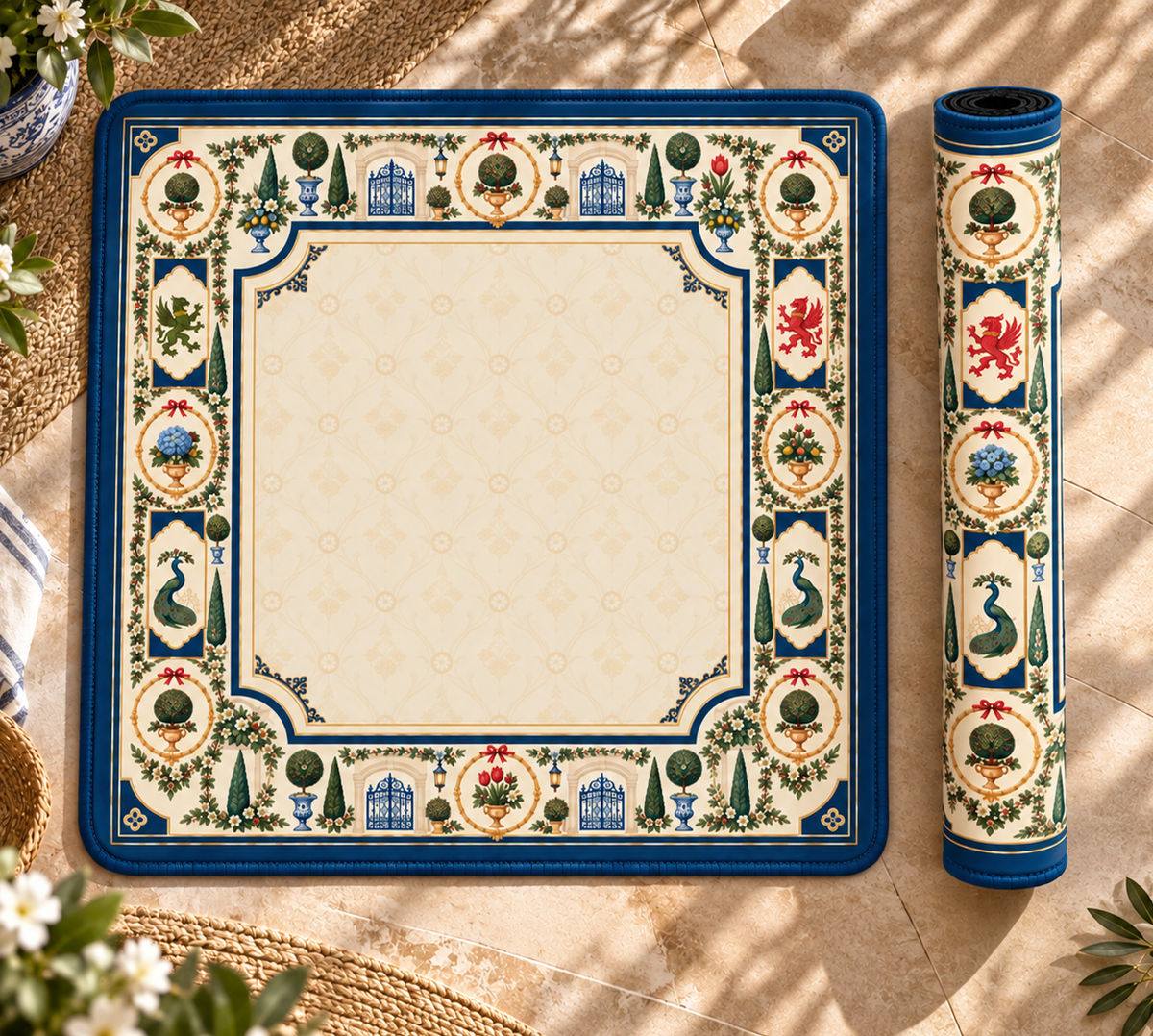
FAQ
What's the difference between a mahjong mat and a mahjong tablecloth?
A mat is fitted, rigid or semi-rigid, stays anchored with non-slip backing, and lasts 3–5 years with weekly play. A tablecloth is loose fabric, packs flat, requires tucking or weighting, and typically lasts 1–3 years. Mats cost more upfront; cloths cost less and suit travel or casual play.
Can I use any table cover, or does it have to be designed for mahjong?
A mahjong-specific cover is better because it's sized for 36"–40" squares, has felt that grips tiles, and non-slip backing. A generic tablecloth works temporarily but may slide, bunch, or wear out faster. If you play weekly, invest in one designed for the game.
How do I know if a table cover is reversible before I buy it?
Check product photos for both sides. Reversible covers list "two-sided" or "reversible" in the description. Look for stitching around the edges—reversible covers typically have neat seams on both sides. Single-sided covers list one color or pattern only.
What size mahjong table cover do I need?
Measure your play surface (the open tabletop where tiles sit), not the full table. An American mahjong game needs roughly 36"–40" square. If your table is 42"–48", a 36"–40" mat works (it floats slightly). Confirm your tile draw space first. Loose cloths adapt to most sizes; fitted mats come in standard sizes.
Can I wash a mahjong table cover, and how?
Most covers can be spot-cleaned with lukewarm water, mild dish soap, and a soft brush. Air-dry flat. Avoid machine-washing fitted mats—the backing can shift. Some premium cloths are machine-washable; check the product care label. Never use bleach or heat drying.
Is an engraved or personalized mahjong mat less durable than a plain one?
No, if the engraving is done properly (printed or engraved into the material, not heat-transferred). Quality personalization is permanent and doesn't affect durability. Poor heat transfer can bubble or peel, so ask the vendor's engraving method. Our engraved mats use methods that bond into the felt.
Should I buy a mat or a cloth if I play mahjong twice a month?
A cloth is smarter. It costs less, packs flat, and lasts 2–3 years at that frequency. A mat is overkill unless you want the premium feel or plan to upgrade to weekly play later. Keep the cloth in a drawstring bag for portability.
Can I use a table cover with an automatic tile shuffler?
Yes, but use a fitted mat for stability. Loose cloths can bunch or tangle under a shuffler. Place the shuffler on top of the mat or table, not directly on a cloth. Many serious players prep tiles separately and keep the shuffler off the playing surface.


View More
View More
View More
