
Mahjong Table Cover for Travel: What to Choose
Last updated: Nov 23, 2026
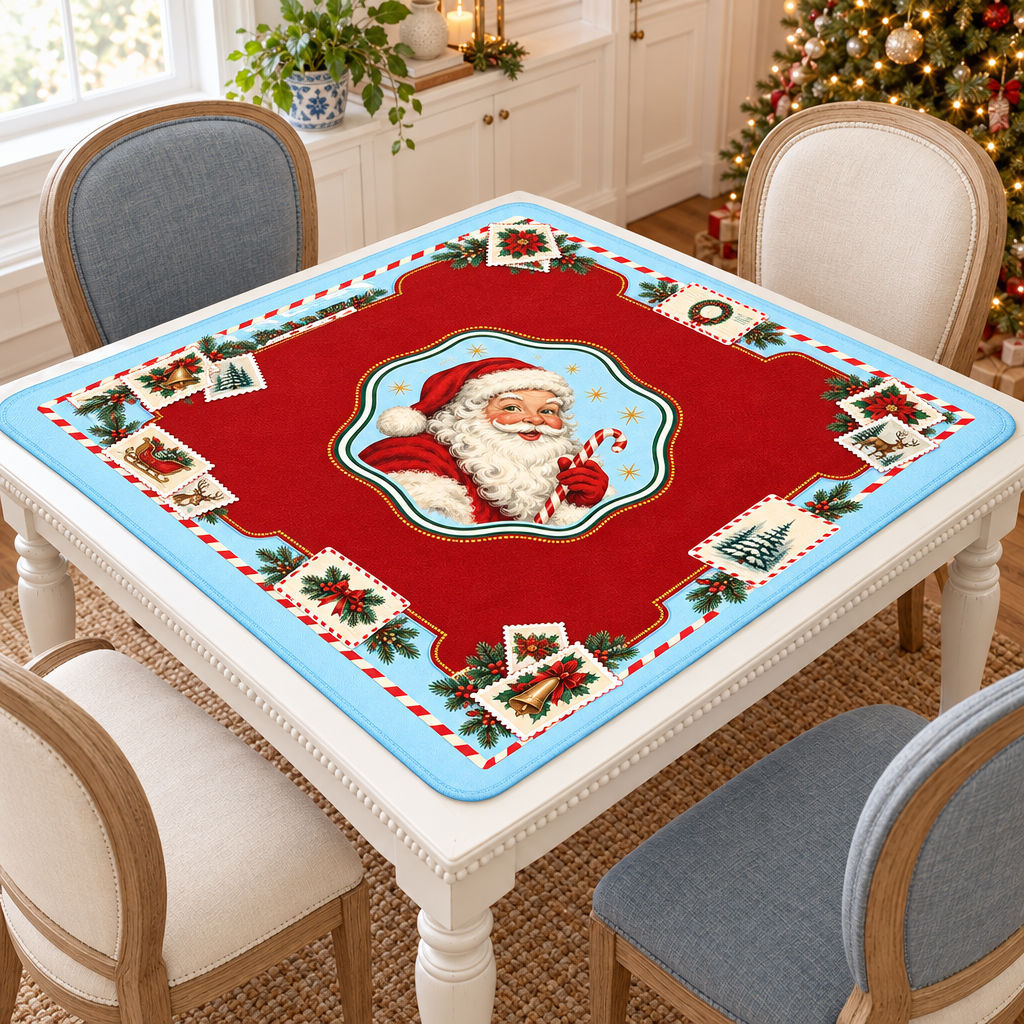
A mahjong table cover for travel serves one core job: keep your playing surface clean, protected, and portable without the bulk of a full carrying case. We've hosted hundreds of games across living rooms, vacation rentals, and community centers—and learned that the right cover bridges the gap between "I throw this in my trunk" and "I need my tiles safe from spills and dust."
What's the difference between a table cover and a mat?
A mat stays on your table during play and provides a textured, non-slip surface for tiles and racks. A table cover is designed to fold, travel, and protect the mat itself—think of it as a wrap or envelope. Many covers have a pocket design or edge loops to bundle a rolled mat, dice, and a spare joker or two. We use covers when moving sets between weekly game locations; mats stay deployed at a single venue. Our mat collection includes travel-ready options that fold into thirds and fit covers neatly.
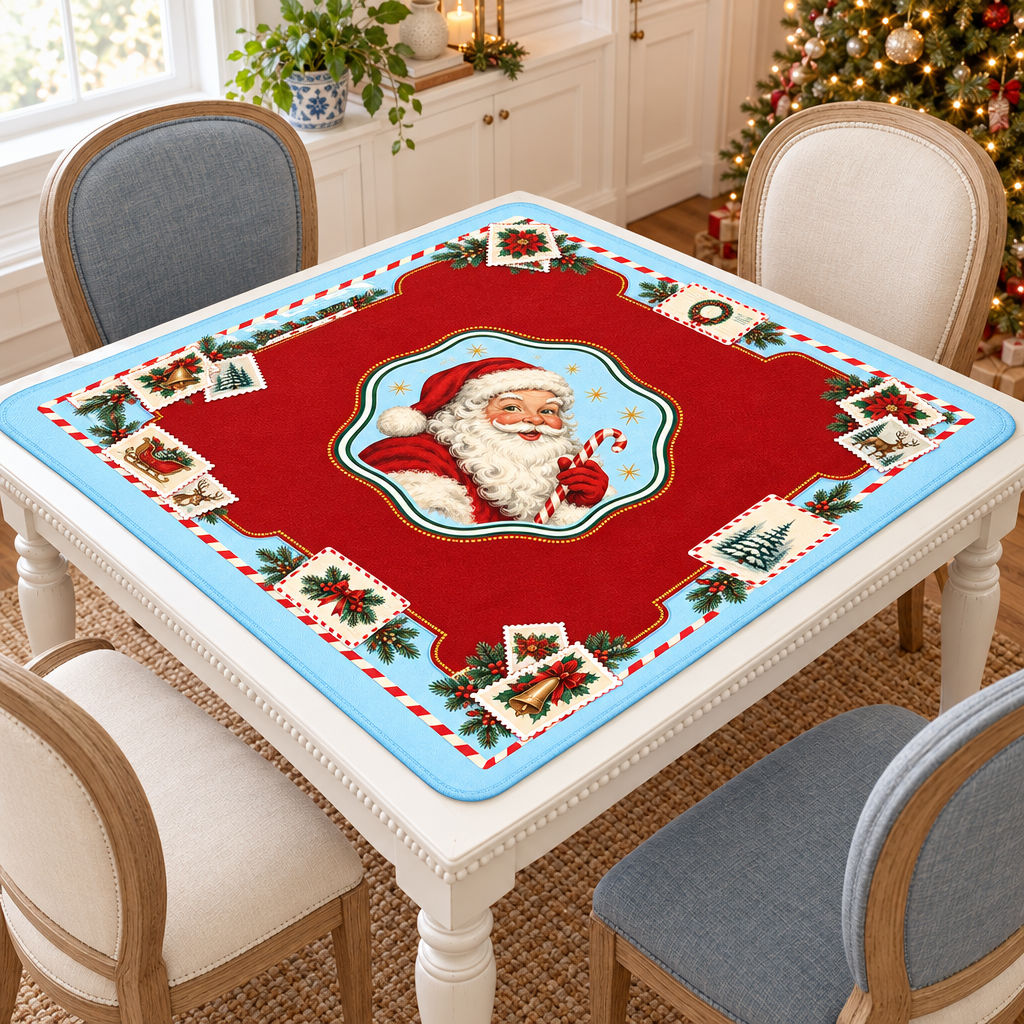
Which cover material holds up best on the road?
Acrylic covers are rigid, water-resistant, and don't absorb spills—ideal if your car trunk sees coffee or humidity. Neoprene or fabric covers compress smaller and weigh less, perfect for airline travel or bike trips, but require careful drying after exposure to moisture. Vinyl-backed covers fall between the two: lighter than acrylic, more durable than plain neoprene. For weekly transport, acrylic outlasts fabric by years. For occasional trips or overseas moves, neoprene wins on packability. Real-world test: an acrylic cover stored in a humid garage still protects tiles after three years; fabric covers show mildew at year two without active ventilation. If you're also carrying a full set with racks and pushers, pair your cover with a dedicated travel bag to distribute weight and prevent corner damage.
✨ Find your Mahstead set — free US shipping →
What size cover do I actually need?
Measure your rolled mat: most American sets use a 27–32-inch mat when laid flat. Add 2–3 inches for the fold thickness of your mat plus any edge pockets, and aim for a cover at least 36 inches long. If you're bundling a mat and a separate carrying case inside the cover, you'll need 40+ inches. We've made the mistake of buying a 30-inch cover for a 32-inch mat and finding it too snug to fold without stress—covers that stretch at the seams fail faster. The depth (width of the cover when rolled) should be at least 12 inches to hold a mat bundle and spare jokers. Check the product description for exterior dimensions and interior pocket depth, not just the flat area. Some covers list "finished dimensions" after folding, which is less useful; ask for the unrolled length and width.
Should I customize my cover, or go basic?
Engraved or embroidered covers (with your name, a mahjong motif, or a joke) add personality and cost roughly 30–50% more than plain versions—see current price on the product page. Customization is practical if your group rotates sets at tournaments or clubs, making ownership obvious. It's unnecessary if you're the only player bringing your set. Plain covers in white or black hide stains and look professional in any setting; they're also cheaper and ship faster. Patterned or bright-colored covers (like traditional tile motifs or hand-drawn designs) look beautiful on a coffee table but show dust and require more frequent wiping. We recommend engraved covers only if you're a club ambassador or run a weekly group—otherwise, stick with a durable, neutral tone and invest the savings in a complete set with quality racks and pushers.
🀄 Shop best-selling mahjong sets →
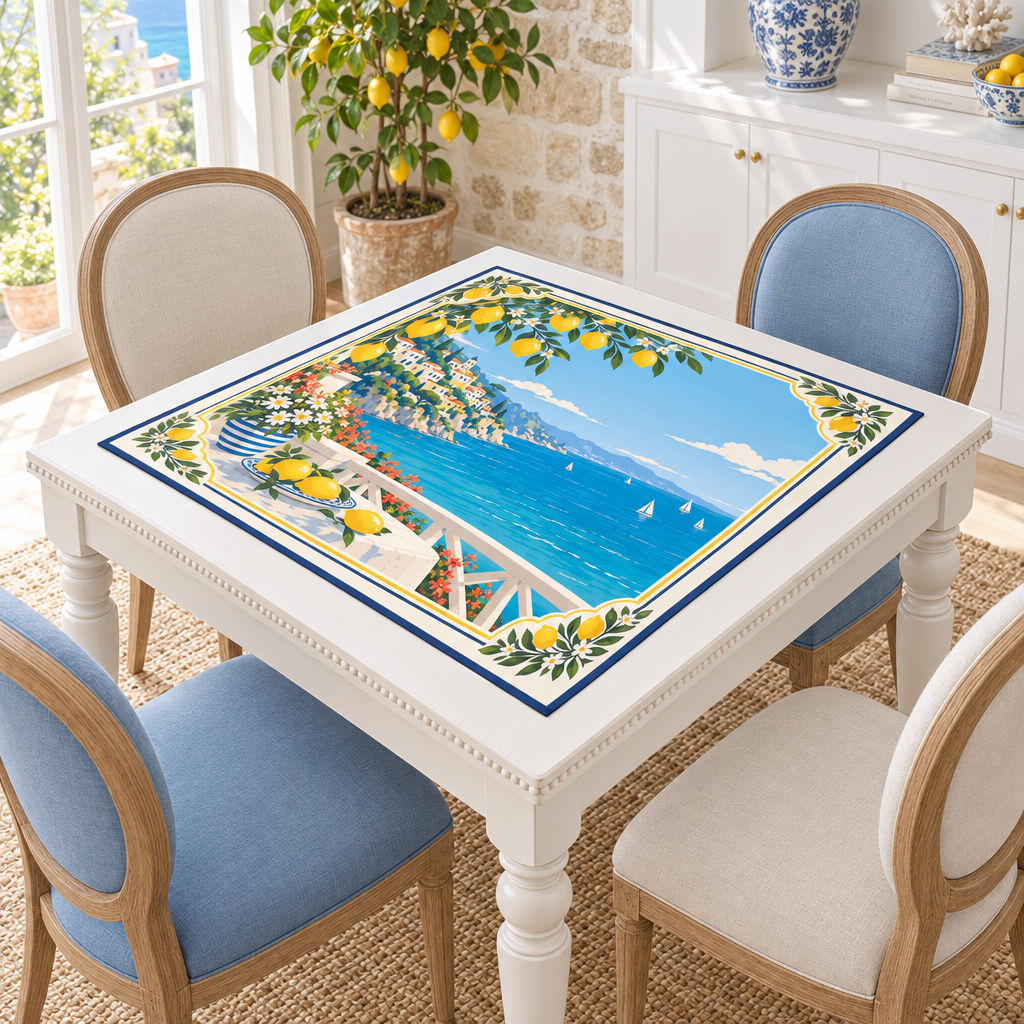
Cover + bag, or just a cover alone?
A cover alone is fastest to deploy: roll your mat, wrap, and play in 30 seconds. A cover plus a padded travel bag is slower to unpack but protects your tiles and racks from crushing if your set sits in a car overnight or travels in checked luggage. Below is a comparison to help you decide:
Setup | Best for | Unpack time | Tile safety | Folds to | Cost basis |
Cover only | Weekly car trips, same venue each time | 30 sec | Medium (if tiles stay bagged inside cover) | 9×12 in | Lower |
Cover + bag | Airline travel, humid storage, multi-game road trips | 2–3 min | High (bag absorbs impact) | 14×18 in | Higher |
Bag only (no cover) | Frequent tile re-sorting, kitchen storage | 5 min | Medium (bag alone doesn't protect mat) | 12×16 in | Lower |
Mat + separate case | Permanent home table, rare transport | N/A | N/A | 32×40 in | Highest |
If you host games in two or three locations per month, a cover alone is enough—we've done this for years without tile damage. If your set travels more than twice a week or sits in variable temperature, add a padded bag.
What to check before you buy
Material: Ask whether the cover is fully sealed (stitched edges) or open on one end (easier to slide a mat in, but dust enters). Sealed is better for long-term storage.
Pockets: Confirm the cover has a zippered or tie-closed pocket on the side or end for spare jokers and dice. If it doesn't, you'll lose pieces during transport.
Dimensions: Measure your mat or consult the product description—don't assume "one size fits all." A cover should fit a folded mat with 1–2 inches of slack, not snug.
Material thickness: Acrylic should be at least 1/16 inch (thicker resists cracking); neoprene should have a dense backing, not hollow foam. Feel samples at local game clubs if possible.
Stitching: Check photos or ask the seller whether seams are reinforced. Single stitching fails after 50–100 folds; double or triple stitching lasts 500+.
Weight: Ask the actual weight (not "lightweight"—that's vague). A travel cover should weigh under 3 pounds if you're carrying it by hand; over 5 pounds and a bag becomes more practical.
Color durability: White covers show wear within a year; darker tones hide it. Plain acrylic outperforms printed designs for repainting or refinishing.
We've seen players buy a cover and regret it because they measured wrong or underestimated how often they'd fold it. Spend 5 minutes on specs—it saves frustration later.
🎁 See our most-loved mahjong sets & accessories →
Cover care and longevity
Wipe acrylic covers with a soft, dry cloth weekly; avoid bleach or alcohol, which can crack the material. Store in a cool, dry place—not a hot car trunk or damp basement. Fabric covers should air-dry completely after any spill before folding. Zippers last longer if you keep them lightly oiled and close them gently. We've seen covers last 5+ years with basic care, or fail in 18 months if folded aggressively and stored wet. If your cover starts to crack at the edges or seams, patching is cheaper than replacement—most fabric stores sell adhesive repair kits.
To choose between a cover alone and a full travel bag setup, honestly assess your travel frequency: under five round trips per year, a cover is enough; over ten, add a bag.
FAQ
Can I use a mahjong table cover as a permanent mat for home play?
No. Covers fold repeatedly and lack the non-slip texture needed for tile stability during a live game. They're designed for transport and brief protection, not daily play surfaces.
Do I need to dry my cover after a spill, or can I fold it wet?
Dry it completely (6–12 hours) before folding. Folding a wet cover traps moisture and causes mildew or material degradation. Acrylic dries faster than fabric.
Will a mahjong cover fit inside a car door pocket, or do I need a trunk?
A folded cover is typically 9×12 inches—too large for most door pockets. A trunk, backseat, or large tote bag is the standard storage spot.
What's the difference between a travel cover and a regular tablecloth?
A travel cover is designed to fold and protect a mat bundle; it has reinforced seams, edge pockets, and water-resistant material. A tablecloth is flat, less durable, and meant to stay on a table.
Can a table cover hold tiles upright without a mat underneath?
No. Covers are flat and floppy; tiles will slide and scatter. Always use a mat or textured surface beneath the cover during play, or pair the cover with a rack-and-bag system if you need tiles held upright.
How do I prevent my cover from cracking at the folds?
Fold it gently in the same spots each time (try rolling instead of tight creasing), store it flat if possible, and avoid extreme heat. Acrylic covers crack faster if flexed while cold; warm them to room temperature before folding.


View More
View More
View More
