
Mahjong Starter Kit Reviews: What Matters When You Buy
Last updated: Nov 23, 2026
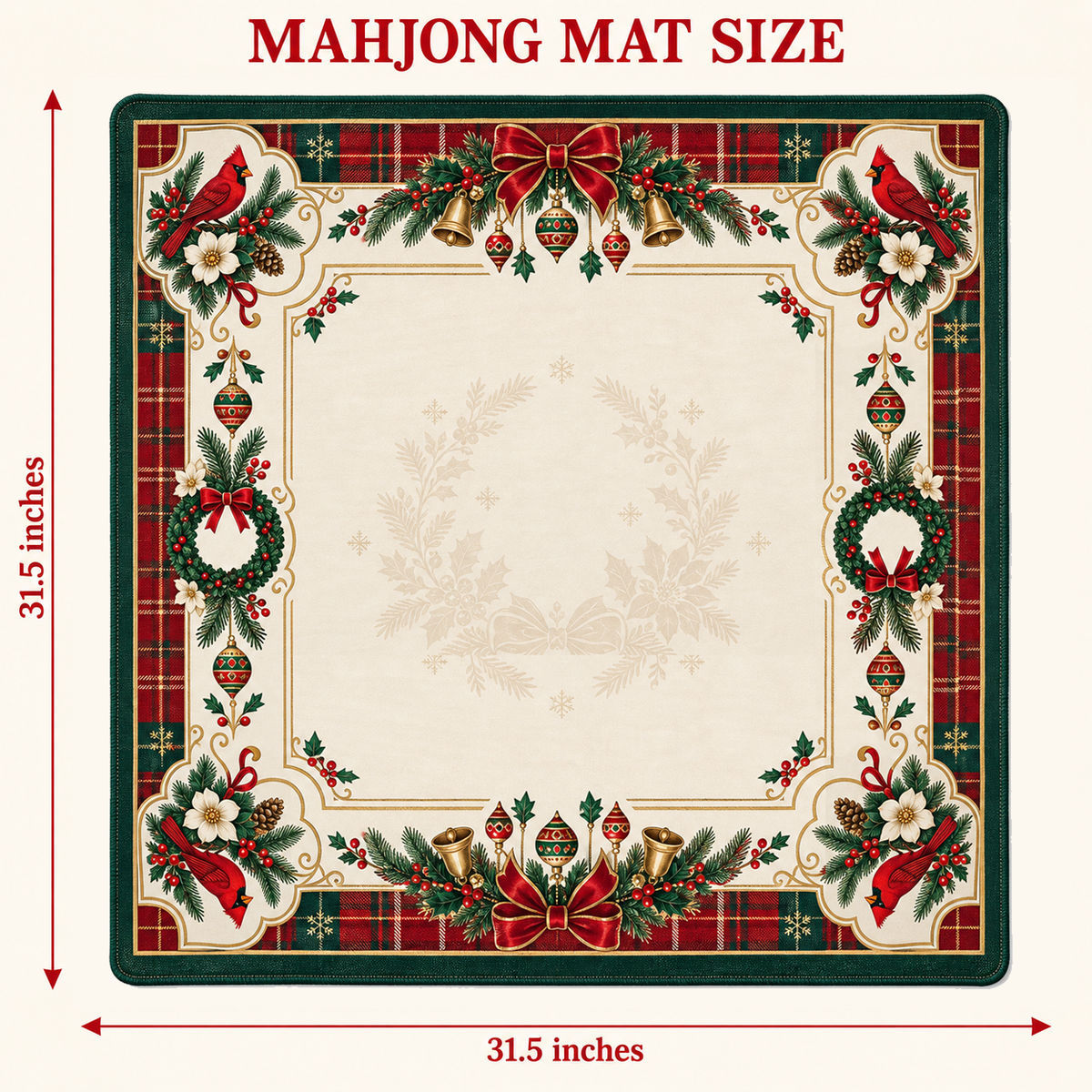
A mahjong starter kit is a complete 160-tile American set paired with essentials like a mat, racks, and often a carrying case. Most kits include 152 playing tiles (three suits, winds, dragons, flowers, and jokers) plus spare tiles, all designed to play by the National Mah Jongg League rules. Real players choose kits based on tile durability, mat grip, whether racks fit their hands comfortably, and how much they'll actually travel with it. Our best-selling collection ranges from compact travel sets to deluxe home editions with premium acrylic tiles and embroidered mats—the price difference reflects tile durability, mat material, case quality, and customization options like engraved tiles. Avoid thin acrylic that cracks after shuffling, mats that slide on tables, and racks that pinch your fingers. Most players over-buy accessories they don't need; the core question is: Do you play at home weekly or travel to games?
What makes a tile quality difference you'll actually feel?
Acrylic tile thickness is the single biggest durability factor. Thin tiles (under 0.2 inches) flex, catch edges during shuffles, and crack within months of weekly play. Thicker acrylic holds its weight, tiles nest cleanly in racks, and the shuffle feels controlled rather than chaotic. Our players report that heavier tiles create less noise during shuffling—a real comfort if you host games after 8 p.m. The print quality also matters: beveled edges stay crisp longer than flat edges, and UV-resistant paint doesn't fade after a season of afternoon games. Buy a kit with tiles you can hold comfortably for an hour without hand fatigue.
🀄 Shop best-selling mahjong sets →
Should you buy a mat separately or as part of a kit?
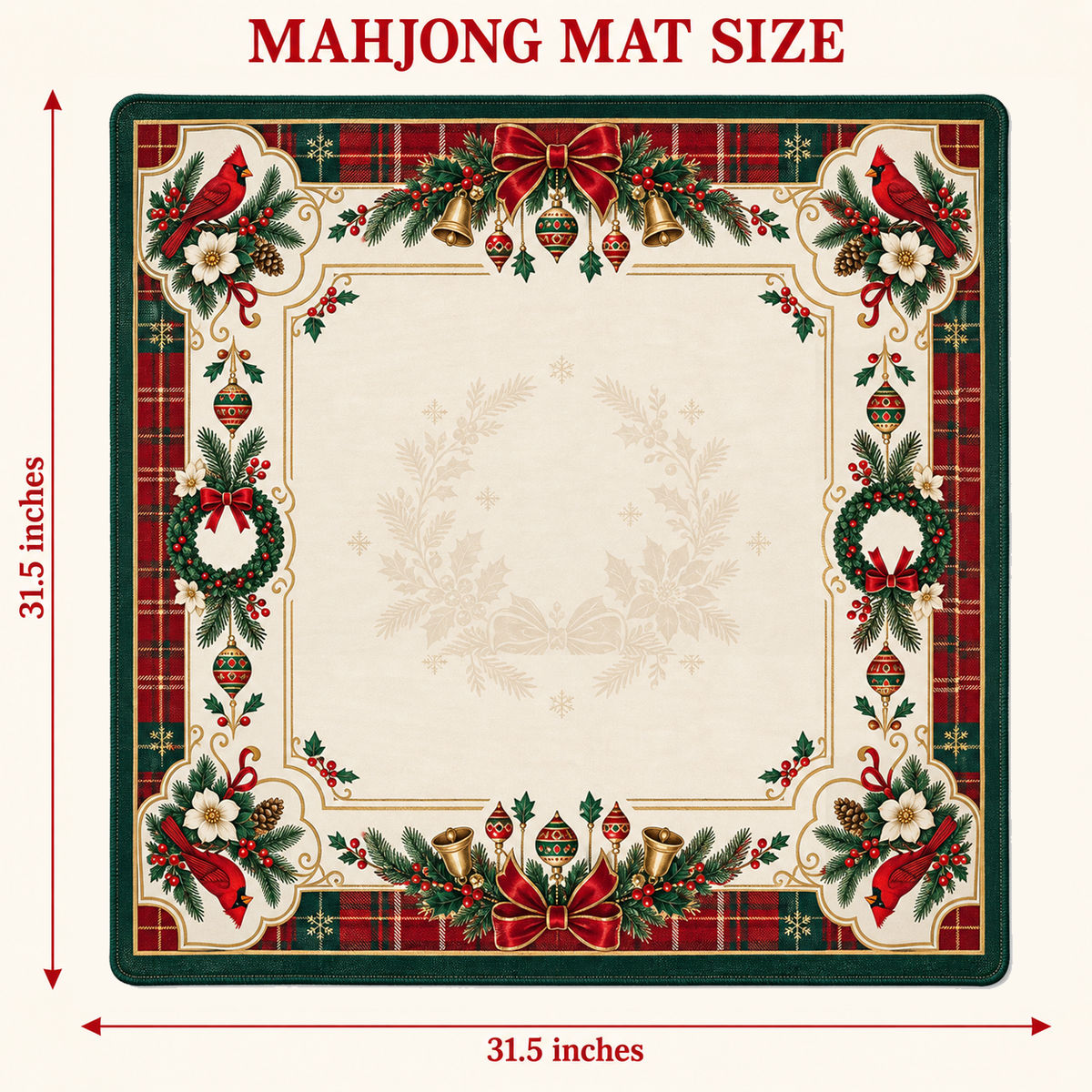
A mat bundled in a starter kit is almost always the right call—it's sized for standard play and typically costs less than buying separately. Mat quality is less dramatic than tile quality, but the difference between a mat that grips your table and one that slides is night and day. Felt-top mats grip well but absorb coffee spills; vinyl-backed mats wipe clean and don't stain. An embroidered mat looks professional for club play or when hosting visitors, while a solid-color mat is practical for daily games. Learn how to choose a mat based on your table size and play style before ordering a kit.
Do you actually need racks, or are they just a luxury?
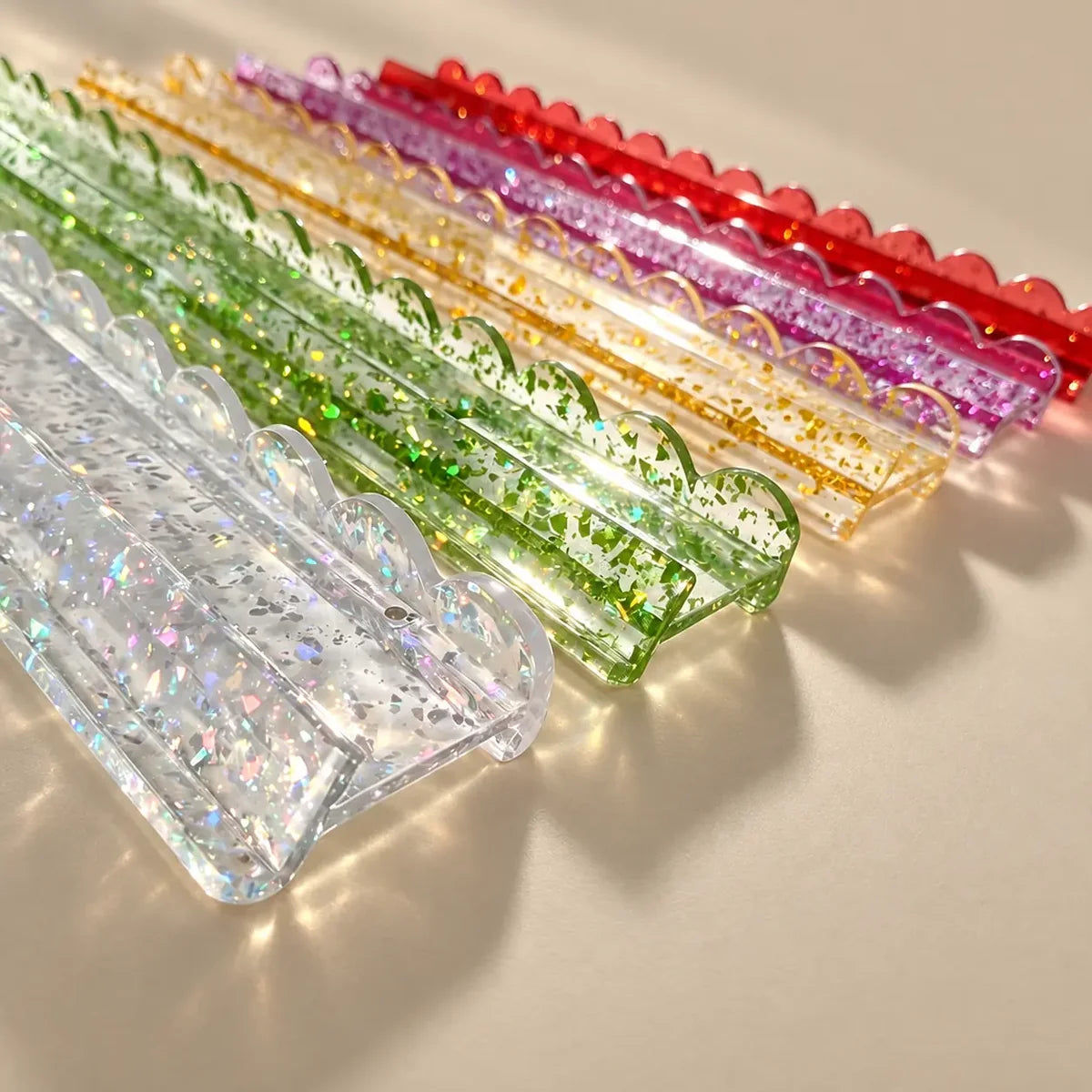
Racks transform how fast you can play and how comfortable your hands stay. Without racks, you're holding 13–14 tiles flat in one or both hands for an hour, which leads to fatigue and dropped tiles. Racks with pushers let you organize tiles at eye level and adjust them one-handed without fumbling. The best starter kits include racks that fit standard American tile dimensions—measure your palm width before buying if you have small hands or arthritis. Many players buy a kit without racks and regret it within two weeks; start with racks included. Our racks with pushers guide covers ergonomic fit and material durability.
🎁 See our most-loved mahjong sets & accessories →

Home player vs. traveling player: Which kit do you actually need?
Use case | Best fit | Why it works | What to check |
Weekly home games, same table | Full-size set + embroidered mat + racks + soft case | Durability over portability; premium tiles last years; mat stays on table | Tile thickness, mat grip, case protects from dust |
Travel to clubs or friends' homes monthly | Compact travel set + lightweight case | Fits car trunk; mats fold; lighter racks; tiles still regulation size | Case padding, strap durability, tile nesting |
Gift to beginner who might not stick with it | Starter kit with solid-color mat, standard racks | Mid-tier quality; fewer extras to lose; easy to upgrade later | Clear instructions included; case doesn't intimidate |
Serious player upgrading from old set | Deluxe kit with engraved tiles + premium mat + matching case | Engraved American mahjong sets feel personal; premium acrylic outlasts replacements | Customization lead time; case locks or clasps |
The gap between a $X compact kit and a $X premium kit is not just aesthetics—it's tile lifespan and mat stability. Home players benefit most from heavier tiles and a gripping mat; travelers benefit from a case that protects corners and a mat that folds without cracking.
What should you check before clicking "buy"?
Ask yourself these questions before ordering:
Tile dimensions: Are they standard 1¼" × ¾"? (Non-standard tiles won't work with standard racks or cases.)
Mat size: Does it fit your table? (Most mats are 27" × 27" or larger; measure your play surface first.)
Rack fit: Can you comfortably hold the racks for 90 minutes? (This is personal—visit a game or ask a player to demo theirs.)
Case compartments: Will tiles, racks, mat, and dice all fit without crushing corners? (Cheap cases leave no padding.)
Tile finish: Is the print sharp and beveled edges crisp? (Run your finger over sample photos or ask the seller for close-ups.)
Spare tiles included: Every kit includes extras for when a tile chips; are replacements clearly labeled and easy to swap in?
Shipping protection: How is it packed to survive cross-country transport? (Ask before buying if fragile items are bubble-wrapped separately.)
The difference between a kit you'll play with every week and one that sits in a closet is often this final checklist, not the brand name.
✨ Find your Mahstead set — free US shipping →
Real player mistakes to avoid
Buying too small a mat because it looks "cute." A 24" × 24" mat works for two players or teaching one beginner; at a four-player table, you'll be shifting tiles constantly and bumping elbows. Starter kits come in standard sizes for a reason.
Choosing a kit based on color alone. Red tiles look bold in photos but fade in sunlight and hide dust. Natural or pale backgrounds show tile quality better. The color rarely matters after two weeks; durability does.
Not checking tile weight before ordering. A lightweight tile is cheaper to make and ship but feels cheap in play and doesn't stay in racks properly. Pick a kit where the seller explicitly states tile thickness or weight.
Buying a case you can't actually carry. A beautiful wooden case that weighs 8 pounds is furniture, not travel gear. If you're not physically going to carry it, don't pay extra for a case.
Assuming "160 tiles" means more play. All American mahjong games use exactly 152 tiles; the extra 8 are spares for damage. You don't need to buy a bigger set to play more—you need to buy a better set that lasts longer.
FAQ
Can I start with a smaller, cheaper kit and upgrade later?
Yes, if the cheap kit doesn't teach you bad habits—poor-quality tiles that stick together or a mat that slides are frustrating enough to quit early. A mid-tier starter kit is a safer first buy than a $X entry-level one that makes you regret the hobby.
What's the difference between a "starter kit" and buying tiles, mat, and racks separately?
Bundled kits usually cost less per item and ensure all pieces fit together (same tile size, mat sized for your racks). Buying separately is only cheaper if you already own quality gear and are just swapping one piece.
Do I need an engraved set, or is that just aesthetic?
Engraved American mahjong sets are personal and make great gifts, but they don't play any differently. If you're buying for yourself as a beginner, save engraving for a second set once you know what you like.
How long does a good starter kit last with weekly play?
High-quality acrylic tiles last 3–5 years of weekly shuffling; mats last 5–7 years if kept clean and not folded repeatedly. Racks rarely wear out. Most players upgrade not from wear but because they see a design they prefer or want to customize.
Should I buy mahjong racks with pushers as an add-on, or is it better bundled?
Bundled is simpler—the seller has already matched racks to tile size. Buying separately gives you choice but means measuring and verifying compatibility, which is a hassle for a first kit.
What if someone in my game group has small or arthritic hands?
Racks with shorter pushers exist but are rarely bundled in starter kits. Ask your group before buying, or budget for swapping in ergonomic racks later—it's easier than replacing the entire kit.
Can I use a starter kit with online mahjong apps or tutorials?
Absolutely. The tile rules and hand patterns are identical. A physical set actually helps beginners learn faster because shuffling and arranging tiles by hand builds pattern recognition better than clicking.
Are there any hidden costs after buying a starter kit (dice, scorepad, etc.)?
A standard game needs only tiles, mat, and racks. Dice and scorepads are optional—some groups use paper, others use apps. Don't let a seller upsell you accessories you won't use.


View More
View More
View More
