
How to Store a Mahjong Table: Protection & Setup Tips
Last updated: Nov 23, 2026
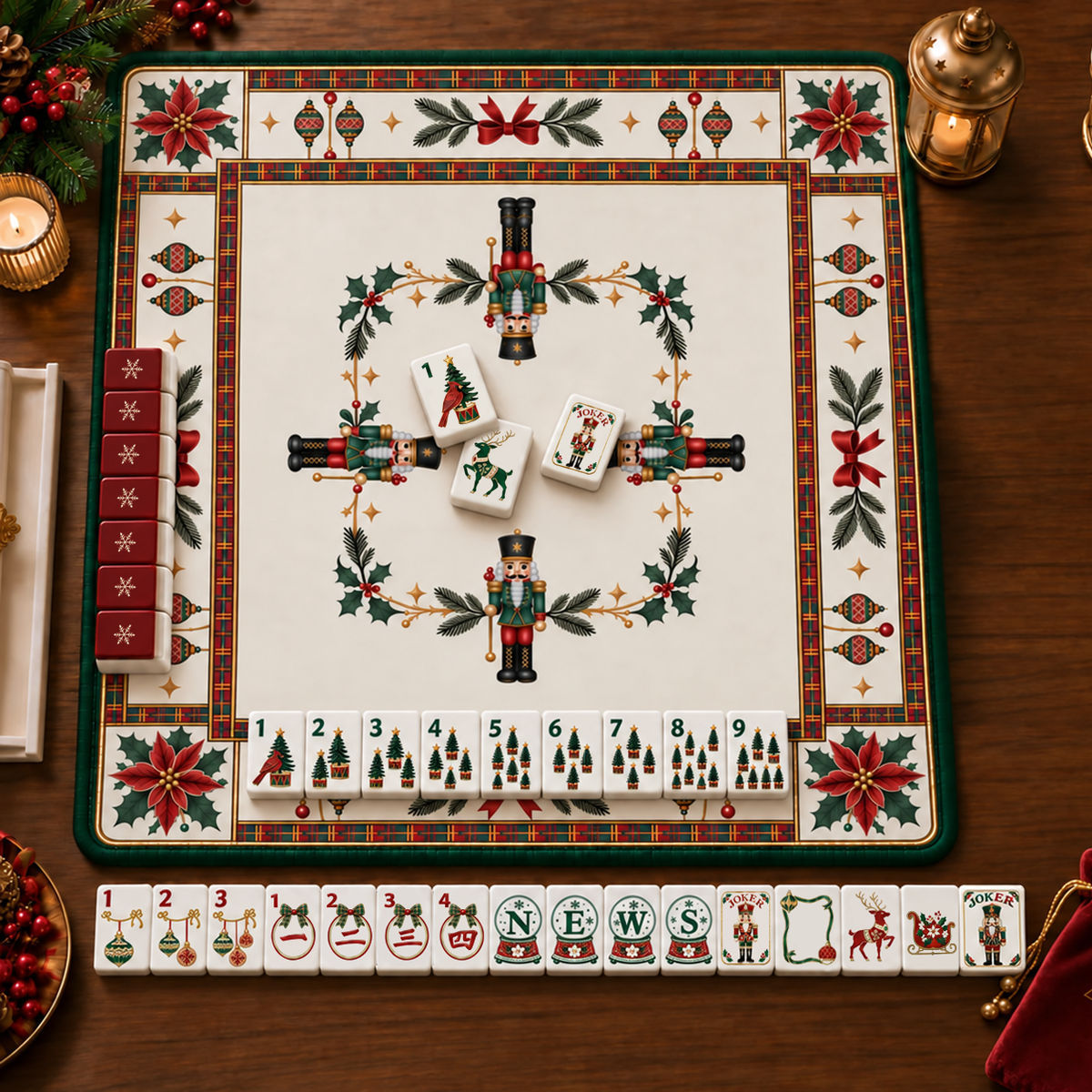
Whether you play on a permanent dining table, a dedicated mahjong table, or a folding model, storage depends on climate, frequency of use, and available space. If you host weekly, store the set in a quality bag or case indoors at room temperature away from direct sunlight and moisture. For a permanent table, cover it between sessions with a protective mat or cloth to block dust and spills. A mahjong mat—laid on top during storage—guards against scratches and heat damage while remaining thin enough to stack. Rotate your 152 tiles quarterly if stored in one position to prevent indentation. Avoid basements, unheated garages, and humid areas where acrylic tiles warp and wood swells. Most players keep their set in the box it ships in, nested inside a travel bag for portability; Mahstead's best-selling mahjong sets arrive packed for safe storage.
Should I cover my table between games or leave it bare?
A protective cover—mat or cloth—prevents dust accumulation, fading, and accidental spills that stain or warp tiles. If your table sits in a living room, a dedicated mahjong mat is ideal: it stays on between games, protects the playing surface from scratches, and rolls up for easy retrieval when the next game begins. Bare tables collect debris and absorb moisture and odors. A simple cotton or linen cloth works in a pinch, but a mahjong mat designed with a non-slip backing and sturdy threading holds tiles in place during transport and storage alike.
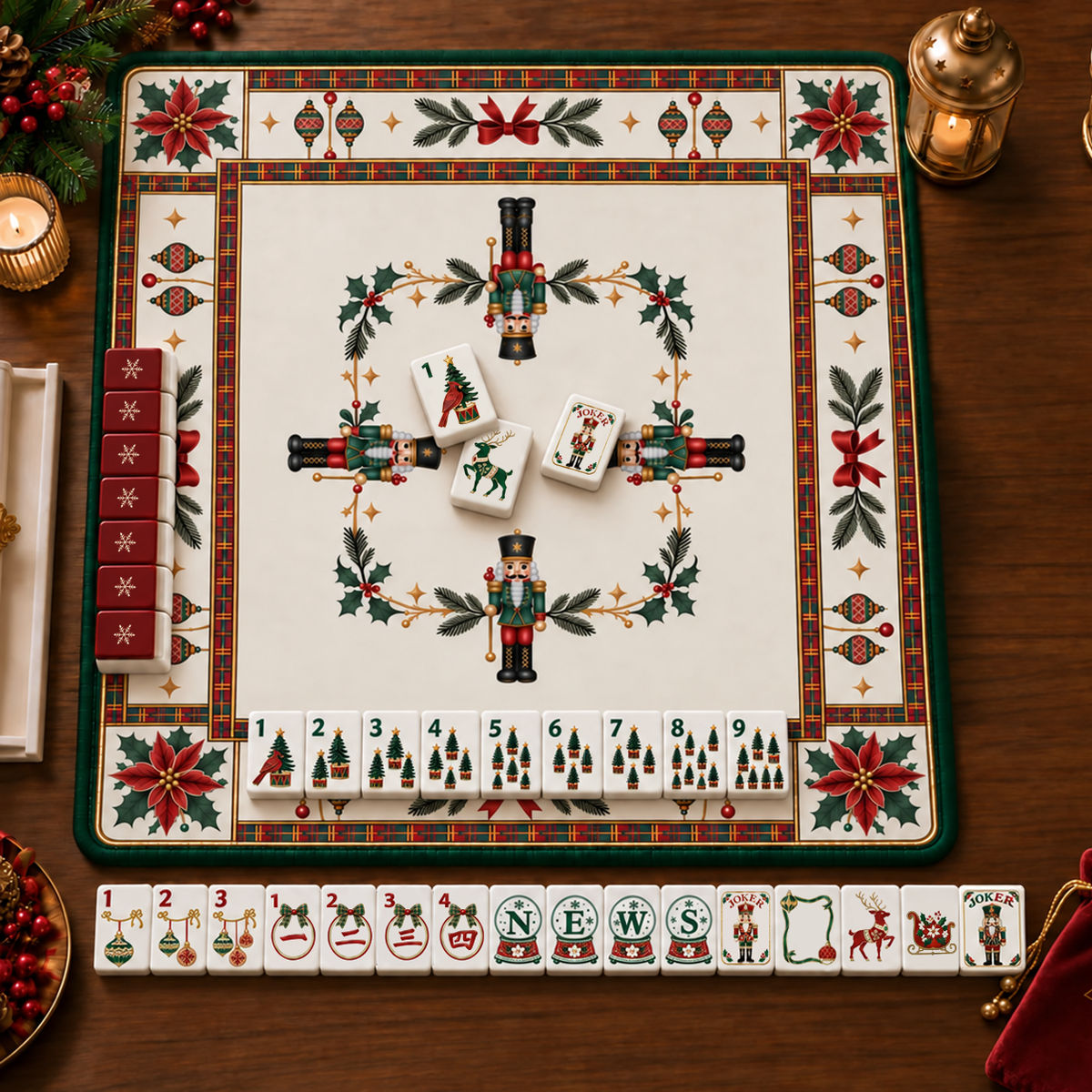
Where should I keep my mahjong set when not in use?
Store your set in a cool, dry, climate-controlled space indoors—a closet, cabinet, or shelf in your game room, bedroom, or living room. Room temperature (65–75°F) and moderate humidity (40–60%) preserve acrylic tiles and wood racks. Never store in an attic, unheated garage, basement, car trunk, or shed where temperature swings crack tiles or warp frames. If space is tight, a mahjong bag or case keeps everything organized and portable; some players store the set inside its original shipping box, then nest that into a dedicated carry bag. Keep tiles away from direct sunlight to prevent fading and heat damage to acrylic.
How do I prevent my tiles from warping or cracking?
Acrylic tiles are durable but sensitive to temperature extremes and UV exposure. Store them in their original box inside a padded bag at a stable temperature; avoid cars, garages, or rooms without heating or air conditioning. If tiles sit on a permanent table between games, cover them with a protective mat or cloth. Humidity above 70% or below 30% causes warping; if you live in a very dry or humid climate, store the set in a sealed container with silica packets. Jokers, blanks, and spare tiles—stored separately from the active 152-tile set—should go in a small, labeled container so you don't mix them into play.
What's the best way to organize my tiles inside storage?
Keep the complete 152-tile set in its original compartmented box if it came with one; this layout prevents tiles from sliding or chipping. If your set arrived in a single flat container, sort tiles by suit (Bams, Craks, Dots), winds, dragons, and flowers into small ziplock bags or labeled dividers so you can verify the count and find missing tiles quickly. Store the racks with pushers upright or laid flat in a separate layer of the bag; never compress them under the weight of tiles or the mat. If you own multiple sets, label each box with the year, designer, or theme so you know which to grab for themed games. Keep racks with pushers clean and dry; wipe wood or plastic racks with a soft, dry cloth before packing.
How often should I check on my stored set?
Inspect your set quarterly—every three months—even if you're not playing. Open the bag or case, count the tiles visually (eight jokers, four of each number and honor), check racks for cracks or loose pegs, and wipe the mat for dust or mildew. If you store the set year-round without playing, rotate tiles within their compartments so no single tile sits under pressure for months. In humid climates, refresh silica packets or ensure the storage container breathes slightly to prevent moisture buildup. If you notice tiles discolored, warped, or racks sticky, move the set to a drier, cooler location or open it to air dry for a day.
Storage Setup: A Quick Decision Framework
Scenario | Best Storage Method | Why It Works | What to Watch |
Weekly game host | Set in original box + padded bag + mat on top | Organized, portable, protected from dust and spills | Keep indoors at room temp; avoid car/garage |
Permanent dining table | Dedicated mahjong mat on top, set on mat or in storage drawer | Table stays game-ready; mat blocks scratches and stains | Rotate tiles quarterly; keep mat clean |
Spare/collector set | Sealed plastic container + silica packets + cool closet | Isolates set from humidity and temperature swings | Label the container; check every 6 months |
Humid climate (South, coastal) | Double-layer bag (outer canvas, inner cloth) + closet + silica refresh | Extra moisture barrier; regular air changes | Inspect tiles for warping; replace silica 2–3 times yearly |
Dry climate (Southwest) | Original box + bag + humidifier nearby | Prevents cracking; moderate air moisture | Wipe tiles for dust; ensure closet isn't near vents |
🀄 Shop best-selling mahjong sets →
What to Check Before You Buy Storage Solutions
Bag capacity: Confirm it holds a 152-tile set, racks, pushers, dice, and a mat without cramping. Look for internal pockets or dividers.
Material: Canvas, nylon, and padded fabrics protect better than thin cloth. Check for waterproof lining if you store in a basement or near a kitchen.
Mat thickness: A thick mat (around ¼ inch) cushions tiles and sits firmly on a table; thinner mats fold easily for travel but offer less protection.
Zippers and seams: Test that zippers glide smoothly and seams are stitched double-ply. Poor closures let dust in.
Access: Can you open the bag without disturbing everything inside? Compartments or roll-top designs let you grab a single item.
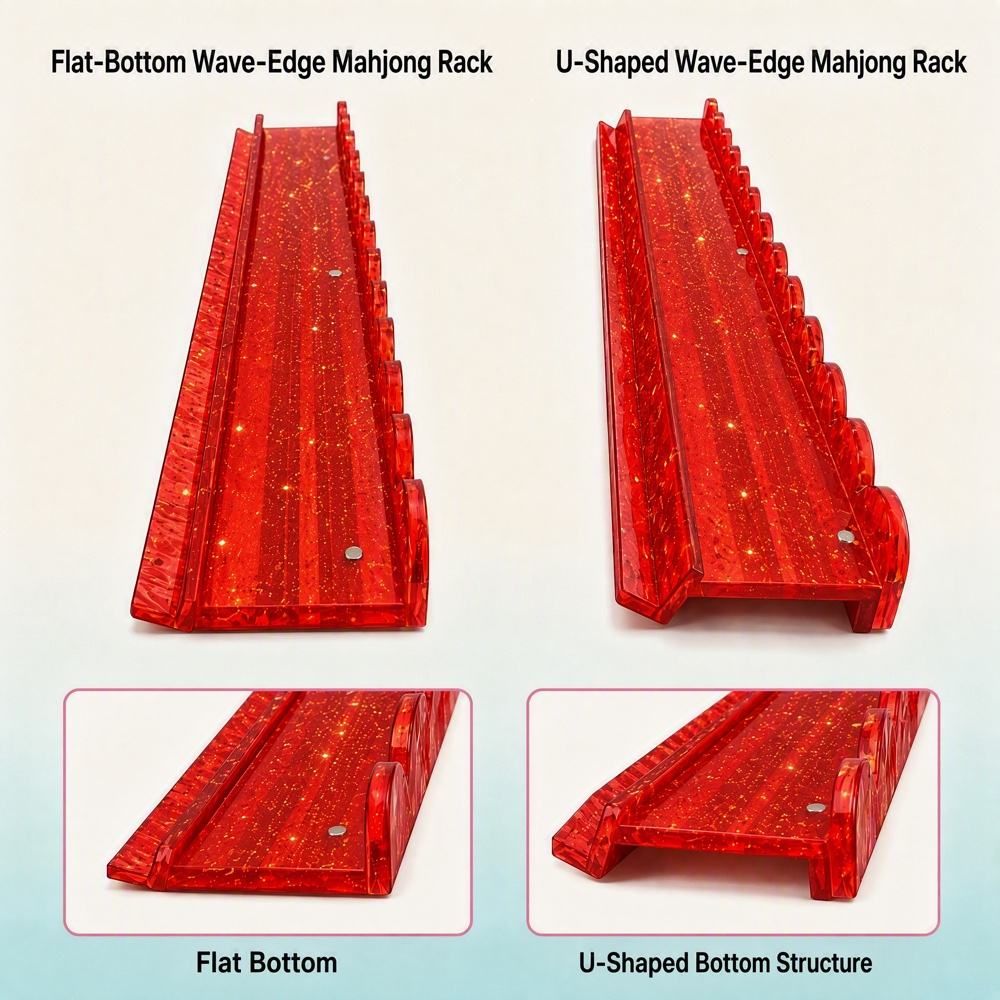
Rack fit: Wooden racks with pushers need snug sleeves or pouches so they don't slide during transport.
🎁 See our most-loved mahjong sets & accessories →
Storage Mistakes We See (and How to Avoid Them)
Stacking heavy objects on top of the bag. The weight crushes racks and can bend tiles if the bag lacks padding. Store the set on a shelf or in a cabinet where nothing presses down on it.
Storing tiles loose in a drawer or shoebox. Tiles slide, chips accumulate, and you'll never know if any are missing until mid-game. Always use the original compartmented box or labeled bags.
Leaving the mat damp. If a mat gets wet from a spill or humidity, hang it to air dry fully before rolling it up. Mold and mildew ruin the backing and tile surface.
Forgetting the jokers and blanks. Our sets ship with spares (extra jokers and blanks beyond the active 152 tiles). Store these separately so they don't accidentally get mixed into play and throw off your count.
Ignoring temperature swings. A set stored in a garage, attic, or car experiences daily or seasonal extremes that warp acrylic. Always keep it indoors at a steady 65–75°F.
✨ Find your Mahstead set — free US shipping →
Why a Dedicated Mahjong Mat Matters During Storage
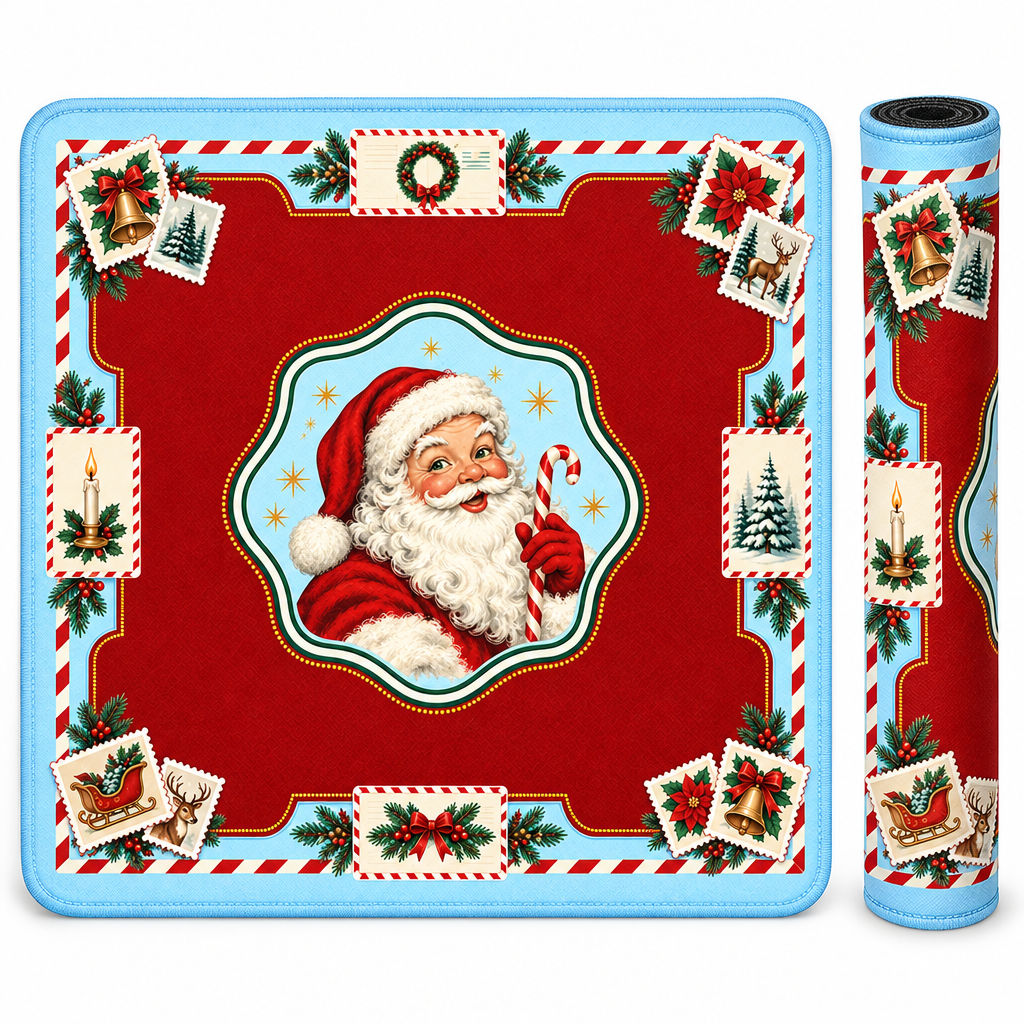
Most players think of a mat as only for gameplay, but a protective mahjong mat serves double duty: laid on your table between games, it shields the playing surface and tiles from dust, heat, and scratches. During storage, the mat stays rolled inside the bag alongside your set, so when you unpack for the next game, everything is clean and ready. A mat's non-slip backing also prevents tiles from sliding if the bag shifts during transport. If you're serious about keeping your table and tiles pristine, a mat is one of the cheapest and most effective investments you can make—far cheaper than refinishing a scarred table or replacing warped tiles.
FAQ
Can I store my mahjong set in my car trunk or garage?
No. Cars and garages fluctuate in temperature and humidity, especially in winter or summer, which warps acrylic tiles and cracks wooden racks. Always store indoors at room temperature (65–75°F).
How do I know if my tiles are warped?
Lay tiles flat on a hard table surface. Warped tiles will rock or not sit flat. Slight warping may not affect play but signals storage conditions are too hot, cold, or humid; move the set to a climate-controlled closet or cabinet.
Should I keep my mahjong set in its original shipping box?
Yes, if the box has compartments. The original box protects tiles from mixing and sliding. If the box is damaged or lacks dividers, sort tiles into labeled bags or use the compartments in a dedicated storage container.
Do I need a mat if I store my set in a bag?
A mat is not required for bag storage but protects the table during play. If your set lives in a bag between games and is never left exposed on the table, focus on a quality padded bag and labeled tile organizers instead.
How often should I play to keep tiles from getting stuck or brittle?
Tiles don't degrade from sitting; acrylic is stable. Playing monthly or quarterly is fine. Just ensure storage stays climate-controlled. Rotating tiles quarterly prevents flat spots or indentations if the set sits in one position for months.
What is the best humidity level for storing acrylic mahjong tiles?
Aim for 40–60% relative humidity. Use a hygrometer in your storage closet to measure. If humidity is above 70%, add silica gel packets; if below 30%, place a small humidifier or bowl of water nearby (not touching tiles directly).
Can I store my mahjong set in a plastic tote in an unheated basement?
Not recommended long-term. Basements are damp and unheated, both of which warp tiles and corrode metal jokers or racks. If basement storage is your only option, use heavy-duty plastic bins with sealed lids and silica packets, and check the set monthly for moisture or mold.


View More
View More
View More
