
Mahjong Solitaire: Rules, Setup & Digital Play Guide
Last updated: Nov 23, 2026
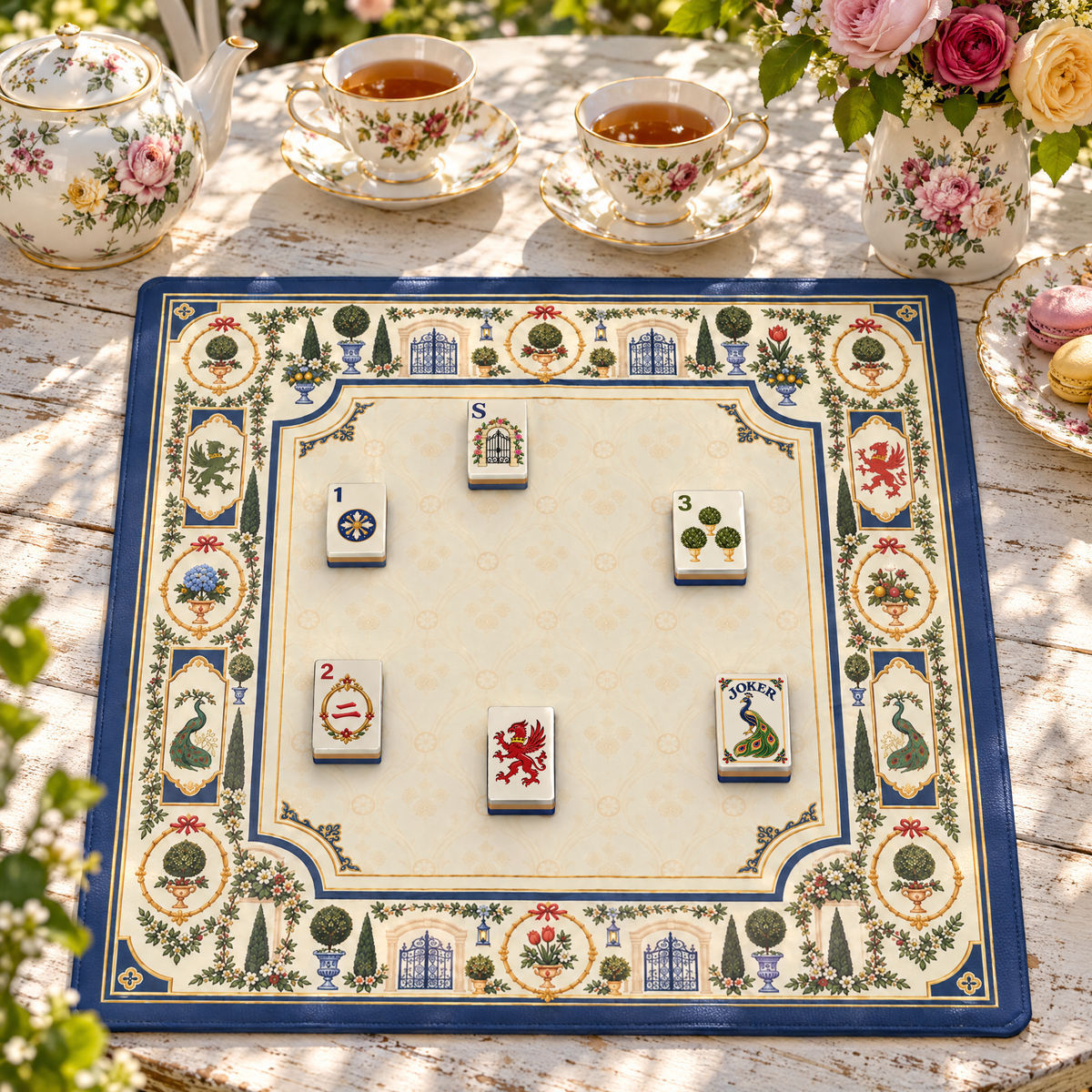
Mahjong solitaire is a solo puzzle game played with a layout of mahjong tiles on a flat surface or screen, where your goal is to match and remove identical pairs until the board is empty. Unlike American mahjong (which is multiplayer and uses hands), solitaire requires no dealer, no hand-drawing, and no scoring card—you simply find accessible pairs and eliminate them. A standard game lasts 5–15 minutes, depending on difficulty and layout. The tiles come from the same 152-tile set used in multiplayer American mahjong, though digital versions may use 144 tiles. The only real cost is a one-time purchase of physical tiles (for tabletop play) or a free-to-paid app download; online versions are often free. Common mistakes: rushing without planning ahead (you can get stuck mid-game), forgetting which tiles are blocked by others, and playing layouts that are mathematically unsolvable. Mahstead's best-selling acrylic sets work well for tabletop solitaire if you enjoy the tactile experience and want a durable, reusable setup. 🀄 Shop best-selling mahjong sets →
Is mahjong solitaire the same as table mahjong?
No—they are two entirely different games. Table mahjong (American, Chinese, or Hong Kong) is multiplayer, competitive, and built on drawing tiles into a hidden hand each turn, using a yearly card for valid combinations. Solitaire is solo, puzzle-based, and plays entirely on the board with no hidden tiles or strategy card. American table mahjong involves a Charleston pass, declaring winners by matching patterns, and precise scoring rules; solitaire has none of that. Think of it as the difference between chess (table mahjong) and a jigsaw puzzle (solitaire)—both use skill, but the mechanics are separate.

What is the goal and how do you win?
Your goal is to clear every tile from the board by matching identical pairs and removing them. You win when the board is empty. A pair consists of two tiles of the same rank and suit—for example, two 5 Dots, or two North Winds. You can only remove a pair if both tiles are free, meaning neither is covered or blocked by another tile from the side. Once you remove a pair, tiles above or beside them may become free and available for new matches. You lose if you run out of legal moves before clearing the board.
What tiles can you match in mahjong solitaire?
In most classic solitaire versions, you match any two identical tiles: two 1 Dots, two Red Dragons, two East Winds, two Flowers, and so on. Some layouts restrict certain tiles (like Flowers or Jokers) so they cannot be matched with each other—read the specific rules before you start. A few variants allow bonus matching: for example, some digital games let you match a Red Dragon with a White Dragon as a "special" pair. Always check the rule set for your layout, because what's legal in one version may be blocked in another. Standard tabletop American mahjong solitaire usually treats all tiles equally.
What are the main solitaire layouts and difficulty levels?
The most popular layouts are Classic Pyramid, Towers, Spider, and Mahjong. Each has a unique geometric arrangement that changes how many tiles block each other.
Layout Name | Shape | Difficulty | Play Time | Best For |
Pyramid | Triangle stacking | Easy–Medium | 8–12 min | Beginners, quick games |
Towers | Columns with height | Medium–Hard | 10–15 min | Intermediate players |
Spider | Web pattern | Hard | 12–18 min | Patient solvers |
Mahjong | Ornate cluster | Hard | 15–20 min | Experienced players |
Fortune | Spiral | Medium | 10–14 min | Casual play |
Difficulty depends on how many tiles overlap and how many moves you have to plan ahead. Easy layouts rarely trap you; hard layouts demand strategy. Most solitaire apps let you choose your layout and reset if you get stuck.
🎁 See our most-loved mahjong sets & accessories →
How does digital mahjong solitaire differ from physical tabletop play?
Digital versions (web-based and mobile apps) highlight free tiles automatically, let you undo moves, show hints, and often reset instantly. Tabletop play forces you to set up the layout by hand, remember which tiles are free, and live with your choices—no undo. Online games usually have 100+ layouts; tabletop is limited to whatever mat or book you own. Digital is faster and more forgiving; physical play is slower, meditative, and tactile. Both build the same tile-recognition skill, but physical play strengthens spatial memory because you have to track the board visually. If you host weekly games and enjoy the ritual of shuffling and tapping tiles, physical play adds value; if you want fast, portable solitaire, a phone app is better.

What strategies help you avoid getting stuck?
Plan ahead before you move. Before removing a pair, ask: Will this unblock a tile I need soon?Will it trap another tile underneath? Start by clearing pairs on the outer edges and top layers, since they are less likely to block others. Avoid removing pairs that are hiding a single isolated tile beneath—you'll get stuck with an unpaired tile at the end. Look for tiles that appear only once or twice on the board; prioritize removing their partners first, so you don't run out of matches for rare tiles later. Keep a mental map of which tiles are underneath blocked pieces. In digital games, use the Undo button freely to test moves before committing. On tabletop, write down or photograph the board state before a risky move, so you can reset if needed.
How do you set up a physical tabletop mahjong solitaire game?
Start with a standard 152-tile American mahjong set and a layout guide (printed, in a book, or from a website). Separate all tiles and shuffle them face-down on a mat or table. Arrange them into the layout shape—for example, a pyramid has rows: 1 tile on top, 2 below, 3 below that, building down. Each tile sits flat with its face-up, showing its rank and suit. Once arranged, you are ready to begin. Scan the board for any pair of identical free tiles (not blocked from above or the sides), tap or pick them up, and set them aside. After each removal, look for new pairs that are now exposed. Continue until the board is clear or you run out of moves. A durable acrylic set from Mahstead holds up to repeated shuffling and play; the tiles won't crack or fade, and they slide smoothly on a mat.
Can you play mahjong solitaire variants from other countries?
Yes. Chinese solitaire uses a different tile set and layout tradition but follows the same matching principle. Hong Kong solitaire sometimes includes bonus rules (like matching Dragons across color boundaries on certain turns). Japanese hanafuda solitaire uses flower cards instead of standard mahjong tiles. Turkish or Western versions may use standard playing cards or custom symbols. Online solitaire platforms often offer 50+ international variants. Most follow the core rule—match identical pairs, clear the board, don't get trapped—but scoring, layout geometry, and tile frequency vary. If you enjoy discovering regional variations, websites and apps dedicated to solitaire offer hundreds of free layouts; if you want consistency, stick to one version and master it deeply.
What to check before you buy a physical mahjong solitaire set
Tile count: Make sure the set includes a full 152-tile deck (plus spare tiles). Some sets sold elsewhere are incomplete or lack certain tiles needed for solitaire layouts.
Material durability: Acrylic or resin tiles withstand repeated shuffling and years of play. Bamboo tiles are beautiful but can splinter; plastic tiles are affordable but dull fast.
Included mat: A padded mat protects your table and makes tiles slide smoothly. Check whether it's included or sold separately.
Storage: A quality bag or case keeps tiles organized and portable. Loose tiles scatter and get lost.
Clarity of symbols: Make sure tile markings are crisp and easy to read, especially for Bams, Craks, and Dots, which can be confused if printing is faint.
✨ Find your Mahstead set — free US shipping →

FAQ
Can you play mahjong solitaire with incomplete tile sets?
No. Solitaire requires all 152 tiles to work correctly; missing even one tile breaks the layout math and makes the game unsolvable. Always verify a complete set before buying.
How long does a typical game last?
Most games run 8–20 minutes, depending on layout and your speed. Beginners play slower; experienced players finish faster. Harder layouts take longer because they require more planning.
Is there a way to always win at mahjong solitaire?
Not always. Many layouts are solvable, but some have a hidden trap—a pair of rare tiles that cannot be reached if you make one wrong choice early on. This is by design; unsolvable layouts make the game challenging. Digital apps let you restart; tabletop play teaches you to think ahead.
Do online solitaire games cheat or rig the difficulty?
Reputable apps use certified random shuffle algorithms, so no. The difficulty comes from the layout geometry itself, not hidden tile manipulation. Free apps are usually fair; some paid premium versions may have ads or time limits, but not rigged odds.
What's the difference between a mahjong mat and playing on a bare table?
A padded mat reduces noise, prevents tiles from sliding uncontrollably, protects your table surface, and makes the game feel more intentional. Bare wood or glass is slippery and can damage tiles over time. A mat is a worthwhile investment if you play regularly.
Can you use mahjong racks with pushers for solitaire?
No. Racks are designed for multiplayer hand management and keep your tiles hidden from other players. Solitaire displays all tiles on a flat board, so racks add no value. A flat mat is all you need.


View More
View More
View More
