
Mahjong Solitaire Etiquette: Solo Play Rules & Courtesy
Last updated: Nov 23, 2026
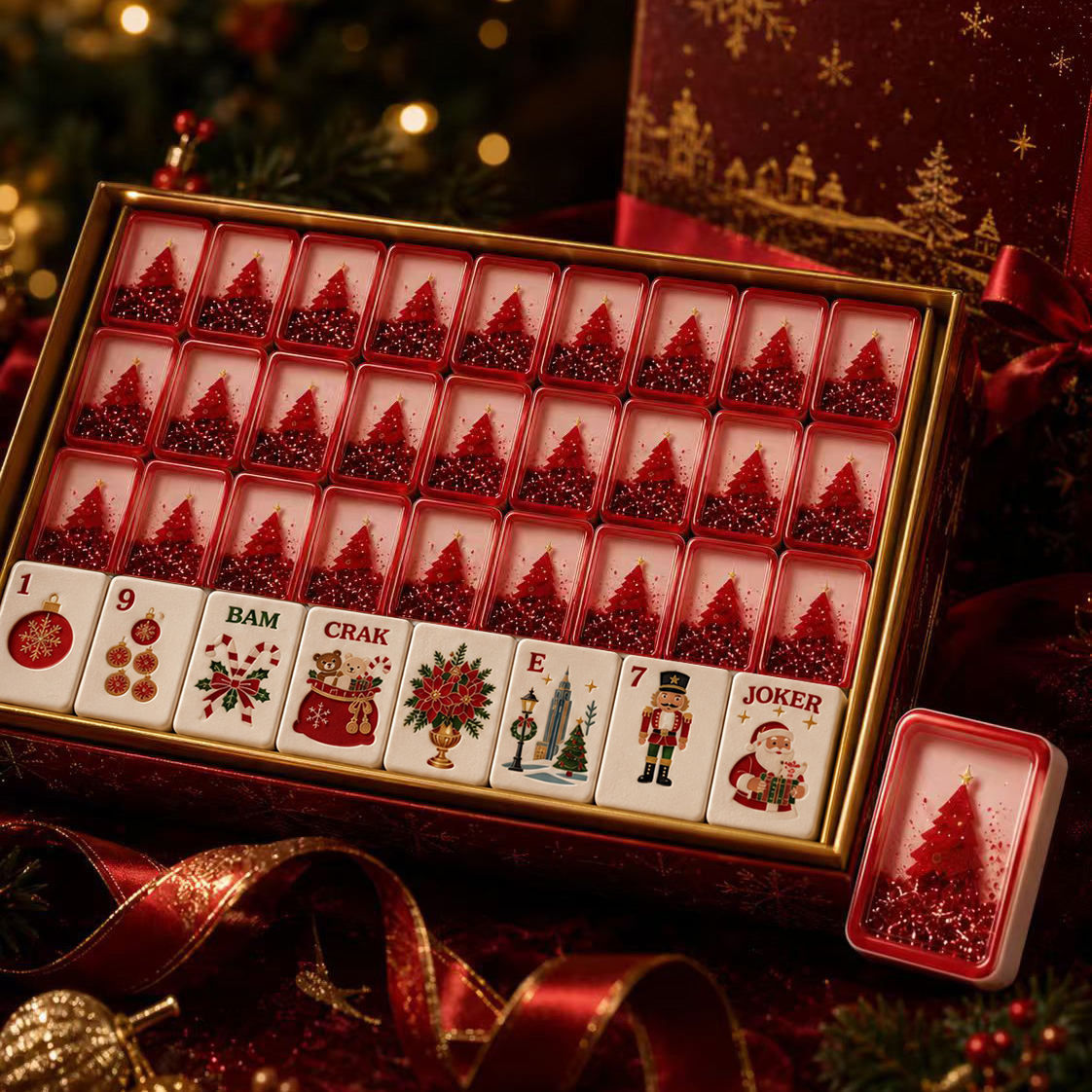
Mahjong solitaire etiquette refers to the courtesy and practice standards for playing American mahjong alone, either for skill-building, relaxation, or preparation before group sessions. Unlike four-player games, solo play has no opponents to mislead or distract, but good etiquette still includes: keeping tiles organized and face-down until you draw, selecting hands fairly from the current National Mah Jongg League card (not cherry-picking the easiest ones), respecting your own pace (no rushing through tiles to artificially boost win rates), and being honest about whether you've actually completed the hand within legal draws. Solo play works best as practice—not replacement—for group games, and it sharpens your reading of the card without the pressure of live opponents.
Mahjong solitaire etiquette is less about impressing others and more about respecting the integrity of the game. When you play alone, you're both player and referee. That's where honesty matters most.
We've all seen someone shuffle through a discard pile three times, or casually rearrange tiles mid-game "to see if that works." Solo play removes the social pressure that usually keeps us honest—which is exactly why solo etiquette matters. It's the difference between practice that builds real skill and fantasy that flatters your win rate.
What is mahjong solitaire and how does it differ from group play?
Mahjong solitaire is playing the American mahjong game alone, using the standard 152-tile set and eight jokers, with one player drawing all 13 tiles for their hand and discarding from a single wall. Unlike four-player games, there's no Charleston, no stealing tiles, no hand-reading opponents, and no real-time pressure. You set the pace entirely. The key difference: in group play, the other three players enforce the rules through live observation; in solo play, you enforce them on yourself. That self-enforcement is the core of solitaire etiquette.

How do you draw tiles fairly in a solo game?
Start by shuffling all 160 tiles thoroughly in a cloth bag or closed container—never on the table where you can see patterns. Place tiles in a wall (typically a double stack, 17 tiles per side in the standard layout) with the wall facing away from you so you cannot see tile backs or guess their order. Draw your opening 13 tiles blind from the wall, then follow the card's current hand, exactly as you would in group play. For each turn, draw one tile from the wall without looking ahead. If you're tempted to "just peek" at the next tile to see if it helps, that's a sign you're not playing fairly. Keep the wall intact and opaque throughout; don't fan tiles or spread them where you can spot patterns. A closed draw is the foundation of honest solo play.
Should you choose the easiest hand on the card or draw randomly?
Draw your hand first, then find it on the current National Mah Jongg League card—never work backward by choosing a hand and then "finding" tiles to match it. Many solo players cheat unconsciously here: they glance at the card, spot a simple-looking hand (say, five pungs and a pair), then convince themselves that's what they drew. Instead, lay out your 13 tiles, read the card section by section, and check whether your tiles form a legal hand. If they don't, you've lost that round. If you're practicing a specific hand pattern, play a separate "study game" where you explicitly state: "Today I'm learning pairs and kongs," and deliberately choose tiles for that lesson. Label it practice, not a real game. Real solo play follows the same random-draw rule as group games: tiles first, hand discovery second.
🀄 Shop best-selling mahjong sets →
What tiles should you keep visible and how should you arrange them?
Arrange your 13 tiles in a single row or in a slight arc, grouped by suit if you wish, all facing you clearly. As you draw from the wall, hold the new tile until you've decided which old tile to discard, then place the discard in a separate line in front of the wall. Many solo players make the mistake of leaving drawn tiles in the wall itself or mixing them with the original 13; this creates confusion and tempts you to "rearrange" later. Keep three zones clear: your hand (13 tiles, visible), your discard line (clearly separated), and the wall (face-down, untouched except when you draw). This discipline also trains you for group play, where messy tile management annoys opponents and can trigger disputes. If you ever replay a turn mentally ("What if I'd discarded that instead?"), stop and reset: solitaire play is sequential, not branching.
How do you record wins and losses honestly?
Track your solo games in a simple log: date, hand type from the card, number of turns to win, whether you won or lost. Include a note if anything unusual happened (you had to re-shuffle because you peeked, you played with fewer tiles, you changed hands mid-game). Over weeks, this log reveals your genuine win rate—typically 20–40% for experienced players, depending on how many hands you attempt before declaring a loss. If your log shows 70% or higher, you're likely choosing easier hands unconsciously or fudging the draw rules. Honest record-keeping also builds confidence: when you win fairly, you know it counts. Share your log if other players ask; it grounds the conversation in real data, not boasts.

Can you play mahjong solitaire as legitimate practice for group games?
Yes, with caveats. Solo play sharpens your speed reading the card, trains muscle memory for tile grouping, and lets you explore hands without the stress of live opponents watching your hand or the Charleston disrupting your strategy. But it doesn't teach you hand-reading (because there are no opponents), dealing pressure (because you can pause anytime), or the social rhythm of a real game. Think of it as technique practice, like a musician playing scales alone. Play solo for 30–60 minutes before a group session, then stop; don't use solo games as a replacement for group play if your goal is real skill. Use them to rehearse sections of the card you're weak on, not to build confidence that doesn't translate to the table.
Practice Mode | Best For | Pacing | Etiquette Rule |
Solo, self-drawn | Speed reading card, tile grouping | Your pace, no time limit | Draw blind, record honestly |
Solo, pre-group warmup | Hand familiarity before game night | 30–60 min max | Stop when you feel confident |
Solo, study specific hand | Learning a new pattern | Deliberate, replay allowed | Label it "study," not "real play" |
Group game | Full skill integration | Dealer controls pace | All rules enforced by opponents |
What's the etiquette for playing solitaire in front of others?
If you're playing solo while others wait for a fourth, or during a break, follow the same draw rules, but narrate your play quietly so observers know you're honest. Don't take 10 minutes hunting for a hand on the card; pre-game solo should be quick and low-key. If someone asks to watch, invite them, but don't speed up or slow down to impress them. Play at your normal pace. If you lose a hand, don't complain ("Bad shuffle," "Card's wrong") unless there's an actual problem. If you win, don't announce it loudly; just note it and move on. Solo play in front of others is practice, not performance—keep the tone humble. The moment you start playing for an audience, you stop playing fairly.
🎁 See our most-loved mahjong sets & accessories →
When should you NOT play mahjong solitaire?
Don't use solitaire as a substitute for group play if you're avoiding real opponents because you fear losing. Solo wins inflate confidence falsely. Don't play it compulsively the night before a big game; you'll tire your eyes and your mind, then feel overconfident. Don't play if you're emotionally frustrated and hoping to "restore confidence" by winning an easy solo hand; that's self-soothing, not practice, and it makes group play harder when you face real competition. Don't play with a group's communal set without explicit permission and a clear "study time" label; some groups consider pre-game solo play bad luck or disrespectful to the table's energy. Ask first. Solo play is a tool; used correctly, it builds skill quietly. Misused, it builds false confidence and feeds bad habits.
What should you check before you play solo?
Tile accuracy: Verify your set has exactly 152 playing tiles (four of each rank, suits, dragons, winds, flowers, and jokers). Count them if in doubt—a missing or duplicate tile ruins the integrity of every solo game.
Card currency: Always use the current year's National Mah Jongg League card (2026 for this season). Old cards have retired hands that no longer count, and using them teaches you patterns that don't translate to real games.
Shuffle quality: Spend time shuffling tiles in a closed bag or container. A sloppy shuffle where you can feel heavy tiles at the bottom tempts you to draw predictably. Shuffle at least 30 seconds, mix bag contents from bottom to top.
Draw discipline: Commit to blind draws before you play. If you catch yourself peeking, stop that game, reshuffle, and start over. Don't minimize the mistake; acknowledge it. That honesty trains you for group play, where any visible-tile cheat would be caught immediately.
Discard separation: Keep your discards clearly away from the wall and your hand. This prevents the creeping mistake of "accidentally" re-drawing tiles you already played.
Time limit: Set a time limit (e.g., "I play until I win or 20 turns, whichever comes first"). Open-ended solo play encourages reshuffling and re-trying until you win, which isn't practice—it's self-deception.
A well-kept mahjong set from our best-selling collection makes solo practice more organized and durable. Clean tiles, good weight, and clear suit markings reduce mistakes and frustration during long solo sessions. If you've been using a worn set or one missing tiles, upgrading now is an honest investment in fair play.
✨ Find your Mahstead set — free US shipping →

FAQ
Is mahjong solitaire considered "real" mahjong?
Solo play is practice, not full mahjong. Real mahjong is four-player, with a dealer, opponents reading your hand, and live tile-stealing. Solitaire trains technique but lacks the competitive pressure and social rules that define the game. Use it to prepare, not replace.
Can you use jokers any way you want in solitaire?
No. Jokers follow the exact same rules as in group play: they substitute for any single tile in a pung, kong, quint, or sextet, but never in a pair or alone. Solo play is where you should drill these rules so they're automatic when real opponents watch.
What's a fair "win rate" in solo mahjong?
Most experienced players win 20–40% of hands played fairly, drawing randomly and stopping after 15–20 turns per round. If you're winning 60%+ consistently, check your draw discipline; you're likely peeking or unconsciously choosing easier hands.
Should you play solitaire the night before a group game?
Light solo play (20–30 minutes) can sharpen your card-reading. Heavy or late-night play tires your mind and eyes, then backfires when you play live. Stop at least two hours before game time; rest beats last-minute cramming.
Is it okay to "replay" a turn in solitaire to learn better strategy?
Only if you label it clearly as study, not play. Say: "Today I'm learning how to spot a hand faster," then replay turns consciously. Never replay a real solo game; once you discard, that turn is done. Replaying real rounds teaches you to reverse decisions you can't reverse in group play.
What if you run out of tiles before completing a hand in solitaire?
You've lost that round. Don't reshuffle and try again unless it's a deliberate practice restart. Record it as a loss, note why (tiles were spread too thin, hand was weak from the card), and begin the next game fresh. Losses teach more than wins.


View More
View More
View More
