
Mahjong Soft Case vs Hard Case: Which Protects Your Set?
Last updated: Nov 23, 2026
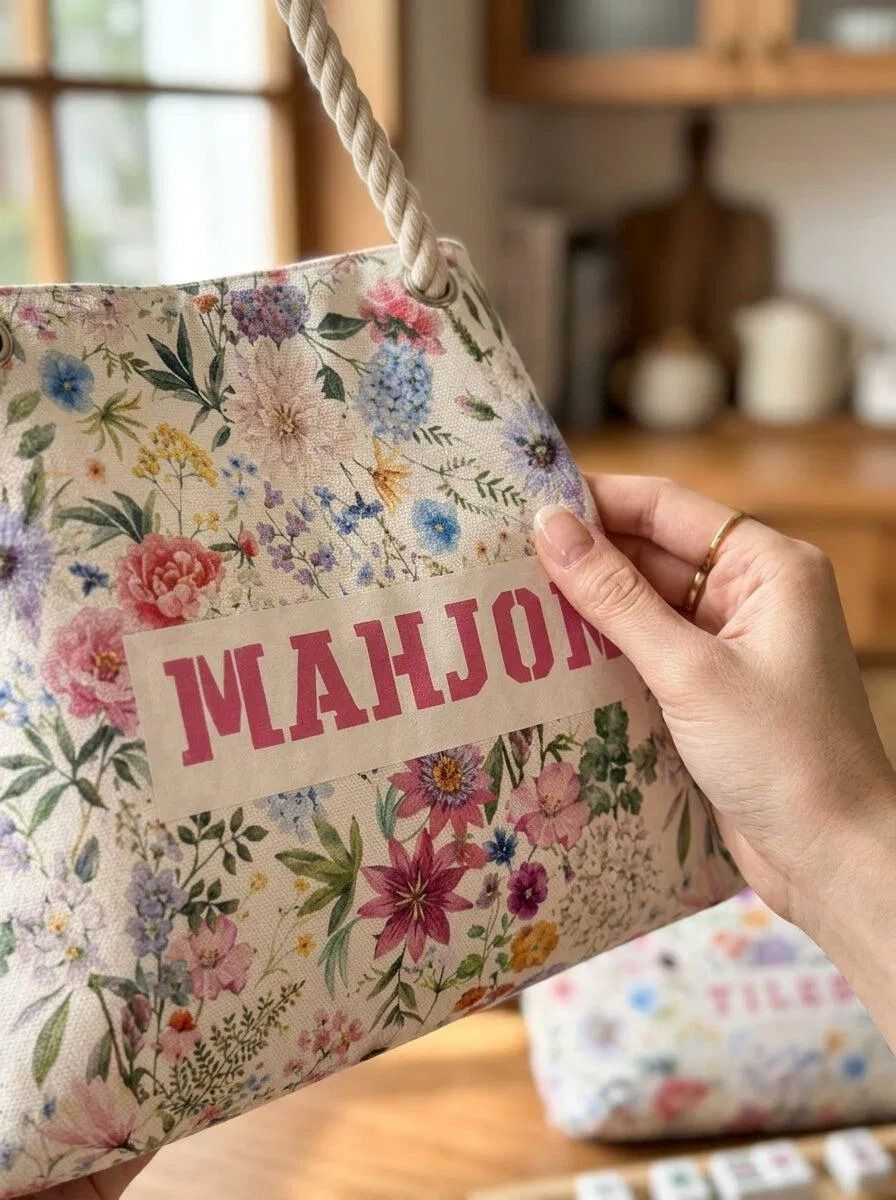
A soft case is a padded fabric bag (often canvas or nylon) that holds a 160-tile mahjong set, mat, and racks—lightweight, affordable, and ideal for car trips to your regular game. A hard case is a rigid plastic or composite shell that locks or clips shut, taking up more space but shielding tiles from crush damage during airline or rough handling. Soft cases typically cost less and pack flat; hard cases weigh more but let you stack other items on top without worry. Neither is "better"—it depends on how often you travel, whether you fly with your set, and how much protection your collection needs. Mahstead offers travel bags and cases in both styles, and we recommend soft cases for weekly players who drive to games and hard cases for those who store sets long-term or check luggage frequently. 🀄 Shop best-selling mahjong sets →
What does each case actually protect against?
A soft case shields tiles from dust, spills, and minor bumps—perfect for the drive to Thursday night game. If your set slides off a car seat or gets rained on, padding absorbs the shock. Hard cases prevent crushed corners, denting, and pressure from stacked luggage. If your suitcase gets thrown onto a baggage cart or stuffed into an overhead bin, a hard case keeps tiles and racks intact. Soft cases assume you're handling your set with some care; hard cases assume the world will not.

Who needs a soft case?
You're a soft-case player if you host or attend the same weekly game, drive under 30 minutes, and store your set at home between sessions. Weight matters less because you're not lugging it through airports or up apartment stairs. You value speed—unzip, set up in five minutes, no latches to fiddle with. Soft cases also work for casual players who bring a set to a friend's house or a weekend retreat. The bag fits in a car seat or hangs in a closet. If you're buying your first best-selling mahjong set and play locally, a soft case is the practical entry point.
Who needs a hard case?
You're a hard-case player if you fly to tournaments, check your set on planes, or store it in a basement where temperature and humidity shift. You've invested in an engraved or collectible set and want museum-grade protection. Hard cases are also the choice if you pack your set tight with other items—a deck of cards, scorepads, snacks—because the rigid shell prevents everything from compressing. Serious players with multiple engraved American mahjong sets often buy one hard case for travel and rotate soft bags for weekly games.
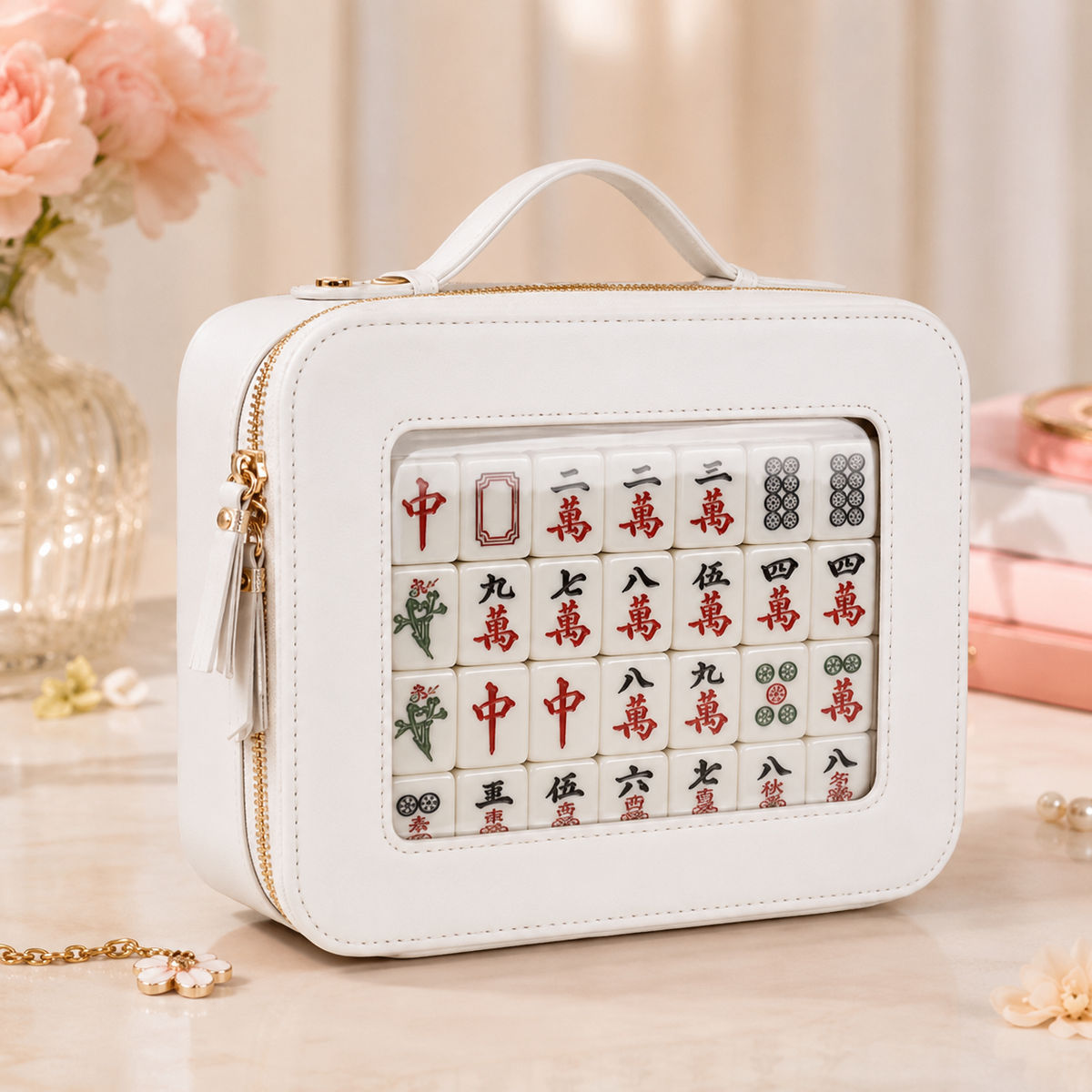
Soft vs. hard: the real cost and weight trade-off
Factor | Soft Case | Hard Case |
Weight | 1–2 lbs | 3–5 lbs |
Packed size | Folds flat when empty | Takes fixed footprint |
Durability | 2–5 years, weekly use | 5–10 years, heavy use |
Protection level | Dust, minor impact, spills | Crush, pressure, airline handling |
Setup time | <1 minute | 1–2 minutes (latches/zips) |
Best for | Local games, car travel | Flying, storage, collectibles |
Stacking items on top | Not recommended | Yes, safely |
Soft cases sacrifice rigidity for portability; hard cases trade weight for peace of mind. Neither will make your mahjong racks with pushers or mat softer or sharper—they just protect what's inside during the journey.
How to choose: four practical questions
1. How often do you fly with your set? If once a year or more: hard case. If never: soft case works fine.
2. Do you own multiple sets? One set = soft case (cheaper, lighter). Three or more = one hard case for travel, soft bags for rotation.
3. Where do you store it between games? Closet or bedside = soft case. Basement, garage, or shared closet = hard case (climate protection, dust barrier).
4. How long is your typical trip? Day trips to a friend's house = soft case. Weekend tournament or extended stay = hard case.
What to check before you buy:
Interior dimensions: Measure your 160-tile set's footprint (typically around 10" × 7" when closed). Check the case depth—some soft bags are too shallow for racks and a mat.
Strap quality: Soft cases need reinforced handles; hard cases need latches that don't crack. Test the hinge or zipper in person if possible, or read user feedback about durability after 50+ uses.
Ventilation: Soft cases breathe; hard cases can trap moisture. If you live in a humid climate and store your set in a hard case long-term, leave the latch slightly open or store a silica packet inside.
Compartments: Some soft bags have pockets for dice, scorepads, and the annual National Mah Jongg League card. Hard cases are usually one big chamber—pack carefully.
Carry method: Soft cases work as backpacks or shoulder bags. Hard cases are bulky; check if wheels or a handle fit your car and travel style.
🎁 See our most-loved mahjong sets & accessories →
The hybrid approach: many players own both
We've found that serious weekly players often buy a soft case first—it's affordable and works for 80% of play. Then, when travel or a new Christmas mahjong set or a heirloom set arrives, they add a hard case for flights and long-term storage. This isn't redundancy; it's specialization. The soft case stays packed in your car for Thursday game. The hard case sits ready for that Vegas tournament in March. If you're uncertain which to pick now, start soft, play your first season, and upgrade based on real travel patterns.
Our travel bags and cases collection includes both styles sized for a full 160-tile set with mat and racks. Free shipping across the US means you can try one, and if your play style evolves, you're not locked in.
✨ Find your Mahstead set — free US shipping →

FAQ
Can I use a soft case on an airplane?
Yes, but soft cases offer less protection in checked luggage. If the bag gets crushed under heavier suitcases, tiles and jokers inside may shift or crack. Hard cases are safer for checked flights; soft cases work better as personal items in the cabin.
How do I clean a soft case?
Unzip it, vacuum the interior gently, and wipe down with a damp cloth. Let it air-dry completely before storing your set. Avoid machine washing unless the manufacturer specifies it—zippers and seams can weaken.
Will a hard case keep tiles from getting dusty?
Yes. A sealed hard case is more airtight than a soft bag, so dust settles less often on your tiles. Hard cases are especially useful if you store your set in a garage, basement, or shared closet.
What if my hard case latch breaks?
Most latches are replaceable or repairable by a luggage shop. Before buying a hard case, check if the manufacturer offers replacement parts. Test latches at the store before checkout.
Do I need a case if I never leave my house with my set?
No. But if you store a set for months between play seasons or in a variable-climate space, a soft bag or hard case keeps tiles protected from dust, sunlight, and humidity shifts. Many players store their best-selling mahjong sets in a case year-round just to extend tile life.


View More
View More
View More
