
Mahjong Set Under 100: How to Choose Quality on Budget
Last updated: Nov 23, 2026
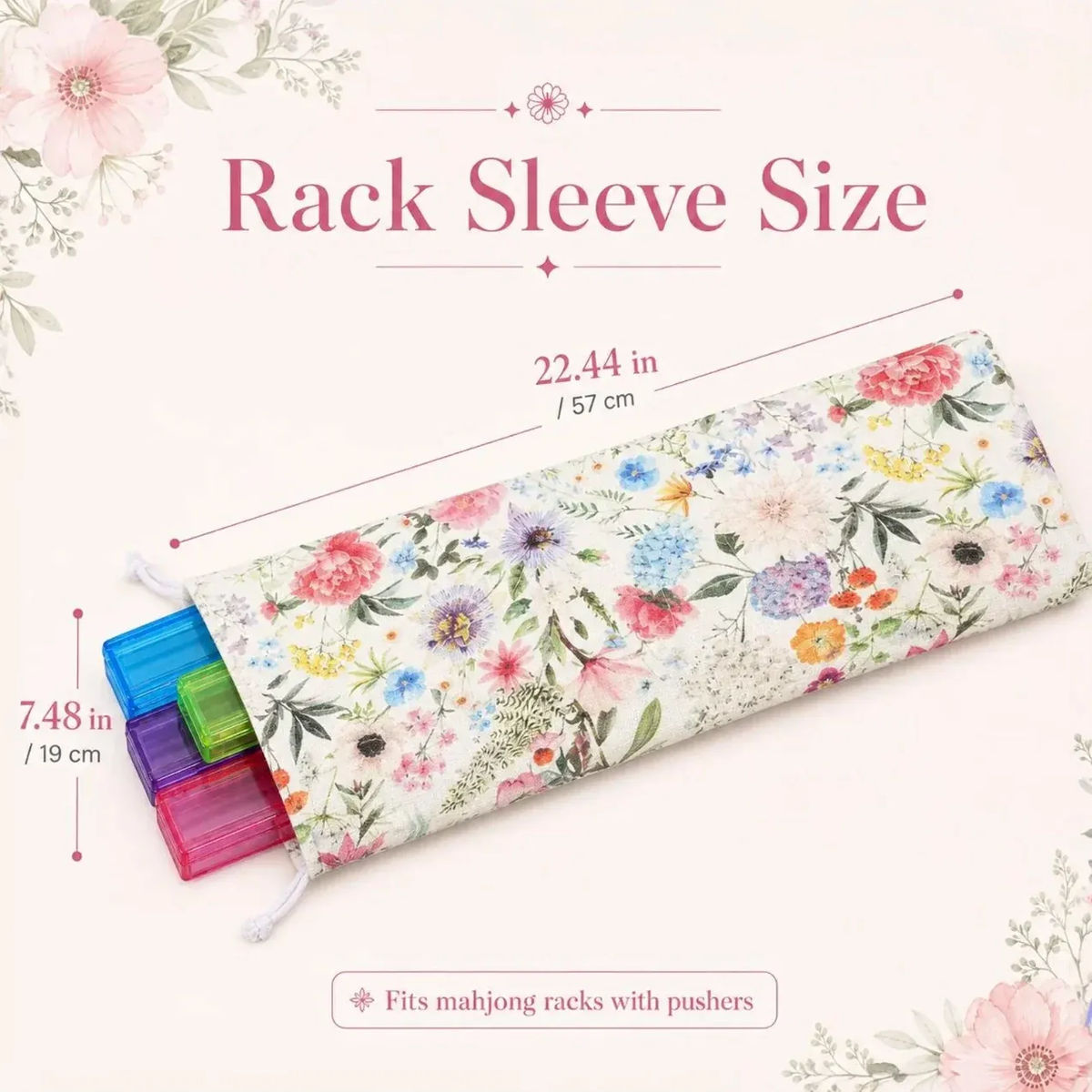
When you're hunting for an affordable American mahjong set, you're looking for three non-negotiables: 160 playable tiles plus spares in acrylic or bone, legible character marks that survive hundreds of shuffles, and pushers that don't split. Budget sets live on the line between cheap plastic that cracks and premium hand-carved bone. The sweet spot—sets offering clear lettering, smooth tile edges, functional racks, and a carrying bag—exists, and you can find them from sellers who specialize in American mahjong. What matters most: check tile thickness (thicker = longer-lasting), read whether the characters are printed or engraved (engraved lasts), and confirm you get racks with pushers and a bag. Mahstead's best-selling lineup includes several designs at accessible price points with free US shipping, so you're not paying to get it to your door.
What makes a "good value" mahjong set under budget, not just "cheap"?
Budget sets fail when tiles scratch, pushers snap, or bag zippers fail after a few months. A good-value set invests in acrylic thickness and tile legibility instead of novelty finishes. Compare sets by tile weight (heavier = denser acrylic), character depth (engraved beats printed for durability), and whether the bag has a divider or pocket structure. Mahstead's best-selling mahjong sets prioritize usable durability: standard acrylic in classic or customized designs, characters you can read across the table at year five, and push-sticks that won't snap mid-game.

What's actually inside a 160-tile set, and do you get what you pay for?
A 160-tile set contains 152 playing tiles (three suits of 1–9 in four copies each, 16 winds, 12 dragons, eight flowers) plus eight jokers and spare tiles beyond the game. Budget sets sometimes skimp on spare jokers—you should receive enough to replace worn ones without sacrificing gameplay. Mid-range sets standardize on full joker counts and add blank tiles for house rules. The bag, racks, and pushers matter: cheap bags split seams; cheap racks warp; cheap pushers crack. When you see a set advertised with a mat, case, and dice included, ask whether those are full-size or travel-grade. Mahstead includes functional racks with pushers and a durable carry bag; see current price on the product page for specific bundle details.
🀄 Shop best-selling mahjong sets →
Should you buy engraved, classic printed, or novelty designs on a tight budget?
Design Type | Who It's For | Durability | Why It Fits a Budget |
Classic printed (numbers, winds, dragons) | Serious weekly players, beginners | 3–5 years if handled well | No custom engraving overhead; bulk production keeps cost stable |
Engraved titles or themes | Hosts, gift-givers, themed groups | 5–7+ years | Slightly higher upfront cost but zero fading; looks sharper longer |
Novelty colors or translucent acrylic | Casual players, décor-conscious buyers | 2–3 years if packed carefully | Trendy finishes cost more per set; not designed for tournament wear |
For strict value, classic printed or engraved American mahjong sets outlast novelty variants. Engraved titles (like family names or year minted) don't fade, so you're not replacing a set in three years. Printed tiles hold up fine if tiles are thick and characters are deep-printed, not thin screen-printed. Budget buyers often choose engraved themes because the per-game cost over five years beats replacing cheap novelty sets twice.

What accessories do you actually need, and what's optional upsell?
Must-have: racks with pushers (tile control on the table), a carrying bag (protection between games), and a mat or tablecloth (grip and sound dampening). A mat keeps tiles from sliding during shuffles and the game itself, and it's easier to transport than a dedicated table. Nice to have: a separate dice tower (quieter, fairer rolls), a second mat for backup, or a padded case if you travel weekly. Skip: novelty dice, specialty markers, or multiple sets unless you host tournaments. Most budget buyers pair a standard best-selling mahjong set with a mat and racks; that's the 80/20 move. If you travel, add a travel bag or case that fits the tiles, racks, and mat together.
🎁 See our most-loved mahjong sets & accessories →
Which tile material lasts longest for the price: acrylic, resin, or bone?
Acrylic dominates the under-budget space because it's durable, lightweight, and dye-consistent. Resin and semi-bone composite tile sets cost more and don't always outlast thick acrylic. Acrylic tiles 8–9mm thick survive years of weekly shuffling without clouding or cracking; thinner acrylic (under 7mm) flexes and warps. Bone is heavier, feels premium, and lasts decades—but entry-level bone sets (bamboo-bone composite) cost more than budget acrylic and don't play noticeably better. For value, buy thick acrylic; the character legibility and shuffle feel are nearly identical to mid-tier bone after one year. Mahstead's acrylic sets use consistent thickness and depth-printed or engraved characters, so the tiles stay readable through hundreds of games.
How to avoid buyer's remorse: the checklist before you order
Before ordering:
Confirm the set includes racks with pushers (not just bare tiles).
Check tile thickness—ask the seller or measure against a ruler if possible.
Verify the bag is reinforced (zipper test: does the listing mention reinforced stitching?).
Read whether characters are printed or engraved; engraved is worth the small premium.
Count jokers and spares in the product description; you should see the word "eight" for jokers.
Look for reviews mentioning tile clarity at distance and pusher durability.
Confirm free or flat-rate shipping covers your region (Mahstead ships free across the US).
After arrival:
Shuffle the tiles with racks and pushers for 30 minutes; look for scratches or pusher cracks.
Place tiles under light to check character legibility; faint or blurry marks signal low-quality printing.
Test the bag closure and handles; seams should be tight.
Count all 160 tiles plus jokers to confirm nothing was lost in transit.
✨ Find your Mahstead set — free US shipping →

FAQ
What's the difference between a 152-tile and a 160-tile set?
A 160-tile set includes 152 playable tiles plus eight spares (jokers and/or blanks). The 152 tiles form the game; the spares replace worn or damaged tiles. American mahjong always plays with exactly 152 tiles and eight jokers, so extras stay in the box.
Do I need a mat to play, or can I use the kitchen table?
A mat prevents tiles sliding during shuffles and dampens noise. Bare tables work but slow the game and risk spilled drinks damaging tiles. A mahjong mat costs less than replacing a set and transforms gameplay comfort.
Will a cheap set's tiles fade or chip after one year of weekly play?
Poor-quality printed tiles do fade in 1–2 years; cheap acrylic chips if too thin or brittle. Thick acrylic with engraved or deep-printed characters holds up 5+ years. Budget sets that last pair thick tiles with engraved marks and reinforced racks.
Can I use a set without racks and pushers?
Yes, but racks and pushers are fundamental to American mahjong strategy. They hide your hand, help you organize draws, and let you store tiles neatly on the table. Playing without them slows rounds and makes mistakes more likely.
Should I buy a set with a travel bag or a hard case?
Travel bags (soft-sided, duffel-like) fit most budgets and work for car trips or weekly meetups. Hard cases cost more and suit frequent flyers or players who ship sets. For local weekly games, a durable travel bag is enough.
Are engraved sets really worth the extra cost?
Yes. Engraved characters don't fade and look sharper for 5–7 years. Printed tiles fade in 2–3 years with heavy use. The upfront difference is small; the cost-per-game over time makes engraved sets the smarter budget choice.
Can I mix tiles from two different budget sets?
No. Even similar-looking tiles vary in thickness, weight, and color shade between manufacturers. Unmatched tiles create uneven shuffles and can crack the racks. Stick with one complete set.
What if pushers break or the bag seam splits?
Contact the seller before the return window closes. Reputable sellers replace damaged pushers or bags at no cost or minimal shipping. Mahstead includes replacement-friendly designs; ask about spare pushers if you anticipate heavy use.


View More
View More
View More
