
Mahjong Set: How to Choose the Right One for Your Game
Last updated: Nov 23, 2026
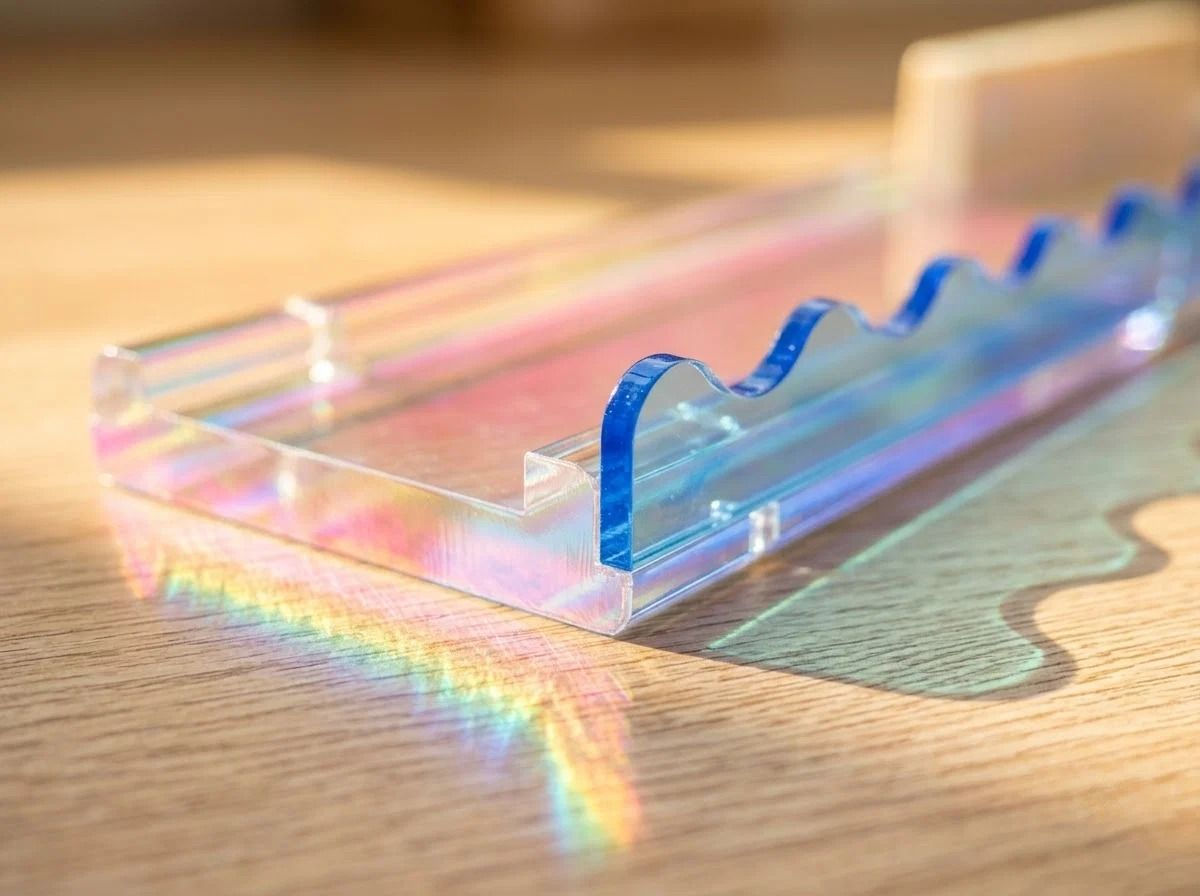
A mahjong set consists of 152 playing tiles plus eight jokers, arranged into Bams, Craks, Dots, Winds, Dragons, and Flowers. An American mahjong set includes four racks with pushers, a woven mat, dice, and often a carrying bag. You'll use the current year's National Mah Jongg League card to form hands—so no two games play the same way. Sets range from budget plastic imports to hand-engraved acrylic collectibles sold by specialty makers like Mahstead. Before buying, confirm tile thickness (heavier acrylic lasts years), size (standard or travel), whether engraving matters to you, and whether the mat and bag quality justify the cost. Most players upgrade within their first year once they know their preferences.
What exactly comes inside a mahjong set?
When you open a standard American mahjong set, you'll find 152 tiles (the game's legal count) divided into five groups: 108 number tiles in three suits—Bams, Craks, and Dots—split as 1–9 with four copies each. Then 16 winds (four copies of North, East, West, South), 12 dragons (four Red, four Green, four White), eight flowers, and eight jokers. A quality set also ships with four racks with pushers to hold and advance your tiles, a woven mat (usually bamboo or cotton, often reversible), a pair of dice, and a drawstring bag. Mahstead's 160-tile sets include spare tiles for replacement, but the playing count remains exactly 152 tiles and eight jokers—never add extras to the game.
🀄 Shop best-selling mahjong sets →
Should I buy a beginner set or invest in quality?
New players often ask whether a cheap plastic set will teach them the game. It will—but you'll feel the difference within weeks. Budget sets have thin, light tiles that slip, dull engravings that wear smooth, racks that don't grip, and mats that fray. A beginner set should still have acrylic tiles at least 8mm thick, pushers that actually push, and a mat you'll want to use long-term. Most of us started "cheap" and regretted it; we replaced tiles, lost pushers, and bought a new set within a year anyway. The real beginner investment is learning whether you'll play weekly or once a year. If you're serious about weekly games, buy once at mid-range—acrylic, solid racks, good mat. Mahstead's best-selling collection balances durability and price for exactly this moment.
What's the difference between acrylic and bamboo or bone tiles?
Acrylic is modern, durable, and consistent. Every tile weighs the same, feels smooth to push, doesn't absorb humidity, and lasts decades. Bamboo or bone tiles are traditional, heavier, and expensive—often imported. They feel elegant in hand and at the table, but they can chip, absorb moisture (especially the bamboo frame), and warp if stored poorly. For American mahjong played weekly in North America, acrylic is practical. It won't yellow, won't split in winter heat shifts, and you can customize it with engraving. Bone and bamboo belong in regional Chinese or Hong Kong sets where tradition and tournament rules lean that way. If you play American mahjong twice a week year-round, acrylic is the only sensible choice for reliability.
How do I know which size set to buy?
American mahjong tiles come in two practical sizes: standard (about 1" × 1") and travel (about 0.75" × 0.75"). Standard sets ship on a mat roughly 27" × 27" and fit four players comfortably at a dining table. Travel sets roll up much smaller—ideal if you move games between homes, play at a lake house, or have limited storage. A travel set fits in a smaller mahjong bag and costs less overall. Before you choose, measure your table depth—if you have less than 30 inches of clear space on each side, travel size is smarter. Also ask: do I host at one table, or move between locations? One table = standard. Multiple venues = travel. Most of us own both eventually; one lives at the regular game, one in the car.
Decision Factor | Standard Set | Travel Set | Best For |
Tile size | ~1" × 1" | ~0.75" × 0.75" | Comfort vs. portability |
Mat dimensions | ~27" × 27" | ~20" × 20" | Fixed table vs. moving |
Storage space | 12–16" box | 8–10" bag | Closet depth available |
Grip and feel | Easier for hands 65+ | Better for younger players | Hand size + comfort |
Price baseline | Higher | Lower | Budget flexibility |
Multi-venue players | No | Yes | Hosting routine |
🎁 See our most-loved mahjong sets & accessories →
What makes engraved tiles worth the premium?
Engraved American mahjong sets let you personalize the tile faces, frames, or racks—names, dates, jokes, club logos. It doesn't change how tiles play, but it transforms them from generic equipment to keepsakes. If you host the same weekly game for five years, an engraved set becomes a memory anchor. When someone moves away, they ask to buy your set. If you're gifting to a serious player or marking a milestone (20 years of Friday night, a retirement, a tournament win), engraving justifies the cost. For casual play or learning? Save the money. For collectors, hosts, or gift-givers? Engraved tiles make sense. Mahstead offers mahjong sets with engraved titles so each set tells a story—especially useful if your club plays multiple variants and needs to label them clearly.
How do racks and pushers affect gameplay?
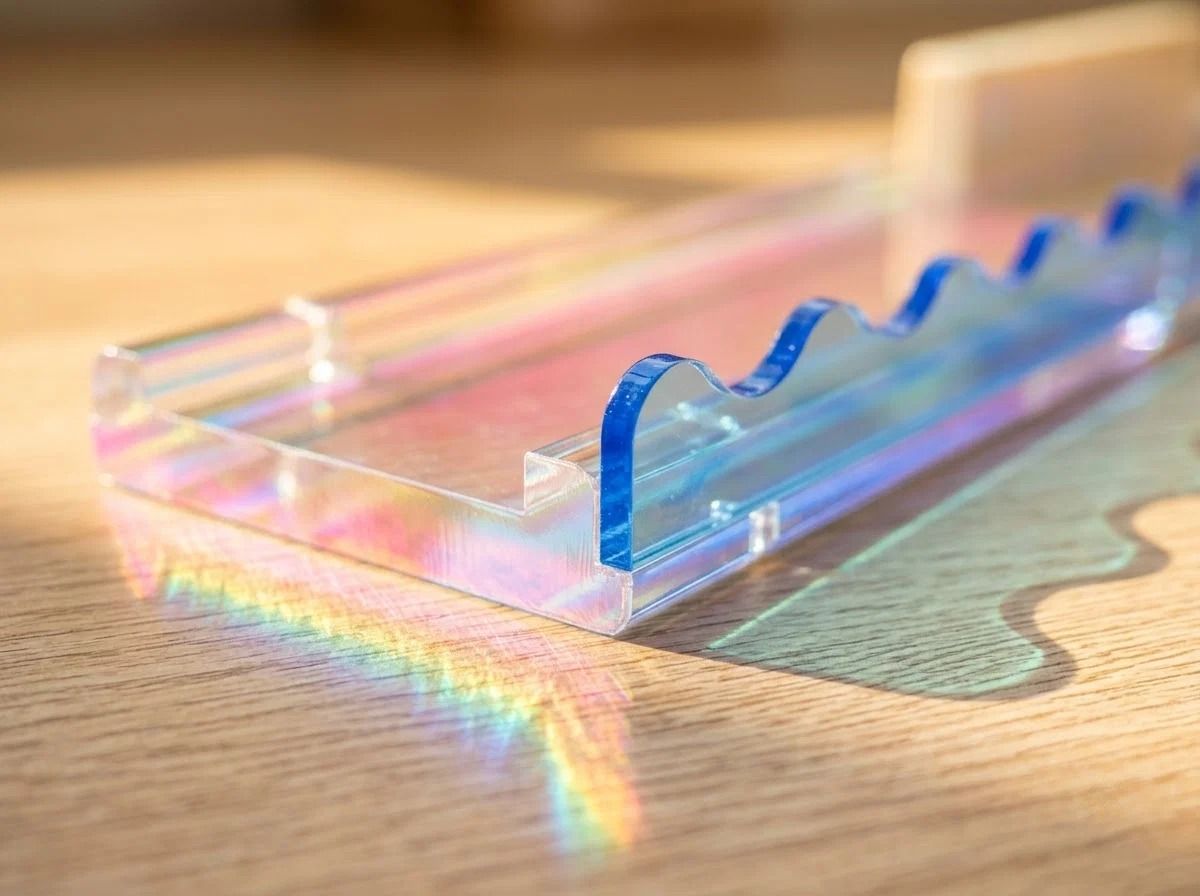
Four racks with pushers are mandatory in American mahjong—they hold tiles upright, hide your hand from opponents, and let you draw and discard cleanly. Poor racks have loose pushers that fall out, shallow slots that spill tiles, or plastic that cracks within months. Good racks grip tiles firmly, slide smoothly, and survive years of weekly play. The pusher (a thin stick) lets you advance a tile forward to signal it's ready to play, reducing table chatter and speeding the game. If your racks are flimsy, you'll re-grip tiles constantly, pushers jam, and frustration builds. Most Mahstead sets include sturdy racks designed for repeated use; upgrading racks alone is possible, but bundling them with a set is cheaper. If you're adding to an old set, check mahjong racks with pushers separately.

What mat and bag features matter most?
Your mat is where tiles live for hours every week. A thick, woven bamboo or cotton mat resists spills, reduces tile noise, and lasts. Thin felt mats fray at edges and bunch under tile weight. A reversible mat (different colors or patterns on each side) adds variety without buying two. Edges should be sewn, not glued—glue fails first. A good mahjong bag has reinforced handles, a secure zipper, and interior pockets for dice or scorecards. If you play at one house always, a mat alone suffices. If you move sets between venues, a padded bag protects tiles and racks during transport. Mahstead mats and bags are tested by weekly players; they ship flat and tolerate decades of rolling and unrolling.
How do I compare sets side by side before buying?
Use this checklist to compare options fairly:
Tile material and thickness: acrylic (8mm+) vs. plastic (thinner) vs. bone/bamboo (heavier).
Tile face clarity: sharp engravings that won't blur with use; check photos under light.
Rack quality: do they grip? Do pushers stay in? Can you test them in a video or photo?
Mat thickness and weave: is it reversible? Are edges sewn? What's the base material?
Bag construction: zippered, padded, or soft drawstring? Handles reinforced?
Customization available: do they offer engraving, color options, or size choices?
Shipping and returns: free US shipping is standard; know the return window.
Price range: sets cluster in three tiers—budget, mid-range, premium. Know which tier fits you.
Reviews or player feedback: ask in local clubs or online groups if they've used the brand.
Before ordering, confirm tile count (152 + 8 jokers always), mat dimensions, and whether the set includes a bag. Ask the maker directly if you're unclear—good companies answer questions fast.
✨ Find your Mahstead set — free US shipping →
Which set should I buy for hosting weekly games?
If you host the same four players every Friday, you need durability and aesthetic appeal. Your set will be seen, touched, and relied on for years. A mid-to-premium acrylic set on a quality mat with solid racks is the right choice. If your group values tradition, consider a mid-weight bone or bamboo set—but only if you'll store it carefully. If you want to mark your group's identity, engraved tiles create belonging. A good hosting set should survive 50+ plays per year for at least five years; premium acrylic does this reliably. Budget sets fail within 100 plays (roughly two seasons). The hosting player's investment in a good set often becomes a shared asset—your friends respect the care, and your game feels more meaningful because of it. Mahstead's best-selling collection includes sets chosen by active hosts; those choices reflect real weekly use.
What's the best way to care for your set long-term?
Store tiles in their original box or a sturdy case, away from direct heat and humidity. Never leave tiles unrolled in a mat in a car trunk—acrylic warps in heat, and bamboo mats absorb moisture. Clean tiles with a soft, dry cloth; don't wash them. Mats should be rolled (not folded) and stored in a cool, dry place. If a mat gets damp, unroll it flat to dry completely before rolling again. Racks last longer if pushers are removed and stored separately in a small pouch. Check jokers and tiles quarterly for chipping or missing paint—catching wear early lets you order spare tiles before they run out. A well-kept set stays game-ready for 10+ years; neglected sets fail in three.
What if I need specialty sets for holidays or gifts?
Mahstead offers Christmas mahjong sets and themed designs perfect for gift-givers. A mahjong set is an uncommon, memorable gift for someone who plays or is curious. It signals that you respect their hobby. Themed sets (holiday motifs, school colors, club logos via engraving) show more thought than a generic one. If you're giving to a beginner, include a note pointing them to free online tutorials or a local club—the set alone isn't enough to learn. For someone who plays, a nice set or a new mat upgrade works better than a repeat full set. Check new mahjong arrivals regularly if you gift often; fresh designs rotate in.
What to check before you buy
Tile count: confirm 152 tiles + 8 jokers, never more (extras are spares, not game tiles).
Acrylic thickness: 8mm or thicker resists chipping; thinner tiles break faster.
Mat weave and edges: sewn edges, thick cotton or bamboo, reversible if possible.
Rack grip and pusher function: order from makers who photo-demo racks in use.
Bag durability: zippered, padded, or reinforced handles for frequent transport.
Size: measure your table; standard fits 27"×27", travel fits 20"×20" spaces.
Customization options: ask if engraving or color choices are available before ordering.
Return policy: know the window in case tiles arrive damaged or don't match expectations.
Free shipping: confirm whether shipping cost is built into the price or added at checkout.

FAQ
How many tiles are in a mahjong set?
An American mahjong set contains exactly 152 playing tiles plus eight jokers. The 152 tiles break down into 108 number tiles (Bams, Craks, Dots: 1–9 with four copies each), 16 winds, 12 dragons, and eight flowers. Sets marketed as "160-tile" include spare tiles for replacement but play with only 152 tiles and eight jokers.
What's the difference between American and Chinese mahjong sets?
American mahjong uses 152 tiles, no chows or sequences, and hands from the current National Mah Jongg League card. Chinese mahjong uses 144 tiles and allows chows. Hong Kong uses 152 tiles but different hand rules and scoring. Taiwanese mahjong uses 136 tiles. Buy an American-specific set (Mahstead specializes in these) if you play American mahjong; sets designed for other variants won't work for American game rules.
How much should I spend on a beginner mahjong set?
A solid beginner set costs mid-range; cheap plastic sets fail within a year and cost more to replace. Invest in acrylic tiles at least 8mm thick, a mat with sewn edges, and racks with working pushers. This tier is affordable and reliable. Premium engraved sets are for collectors or hosts marking a milestone—not necessary to learn.
Can I play American mahjong with a Chinese tile set?
No. Chinese sets use 144 tiles, include chow sequences, and have different suits and hands. American sets use 152 tiles and require the National Mah Jongg League card for valid hands. The tile inventories and rules don't translate. Buy an American-specific set.
How do I know if a mahjong set will last?
Check tile material (acrylic 8mm+ lasts longest), thickness consistency, rack construction, mat weave and edge finishing, and maker reputation. Ask if the maker replaces cracked tiles or worn racks. Mahstead sets are tested by weekly players and backed by makers who stand behind their work. Avoid unmarked sets from unknown sellers.
What's the best way to transport a mahjong set?
Use a mahjong bag with reinforced handles and padding. Roll the mat (don't fold it), secure the racks in an interior pocket, and keep the box or a pouch for loose items. Never leave a set in a car trunk in direct heat; acrylic warps. Travel sets fit smaller bags and are ideal for multi-venue players.
Do I need all four racks with pushers to play?
Yes. American mahjong requires four racks—one per player. Each player holds 13 tiles (or 14 if you draw first). Racks must have pushers to signal tile readiness and keep the game organized. Damaged racks should be replaced promptly; they're available separately if needed.


View More
View More
View More
