
Mahjong Set for a Mahjong Group: What to Buy and Why
Last updated: Nov 23, 2026
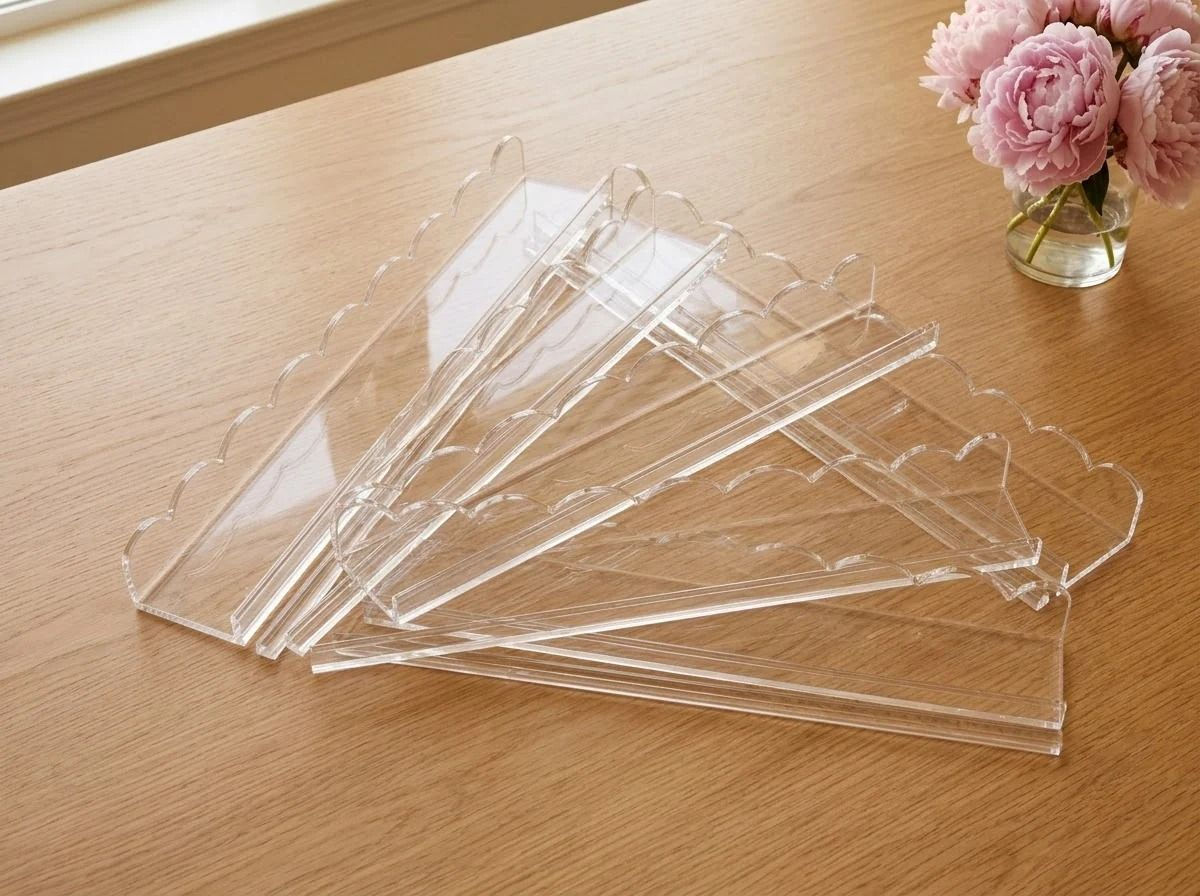
A mahjong set for a group game needs 152 playing tiles plus 8 jokers (spares included in most sets sold today), readable tile faces, and durable acrylic or wood that survives weekly shuffles. The best-selling mahjong sets combine large-print numerals, secure racks with pushers to hold your hand, and a carrying bag if your group rotates homes. Most groups start with one shared set; as you grow to multiple tables, many order engraved sets with a group name or year to avoid mix-ups. Cost varies by material and size, but durability matters more than novelty—a solid acrylic set with pushers typically lasts years of weekly play. Avoid thin tiles that crack, unclear symbols that slow down hand-reading, and sets without jokers or with mismatched accessories. Mahstead ships complete 160-tile sets with free US delivery, making it easy to upgrade your group's gear without shopping locally. 🀄 Shop best-selling mahjong sets →
What does your group actually need in a set?
A four-player game uses one shared set of 152 tiles. Each player draws 13 tiles at the start, one tile is set aside (the dead wall), and the remaining tiles form the live wall. The rack holds your hand so others can't see it. A complete group setup means one set, four racks with pushers, a mahjong mat to protect the table and keep tiles from sliding, and a travel bag or case if you rotate venues. If your group plays weekly in the same home, you don't need a bag; if you meet at different houses, a good case prevents tile loss and keeps the set compact. New groups often buy one deluxe set with mat and racks bundled; established groups add a second set so two tables can play simultaneously, or engraved sets marked with the group name to prevent accidental swaps.

How do you know if a set will last through weekly games?
Durability comes down to tile material and thickness. Acrylic tiles (the most common) should feel smooth and weigh noticeably—too-light tiles often crack after a few months of shuffling. Check the edge finish: burrs or rough corners snag racks and hands. Jokers matter too; if they're printed rather than carved or embossed, the print fades or peels off after weeks of handling. The rack itself should have smooth pushers that glide without jamming and solid pegs that don't wobble. At the table, test by drawing tiles quickly and stacking them—a quality set lets you play at normal speed without tiles sticking or chipping. Mahstead acrylic sets are designed for weekly play; the tiles are carven with clear suits and numbers, jokers are embossed so they don't fade, and racks move smoothly year after year. If your group plays 1–2 times per week, a mid-range set lasts 3–5 years; if you play daily or move the set often, invest in the thicker or premium material offered in the best-selling collection.
Should you get one shared set or one per household?
Many groups start with one set that rotates among homes. This saves money and works if one person volunteers to manage the bag and check tiles before each game. After 6–12 months, groups usually split: each player buys their own set so the hosting player doesn't need to provide gear, or the group buys a second set so two games can run at the same time. Some groups also order engraved sets with the group name or year so they don't mix up tiles at tournaments or multi-table events. If your group has 8–12 regular players and meets weekly, two or three sets is the sweet spot—one stays at each home, and one is the backup. Each set needs its own travel bag or case if tiles move between venues; a mat is shared or each player buys one. Engraved sets also serve as gifts for players joining the group long-term, marking them as members.
🎁 See our most-loved mahjong sets & accessories →

What's the real difference between material types?
Material | Who it's for | Durability | Weight & Feel | Best for |
Acrylic | Weekly casual/social groups | 3–5 years, weekly play | Light, smooth, bright colors | Budget-conscious groups; easy to ship |
Resin or composite | Serious groups, 2+ games/week | 5–10 years, heavy use | Heavier, premium feel | Groups upgrading after 2 years; tournaments |
Wood or bamboo | Display/gift sets or collectors | 10+ years, light handling | Heavy, classic look | Groups wanting heirloom-quality or themed décor |
Plastic (thin) | Beginners, rarely played | 6–12 months | Very light | One-time purchase; not recommended for weekly groups |
The most common choice for active groups is acrylic: it's affordable, ships easily via free US delivery, and handles weekly shuffles without problem. Heavier materials like resin feel luxurious but don't shuffle faster or last longer if cared for. Some groups buy one acrylic set for play and one engraved or wood set for display at home, so pick your primary game set first, then consider a second for appearance.
How do you avoid common mistakes when choosing for a group?
Mistake 1: Mismatched racks or no pushers. A set without racks forces players to hold tiles in their hands—exhausting over 2 hours. Racks with pushers keep your hand hidden and let you slide tiles neatly. Always check the product listing to confirm racks are included; buy racks with pushers separately if needed.
Mistake 2: Unclear tile faces. If numerals are small or symbols muddy, the game slows down while players squint and ask "Is that a Green or White Dragon?" Buy a set with large, carved or embossed numbers and suit marks, and test a photo or sample if ordering online.
Mistake 3: No jokers or wrong count. American mahjong requires exactly 8 jokers; a set without them or with just 4 means you can't play standard hands. Confirm your set includes 8 before buying.
Mistake 4: No carrying solution for a traveling group. If your group rotates venues, a cheap drawstring bag lets tiles spill or get bent. A padded bag or case protects your investment and keeps tiles sorted.
Mistake 5: Ordering without a mat. A cloth mat protects the table, reduces noise, and slows down tile slide. Many groups add one later and wish they'd bought it with the set.
✨ Find your Mahstead set — free US shipping →
What to check before you buy
Tile count: Confirm 152 playing tiles + 8 jokers (160-tile sets include spares).
Joker visibility: Jokers should have clear embossing or printing so you recognize them instantly during play.
Rack smoothness: Push each rack's sliding tiles; they should move without sticking or wobbling.
Tile weight: Feel a sample if you can; heavier tiles usually mean better durability.
Suit clarity: Numbers and suits (Bam, Crak, Dot) should be large and easy to read from across the table.
Delivery timeline: Confirm shipping to your location and arrival window before hosting your first game.
Accessory bundle: If you don't have a mat or racks yet, check whether the set includes them or calculate the add-on cost upfront.
For a group buying together, each player can contribute equally, or one person orders on behalf of all and splits the cost. Mahstead's best-selling sets arrive ready to play—tiles are pre-sorted, racks assembled, and free US shipping means no surprise fees. Many groups order in early spring before the new National Mah Jongg League card is released (every April), so tiles are ready for the season. If you're upgrading an older set, donate the worn tiles to a local library or community center; many offer mahjong programs for beginners who need a shared set.

FAQ
Can a group of 8 people share one set at the same table?
No. American mahjong is always four players. Eight people means two separate tables, so you need two sets (or one set passed between tables, which wastes time). Most active groups with 8+ players buy two sets so two games run simultaneously.
What's the difference between acrylic and resin tiles for weekly play?
Acrylic is lighter, cheaper, and fine for 1–2 games per week. Resin is heavier, more durable, and feels premium, but doesn't play faster or last significantly longer if you rotate sets and care for them. Choose acrylic unless your group plays 4+ times per week.
Do I need a mat if we always play on a table?
A mat is not required but highly recommended. It protects the table from moisture and scratches, muffles tile noise (important if you play early or late), and slows down tile slide so shuffles feel controlled. Many groups add one after the first month and regret not buying it initially.
Should we buy one engraved set for the group and one plain backup?
If you have 4–6 regular players, one engraved set is enough. If you grow to 8+ players or host tournaments, a second set (plain or engraved) lets multiple games run. Engraved sets are also gifts for long-term members or tournament prizes.
What happens if a tile cracks or joker fades?
Single tile replacement is difficult; most groups buy a spare set after 2–3 years and keep the old set as backup parts. Mahstead ships spare jokers and blank tiles with 160-tile sets, so you have backups on hand for minor wear.
Can we use the same set for both American and Chinese mahjong?
No. American sets have 152 tiles, no chows, and jokers built in. Chinese sets have 144 tiles, sequences (chows), and no jokers. If your group plays both, you need two different sets.


View More
View More
View More
