
Mahjong Set Buying Guide: Choose Your Perfect Game
Last updated: Nov 23, 2026
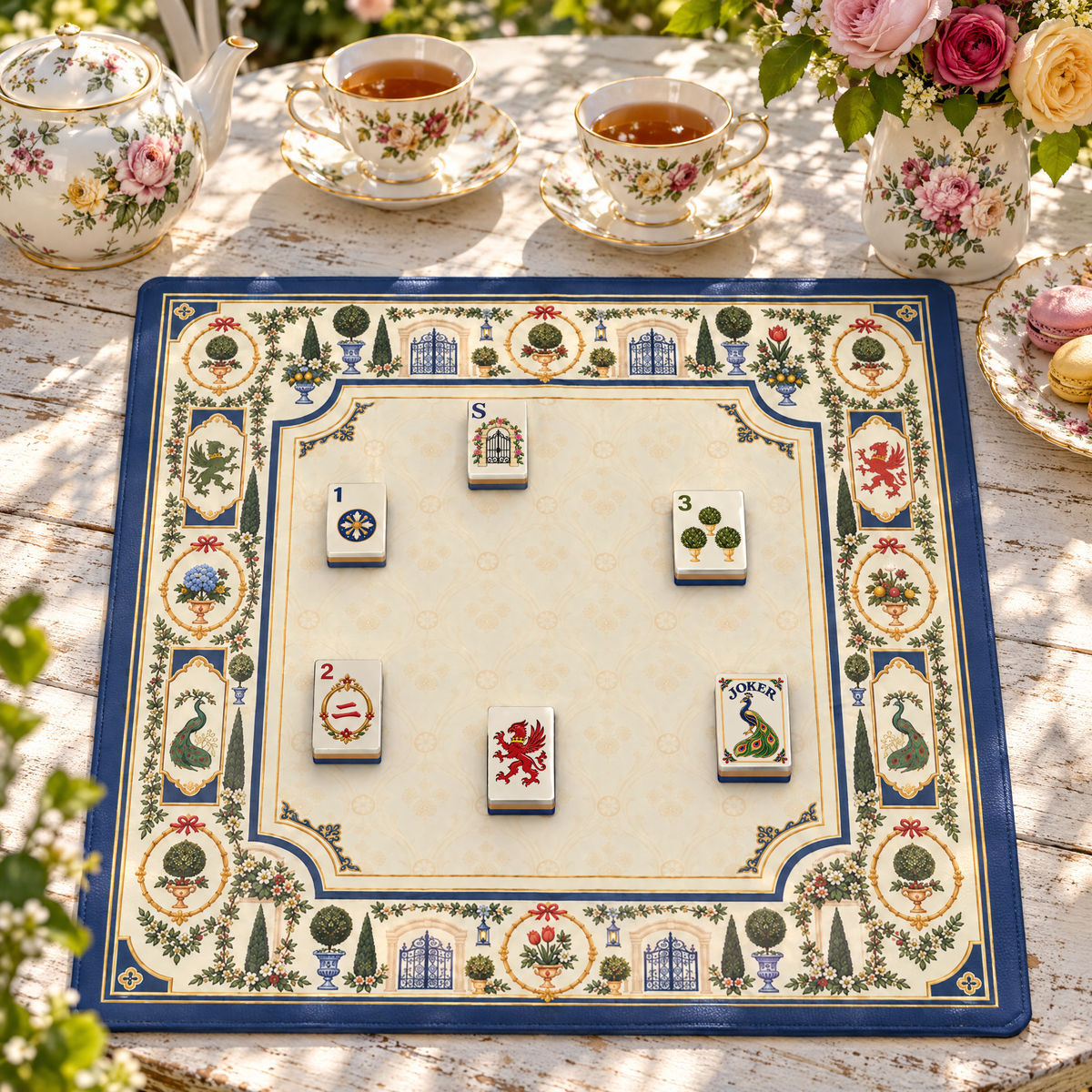
An American mahjong set contains 152 playing tiles (three suits × numbers 1–9 in four copies each, plus winds, dragons, flowers, and jokers) housed in a case you'll open weekly for years. Acrylic tile sets from Mahstead range from classic to personalized, and most buyers choose between ready-to-play collections or sets you customize with engraving. Cost depends on tile finish (matte vs. glossy), artwork, case style, and whether you add mats, racks with pushers, or travel bags. Quality matters: cheaper sets have tiles that stick, crack under shuffling pressure, or wear smooth within months. Before you buy, confirm the set includes 152 tiles plus spares, that the case closes reliably, and that the artwork matches your group's vibe—whether that's traditional symbols, humorous titles, or family names engraved on the case.
🀄 Shop best-selling mahjong sets →
What's actually inside a mahjong set?
You need exactly 152 tiles: 108 numbered tiles (1–9 in three suits—Bams, Craks, Dots—in four copies each), 16 winds (four each of North, East, West, South), 12 dragons (four each of Red, Green, and White), and eight flowers. A standard set also includes eight jokers that you can use as wild tiles to substitute for any tile in a meld. Beyond those 152, you get spare tiles (usually extra jokers and blanks) that live in the case but never go into play—they're insurance if you lose or damage a tile mid-game. The case itself holds everything and should close smoothly without jamming tiles. What's in an American mahjong set explains the job of every tile. Most players never think about spares until they drop a tile or a joker cracks, then they're grateful they're there.
How do you know if the tiles will last?
Acrylic tiles in a well-made set survive shuffling, stacking, and years of weekly play without fading, cracking, or becoming sticky. The finish matters: matte tiles grip better and feel less slippery during the draw, while glossy tiles show artwork detail but can be harder to control if your hands are dry or sweaty. Tile edges should be smooth and beveled so they don't catch on the case rim or your racks. The best test is weight and thickness—a tile should feel solid when you flip it, not hollow or too thin. When you unbox a set, shuffle a few tiles in your hands and listen: cheap sets make a dull clacking sound, while quality acrylic resonates with a clean snap. If the tiles feel oily or smell sharp after weeks of play, the finish is breaking down. Mahstead sets use acrylic that holds up to that weekly game you've been running for ten years.
🎁 See our most-loved mahjong sets & accessories →
Case style: which one fits your life?
Case Type | Who it's for | Best feature | Trade-off |
Wooden case (drawers or hinged) | Players who display their set at home | Looks beautiful on a shelf; solid feel | Heavier, less portable |
Acrylic box with snap latch | Everyday players, weekly games | Opens fast, compact, lightweight | Less formal appearance |
Soft travel bag | Carpool players, moving homes | Fits in a car trunk, protects tiles in transit | Not as rigid; doesn't store neatly on a shelf |
Hard case with foam inserts | Collectors, tournament players | Tiles organized in trays, maximum protection | Expensive, overkill for casual play |
Most home game groups use wooden or snap-latch cases because they're reliable and don't require special handling. If you're hosting weekly, the case will be opened and closed thousands of times, so pick one with hinges or latches that don't bind. Travel bags work best if you rotate who hosts or if you live in an apartment without permanent display space. Check that your chosen case closes without forcing tiles to jam or bend—a case that's too tight will eventually crack tiles or warp the lid.
Artwork and personalization: what's worth customizing?
Engraved American mahjong sets let you add names, titles (like "Fabulous at Forty" or "Grandma's Game"), or inside jokes to the case or lid. Some players love having their set instantly recognizable; others prefer anonymity or traditional tile art. Personalization doesn't change gameplay—it's purely about identity and the joy of opening a case with your name on it. If your group rotates whose house hosts, shared artwork (say, all four players' names) matters more than a solo engraving. Some designs are timeless (symbols, family crests); others date quickly (trend-specific slogans). A good rule: if the joke wouldn't make you smile three years from now, skip it. Blank tiles and custom artwork take longer to produce, so factor that into your timeline—don't order a personalized set one week before game day.

Do you need mats, racks, and extra gear?
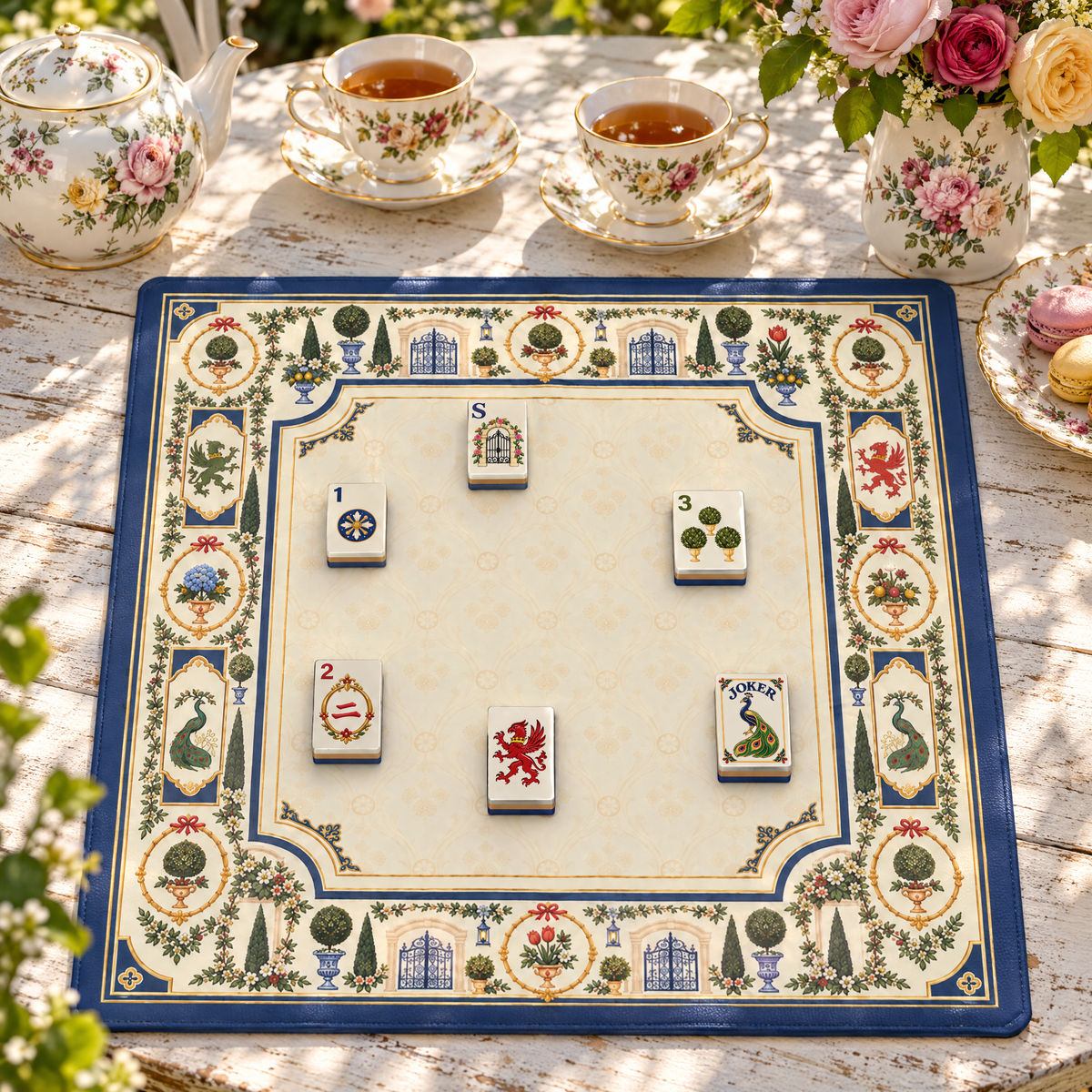
A mahjong set works solo—just tiles and a case. But mahjong mats and racks with pushers improve play speed and reduce hand strain. A mat gives you a clean, defined wall and draw space, keeps tiles from sliding off the table, and sounds quieter than wood. Racks let players build and hide their hands without holding tiles, and pushers help shuffle without dropping. Travel bags protect your set during transport and keep mats from rolling up. Beginners often skip these—a kitchen table works fine. But if you're hosting weekly and your tiles are scattering or someone's wrist hurts from holding a heavy hand, add a mat and racks next. Many of our most-played sets eventually travel with a bag and sit on a mat by month three.
What to check before you buy: a checklist
152 tiles confirmed: Count or confirm the product page states 152 tiles (never buy a set advertised as "approximately" that number).
Case closes without jamming: Open and close the case five times in person if possible; if ordering online, read buyer feedback about latch reliability.
Spare tiles included: Look for the phrase "extra jokers" or "spare tiles" in the description—these are your safety net.
Tile finish matches your table style: Matte for grip, glossy for show. Pick one and stick with it across accessories (mats, racks).
Artwork or engraving is timeless or meaningful to you: Joke sets are fun; make sure the joke lands in 2028.
Shipping timeline fits your play schedule: Custom or engraved sets take longer. Plan ahead if you're a gift-giver.
Return or damage policy: Confirm Mahstead's guarantee if a tile arrives cracked or the case is DOA.
✨ Find your Mahstead set — free US shipping →
Comparing price and value: when to spend more
Budget sets (entry-level acrylic) work fine for learning; mid-range sets (quality acrylic, better finish) become long-term keepers; premium sets (engraved, custom cases, or rare artwork) are gifts or investments. Price correlates with tile durability, case build, and artwork detail—not with how well you'll play. A beginner wins as often on a budget set as a pro does on an expensive one. Spend more if your group will play weekly for years, if you're gifting, or if a set's artwork means something (family theme, inside joke, tournament memory). Spend less if you're testing the hobby, if you're a casual player, or if budget is tight. Mahstead's best-selling collections balance durability and cost; many players buy a second set once they've worn through the first, so buying premium only makes sense if you know you're committed.
New arrivals and seasonal themes: timing your purchase
Mahstead releases new mahjong arrivals throughout the year, and Christmas mahjong sets appear seasonally. If you're not hunting for a specific design, waiting for a new release might yield a set that speaks to you more than what's in stock now. Seasonal sets make great gifts because they carry a sense of occasion. Standard designs are evergreen—they won't sell out or go out of stock. If you see a set you love, buy it; custom and limited-run artwork can disappear. A set purchased this month ships with free US delivery, so timing isn't about logistics—it's about availability and mood.

FAQ
Can I use a set I buy online before the National Mah Jongg League card comes out each spring?
No. American mahjong hands come only from the current year's League card. Sets bought in winter can't be played until the new card is issued in spring. If you're a beginner and want to learn before then, buy or borrow a set and study how to read the card and practice shuffling.
Do all mahjong sets have the same number of tiles?
American mahjong sets contain 152 playing tiles plus spares. That's the standard. Sets sold as 160 or 166 tiles are still 152 tiles in play; the extra tiles are spare jokers or blanks you never use in a game.
If my set has 152 tiles, why would I need a second set?
You don't, unless you want a backup for damage, a gift, or a different design. Most home games use one set per group.
What's the difference between matte and glossy tiles?
Matte tiles have texture and grip better; glossy tiles show artwork detail and reflect light but can feel slippery. Either works; it's personal preference and table conditions.
Can I engrave my name on a set that's already been made?
No. Engraving is typically done during production. If you want a custom set, order it that way; don't try to engrave a finished set yourself.
Do I need a mat, racks, and a bag, or can I just buy the set?
The set alone is enough to play. Mats, racks, and bags make play smoother, faster, and less straining. Add them when you feel the need or budget allows.


View More
View More
View More
