
Garden Mahjong Party Ideas: Host & Decor Guide
Last updated: Nov 23, 2026
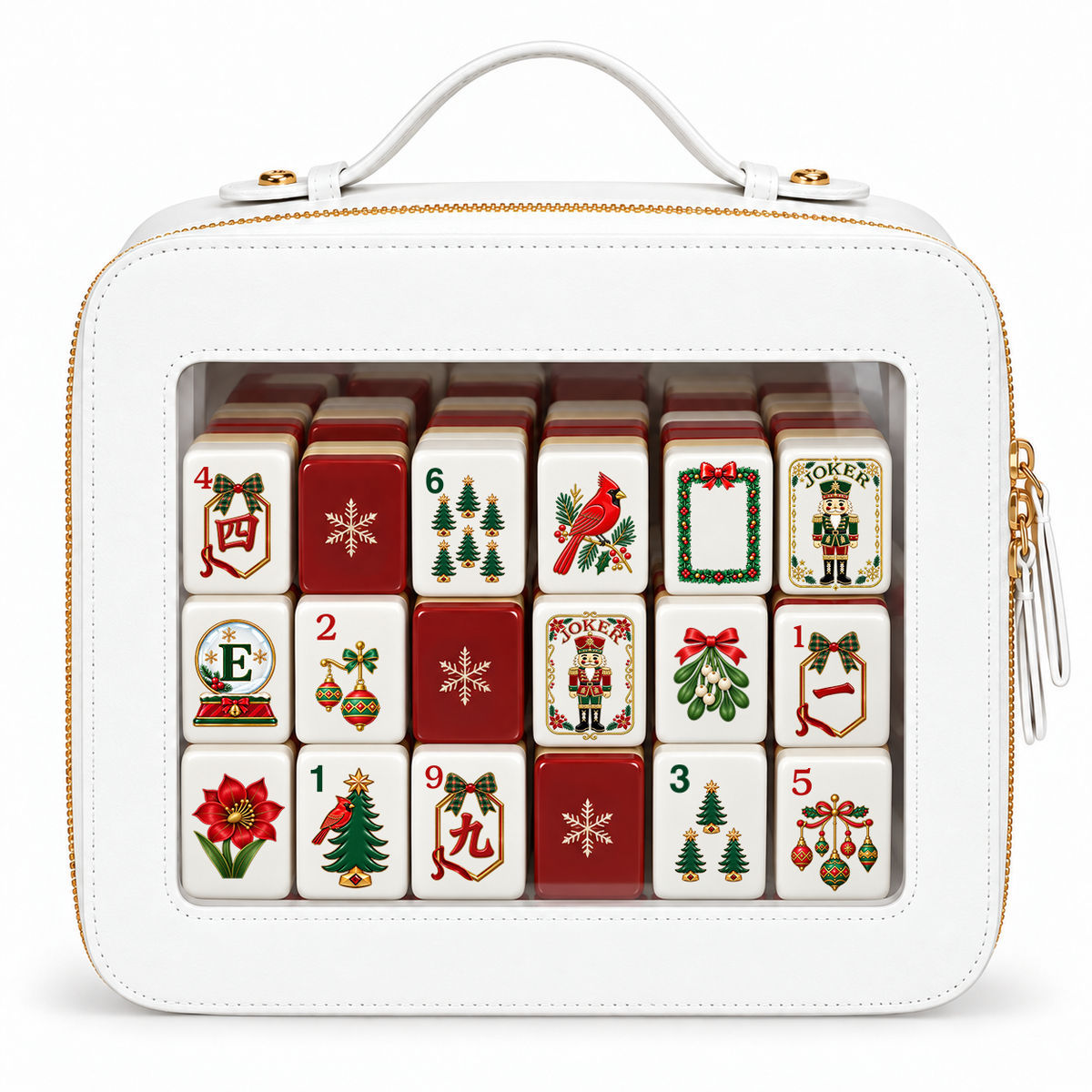
A garden mahjong party works best on a shaded patio or covered gazebo with a sturdy table, one or more complete sets (152 tiles + 8 jokers per game), mats to protect tiles from sun damage, and seating for four players per table with room to stand and lean. Plan three to four hours; invite experienced players or teach newcomers the basics beforehand. Bring a best-selling mahjong set in durable acrylic (not bone), a mat to shield tiles from UV and moisture, and refreshments in shaded coolers. Avoid direct sunlight on the playing surface, check weather forecasts, and arrange backup indoor space in case of sudden rain. The total cost depends on how many tables you'll run and whether you're buying new sets or using existing ones from your group.
A garden party needs more than four players and a deck of cards—it needs a plan. We've hosted dozens of outdoor mahjong afternoons, and the difference between a chaotic afternoon and a smooth, happy one comes down to three things: shade, comfort, and equipment that won't warp or fade in minutes.
What's the ideal garden setup for a mahjong table?
Mahjong demands concentration, so your outdoor layout must balance openness with protection. Position a sturdy folding or permanent table under a patio umbrella, awning, or gazebo; direct sun bounces off white tiles and strains eyes within minutes. Allow three feet of clearance on all sides so players can stand, stretch, and rotate tiles comfortably. Each player needs their own edge, so a 36–48-inch square table works for four adults. If you're running two tables, space them six feet apart so conversations don't bleed into both games.
Elevation matters too. A table on level ground drains rainwater; one on a slope collects it. Test your spot with a bucket of water the morning of the party.

How do you protect tiles and mats outdoors?
Acrylic tiles (not bone or bamboo) withstand temperature swings and moisture better than natural materials. However, UV light yellows white tiles and fades printed suit symbols over months. Engraved American mahjong sets from acrylic hold up better because the design is integral, not printed on the surface. A quality mahjong mat does two jobs: it cushions tiles so they don't crack on a hard table, and it reduces glare. Bring the mat indoors after each session. Never leave tiles sitting in full sun between games.
🀄 Shop best-selling mahjong sets →
Moisture is your real enemy. If a tile gets wet, wipe it dry immediately and stand it upright so water doesn't pool on the face. Store tiles in a ventilated bag or case indoors overnight. If tiles stay damp for hours, mold and mildew can take hold in the groove where the bat divides the joker.
What's the guest comfort checklist for a four-hour garden party?
Your players will sit, lean, and stand for stretches of 45 minutes to an hour per game. Here's what matters:
Shade: Provide umbrellas or a tent for the table and for the waiting area.
Seating: Use sturdy chairs with back support, not stools. Bring extras for kibitzers.
Water: Set out a cooler within arm's reach of the table; keep glasses off the playing surface.
Restrooms: Know where the nearest toilet is and ensure it's accessible; outdoor parties sometimes leave guests scrambling.
Lighting: If the party stretches past 5 p.m., string lights above the table so players can read tile pips. Tiles glow differently under artificial light, so bring a spare mat and set of tiles indoors for comparison if needed.
Weather plan: Check the forecast the night before. If rain is above 30% probability, set up a tent or have an indoor backup room ready.
Newcomers tire faster mentally than experienced players, so schedule a 15-minute break every 90 minutes for water, snacks, and small talk.

Which mahjong sets work best for outdoor parties?
Comparison of materials for garden play:
Material | Durability | Glare | Moisture Resistance | Appearance | Best for |
Acrylic, modern | Excellent | Medium | Excellent | Clean, bright | Garden & travel |
Acrylic, engraved | Excellent | Low | Excellent | Sophisticated, durable | Outdoor regulars |
Bone/bamboo | Good | Low | Fair | Heirloom feel | Covered decks only |
Plastic | Fair | High | Good | Bright colors | Casual/rental |
Acrylic sets resist temperature swings (50–85°F is typical for garden play). If you're hosting regularly in the same spot, an engraved set becomes a fixture—its design won't fade, and the investment pays off over years. For one-off or occasional garden parties, a standard best-selling acrylic set delivers reliability without breaking the bank.
🎁 See our most-loved mahjong sets & accessories →
Avoid sets marketed as "all-weather" or "outdoor-grade" unless they come from a known mahjong supplier; most are gimmicks. Stick with acrylic from a maker who has been selling to serious players for years.
How do you organize multiple games and keep score outdoors?
If you're hosting more than four players, you'll need two tables and a rotation system. Here's a practical framework:
Assign seats by skill level (if mixed). Pair stronger players with learners so games move at one pace.
Keep one scorecard per table on a clipboard, anchored so wind doesn't blow it away. Better: assign a scorekeeper who stays seated between hands so scores stay accurate.
Use jokers from the spare set if anyone loses one. Every set from Mahstead includes extras for this reason.
Rotate tables every two hours so players meet new opponents and take mental breaks.
Call time clearly. Announce the final hand 30 minutes before end time so no one starts a game they won't finish.
A timer (phone alarm, kitchen timer) keeps games from running long. One hand typically takes 20–30 minutes with experienced players; 45–60 with learners.
What decoration and hospitality touches make it memorable?
Mahjong nights thrive on small gestures. Serve tea, lemonade, or wine in a shaded station 10 feet from the table—close enough for players to grab between hands, far enough to avoid spills. A bowl of citrus-scented hand towels lets guests refresh between rounds. If you're hosting a recurring garden group, consider racks with pushers so players don't strain their hands holding tiles for hours—this detail separates casual parties from thoughtful hosting.
Décor is minimal by necessity. Skip tablecloths that obscure the mat or snag tiles. If you want visual interest, string lights overhead, use napkins with a mahjong motif, or add potted plants to the perimeter. The focus is the game, not the setting.
Playlist: Background music should be soft (jazz, classical, ambient) and low-volume so players can hear each other call hands. Turn it off during hands if the group prefers silence.
What to check before you buy
Table height: Standard dining tables (29–30 inches) work fine. Confirm yours lets all four players sit comfortably and reach the center tiles.
Tile visibility in sunlight: Acrylic tiles can look faded or overly glossy in certain light angles. Test your chosen set under the exact shade or lighting you'll use.
Mat size: Match your mat to your table. A mat that's too small bunches up; one too large hangs off and catches on chair legs. Measure your table's interior dimensions first.
Spare tiles: Confirm your set includes extra jokers and blanks in case of loss or damage during outdoor play.
Storage: Plan where you'll keep tiles between sessions. A humid garage or basement is risky; an air-conditioned closet is ideal.
✨ Find your Mahstead set — free US shipping →

FAQ
How many mahjong sets do I need for eight people?
Two complete sets (152 tiles + 8 jokers each) and two tables. Run two simultaneous games of four players, or rotate pairs of tables every 90 minutes if you want everyone to play together for the same duration.
Can I play mahjong outdoors in cool or cold weather?
Yes. Acrylic tiles perform well in 40–90°F. Below 40°F, tiles can become brittle and crack if dropped. Above 90°F with direct sun, they may warp slightly; use shade and mats consistently. Bring tiles indoors to room temperature before storing them overnight in cold weather.
What if it rains during the party?
Move the table into a covered space (porch, garage, awning) immediately. Wipe any wet tiles with a soft cloth before play resumes. If water gets inside the case or bag, wipe the interior and leave it open to air-dry indoors for 24 hours. Don't seal wet tiles into storage.
Do I need a special mat for outdoor mahjong?
A standard interior mat works outdoors under shade. However, if your table is outdoors for hours, a mat protects tiles from UV degradation and temperature shifts. After the party, bring the mat and tiles inside to dry and cool gradually.
How do I teach newcomers without slowing down experienced players?
Host a 20-minute tutorial before the first hand. Teach the basic hand format, how to call, how jokers work, and how draws happen. Run their first game with an experienced player coaching from the side. Beginners accelerate fastest by playing alongside veterans; pure observation rarely works in a garden setting where focus is divided.
What's the best time of day for a garden mahjong party?
Mid-morning (10 a.m.–noon) or late afternoon (3–6 p.m.). Morning sun is in the east, afternoon in the west; choose your side and position the table accordingly. Avoid 1–3 p.m. when overhead sun creates harsh shadows and glare even under umbrellas.


View More
View More
View More
