
Mahjong racks with pushers for seniors: our buying guide
Last updated: Nov 23, 2026
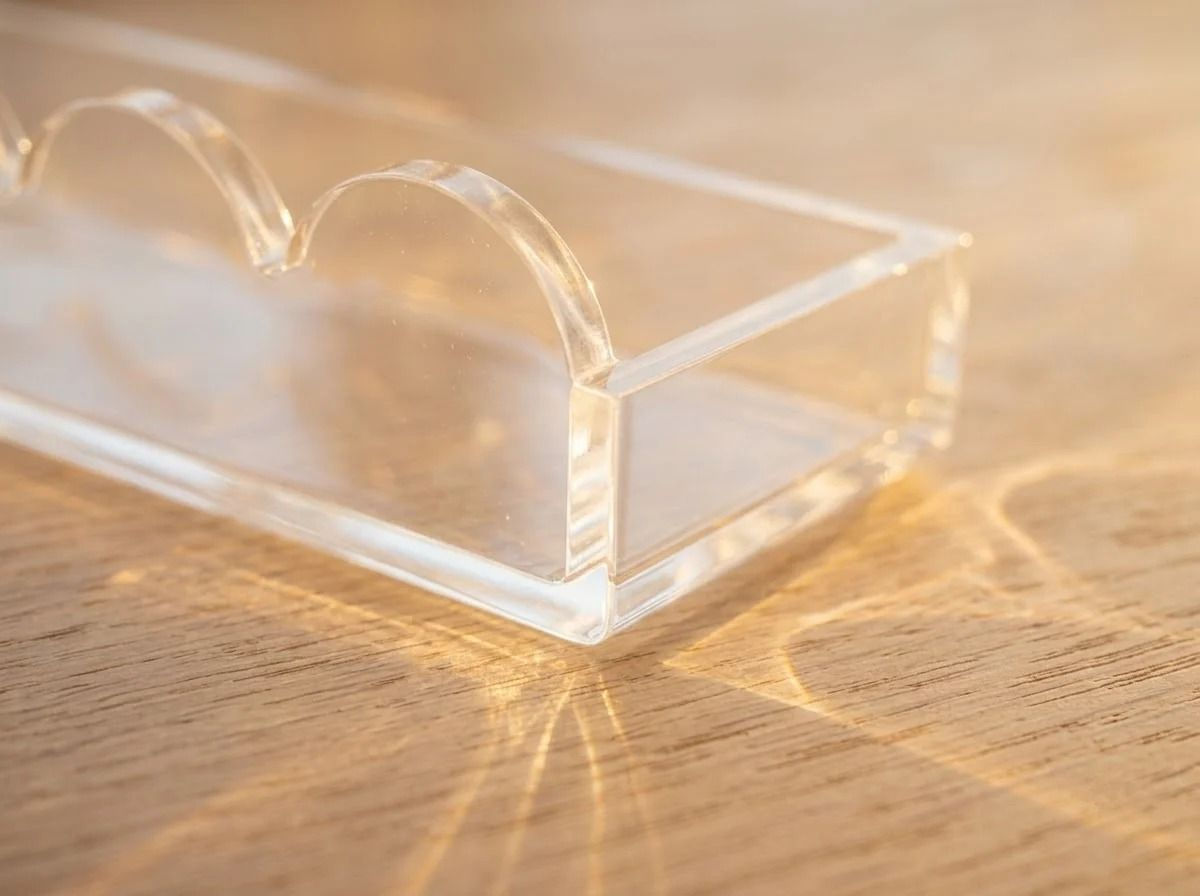
A mahjong rack with pushers is a wooden or bamboo holder—typically 7–10 inches long—that stands upright on your side of the table and holds your exposed tiles while you manage your hidden hand separately. The integrated pusher lets you slide tiles forward to display them without lifting, protecting your wrists and fingers from repetitive stress. Racks are especially valuable for seniors who play regularly: they eliminate the need to angle tiles in hand, reduce fumbling with small pieces, and create a stable visual barrier between your hand and the table. Mahstead's collection includes designs suited to players with varying dexterity and table space—from compact angled racks to wider models with smoothly gliding pushers. Pricing varies by material and pusher mechanism; see the product page for current options. Most racks fit standard American 152-tile sets.
Why do seniors benefit from a rack with pushers?
A rack eliminates the most common physical barrier seniors face: managing tiles in hand while protecting arthritic joints. You keep your closed hand separate from the exposed rack, dramatically reducing repetitive wrist flexion. The pusher mechanism—a smooth slider built into the base—lets you advance tiles one at a time without gripping or lifting. Over a 3-hour game, this prevents the cumulative hand fatigue that often sidelines regular players. For players managing tremor, reduced grip strength, or simply preferring a cleaner play style, the rack transforms comfort from a nice-to-have into a game-changer.
What types of racks work best for different hand sizes and mobility levels?
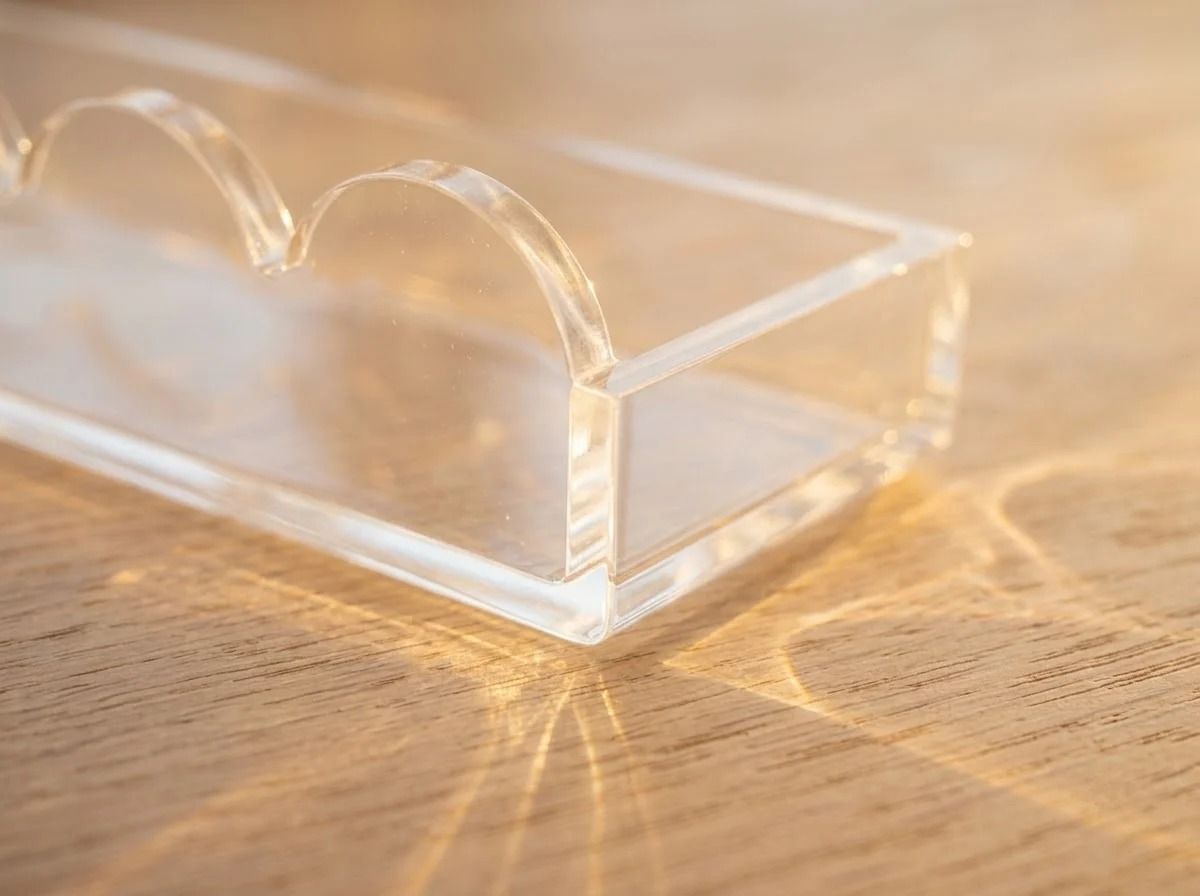
Racks come in two main layouts: angled (tiles slope toward you at 15–30 degrees, needing less wrist bend to read) and flat-base (tiles stand upright, requiring slightly more neck motion but saving table space). Pusher design also varies: grooved wooden pushers slide smoothly on felt or cork bases, while some models feature ball-bearing or nylon runners for minimal friction. Length ranges from 7 to 10 inches; shorter racks suit players with limited hand span or tremor, while longer racks let you spread tiles further apart for easier counting.
Rack type | Best for | Key advantage | Trade-off |
Angled, grooved pusher | Arthritis, wrist stiffness | Minimal wrist angle; smooth pusher | Needs 8–10 inches of table space |
Flat-base with ball runner | Limited hand strength | Very light pusher action | Taller tile profile; harder to see all tiles at once |
Compact (7") angled | Small hands, limited space | Fits tight tables; easy to grip | Fewer tiles visible; more frequent shuffling |
Full-length (10") flat | Visual learners, tremor | Spreads tiles clearly; precise pusher | Tallest footprint; requires more arm reach |
Browse our collection of mahjong racks with pushers →
What should you measure before ordering a rack?
Before buying, measure three things: (1) available table edge space (from the table rim to your lap)—add 1–2 inches clearance on either side so you don't bump neighbors; (2) your preferred tile spread width—hold a hand of 14 tiles and note how wide they feel comfortable; (3) your sitting posture—if you naturally sit upright with arms low, an angled rack saves neck strain; if you lean into the table, flat-base racks work equally well. Most racks are 7–10 inches long and 3–4 inches tall; the pusher adds another 1–1.5 inches depth when extended. A tape measure and a few test tiles from a best-selling set let you confirm fit before purchase.
🀄 Shop best-selling mahjong sets →
How does the pusher mechanism affect comfort and speed?
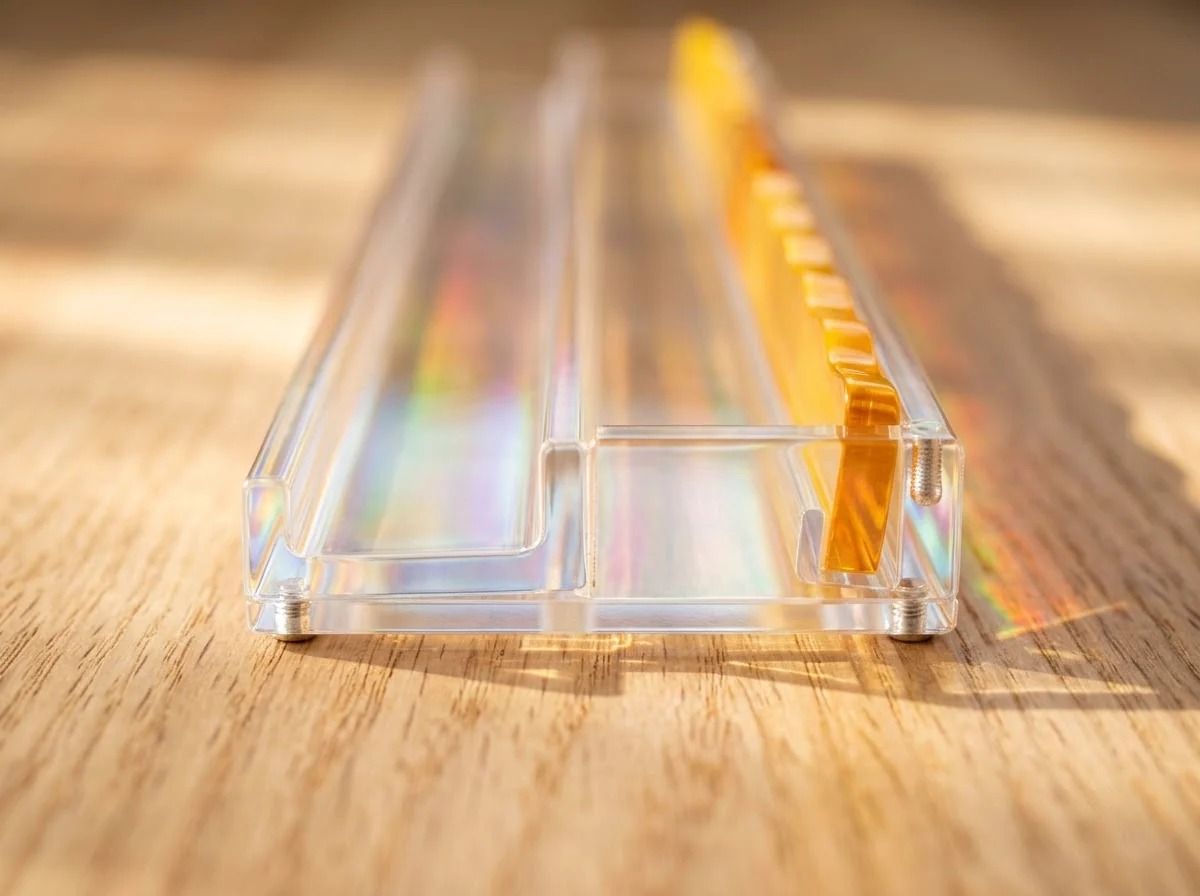
The pusher is where racks earn their value. A well-designed pusher should glide smoothly with your thumb—minimal pressure needed—and stop where you release it (no drift or stickiness). Grooved wooden pushers on cork or felt bases offer tactile feedback and work reliably in humid climates; they require occasional wiping but rarely jam. Ball-bearing or nylon runners reduce friction further, ideal if you have weak thumb strength or arthritis; they're faster but can feel less "controlled" if you're used to traditional play. Width matters too: a pusher narrower than your tile width (about 1.25 inches for standard American tiles) risks sliding tiles unevenly. Test the pusher action before committing; some racks have adjustable resistance, allowing you to tighten or loosen the track as your comfort changes.
Which rack style suits your existing setup?
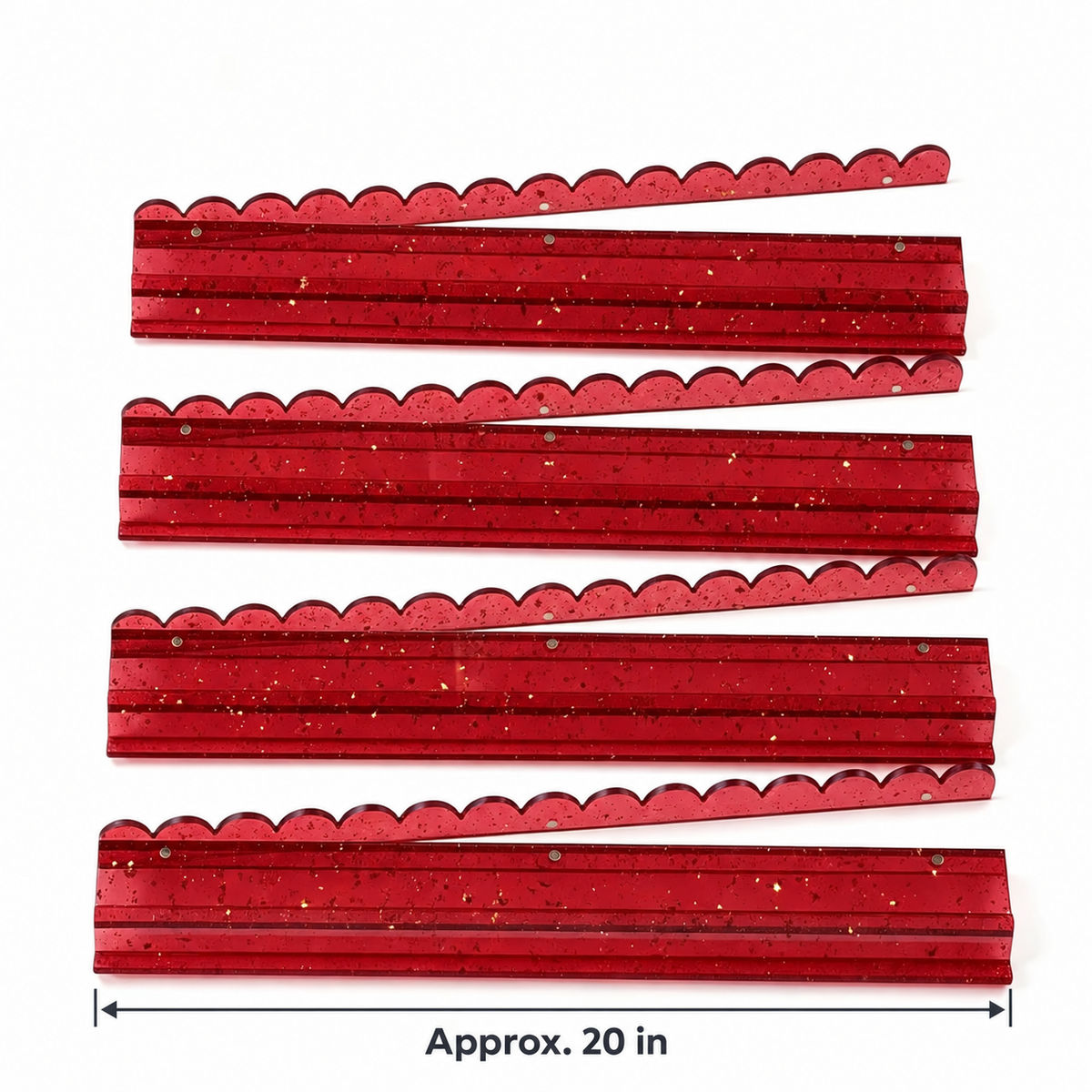
Your choice depends on three factors: game frequency (casual monthly games vs. weekly competition), table type (permanent mahjong table, dining table, or folding surface), and storage (dedicated cabinet, closet bag, or travel case). Racks designed for permanent tables are heavier and more ornate—they're meant to live on a table between games. Racks for casual/traveling players are lighter and sometimes collapsible. Most racks stack or nest for storage; a few come with matching mahjong bags and cases so you can transport racks and sets together. If you're hosting weekly games, consider buying a rack set (four matching racks, one for each player) so every person experiences the same comfort level and the table looks intentional and organized.
🎁 See our most-loved mahjong sets & accessories →
What to check before you buy
Before ordering, verify these specifics:
Tile compatibility: American standard tiles are 1.2 × 0.8 inches; confirm your rack's tile slot width matches (should be 1.3–1.4 inches, allowing slight wiggle).
Pusher smoothness: If possible, handle a demo rack or watch a video; the pusher should move with just thumb pressure, not require a full-hand push.
Base material: Cork or felt bases grip felt playing surfaces; wood bases work on smooth surfaces but may slide on fabric mats—check your mat material first (see our mat comparison guide).
Scuff resistance: Racks scratch over time; lighter woods show marks faster than darker finishes.
Portability: If you travel to games, weigh is the rack (most are 4–8 oz per rack) and whether it fits your bag alongside a set.
Mahstead's racks are designed for acrylic American tiles and work smoothly on standard felt mats. See the product page for exact dimensions and materials.
✨ Find your Mahstead set — free US shipping →
FAQ
Can a rack with pushers work with both American and Chinese mahjong sets?
American racks are sized for 1.2 × 0.8-inch tiles. Chinese tiles are smaller and heavier; they may rest unevenly in American racks or jam the pusher. If you play both variants, buy racks separately for each set.
Do I need one rack per player or can we share?
You need one rack per player at the table. Sharing one rack forces players to hold all tiles in hand during their turn, defeating the rack's comfort benefit. Most serious players buy a full set of four matching racks.
Will a rack slow down the game?
No. Racks actually speed play slightly: since tiles are organized and easily visible, players call exposures faster and make decisions quicker. The pusher action takes one second per move.
What's the difference between a pusher and a tile rack without one?
A tile rack holds tiles vertically but requires you to lift and move them by hand. A pusher is a built-in slider mechanism that lets you advance tiles without touching them, protecting your hands and joints. Racks with pushers cost more but offer measurably better comfort.
Can seniors with arthritis use a rack if they have limited thumb strength?
Yes. Look for racks with ball-bearing or nylon runners, which require minimal force to operate. Test the pusher action in person if possible, or order from a seller offering returns. Racks with adjustable track tension give you flexibility as your strength varies.
How do I clean and maintain a rack with a pusher?
Wipe the base and pusher monthly with a soft, dry cloth to remove dust and debris. If the pusher becomes sticky, gently clean the track with a slightly damp cloth and air-dry. Avoid oils or lubricants, which attract dust. Store racks in a cool, dry place; extreme humidity can warp wood.


View More
View More
View More
