
Mahjong vs Hand and Foot: Which Game to Learn First?
Last updated: Nov 23, 2026
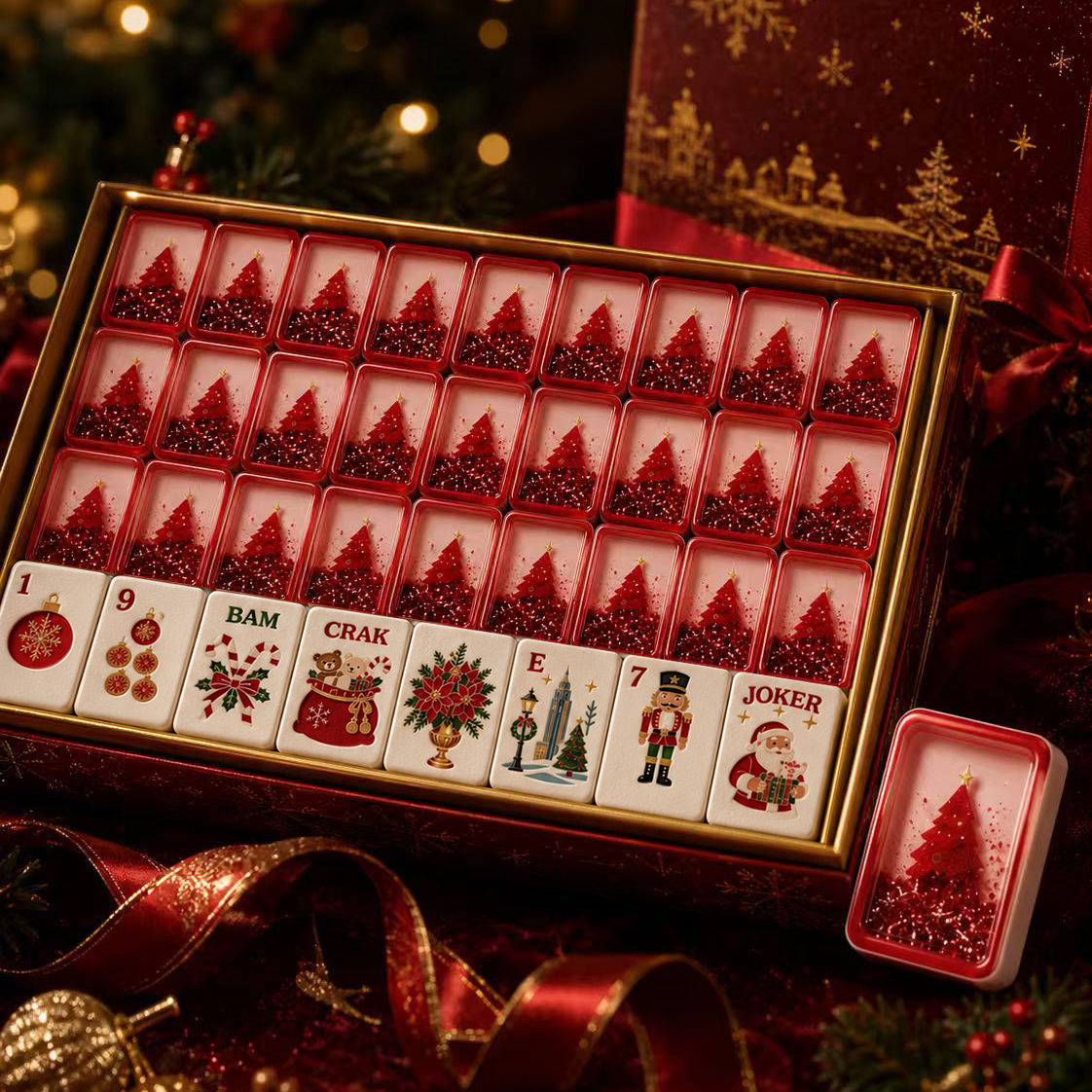
Hand and Foot is a rummy-based card and tile game played with melding sequences and sets across two hands; Mahjong—specifically American Mahjong—uses 152 tiles, enforces hands from a yearly league card, and requires the Charleston (tile-pass ritual) before play. Hand and Foot typically involves 4 players, sequences of 3+ consecutive numbers, and jokers that substitute freely; American Mahjong has no sequences (only identical sets called pungs, kongs, quints or sextets), jokers cannot appear in single tiles or pairs, and hands are drawn from the current year's National Mah Jongg League card. Both last 1–2 hours, but Mahjong demands memorization of one card per season, while Hand and Foot uses printed scoring sheets. If you want a tactical, patterned game with a fixed ruleset that doesn't change, Mahjong suits you; if you prefer creative melding and negotiable house rules, Hand and Foot is more flexible. The beginner barrier is roughly equal—both have a learning cliff at first, then rapid fluency.
Hand and Foot and American Mahjong share the vibe of a social, competitive tile game played with four people for a couple of hours. Both reward memory, quick counting, and reading your opponents. But they're genuinely different games—not variants of the same thing. The confusion often comes from the fact that both games use jokers, involve melding, and have a scoring element. Once you know the core mechanics, the choice becomes about which fits your circle and brain better.
What's the basic turn structure in each game?
In American Mahjong, your turn is simple: draw one tile, then discard one tile. You're always working to match one hand from the yearly card. You call a pung (3 identical tiles) or kong (4 identical) when someone discards what you need, or draw from the wall. The game ends when one player completes a hand and goes "Mahjong"—that is, they've assembled 14 tiles that match a single pattern on the current season's card. In Hand and Foot, players take their turn drawing from stock or discard piles, then melding sets or sequences onto the table, adding to runs they've already laid. A "meld" in Hand and Foot is 3+ consecutive numbers (like 5-6-7 of Bams) or 3+ identical ranks; you build sequences over multiple turns. Hand and Foot ends when one player empties their hand and stock first. The pacing feels different: Mahjong is snapshot (finish one hand and score), Hand and Foot is cumulative (you're stacking melds across 15+ rounds).

How do jokers work differently?
American Mahjong treats jokers as wildcards that can represent any tile in a pung, kong, quint or sextet—but a joker cannot appear in a single tile, a pair, or all by itself. This limits their use sharply. If you need the 5 Bam, a joker can fill that slot in a 5-5-5 Bam pung, but you can't use a single joker as a wild fifth tile. Hand and Foot allows jokers (often represented by printed cards or wild tiles) to substitute for any card in any meld, including sequences and sets, with far fewer restrictions. You can use a joker as the "2" in a 1-2-3 sequence or as any rank in a set of three. The strategic feel is very different: in Mahjong, holding a joker is powerful but constrained; in Hand and Foot, jokers are flexible wildcards that speed up melding.
🀄 Shop best-selling mahjong sets →
What do you need to learn—memory or strategy?
American Mahjong demands rote memory of one card per year. At the start of each season, the National Mah Jongg League publishes a new card. That card lists all valid winning hands for that year—roughly 75–100 patterns. Before your first game, you need to read that card fluently: can you spot a pattern like "2468 Like Numbers in Winds" in 3 seconds? That fluency takes 5–10 games to build. The rules don't change; the card does. Hand and Foot requires strategic play: you're constantly deciding which melding sequence to play next, whether to hold cards for a big run or play fast, when to "go out" (empty your hand), and how to read the table. The rules stay the same year to year, but every hand is tactically unique because you're creating melds live, not matching a pre-set pattern. If you love pattern recognition and rule consistency, Mahjong is for you. If you enjoy real-time decision-making and adapting to what's on the table, Hand and Foot feels less rigid.
What's the social dynamic?
American Mahjong has a fixed seating rule: East is the starting player, and positions rotate each hand. This means roles change, and every player gets an equal turn going first. The game is moderately social but rule-driven—disputes are settled by the card, and house rules are minimal. Hand and Foot is more social and flexible. House rules vary widely by group (some allow replays, some let you trade cards with a partner, some have different payouts for special hands). Turns can feel longer because players are actively building on the table, and casual table talk is common. If you like a precise, consistent experience wherever you play, Mahjong is portable; if you enjoy a game that bends to your group's style, Hand and Foot is more customizable.

Comparison: Quick decision matrix
Factor | American Mahjong | Hand and Foot |
Player count | Exactly 4 | 2–6 (often 4) |
Tile setup | 152 tiles + 8 jokers | Playing cards or tiles (60–108) |
Core mechanic | Match fixed patterns from yearly card | Create sequences and sets freely |
Joker use | Rigid (no singles/pairs) | Flexible (any meld) |
Turn length | 5–10 seconds typically | 15–30 seconds (more choices) |
Game length | 1–2 hours (16 hands typical) | 1–2 hours (15+ rounds typical) |
Learning curve | Steep pattern recognition, then flat | Gentler tactics, then deeper strategy |
Rule consistency | Identical across groups | Varies by house rules |
Gear required | Mahjong set (160 tiles), card, mat optional | Playing cards or Hand and Foot tiles, score sheet |
Which game should you try first?
Start with American Mahjong if: you have a group of four regular players ready to commit to weekly games; you like rules that don't change (the yearly card is the only variable); you enjoy memorizing patterns; or you want to join an organized league. The learning hump is real (first 3 games feel chaotic), but after that, growth is fast and predictable. Many community centers, synagogues, and senior groups in the US run weekly Mahjong circles.
Start with Hand and Foot if: your group is flexible about player count; you prefer making strategic decisions on the fly rather than memorizing; house rules feel fun rather than annoying; or you want a game that plays almost anywhere with minimal setup. Hand and Foot is less formally organized in the US, so you'll likely play in a home game or friend group rather than a league.
To get going with American Mahjong, you'll need a 160-tile acrylic set from our best-selling collection, the current National Mah Jongg League card (available online or from league retailers), and optionally a mat. For Hand and Foot, you need playing cards or a Hand and Foot deck, and a pencil and paper for scoring.
What to check before you buy
If you're leaning Mahjong:
Confirm your group plays American Mahjong (not Chinese or Riichi, which have totally different tile counts and rules).
Check what year's card your group is using (cards change each spring).
Buy a 160-tile set only—never a 144-tile or 166-tile variant for American play.
Ask if the group has house rules for Charleston or bonus scoring (they should be documented).
If you're leaning Hand and Foot:
Ask whether your group plays with a standard 60-card deck or a specialized Hand and Foot deck.
Confirm how many rounds and hands you'll play (house-rule variable).
Check if your group allows replays or table trades (not universal).
🎁 See our most-loved mahjong sets & accessories →
Once you've chosen your game, the next step is playing it consistently. Mahjong and Hand and Foot both reward habit; after 5–10 sessions, the learning barrier drops dramatically. The real decision isn't which game is "better"—it's which one your people are already playing. If no one in your circle plays either, American Mahjong is easier to introduce because the rules are fixed and the league has official resources. If you have a Hand and Foot group nearby, jump in there instead.
For a full beginner's guide to American Mahjong rules, mechanics, and setup, see Mahjong for beginners.
✨ Find your Mahstead set — free US shipping →

FAQ
Can I play American Mahjong with a Hand and Foot deck or vice versa?
No. American Mahjong needs exactly 152 tiles in three suits (Bams, Craks, Dots) plus winds, dragons, flowers and jokers. Hand and Foot typically uses 60 standard playing cards or a specialty deck. They're incompatible; using the wrong deck breaks the game.
Do I have to memorize the entire mahjong card before my first game?
No, but you should learn 5–10 common hand patterns before playing. Your group will help you spot patterns during early games. Full card fluency takes 5–10 sessions; after that, you read it naturally.
Is American Mahjong harder for beginners than Hand and Foot?
Both have a learning cliff. Mahjong is steeper up front (pattern recognition feels abstract), but flattens quickly after 3 games. Hand and Foot feels gentler at first but has deeper tactical layers that take longer to master.
Which game is more popular in the US?
American Mahjong has formal leagues (National Mah Jongg League) and organized clubs nationwide. Hand and Foot is played primarily in friend groups and home games; fewer organized leagues exist. Availability varies by region.
Can I play American Mahjong with fewer than four players?
American Mahjong is designed for exactly four players. Variants exist for 2–3 players, but they require rule modifications and aren't standard; most groups play only with four.
Is the yearly card change a big deal?
Yes. Each March, the league releases a new card with new hands. Old cards become invalid; you must buy or download the current card to play in any sanctioned game. This is by design—it keeps the game fresh—but means you can't use a friend's old card.


View More
View More
View More
