
How to Host a Country Club Mahjong Party
Last updated: Nov 23, 2026
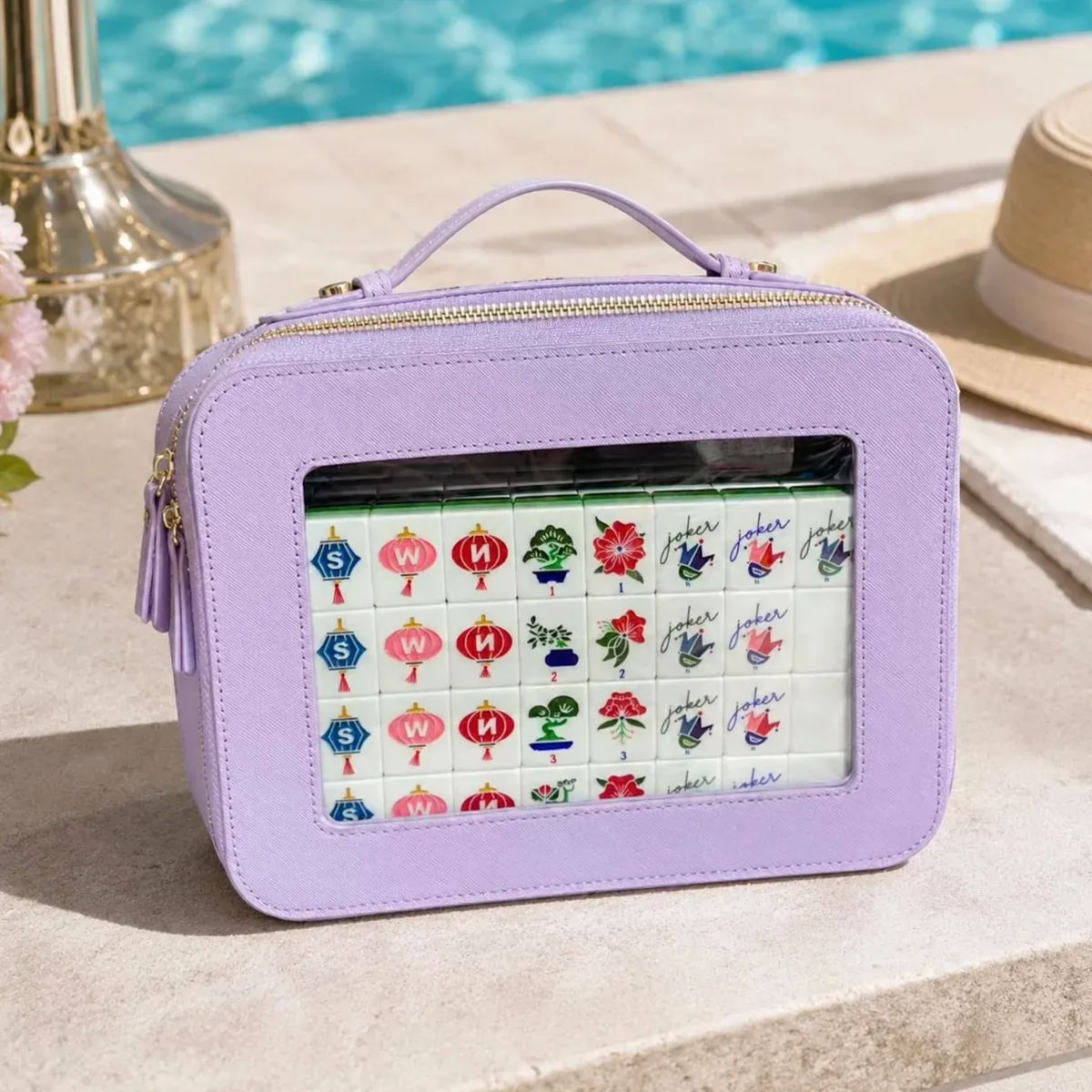
A country club mahjong party works best with one table per four players, a dedicated room or patio area reserved in advance, and clear start/end times (usually 2–4 hours). You'll need four best-selling mahjong sets—one per table—plus mats, racks, and score sheets. The National Mah Jongg League card for the current year (2026) must be available at each table. Arrange seating so experienced players mentor newer ones, handle the Charleston tile-passing ritual before first hand, and plan breaks every 6–8 hands to refresh snacks and drinks. The biggest mistake is overcrowding tables or mixing rule variants mid-event; agree on American mahjong rules upfront, confirm all players own or have access to the current card, and brief the room on pace before play begins. Most country clubs charge a small room fee or ask members to co-host; check club policies on outside food and alcohol before inviting guests.
How do you reserve and set up the space?
Contact the club's events coordinator 2–3 weeks ahead. Request a private dining room, card room, or covered patio with four sturdy tables (30"–36" round or square, hip-height ideal), chairs, good lighting, and plug access if you want soft background music. Arrive 45 minutes early to wipe tables, lay mats, arrange racks and dice, set out score pads and current-year cards, and test any sound equipment. If the club provides linens, ask for neutral colors that contrast with tile backs—avoid busy patterns that distract the eye during play. Confirm restroom access and water stations. Poor lighting and wobbly tables kill the mood and lead to misdeals; these details matter as much as the tiles themselves.
Who should you invite and how do you manage a skill mix?
Invite a balance: 1–2 very experienced players, 2–3 intermediate, and 1–2 newer players per table, rotated if multiple rounds occur. Send invites 3 weeks out; ask responders to note their skill level honestly and confirm they own or will learn the current National Mah Jongg League card rules before the event. Avoid mixing beginners with ultra-competitive veterans at the same table; the energy burns out fast. Seat the strongest player and a beginner as partners if your club plays partnership mahjong, or arrange East/West/North/South so no table feels lopsided. A brief 15-minute group briefing before tiles are drawn—covering pass/exposure rules, what jokers can't do, and expected pace—prevents argument spirals mid-game.
What equipment do you need at each table?
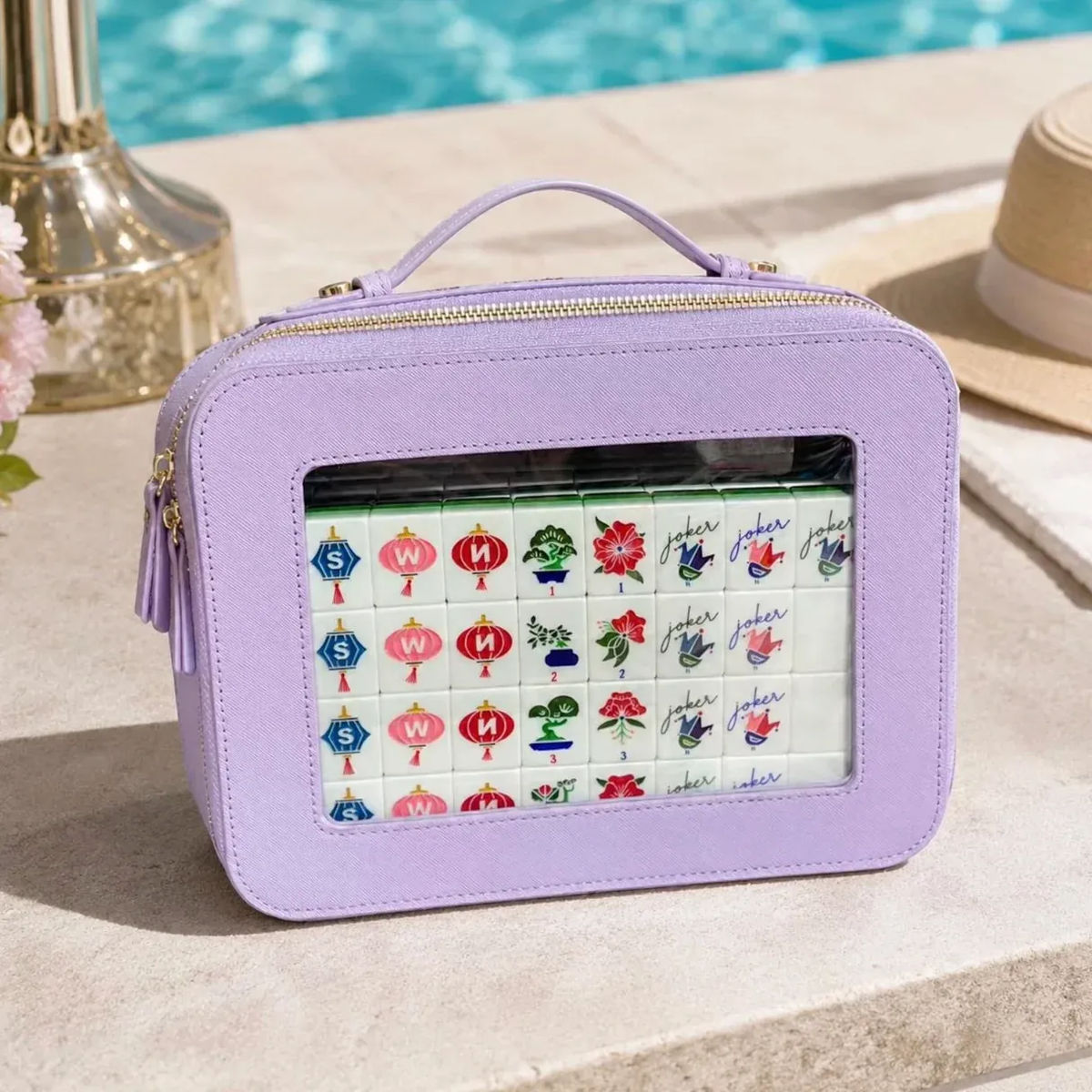
Each table requires one mahjong set (152 tiles plus spares), a mat, four racks with pushers, two dice, pen and score pad, and the 2026 National Mah Jongg League card in readable condition (laminated if possible). A mat keeps tiles from sliding and defines play boundaries; our mats are sized to fit most tables and come with non-slip backing. Racks protect hands from view and keep tiles organized—non-negotiable for a polished event. If you're hosting multiple tables, label each set with a table number or themed name so borrowed sets get returned to the right spot. Bring extras: one backup set, two spare dice, and three spare racks in case someone forgets theirs or a tile cracks. A country club setting calls for quality gear; cheap racks wobble, mats wrinkle, and worn tiles breed confusion.
🀄 Shop best-selling mahjong sets →
How do you set the tempo and keep the night on track?
Brief the room before play: East seats shuffle first, the Charleston passes tiles left-right-across in exact order (not improvised), players draw in true turn order, and no one draws early or calls out of sequence. Announce an 8-hand round per table (roughly 20–30 minutes), then a 10-minute break for snacks and socializing. Use a gentle alarm or phone timer so breaks don't balloon. One host should float between tables to answer rules questions, spot misdeals early (wrong tile count, wrong pass direction), and keep the mood light. If a hand stalls—someone can't find a legal hand—give them two minutes to confirm, then void and deal fresh. Nothing kills a country club event like one table waiting 15 minutes while another plays fast. Clear pace rules upfront; most groups agree: a player has 15 seconds to discard after drawing. Enforce it gently with humor, not a stopwatch.

What are the biggest hosting mistakes and how do you avoid them?
Mistake | Why it happens | How to fix it |
Players use old card rules | Members assume prior years' hands are valid | Confirm everyone has the 2026 card before invites; distribute a PDF or lend copies |
Tiles get mixed between sets | Four tables, similar tile backs, end-of-night chaos | Label each set's bag or box with table number; recount before guests leave |
One table dominates the room | Fast play combined with no break schedule | Announce rounds and breaks; gently pause fast tables if others lag |
Misdeals go unnoticed | New players unsure of correct tile count | Assign one "house player" who counts opening draws; ask dealer to recount before play |
Joker confusion erupts mid-hand | Jokers can replace tiles in pungs, kongs, etc., but not singles or pairs—rule gets muddled | Print a one-page joker rule sheet; post at each table |
No score tracking | Players lose track; settle bets verbally and walk away | Provide a pre-printed or digital score pad; collect one at round end as a tiebreaker |
The most preventable error is lack of clarity on rule variants. If you're mixing players from different clubs, one might swear jokers work differently in their variant—they might play Hong Kong or Chinese rules outside the American frame. At a country club event, commit to American mahjong rules only, announce it during invites, and don't negotiate mid-game. Secondly, never assume all players have the current year's card in their head; laminate a copy and tape it to each table's mat frame. Finally, don't let tiles pile up loose on tables; use racks with pushers so hands stay hidden and organized, especially if there's wine or cocktails in play.
🎁 See our most-loved mahjong sets & accessories →
How do you handle post-game cleanup and set care?
Before guests leave, recount all 152 tiles from each set and return spares to their bag or case. Cracked or chipped tiles should be set aside and replaced before the next event. Wipe mats with a dry cloth (water can warp paper backing); store flat in a closet or under a bed. Pack racks and dice in the same case as the set so nothing gets lost. If the club provides tables, wipe them down, fold linens, and confirm with the events coordinator about any damage or missing items. A broken tile or missing pusher is cheap to replace now; letting it slide breeds bigger loss later. If you plan a second event, email a thank-you and a note on which sets or racks performed best—this feedback helps the club and you prepare even faster next time.
What should you do to personalize the event?
Consider an engraved set or Christmas-themed tiles if this is a recurring annual party; members will remember the set by name or design. A small gift bag for the evening's winner—or the most improved player—adds warmth without budget pressure (a bookmark, a pen, even a printable certificate). Play a playlist of light jazz or lounge music at conversation level (not loud enough to distract play). Offer wine or mocktails at breaks, not during hands. A laminated score keeper card or a printed house rule card with your club's logo feels professional and saves future confusion. These touches signal that you care about the experience, not just moving tiles.
✨ Find your Mahstead set — free US shipping →
What to check before you buy or borrow sets
Tile count: Confirm 152 tiles per set (jokers and blanks are spares, never added to play).
Rack condition: No warping, springs click and hold, pushers slide smoothly without catching.
Mat grip: Back side is non-slip; corners lie flat on the table.
Card clarity: 2026 National Mah Jongg League card is readable (lamination is ideal, especially if food/drink is nearby).
Dice: Both roll freely; no dents or stuck dots.
Bag or case: All tiles fit securely for transport; no loose rattle that signals missing pieces.
Set aesthetics: Design and tile color match the club's vibe and feel (modern acrylic, classic bone, themed tiles—your call).
If you're buying rather than borrowing, an acrylic set with matching travel bag or case is durable, easy to clean, and portable between venues. Acrylic ages well; scratch-resistant backs mean your set looks fresh for years. Most country club hosts eventually purchase a personal set to avoid rental fees and scheduling conflicts.

FAQ
Can I host a mahjong party outdoors at the country club?
Yes—if the patio or terrace is covered or shaded and the table surface is stable. Wind can scatter light tiles, so choose a sheltered spot and weigh down the card or score pad. Bring extra dice in case one rolls away. Evening outdoor events need good lighting; ask the club about light posts or portable stands.
How many sets do I need if I expect 12 players?
Three sets (one per table of four players). Bring one backup set in case tiles crack or a set gets spilled. Label each set so borrowed sets return to the same table and don't get mixed up at night's end.
What if a player doesn't know the current National Mah Jongg League card?
Send a digital copy or lend a laminated one well before the event. Offer a quick 10-minute tutorial during setup on how to read the card, match patterns, and recognize joker placement. New players often need this; experienced players can mentor at the table during early hands.
How do I handle scoring if players want to bet or play for friendly stakes?
Check your country club's policy on gambling before inviting guests; many clubs prohibit it or have strict limits. Use the standard American mahjong scoring on the card (point values vary by hand type and winner). Assign one player per table to keep a running score, or rotate the scorekeeper role each round. Settle bets only after all hands are confirmed and tiles are recounted.
Should I provide drinks and snacks, or does the club cater them?
Ask the club what's included with the room rental. Many country clubs include bar service or allow you to order from their kitchen. If you're bringing outside food, confirm the policy first. Offer water, coffee, and light snacks at breaks to keep energy up; heavy meals slow play or make players sleepy.
What's the best time of year and time of day to host?
Spring and fall have mild weather if you use outdoor space. Afternoon (2–5 p.m.) or early evening (6–8 p.m.) work best; late night tends to scatter attendance. Avoid major holidays or club events. Give members at least three weeks' notice; many plan vacations or prior commitments. Weekend afternoons draw the strongest turnout.


View More
View More
View More
