
Mahjong Party Ideas in Memphis: Host, Learn & Play
Last updated: Nov 23, 2026
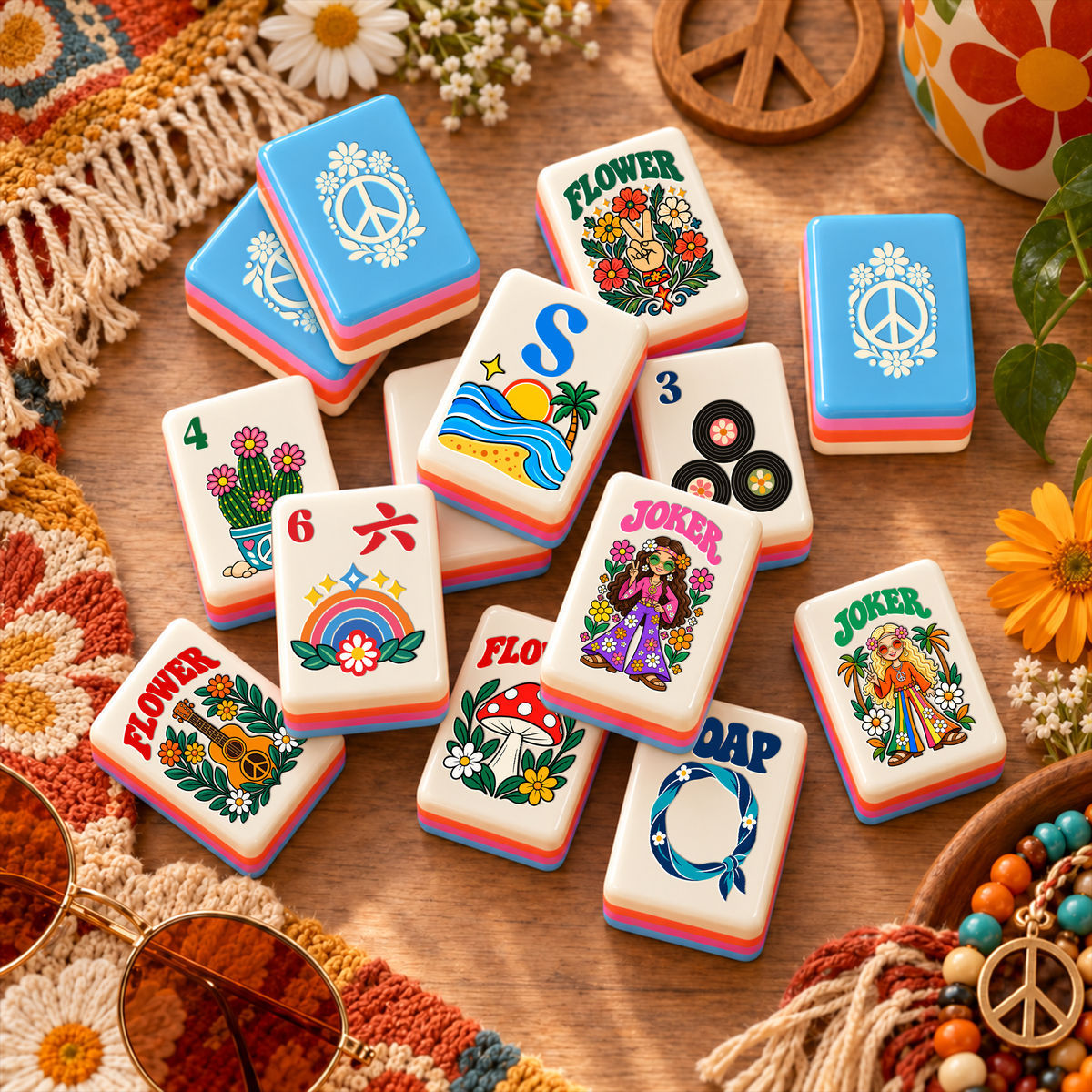
Memphis has active mahjong players through community centers, libraries, and Jewish congregations—call ahead to ask about drop-in games or clubs. A typical game needs exactly four players, one 152-tile American mahjong set (we recommend our best-selling acrylic collections for durability at home games), and a mat to protect your table. Each hand takes 15–30 minutes; a casual party session runs 2–3 hours. Costs depend on your set choice, but a complete engraved set with mats and racks creates an inviting atmosphere and makes tile reading easier under party lighting. To start: learn the basics from the current National Mah Jongg League card (refreshed each spring), teach your guests during a practice Charleston (the tile-passing ritual), then deal and play. Common mistake: mixing house rules—American mahjong has strict rules for jokers, sequences, and valid hands; stick to the official card to avoid confusion during play.
What's the best way to find mahjong players in Memphis?
Start with your city's public library system—librarians can direct you to regular game groups or bulletin boards listing meetups. Community centers, particularly those serving older adults or Jewish populations, often host open games or can recommend local clubs. Ask at country clubs if you're a member; many have established games. Check community Facebook groups, Meetup.com, and neighborhood Nextdoor boards for informal gatherings. Visit local synagogues or cultural centers during public events and ask staff directly. Most established players are welcoming and remember being newcomers themselves.
🀄 Shop best-selling mahjong sets →

How do I host a beginner-friendly mahjong party at home?
Set up in an evening (ideally Thursdays or Friday nights) with space for four players around a table, one full American mahjong set, a scoring pad, and printed copies of the current League card. Invite three friends, explain that you're all learning, and start 30 minutes early for a practice game. Have snacks and water—long hands drain concentration. Use a mat to protect your table from tile wear and dust; it also keeps tiles from sliding during the Charleston shuffle. A quiet space (no loud TV) helps players think. Teach the Charleston first (the pre-game tile exchange), then walk through one complete hand together before keeping score officially. You'll make mistakes—that's normal. Laughter matters more than perfection at a party.
What equipment makes hosting easier?
A quality mat with grid lines keeps tiles organized and protected during the fast Charleston shuffle. Racks with pushers let players hold and move tiles efficiently, especially if anyone has mobility concerns—much easier than holding 14 loose tiles. An engraved set with clear tile faces (high-contrast numbers and suit symbols) prevents squinting under regular home lighting. Bags or cases protect your set between games and make transport simple if you ever host at a friend's home or travel. A scorepad designed for American mahjong avoids confusion over points. Our best-selling mahjong sets include acrylic tiles in classic designs or engraved with Memphis-themed motifs—a personal touch that impresses guests and signals you're serious but fun about the game.
Equipment | Why it matters | Hosting impact |
Mat | Protects table, contains tiles during shuffle, grid aids tile counting | Guests see you're prepared; game runs faster |
Racks with pushers | Players can organize and hide tiles easily; easier on hands | Longer, more comfortable games; less fatigue |
Engraved set | Clear face reading; durable acrylic lasts years | Looks professional; catches light better in dim rooms |
Case or bag | Protects tiles; easier transport | You'll host more games if setup/cleanup is quick |
Scorepad | Correct scoring formulas printed; no argument over points | Games finish with smiles, not disputes |
What's the biggest mistake new hosts make?
Mixing rule variants. Some players learned from a friend who played "house rules"—allowing chows (sequences), different joker rules, or outdated hand patterns. American mahjong is standardized: hands come only from the current National Mah Jongg League card (issued every spring); jokers cannot be used in a single tile or pair; only pungs (3), kongs (4), quints (5), and sextets (6) can be exposed. If guests don't agree on the card, play becomes chaotic. Before the party, print the current League card and announce upfront: "We're using the official 2026 card—here's a copy for each of you." Veteran players will respect this. Beginners won't know the difference, and you'll avoid the awkward 20-minute argument mid-game about whether a hand is valid. If your guests have played elsewhere, do a quick "rules alignment" chat during snacks.
🎁 See our most-loved mahjong sets & accessories →

How do I teach the rules without boring everyone?
Start with the concept: you're building a hand from the current card, drawing and discarding tiles, and hoping to "make" a valid hand faster than your opponents. Explain the Charleston once, then do it live with real tiles—people learn by doing, not listening. Teach the four winds (East, West, North, South) and explain that East goes first; let each player take a turn. Deal one practice hand; show everyone how to match their 13 tiles to patterns on the card. On the actual hand, talk through your moves: "I'm looking for the 2026 card's Bam pattern; I need three matching Craks, so I'll discard a Dot." When someone makes a hand, stop and verify it together on the card—peer learning sticks better than lectures. Keep a pen handy to mark the card. Play hand two and three with minimal interruptions; by hand four, people find their rhythm. Our guide for beginners covers all core concepts in plain language if you need a refresher before the party.
What's a realistic timeline for a Memphis mahjong party?
Plan 2–3 hours for four players: 15 minutes arrival and setup, 30 minutes explanation and practice Charleston, then 8–12 hands at 12–18 minutes each, plus 10–15 minutes of chat between rounds and cleanup. If all four players are genuinely new, add another 30 minutes for slower play and more questions. If two are experienced and two are new, trim 15 minutes. Experienced groups finish a hand in 10–12 minutes but play longer into the evening. Serve food early; tile dust gets on fingers, and crumbs on tiles are nobody's friend. A simple checklist: test your set before guests arrive (all tiles present, mats rolled flat, light is adequate, snacks set out, League card printed), do the Charleston once as practice, then keep play rolling. You'll host better parties the second time—muscle memory is real.
✨ Find your Mahstead set — free US shipping →
What to check before you buy
Set condition: Acrylic tiles should feel smooth, without rough edges or air bubbles—inspect them when they arrive. Any cracked tile disqualifies the set for serious play; contact the seller immediately.
Mat fit: Measure your table first. Standard mats fit tables 36–60 inches wide; if you have an unusually large or small table, note dimensions before ordering.
Tile readability: Order a sample or visit a game group to see the font size and color contrast in person. Under home lighting, some designs are harder to read than others.
Tile count: American mahjong uses exactly 152 tiles in play. Sets labeled "160-tile" include spare tiles—never add extras to the deck or play becomes invalid.
Complete inventory: You need four copies of each number tile (1–9) in all three suits (Bams, Craks, Dots), 16 winds, 12 dragons, 8 flowers, and 8 jokers. Check the product description to confirm before buying.

FAQ
Do I need four players, or can fewer people play mahjong in Memphis?
American mahjong is designed for exactly four players. Three-player and two-player variants exist but use modified tiles and rules; they're less common and harder to learn. Stick with four for your first parties.
Where do I get the current National Mah Jongg League card in Memphis?
Most libraries carry it free or at low cost. Online retailers sell it year-round (new card issued each March). Your local game group will have copies. Print the card and keep it at your table—it's your rulebook.
How much does a quality mahjong set cost?
Prices vary widely based on materials and design. See current prices on our product pages for options from acrylic to bone-and-bamboo. A functional American set is an investment in entertainment; quality sets last decades.
Can I use a Chinese mahjong set for American mahjong?
No. Chinese sets have 144 tiles with different symbols and scoring rules. American sets have 152 tiles, use Western suit symbols (Bams, Craks, Dots), and require the official League card. They're two entirely different games.
What if someone's hand has a typo or looks wrong?
Stop and compare to the current card together. If it doesn't match exactly, it's not a valid hand; that player draws again. The card is your referee. Disagreements are rare once everyone has a copy in front of them.
Is there an age limit or disability consideration for parties?
Mahjong is played by kids, teens, and adults into their nineties. If mobility is a concern, racks with pushers help; if reading is hard, choose a set with larger tile faces. Organize games at times and venues your guests can access easily.


View More
View More
View More
