
Mahjong Party Ideas in Madison: Host & Play Games
Last updated: Nov 23, 2026
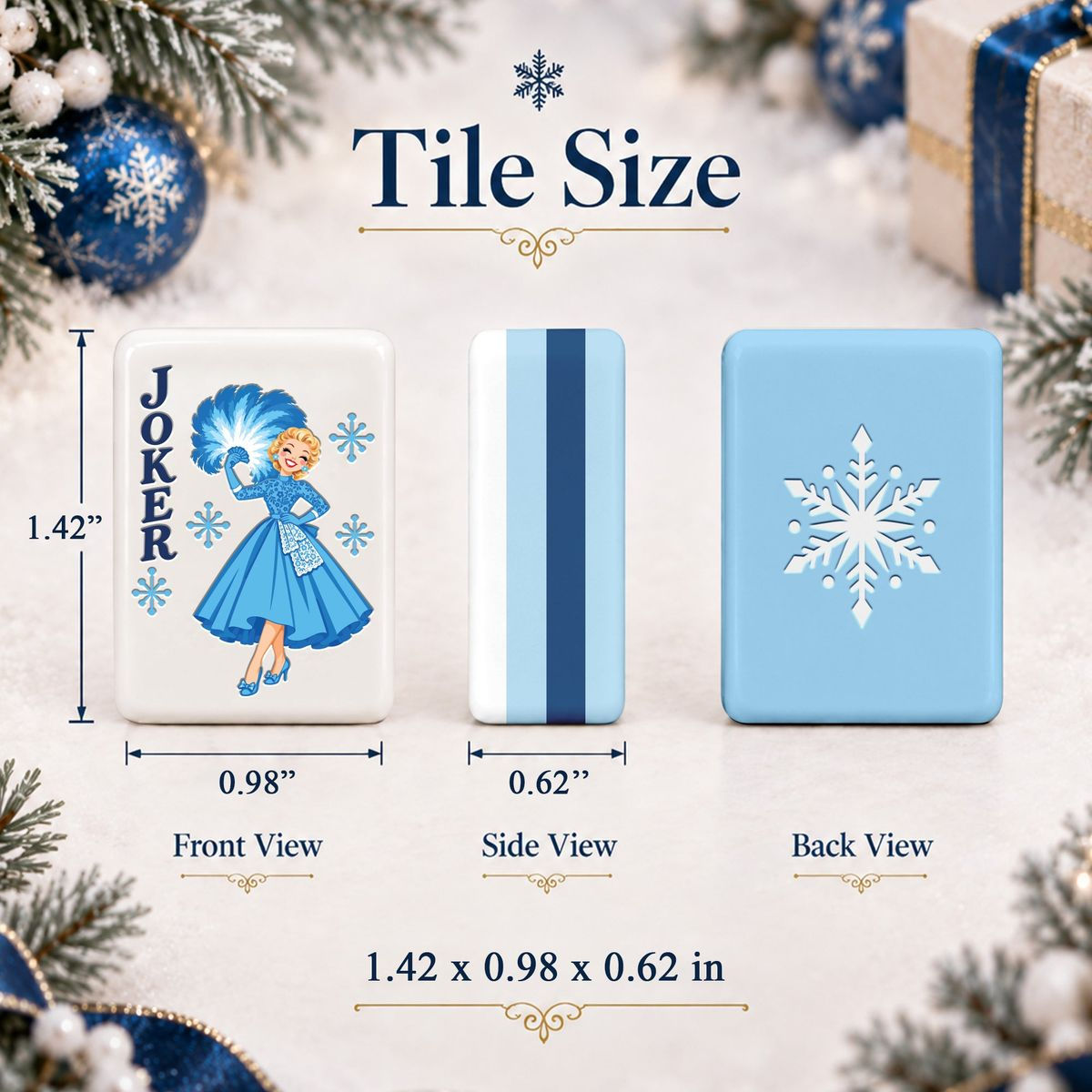
To host a mahjong party in Madison, gather four players, a 160-tile American mahjong set, the current year's National Mah Jongg League card, a mat or table cover, and snacks. Parties typically run 2–4 hours; plan one game (roughly 1 hour) or multiple rounds. Madison hosts casual games at community centers, libraries, synagogues, and country clubs—check local meetup boards and community calendars for ongoing groups, or start your own by inviting coworkers, neighbors, and friends. A professional-grade set from our best-selling collection and a cushioned mat eliminate fumbling and keep tiles organized. Budget time for the Charleston (tile-passing ritual), rule clarity for new players, and scoring sheets. First-timers often skip the card—don't; it's your hand-winning rulebook, non-negotiable in American mahjong.
What's the difference between a casual game and a party setup?
A casual game needs just a table, tiles, and the card. A party setup adds comfort, visibility, and flow: racks so players don't squint at their tiles, a mat to define the play space, organized seating, good lighting, and a printed scoring sheet so everyone tracks points clearly. The difference is the difference between playing on a folding card table and playing at a table where nobody's neck hurts after an hour. Set out a printed copy of the current year's card at the center so all four players see it without leaning. If you're hosting regularly—say, a weekly group—invest in a cushioned mat and racks with pushers; they last years and eliminate the "did my tile fall?" moment.

How do you prepare a Madison venue for beginners?
Pick a quiet, well-lit space—no background music or competing chatter. Madison's libraries and community centers often have meeting rooms; call ahead or check their booking calendar. Arrange four chairs around a sturdy table (at least 36 by 36 inches, or use a dining table). Set out the tiles in the box or on a mat, the card in the center, pencil and scoring sheet, a cup for the dice, and a small tray for snacks. Place racks and pushers at each seat if your set includes them; if not, a small plate or folded napkin helps players prop tiles upright. Test your phone's flashlight if overhead lighting is weak—you'll need to spot tiles clearly when counting hands. Have the first player shuffle and deal tiles from the wall while others talk; this 5-minute ritual breaks the ice and sets the ceremonial tone that makes mahjong feel special, not rushed.
🀄 Shop best-selling mahjong sets →
What equipment makes hosting easier and worth the investment?
Equipment | Who it helps | Why it matters | Long-term win |
160-tile set with spare jokers | All four players | Prevents mid-game tile shortages; spare jokers replace damaged or lost tiles | One set lasts 10+ years of weekly play |
Cushioned mat | All players | Muffles tile noise; defines boundary; eases hand counting | Protects table; eliminates "did it go to the wall?" disputes |
Racks with pushers | Players with vision or dexterity concerns | Keeps tiles upright, organized, and visible; pushers let you move tiles smoothly | Faster, cleaner turns; no dropped tiles |
Dice (pair) in cup | All players | Ensures fair random draw; avoids "who picked that spot?" arguments | Faster wall break; consistent games |
Scoring sheet template | All players | Reduces mental math and scorekeeper errors | Games flow faster; no post-game disputes |
A high-quality 160-tile American mahjong set is the cornerstone—it includes the eight jokers you need, plus spare tiles. A mat costs less than one dinner out and solves noise, visibility, and tile-scatter problems immediately. If any player has arthritis, vision loss, or mobility concerns, racks and pushers stop being optional; they become essential to inclusion. Dice eliminate the guessing game of where to break the wall; a simple cup keeps them safe. All of these together cost less than hosting a dinner party and pay dividends every single game.
Which Madison venues and groups should you check first?
Madison's Parks & Recreation department runs community center programs; visit the main Parks & Rec office or website to ask about existing mahjong groups and available meeting room slots (many offer hourly rentals for modest fees). Madison Public Library's main branch and several neighborhood branches host community game nights and often welcome mahjong groups or let you reserve a meeting room for private play. Synagogues in the Madison area—check the Jewish Federation of Madison or local temple websites—frequently host mahjong programs; these are open to all skill levels and often free or donation-based. Country clubs and golf clubs sometimes sponsor casual game evenings; call the membership or events office. Search local meetup boards (Meetup.com, Nextdoor, Facebook community groups) for "Madison mahjong" or "Madison tile games"—you may find an existing group looking for new players. If nothing exists, start your own: post on Nextdoor or a Madison community Facebook group with your availability, skill level, and location, and invite four friends for a trial evening.
🎁 See our most-loved mahjong sets & accessories →

How do you handle mixed skill levels at a party?
Before the game, spend 15 minutes teaching one full hand: the Charleston, tile draw, exposure rules (pungs, kongs, quints, sextets—no chows in American mahjong), the card read, and one simple winning hand. Don't drill it; just narrate it. Play it out slowly so everyone sees the rhythm. Then start the real game. Assign an experienced player or co-host to sit across from the beginner so they can see your hand and ask questions without slowing others down. Have the card visible and the beginner ask "is this hand playable?" after every draw; this builds confidence and teaches card reading fast. Keep a cheat sheet at the table: the meaning of each wind (North, East, South, West), the three suits (Bam, Crak, Dot), flower tiles, joker rules. After the first game, most new players understand the flow; after three, they're independent. If you're hosting a themed party—say, a holiday or birthday gathering—pick a festive or personalized set; it signals that mahjong is fun and social, not intimidating, and newcomers relax faster.
What should you check before you buy your hosting kit?
Before ordering a set or mat, verify your table height (standard dining tables are 28–30 inches; mats fit any height) and width (mats range 24 to 36 inches across; measure your play space). Confirm the set includes eight jokers—our 160-tile sets do, with spares. If you plan to travel to other games, check that your bag or case fits your tiles and mat together; overstuffed bags tear fabric and crack tiles. Read the current year's National Mah Jongg League card rules (available free on the NMJL website) to know which hands are legal this year; the card changes annually. If hosting regularly, buy a durable mat and racks with pushers as a second investment—they eliminate 90% of hosting friction. Test your setup with one practice game before inviting guests; this catches forgotten items and awkward seating before it matters.
✨ Find your Mahstead set — free US shipping →
A practical Madison mahjong host checklist
Before the party:
Book a quiet venue with a table 36+ inches wide
Confirm you have a 160-tile American set, current year's card, dice, and scoring sheets
If new players are coming, prepare a 10-minute teaching hand walkthrough
Invite four players; give them the time, place, and "bring snacks or drinks if you'd like"
At setup:
Arrange chairs so all four can see the center clearly
Place the card in the center, tiles in box or on mat nearby
Set out racks if you have them; each player gets one
Put dice in a cup at the center; have pencil and scoring sheet ready
Test lighting; use a phone flashlight if needed
During the game:
One player shuffles and deals the wall; two minutes, then play starts
Call "exposure" when a pung, kong, or quint goes on the table; check the card together
Pause after each hand to write scores; keep a running total
For new players, invite questions and explain card sections without lecturing
After the game:
Add up final scores on the sheet (usual format: +/– points per player)
Suggest "same time next week?" if the evening went well
Pack tiles carefully in their box; don't force them
If you own a mat, roll it loosely (don't crease the center) and store flat

FAQ
Do I need to know how to play to host?
No. You need to own a set, the current card, and enough space. Hosting and playing are separate roles; you can teach a hand, then play alongside your guests. Many regular hosts are the organizers, not the strongest players.
How much does hosting cost in Madison?
A venue rental (library or community center) costs $15–40/hour; a set and mat are one-time investments. Snacks and drinks are your choice. Compare this to a dinner out: hosting mahjong is affordable and repeatable.
Can I host outdoors in Madison's summer?
Yes, if you shade the table (wind won't blow tiles away under an umbrella or tent). Use a mat to protect tiles from dirt and sun damage. Bring the set inside immediately after play; tiles fade in UV light.
What if someone doesn't know the current card?
Keep a printed copy at the table and read it aloud when a hand forms. New players shouldn't memorize the card; they should learn to read it. After three games, they'll recognize winning patterns without thinking.
Should I charge money to play?
Not required, but some groups do. Madison's casual groups are usually free or ask $2–5 to cover venue rental and snacks. Decide upfront and mention it in the invite.
How often should we play?
Weekly (same night, same time) builds habit and group cohesion. Bi-weekly works for busier groups. Avoid long gaps; momentum matters in growing a regular game.


View More
View More
View More
