
Best Mahjong Bag: Comparing Styles for Players & Travelers
Last updated: Nov 23, 2026
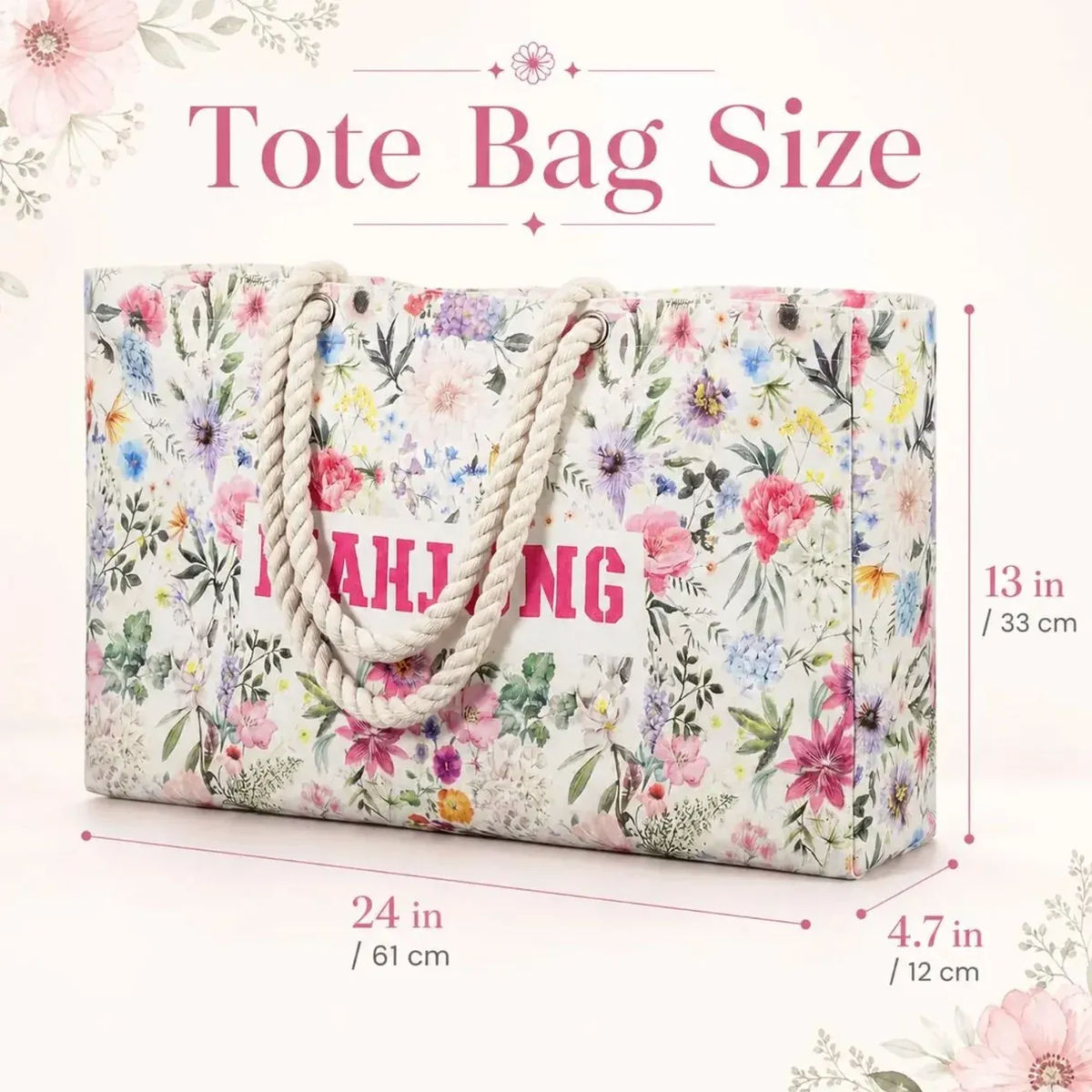
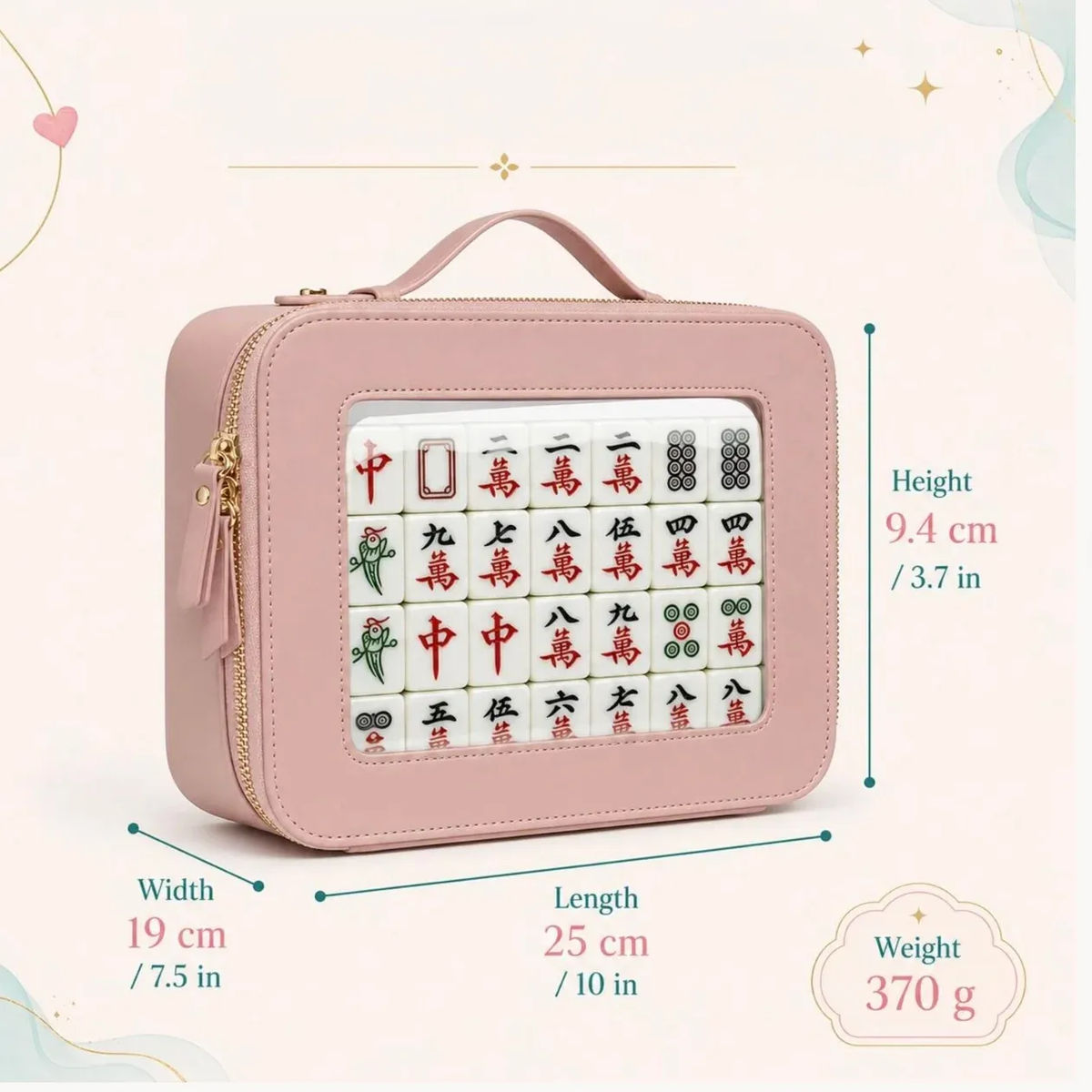
A mahjong bag is a padded or rigid carrier designed to hold a 160-tile acrylic set, mats, racks and accessories in one protected package. Soft cases offer lightweight portability for weekly games; hard cases provide maximum protection for frequent travelers. Bag capacity ranges from set-only (compact, 12–15 inches) to deluxe multi-compartment designs that hold a set plus two mats, a rack and dice. Cost varies widely based on material and compartments; you'll find options across the price spectrum. Mahstead offers bags and cases in our travel collection designed to fit American sets with room for accessories. Avoid bags without internal dividers—tiles shift and racks crack. Check your set's tile count (160 tiles) and mat thickness before ordering to ensure a snug fit without forcing the zipper.
Which bag style fits a casual weekly host?
Soft-sided nylon or fabric cases with a single main compartment and minimal padding work best for players hosting the same group in a home or apartment. They fold flat for storage between games and weigh almost nothing when empty. A casual host typically uses one mat and one set per game, so you don't need multiple pockets or removable dividers. These bags are easy to wipe clean if spilled on and cost less than rigid options. The trade-off: they offer no shock protection if dropped or sat on. If your group meets in the same living room every Thursday, a soft case is practical, reliable and honest about what it does.

What's the difference between a soft bag and a hard case?
Soft bags use padded nylon, canvas or felt exteriors and compress slightly; tiles inside move more than in rigid cases but remain mostly protected. Hard cases feature rigid plastic or wood shells that maintain their shape and cushion impact on corners and edges. Hard cases cost more upfront and are bulkier to store but keep tiles and mats flat, prevent warping and last through years of airport travel. Soft bags are ideal for car transport within a city; hard cases suit players who fly to tournaments, move frequently or own multiple deluxe sets. Neither is superior—the choice depends on how often you travel and whether protection or portability matters more to your household.
How much internal space do I actually need?
Measure before buying: a 160-tile set in a box is roughly 11 × 8 × 5 inches. One standard mat (typically cotton or felt, folded) adds 2–3 inches of thickness. A rack with pushers is thin (under 1 inch). Most casual players need space for one set and one or two mats, which totals about 13 × 10 × 8 inches. Tournament players or hosts who run simultaneous tables may want room for two sets and three mats—often 16 × 12 × 10 inches or larger. Hard cases come with molded compartments that define space; soft cases rely on the bag's overall volume and your packing skill. Before checkout, check the product description or contact the seller for interior dimensions to confirm your gear fits comfortably without forcing the zipper closed.
What features should I compare when shopping?
Feature | Best For | Impact |
Removable dividers | Multiple sets or mixed mats | Prevents tiles from mixing; keeps mats flat |
Zipper type | Daily use | Metal zippers last longer than plastic; replacement is easier |
Handle style (single, dual, shoulder strap) | Transport method | Single handle = hand carry; dual = easier for heavier bags; strap = hands-free for air travel |
Corner protection (hard cases) | Travel by plane/car | Absorbs impacts; prevents dents |
Moisture barrier | Humid storage | Protects acrylic tiles from stickiness; optional but useful in bathrooms or basements |
External pockets | Organizers | Holds dice, pushers, spare jokers separately |
Weight (empty) | Frequent carriers | Under 3 lbs is ideal; over 5 lbs fatigues your arm on long carries |
These factors align with how you play, where you store the set and how far you transport it weekly.
🎁 See our most-loved mahjong sets & accessories →
How do I pack a mahjong bag to prevent damage?
Pack in layers from bottom to top: place the bag on a flat surface. First, lay the mat(s) flat along the bottom, then the set (still in its box or in a padded tile case if you own one separate from the bag), then the rack. Avoid stacking heavy items on top of delicate tiles. If the bag has dividers, use one compartment per item. Distribute weight evenly so no corner bears all the pressure. If you carry mats in a separate thin bag or use a mahjong mat with attached carrying handles, you can reduce bag volume and improve load balance. Tile cases and racks with padded interiors (like our best-selling racks with pushers) add structural protection; nestling your set inside one before bagging it triples its survival odds if the bag is dropped. Never leave the bag in a hot car for hours—acrylic tiles can warp in sustained heat above 120°F.
How do I know when it's time to replace a bag?
Soft bags show wear first: zippers stick, seams fray and padding compresses after 2–5 years of weekly use. Hard cases develop cracks at stress points (corners, hinge areas) or get dented so severely the lid no longer closes flush. Neither is worth repairing once compromised—a leaking zipper lets tiles escape, and a cracked corner lets impacts reach the tiles directly. If you notice your set is arriving at game nights with loose tiles or a mat that's warped, the bag is probably failing. Replacement is usually cheaper and safer than repair. For frequent tournament players, investing in a new travel bag every 3–4 years is smart money; for home-only players who bag their set twice a month, ten years is realistic.
What to check before you buy:
Interior dimensions: Confirm they match your set box + mat thickness (ask the seller if not listed).
Zipper teeth: Metal lasts longer; look for YKK or equivalent brand names.
Compartment count: One main + one small pocket is enough for most; don't overpay for excess.
Handle attachment: Stitching should be reinforced at all corners; stress-test by hand before purchasing online if possible.
Weight (empty): Subtract it from your comfort threshold; nobody enjoys a 6-lb bag.
Return policy: If it arrives and doesn't fit your set, you need a swap guarantee within 14–30 days.
A quick comparison: which type am I actually buying?
For a casual weekly host: Soft nylon case, one compartment, handles. Fits one set + one mat. Lightweight, folds flat, easy to clean.
For a traveling player or tournament regular: Hard-shell case with molded compartments, metal zippers, shoulder strap option. Fits two sets or one set + two mats. Durability and shape retention matter.
For a gift:Engraved or personalized sets paired with a mid-range soft or semi-rigid bag. Luxury bags with initials or logos add perceived value without inflating cost beyond reason.
For a collector or multi-table host: Extra-large travel bag with removable dividers, moisture barrier and reinforced handles. Fits three sets, mats, multiple racks and dice in organized sections.
None of these is objectively "best"—it's the fit between your game frequency, distance traveled and budget.
✨ Find your Mahstead set — free US shipping →
FAQ
Can I use a regular luggage bag instead of a mahjong-specific one?
Technically yes, but it's risky. Luggage lacks interior cushioning and compartments; tiles roll around and can crack corners or chip edges. Mats fold awkwardly and may wrinkle permanently. A mahjong bag costs less than replacing one damaged tile set and removes guesswork. Use luggage only as a last resort for a single emergency trip.
What's the difference between a "mahjong bag" and a "tile case"?
A tile case holds only the 160-tile set and sits inside a larger mahjong bag alongside your mat and rack. A mahjong bag is the outer carrier for everything. Most casual players buy one combined bag; tournament players or collectors sometimes own both to mix and match sets between games or to let a set dry between plays.
Do I need to remove tiles from the bag before storing it long-term (off-season)?
No, but store the sealed bag in a cool, dry place (around 60–70°F, under 50% humidity if possible). Never leave it in an attic, garage or basement where temperature swings are extreme. An interior closet shelf is ideal. Acrylic tiles can warp or become brittle in cold, and humidity can make tiles sticky or cause cracks to appear along stress lines over months.
How do I clean a bag that's gotten dusty or stained?
For soft fabric, use a damp cloth with mild soap and air-dry flat. For hard cases, wipe with a soft, damp cloth and dry immediately. Never machine-wash a mahjong bag or submerge it fully—water weakens zippers and padding glue. If a soft bag's lining gets damp, prop it open and stand it upright in a warm room to dry completely (8–12 hours) before sealing it shut again.
Can I fit a mahjong set, mat, rack and dice all in one small bag?
Yes, if the bag is explicitly designed for that. Check the product description for "set + mat + rack compartments." Most small soft bags fit a set and one mat but leave no room for anything else without crushing contents. If you need one compact bag for everything, buy a mid-size model with separate pockets; don't force three items into a carry-on-sized case.
What should I look for if I'm buying a bag as a gift for a mahjong player?
Consider how often they travel. Frequent flyers need a hard case or high-end soft bag; home-only players prefer lightweight soft fabric. Check the color—neutral gray, black or cream work with most decor; bold prints can feel gimmicky. Include a practical bonus like spare jokers or a mat if their bag is practical but lacks personality. Avoid novelty bags—they're usually poorly made.
Do I need a bag if I never leave home with my set?
If you store it in a closet between weekly games, yes—a bag keeps dust and accidental spills away from tiles and mats. A simple zippered soft case (often under $20) does the job. If you store the set in its original box in a dedicated shelf, a bag is less critical, but it extends box life and makes grabbing the set faster than digging through packaging.


View More
View More
View More
