
Mahjong Open Play in Richmond: Where to Play & What to Bring
Last updated: Nov 23, 2026
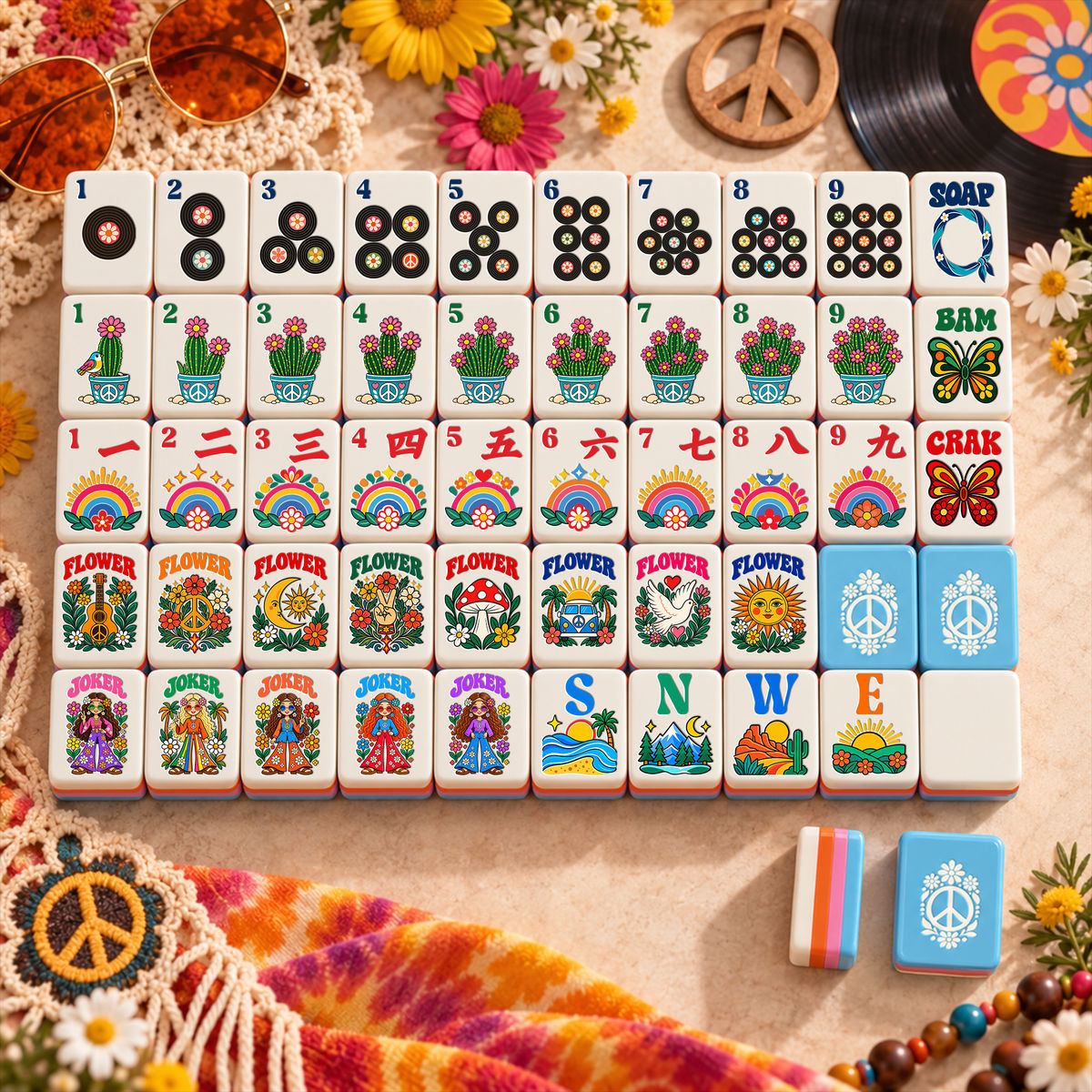
Open mahjong play in Richmond happens at community centers (check your local Parks & Recreation department), public libraries (especially larger branches), synagogues, and country clubs—many host weekly games open to new players. Games typically run 2–4 hours and follow American mahjong rules. You'll need a set (152 tiles plus jokers) and the current year's National Mah Jongg League card. Most venues either provide equipment or ask players to bring their own; call ahead to confirm. Cost ranges from free to a small table fee. Start by contacting your nearest community center or library to ask about their mahjong program schedule, or check Meetup and local social boards. If you're new, arrive 15 minutes early, watch a hand, and ask questions—every group welcomes learners. Bring a set if you're serious about regular play; our best-selling mahjong sets are durable and ship free across the US. 🀄 Shop best-selling mahjong sets →
Where Do Richmond Players Gather?
Community centers and libraries are the easiest entry points. Richmond Parks & Recreation often runs mahjong programs; call the main office or visit their website to find current schedules and locations. Public libraries, especially larger branches in central and west Richmond, frequently host free or low-cost games on specific weekdays or Saturdays. Synagogues and Jewish community centers sometimes advertise open-play sessions. Country clubs and senior living communities also host games, though membership or residency may apply. Meetup.com occasionally lists local mahjong groups; search "Richmond mahjong" to see if active groups post meet times. The most direct approach: call ahead and ask the coordinator what day and time they play, whether beginners can join, and what to bring.

What Should Beginners Expect at Open Play?
Open play is casual and social. You'll sit at a table with three other players, draw tiles, pass during the Charleston (the pre-game tile-exchange ritual), and work toward a hand from the current year's card. Games last 1–2 hours per round; most sessions run 2–3 rounds with breaks. Nobody rushes; experienced players explain calls and scoring. You'll hear rapid-fire terminology—"pung," "kong," "quint," "exposed"—but players always clarify what's happening. The first 20 minutes are often the slowest as everyone settles in. Bring water, snacks if allowed, and the League card (or ask someone to share). If you've never played American mahjong before, read the core rules first so you recognize basic concepts. Most groups are forgiving of rule questions; ask whenever you're unsure.
What Equipment Do You Need to Bring?
A full 160-tile set (152 playing tiles plus spares) is standard. Some venues provide communal sets, but bringing your own is safer—you know the tiles are complete, the racks fit your hands, and you're not stressed about wear. Include the current year's NMJL card (issued each spring; check the League website). A rack with pushers helps organize your tiles neatly and speeds up play. A mat—whether a portable roll or a compact travel mat—keeps the tile surface clean and quiets the game. If you're serious about regular play, a sturdy bag or case protects your investment during transport. We stock durable racks with pushers and portable mats designed for weekly games. If you're borrowing equipment at first, just bring the card and a notepad for scoring.
Decision Table: Equipment Investment for Open Play
Item | Beginner | Regular Player | Why It Matters |
Set (160 tiles) | Borrow or basic | Quality acrylic | Lasts years; portable |
Rack & pushers | Optional | Essential | Keeps tiles organized, speeds play |
Mat | Not needed | Recommended | Protects tiles, quiets the table |
Bag or case | Not needed | Recommended | Easy transport, professional feel |
Current card | Must have | Must have | Illegal plays without it |
Pen & notepad | Helpful | Essential | Track scores, settle disputes |
Start with a borrowed set and card. If you play weekly for two months, invest in a quality set and rack. Add a mat and bag once you're confident you'll keep playing.
How Do You Find Your First Game?
Step 1: Identify venues. Call or visit your city's Parks & Recreation homepage, search "mahjong" in your library's events calendar, ask at the front desk of nearby community centers and synagogues.
Step 2: Confirm the schedule. Ask: What day and time? Is it open to beginners? Do I need to register? What should I bring?
Step 3: Arrive early. Show up 10–15 minutes before start time. Introduce yourself, watch a hand, and ask if there's a waiting list or if you can jump in.
Step 4: Bring essentials. Set, card, pen, notepad. If you don't have a set yet, confirm the venue provides one.
Step 5: Play. Sit across from the dealer, follow the Charleston, listen, ask questions, and enjoy the game.
Most groups play year-round, though summer may see lighter attendance. If your first venue doesn't work, try another—different groups have different vibes and skill levels.
🎁 See our most-loved mahjong sets & accessories →

How Is Open Play Different from Formal Tournament Play?
Open play is relaxed; no ranking system or official scoring pressure. Conversations happen, rules are clarified generously, and the goal is social time with tiles. Tournament play follows strict rules, timed rounds, and official scoring—faster, more competitive, less forgiving of mistakes. Open play is where you build confidence; tournament play is the next step if you want a challenge. Most Richmond venues run open play; tournaments are rarer and usually advertised months in advance. For weekly games, open play is the norm.
What to Check Before You Buy
If you're ready to invest in your own set, here's what matters:
Tile clarity. Acrylic tiles must show symbols clearly under table light; paint shouldn't chip after 50 plays.
Rack fit. Your hands should hold 13 tiles comfortably without dropping or cramping.
Joker count. American play uses exactly 8 jokers with the 152 playing tiles; confirm your set has this.
Completeness. Count the tiles or ask the seller to verify: 36 Bams, 36 Craks, 36 Dots, 16 Winds, 12 Dragons, 8 Flowers, 8 Jokers.
Transport. If you'll carry your set weekly, a bag or case prevents tile loss and damage.
Our best-selling sets ship complete and ready to play; free US shipping means you're set up for your first game within days.
✨ Find your Mahstead set — free US shipping →
Common Mistakes at Open Play (and How to Avoid Them)
Not learning the card. The NMJL card is the rulebook; hands not on the card are illegal. Spend 15 minutes familiarizing yourself with its layout before your first game.
Mixing up tile names. The three suits are Bams (bamboo), Craks (cracks), and Dots. Honor tiles are Winds and Dragons. Use the same names everyone else does.
Exposing the wrong tiles. You can expose pungs (3 identical), kongs (4 identical), quints (5), and sextets (6). Never expose single tiles, pairs, or sequences (chows)—these stay hidden in American mahjong.
Forgetting joker rules. Jokers substitute for any tile in an exposed group, but never in a single tile, pair, or concealed hand. Once placed, a joker can't be replaced.
Misscoring. Listen carefully to scoring explanations. Ask someone to walk through a hand with you before you leave. Bring a notepad to write down point values.
Not charlestonning correctly. The Charleston is a three-phase tile pass before every game; each phase moves tiles a specific direction. Ask someone to demo it before your first hand.
Ready to Join?
You now know where to look, what to expect, and what to bring. Richmond's mahjong community welcomes new players—call a venue today, introduce yourself, and join a game. If you're building your own set, explore our best-selling collections for quality tiles, racks, and mats that make weekly play more enjoyable. Most players discover that open play becomes their favorite part of the week—the friends, the ritual, and the game itself.

FAQ
Do I have to own a mahjong set to play open mahjong in Richmond?
No. Many venues provide communal sets. Call ahead to confirm. If you play regularly, owning a set is worth the investment—you control quality, feel confident, and avoid wear on borrowed equipment.
What's the minimum age to play open mahjong in Richmond?
No strict rule exists. Most community center and library games welcome players 14+; senior groups may skew older. Call the venue and ask about their typical age range and any youth programs.
How much does it cost to play open mahjong each week?
Costs vary. Community center programs might charge a small drop-in fee or a weekly membership. Libraries often host free games. Synagogue groups may ask for a donation. Call ahead; most venues cost under $10 per session.
Do I need to know how to play before my first open play session?
No, but learning the basics helps. Spend 30 minutes reading American mahjong rules online or watch a tutorial. You'll be much more comfortable at the table if you know what a pung is and how the Charleston works.
Can I play American mahjong with a Chinese mahjong set?
Not easily. Chinese sets have 136 tiles with different symbols and no jokers; American sets have 152 tiles with jokers and flowers. Bring or use an American set. Ask your venue if they provide American sets before you arrive with the wrong one.
What should I do if I disagree with a scoring call during open play?
Stay calm. Ask someone to pull the card and walk through the hand together. Most disagreements resolve by checking the current year's NMJL card. If you're uncertain, defer to the most experienced player at the table or skip that hand's score until you confirm the rule.


View More
View More
View More
