
Mahjong Open Play in Hilton Head: Where to Find Games & How to Join
Last updated: Nov 23, 2026
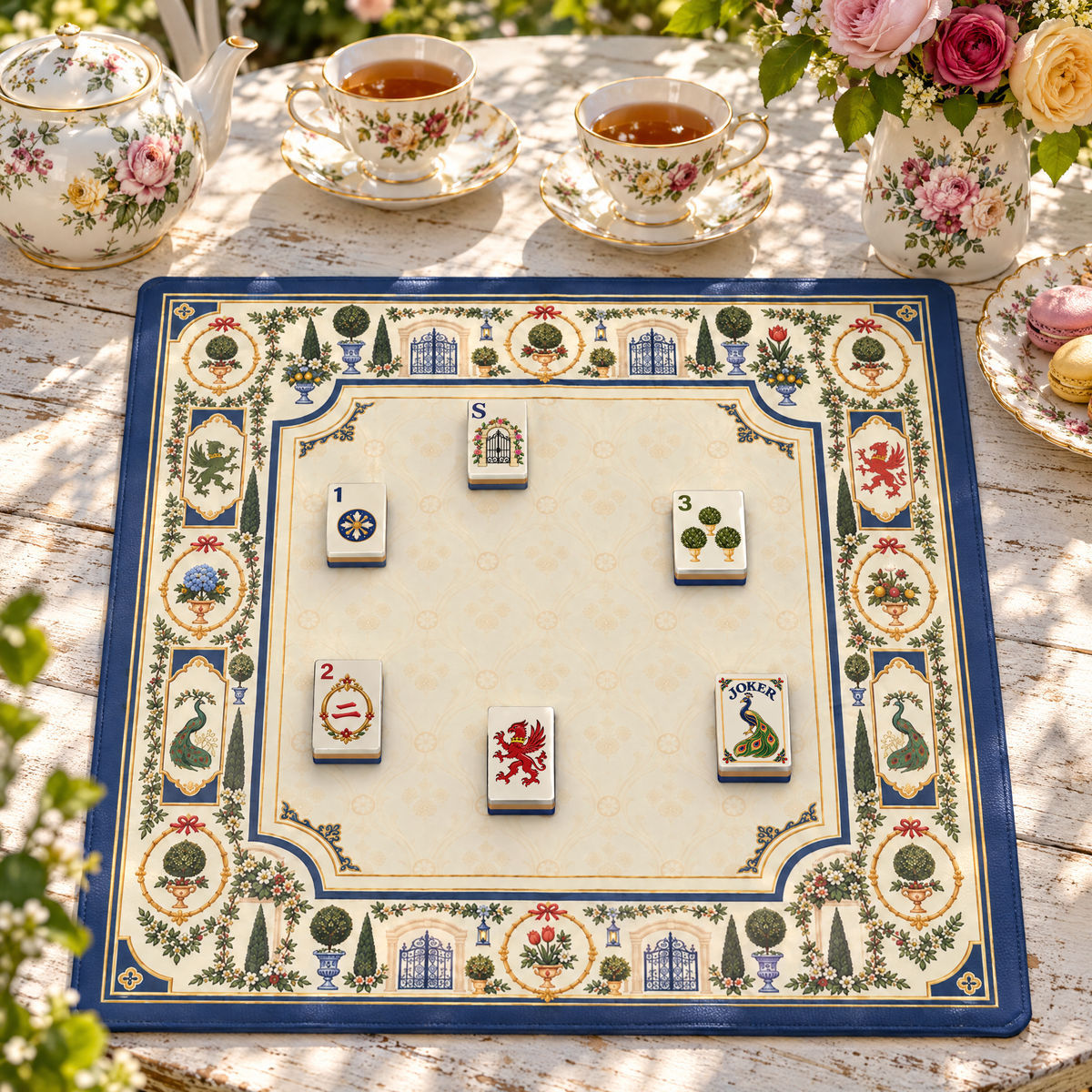
Hilton Head hosts mahjong open play primarily through community centers, libraries, country clubs, and informal meetup groups scattered across the island. Most games run weekly or twice weekly, typically during daytime hours; expect 10–30 minutes to learn basic American rules if you're new. Open play usually costs nothing or a small table fee (split among four players). You'll need a 152-tile American mahjong set, a mat, racks, and the current year's National Mah Jongg League card to follow legal hands. Start by contacting your local community center or library directly, or ask at card shops and social venues—word-of-mouth is how most island players connect. Mahstead offers complete best-selling mahjong sets with free US shipping, so you can arrive ready to play.
Where do Hilton Head players gather for open mahjong?
Community centers and public libraries are the most reliable starting points. Call ahead to ask if they host mahjong open play, what day and time, and whether drop-ins are welcome. Many centers charge a small room fee or ask players to donate a few dollars per session. Country clubs and retirement communities often host private games; if you're a member or know someone who is, ask the activities coordinator. Casual meetup groups sometimes post on community boards, neighborhood Facebook groups, or NextDoor—search "Hilton Head mahjong" and you'll likely find current players willing to welcome newcomers.
🀄 Shop best-selling mahjong sets →

What should a complete beginner know before showing up?
American mahjong is played by four players, each drawing and discarding one tile per turn, working toward a hand that matches one of hundreds of legal patterns on the current year's National Mah Jongg League card. The game lasts roughly 30–45 minutes per round. You don't need prior experience—most open-play groups include seasoned players happy to coach newcomers through a few hands. Wear comfortable clothes; games involve sitting and arm movement. Bring the current year's card (available free online from the League or printed by players). Arrive 10–15 minutes early so hosts can seat you and explain house rules. Open play differs from tournament play: there's no timer, scoring is often simplified, and the mood is social and forgiving.
How do American mahjong rules differ from other variants?
American mahjong uses exactly 152 tiles and 8 jokers, organized into three numbered suits (Bams, Craks, Dots numbered 1–9), winds, dragons, flowers, and jokers. Unlike Chinese or Riichi mahjong, American mahjong does not allow sequences (chows)—you build only melds of identical tiles (pungs of 3, kongs of 4, or longer sets). Jokers are wildcards and appear in most hands; the current year's card dictates every legal combination. Learn the full rules and fundamentals here if you want to study before your first game. The Charleston—a tile-passing ritual before play begins—is unique to American mahjong and takes about five minutes. Other variants (Chinese, Hong Kong, Taiwanese, Riichi) use different tiles, hand patterns, and scoring, so confirm your Hilton Head group plays American rules.
Mahjong Variant | Tiles | Sequences (Chows)? | Hand Source | Setup Time |
American | 152 + 8 jokers | No | Annual NMJL card | 5–10 min (Charleston) |
Chinese | 136 | Yes | Player memory | 1–2 min |
Riichi (Japanese) | 136 | Yes | Specific patterns | 1–2 min |
Hong Kong | 144 | Yes | Player memory | 1–2 min |
American open play in Hilton Head will use the 152-tile format and current card only.
🎁 See our most-loved mahjong sets & accessories →
What equipment do you actually need for open play?
A complete American mahjong setup includes: a 160-tile set (152 playing tiles plus spares), a mat, a rack with pushers for each player, and the current year's card. The mat protects tiles and defines the play zone; most open-play groups have mats, but bringing your own ensures comfort and shows respect. Our guide to choosing a mahjong mat covers size (typically 30"×30"), felt vs. rubber backing, and storage. Racks keep your tiles upright and hidden; pushers make organizing your hand effortless. If you attend regularly, invest in a bag or case for portability. Dice are less critical for open play but useful for determining who deals first. Print the League card or get a laminated copy so it doesn't wear out.

What should you check before your first game?
Before attending, confirm the group plays American mahjong using the current year's card—not Chinese or other variants. Ask the host about the skill level (absolute beginner-friendly, or intermediate+?), house rules (Do they play fast or slow? Do they simplify scoring?), and what you need to bring. Wear comfortable clothes and plan to sit for 45 minutes to an hour per session. Bring the current card, arrive early, introduce yourself, and watch one hand before joining so you feel settled. If you own a set, bring it along—most groups rotate sets or let players keep their own. Expect a learning curve of 2–5 games before tiles and card patterns feel natural; this is normal and expected in open play.
How do you find the right mahjong set to bring?
A best-selling acrylic mahjong set is durable, easy to clean, and lightweight for travel. Acrylic tiles won't crack or chip like bamboo, and they slide smoothly on mats. Choose a set with large, clear print so numbers and suits are easy to read during play—crucial for beginners. Some players prefer sets with personalized engraving so they can spot their tiles on a shared table. For gifts to fellow players, consider a set paired with a quality mat and rack bundle—it shows you're serious about the game. Our new arrivals include current-year designs and seasonal collections. All Mahstead sets ship free across the US, so order early and arrive ready to play.
✨ Find your Mahstead set — free US shipping →
What to check before you buy
Tile clarity: Can you read numbers and suit symbols from arm's length? (Critical for open play with new players.)
Acrylic vs. other materials: Acrylic is portable and durable; jade or bamboo is heavier and more fragile.
Set completeness: Confirm it contains 152 playing tiles and 8 jokers (never fewer).
Mat and rack needs: If you're new, buy a beginner bundle with set, mat, and racks together for simplicity.
Storage: Will you carry your set to games? Choose a bag or case that fits your lifestyle.

FAQ
Can I join a Hilton Head mahjong group if I've never played?
Yes—most open-play groups welcome absolute beginners. Expect to watch one or two hands, then play while experienced players coach you on tile recognition and the card. Learning the basics takes 15–30 minutes.
Do I need to own my own set to play open play?
No. Most groups have shared sets, or players rotate. If you attend regularly, owning a set shows commitment and gives you a consistent feel for the tiles.
What is the current year's mahjong card, and where do I get it?
The National Mah Jongg League issues a new card every spring with all legal hand patterns for that year. Ask your group for a printed copy, or print one free from the League website before your first game.
How much does it cost to play open mahjong in Hilton Head?
Most open-play groups charge nothing or ask for a small donation (split four ways). Some community centers levy a room fee. Ask the host before your first session.
Is American mahjong easier than Chinese mahjong?
They're different, not easier or harder. American mahjong uses a card (no memorization), no sequences, and jokers in almost every hand. Chinese mahjong requires memorizing hundreds of patterns. American is more beginner-friendly because of the card.
Should I bring my own mat and rack to open play?
Bringing your own ensures you're comfortable and shows respect for the group. If the group has extras, ask before you buy; many established groups share equipment, which is fine if you're still learning.


View More
View More
View More
