
Luxury Mahjong Table: What to Choose for Your Game Room
Last updated: Nov 23, 2026

A luxury mahjong table is a permanent or semi-permanent playing surface designed for regular hosting, typically ranging from dedicated wooden tables with built-in cup holders and tile racks to premium felt mats that drape over existing furniture. At Mahstead, we see most players choose between three paths: a custom wooden table (requires dedicated space, highest upfront cost), a professional-grade mat over your dining table (flexible, portable, moderate cost), or a combination setup pairing a high-quality mat with matching racks and pushers. Luxury tables start around mid-range furniture pricing and reward you with decades of weekly games if you commit to hosting. The key isn't the price—it's matching the table style to your hosting frequency and space constraints.
A luxury mahjong table transforms your weekly game from casual to ceremonial—but the choice between a dedicated table and a high-end mat depends on space, budget, and how often you host. After hosting hundreds of games in different setups, we've learned which investments pay off and which ones gather dust.
What actually separates luxury from standard?
Luxury mahjong tables invest in three areas: surface quality (felt or leather that won't pill after shuffling thousands of tiles), structural stability (heavy wood or reinforced base that doesn't wobble mid-game), and ergonomic details (cup holders, tile racks built into the rail, pushers that glide smoothly). A standard table is flat and serviceable; a luxury table anticipates four hours of play without your tiles sliding or your elbows tiring from reaching. The felt or cloth should be taut and medium-nap—dense enough to grip tiles but smooth enough for fast shuffles. Test by running your palm across: quality surfaces resist pilling and don't catch.
🀄 Shop best-selling mahjong sets →

Dedicated table vs. drape mat: which solves your problem?
A dedicated mahjong table sits permanently in a game room, den, or bonus room and typically costs more upfront but requires zero setup. A drape mat (also called a table cover) spreads over your dining or card table and folds away when guests leave. Dedicated tables make sense if you play twice weekly or more and have a spare room; mats work if you host monthly and need multi-purpose furniture. Mats pack into a travel bag and ship free across the US, so they suit players who rotate hosting duties. Dedicated tables anchor your home as "the mahjong house"—a psychological win if hosting is part of your identity.
How do sizing, felt thickness, and rail height matter?
Standard American mahjong table dimensions are 42–45 inches per side (square), with a rail height of 8–10 inches. The playing surface itself is typically 36–38 inches square, leaving room for tile racks and cup holders on the rails. Felt thickness ranges from 0.3 inches (thin, on mats) to 0.5+ inches (luxury tables), and thicker felt slows tile movement—a feature experienced players appreciate because it prevents runaway tiles from sloppy shuffles. Rail height matters: too low and you're hunching; too high and your arms tire. If you're under 5'6", a lower rail (8 inches) suits you better; over 5'10", go for 9–10 inches. Measure from your elbow to a 36-inch-square table surface in your home to verify fit before ordering.
Feature | Dedicated Table | Drape Mat | Who It's For |
Setup time | None | 5–10 min | Serious vs. casual hosting |
Space needed | Full room or corner | Closet | Urban or space-limited players |
Durability (years) | 15–20+ | 8–12 | Permanent vs. temporary |
Cost entry | Higher | Lower to moderate | Budget-conscious or trial players |
Portability | None | Full (with bag) | Traveling or rotating hosts |
Felt grip | Premium (0.5"+) | Good (0.3–0.4") | Shuffle speed preference |
🎁 See our most-loved mahjong sets & accessories →
What's included in a luxury setup, and what do you buy separately?
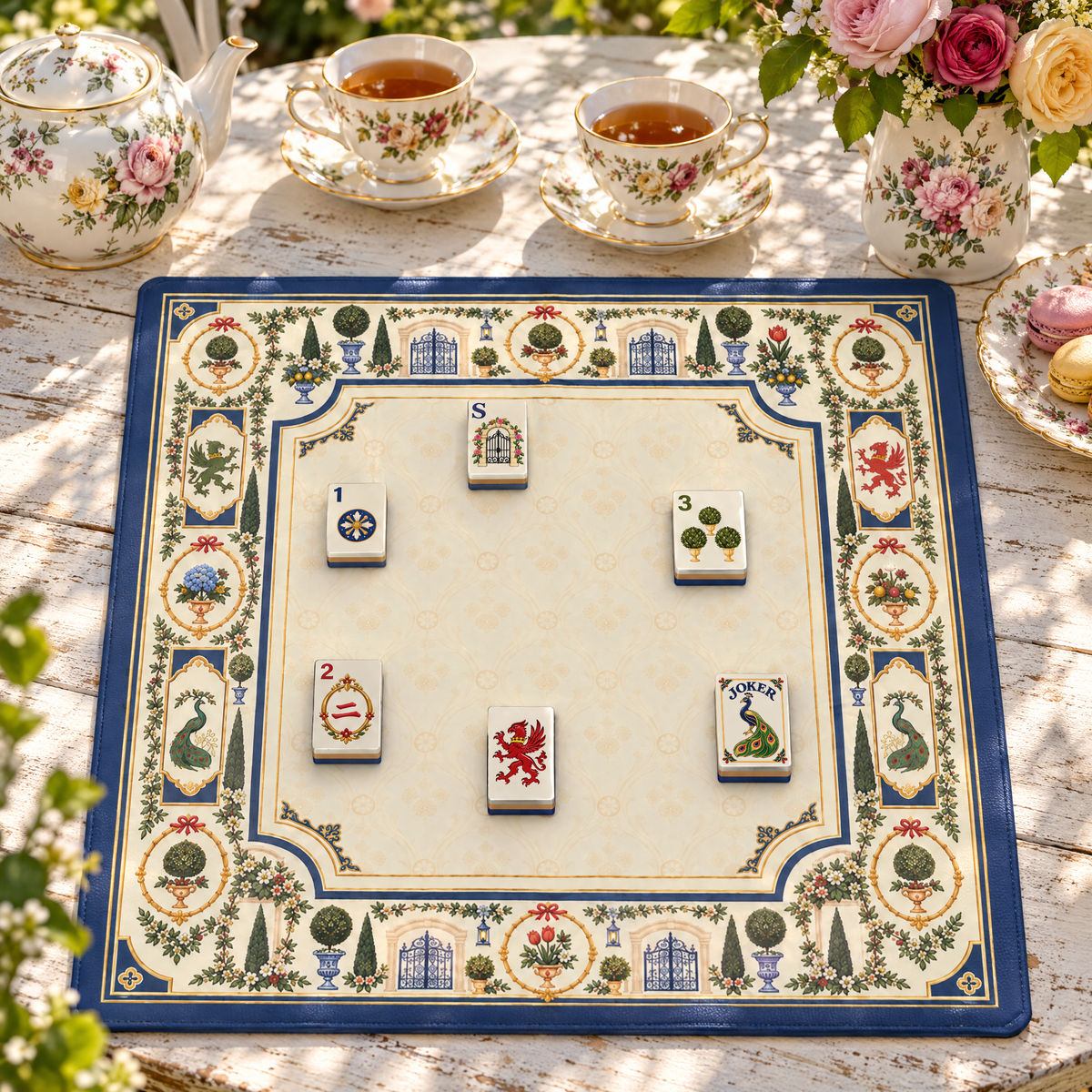
A luxury table typically includes the tabletop, four-sided rail with cup holders, and sometimes built-in pushers. You still buy separately: tiles (usually a 160-tile acrylic set with spares), the current year's National Mah Jongg League card, dice, and racks with pushers if not built-in. A premium drape mat includes the mat, corner pegs to anchor it, and a storage bag. Neither includes tiles or racks. When comparing luxury tables online, ask whether racks and pushers are included or sold separately—that difference can justify one brand over another. At Mahstead, our matching mat and rack bundles let you buy as a system, which saves decision fatigue.
How do you care for felt so it lasts 15+ years?
Vacuum weekly with a soft brush to remove tile dust and debris—hard particles scratch felt and dull its surface. Use coasters for drinks so spills don't stain; if liquid does land, blot immediately with a dry cloth (don't rub). Every two years, have felt professionally cleaned or use a lint roller on both sides to lift pilling. Avoid direct sunlight, which fades felt and weakens the backing. Store mats flat or loosely rolled in a dedicated mahjong bag; rolled mats develop creases that take weeks to flatten. Dedicated tables in climate-controlled rooms last longest. If felt starts pilling badly after 10 years, some woodworkers will re-felt the top for less than a new table, extending life another decade.
What should you check before placing an order?
Measure your space: Will the table fit your room and still allow four players to sit comfortably? Mahjong tables are square; ensure at least 54–60 inches clearance on all sides for chairs and movement.
Verify rail height: Does it match your body proportions? Order a sample or visit a store that displays tables—elbows should rest naturally on the rail.
Confirm felt type and thickness: Ask whether felt is glued or stapled (glued lasts longer), and request a sample swatch to feel grip and nap density.
Ask about racks and pushers: Are they built-in, included, or sold separately? Acrylic racks with pushers complement most tables and run independent of your table purchase.
Check return policy: Quality tables are not impulse buys. A 30-day in-home trial is standard; confirm this before ordering.
Shipping and assembly: How long until delivery? Will the seller assemble on-site? Wooden tables often arrive partially assembled; ask whether assembly labor is included.
Warranty: Does the table carry a structural guarantee? Felt wears with use and typically isn't covered; confirm what is.
✨ Find your Mahstead set — free US shipping →
For players building a game room from scratch, start with our guide on choosing a mat—many discover a quality drape mat over your dining table is the luxury experience you actually need, with none of the storage headache. If you're serious about dedicated tables, visit local woodworkers, antique shops, and online specialty retailers to sit at samples before committing. A luxury mahjong table is an investment in weekly ritual; the right one becomes the gathering place for a decade of Thursday nights.
FAQ
How much more does a luxury table cost than a mat?
Dedicated tables typically range from mid-to-high furniture pricing; mats are significantly less. See current prices on the product pages. The cost gap is real, but durability and hosting frequency, not prestige, should drive your choice.
Can I use a regular felt poker table for mahjong?
Yes, if the rail height and playing surface are suitable. Mahjong tiles are heavier than poker chips, so felt must be dense enough to grip them without sliding. Test with a borrowed set before committing.
What size table fits a typical dining room?
A 42–45 inch square table needs 54–60 inches clear on all sides. Most dining rooms fit one if positioned centrally. Measure your space first, then test chair placement with cardboard cutouts.
Do I need built-in racks, or are separate ones better?
Built-in racks save space and look polished. Separate acrylic racks are more flexible—you can adjust height and swap them between tables. Both work equally well for gameplay.
How long does a felt surface really last?
With weekly play and basic care (vacuuming, avoiding spills, storing flat), luxury felt lasts 10–15 years before pilling noticeably. Professional re-felting at year 10 can extend a table another decade cheaply.
Should I buy a table before or after getting a mahjong set?
Order your 160-tile acrylic set first and test it on a borrowed table or mat. Once you know you love the game, invest in a table. This prevents buyer's remorse and ensures tile size matches your handling preference.


View More
View More
View More
