
Mahjong Nook Decor: Design Your Game Room
Last updated: Nov 23, 2026
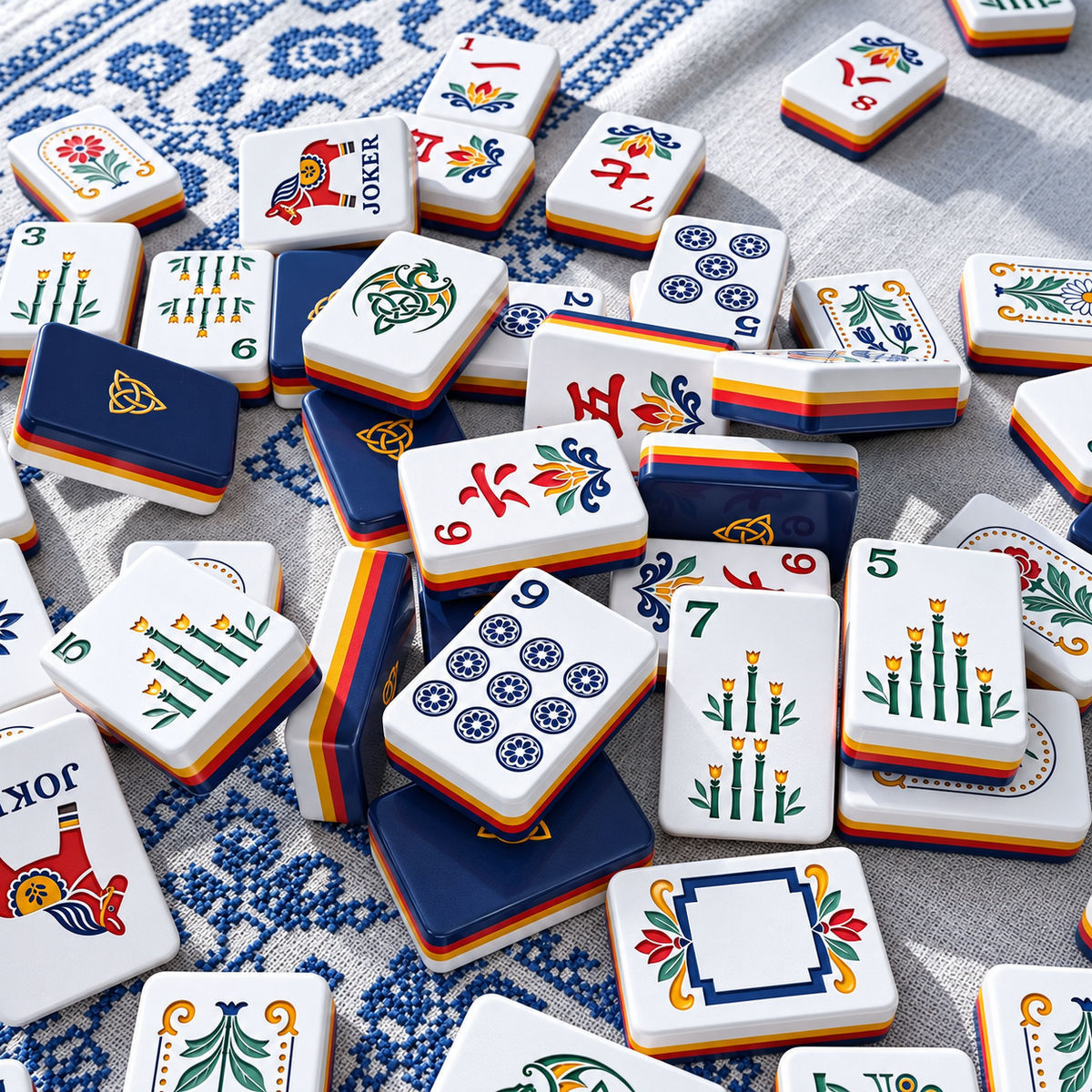
A mahjong nook is a dedicated corner or small room where you host regular games—furnished with a table, a quality tile set, a mat or table cover, racks, seating, and personal décor touches. The foundation is a quality tile set (most players use 160-tile acrylic American mahjong sets for durability and style) paired with a mat or tablecloth sized to your surface; add engraved designs, themed colors, or personalized accessories to make it feel intentional. Storage for tiles, racks, and scorecards should be close by. A nook works best in a dining room, living room corner, spare bedroom, or basement—anywhere with 4–6 feet of table space, good light, and room for four chairs. Setup costs vary widely: a functional nook starts with the essentials (set, mat, seating) and grows as you add storage, display pieces, and décor. The key is choosing durable, easy-to-clean pieces that survive weekly play without losing their appeal.
What size table and space do you actually need?
A standard mahjong game needs a table at least 36 inches square—bigger is better. We play on a 48-by-48-inch table once a week, which gives each player room to lean in, place their rack and drawn tiles, and move freely. If your table is smaller, the game feels cramped; if it's larger (say, 60 inches), players can sit comfortably without elbows colliding. The nook itself should have at least 6 feet of clear floor space around the table so four people can pull chairs in and out without tripping. A corner alcove, a dedicated dining table, or even a folding card table in a spare bedroom works—the beauty of a nook is that it doesn't need to be a separate room. Good overhead lighting (a pendant, recessed lights, or a bright table lamp) matters far more than square footage; dim light makes reading tile faces hard and slows play. Allow room behind or beside the table for a small shelf or cart to hold mahjong bags and cases between games.

Which tile set style best matches your décor vision?
The tile set is the visual anchor of your nook. American mahjong sets come in bright acrylic (translucent, modern, durable), bamboo and bone (traditional, warm, heavier), or decorative wood (rustic, display-worthy). Acrylic sets in clear or frosted finishes are easiest to clean and read under light; they survive weekly play without chipping. Engraved sets add personality—many players choose designs that match a personal interest, family joke, or season, making each nook feel unique. Engraved American mahjong sets let you customize the face design, tile color, and even engravings on the frame or pushers. If your nook has a modern, minimal vibe, go for clear acrylic with a neutral mat. If it leans cozy or eclectic, bamboo or wood tiles with warm colors (reds, golds, greens) feel natural. A themed set—say, one with a holiday design or a witty family phrase—becomes a conversation starter every game night. The tile size matters too: standard American tiles are about 1.25 inches square, which fits most hands and racks comfortably. Consistency across all four players' sets (same brand, same design) keeps the game smooth and the table looking intentional.
How do you choose a mat or table cover that lasts?
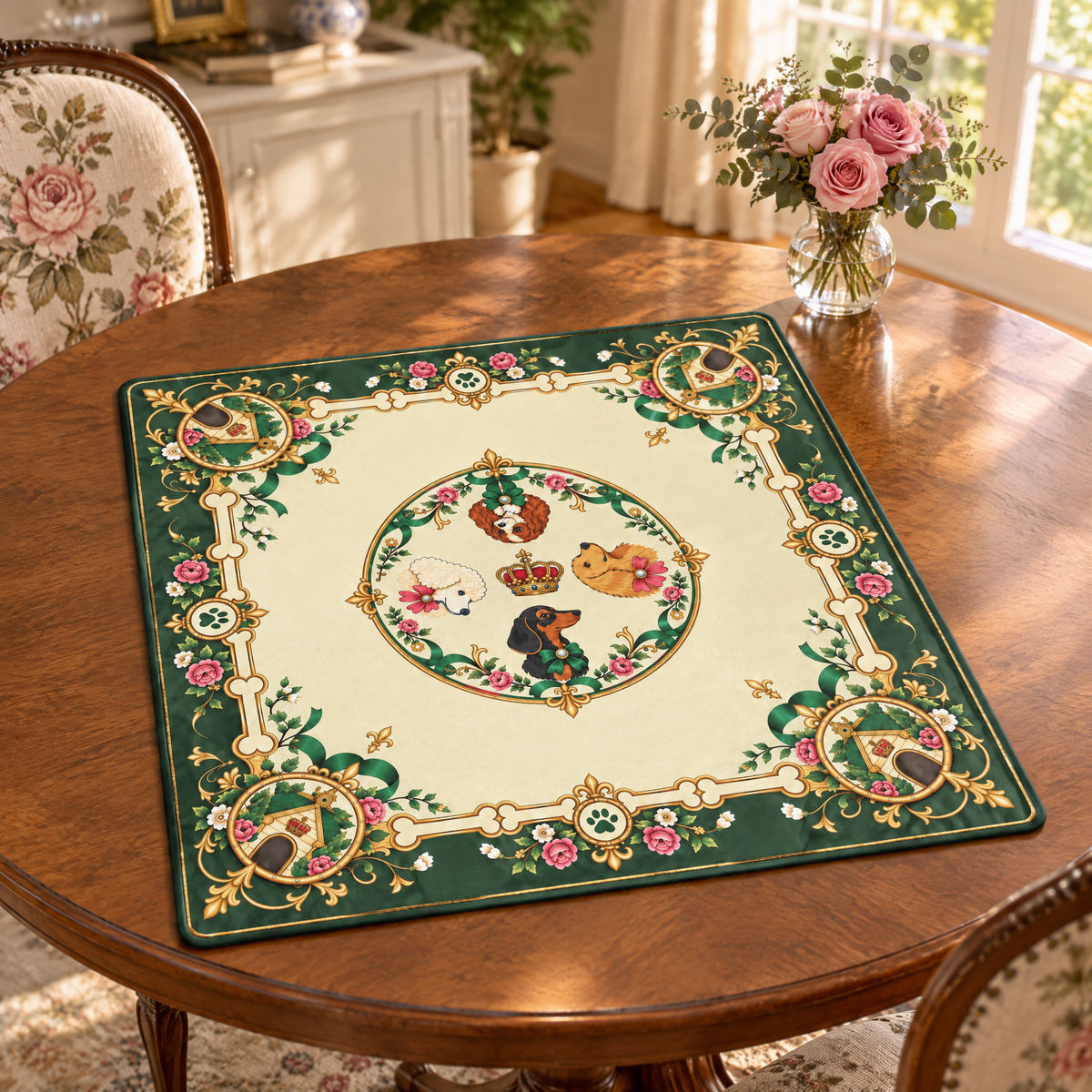
A mat or tablecloth protects your table, provides a felt surface so tiles slide smoothly, and anchors the whole aesthetic. We see two main choices: a fitted mat (felt top, rubber or neoprene backing, sized to the table) or a flat tablecloth (fabric draped or tucked). A mat is easier to clean (wipe spills, shake out crumbs), stores flat, and lasts for years of weekly play. A tablecloth offers more decorative freedom—you can drape it, hide storage underneath, and swap it seasonally. For a nook that sees play twice a week or more, a durable mat in a solid color (green, burgundy, black) or subtle pattern holds up better than light fabric. Mahjong mats come in sizes to fit 36- to 60-inch tables; measure your surface first. Reversible mats (one color on each side) let you change the mood without storage hassle. A good mat costs less than replacing a scratched table; if your nook table is something you love, invest in the mat.
Design Choice | Best For | How Long It Lasts | Setup Time | Cleaning |
Acrylic tile set + fitted mat | Weekly play, modern vibe | 5+ years (tiles); 3–5 years (mat) | 2 min | Wipe tiles, mat; no laundering |
Wood tiles + flat tablecloth | Display, cozy room, occasional play | 10+ years (tiles); 2–3 years (cloth) | 5 min | Shake cloth, spot-clean or wash |
Engraved set + reversible mat | Themed nook, gift or personal statement | 5+ years (tiles); 5+ years (mat) | 2 min | Wipe tiles, flip mat to second side |
Bamboo tiles + storage cabinet | Traditional aesthetic, dedicated space | 7+ years (tiles); varies (cabinet) | 5 min | Dust tiles, care depends on wood finish |
What storage and display touches complete the nook?
Once you have the table, tiles, and mat, add storage that keeps the game organized and the nook visually interesting. A low shelf or bookcase near the table holds mahjong racks with pushers, scorecards, and the National Mah Jongg League card (printed fresh each spring). A drawer or basket under the table table hides extra tile bags between sessions. Many of us display a second set—perhaps an heirloom or a decorative one—on a small stand or shelf as a talking point. String lights, a plant, or a framed mahjong-themed artwork on the wall above the table reinforces the nook's personality without cluttering the playing surface. If your nook doubles as a dining or living area, choose décor that blends: a table runner in your mat color, a few art books, or a mirror to bounce light. The goal is intentional, not theme-park. A single statement piece (a beautifully engraved set, a vintage mahjong calendar, or a photograph of your regular players) says more than a dozen tchotchkes.

How do you make your nook welcoming for new and regular players?
A nook thrives when it feels inviting to the players who gather there. Clear one corner for storing outer coats or bags so the table area stays open. Have extra racks and mahjong bags and cases so players who don't own their own sets feel welcome. Print a clean copy of the current-year National Mah Jongg League card and leave it by the table, along with scorecards and a pen. Good lighting, comfortable chairs (no ancient wobbly ones), and a mat in good condition signal that you care about the space—and the game. If your nook is in a shared space (like a living room), make sure it's easy to clear the table at the end of play so the rest of the house isn't taken over. A small decorative basket for scorecards, chips, or a pen keeps the space tidy. Some groups rotate whose house hosts, so keep your setup portable: a fitted mat rolls easily, acrylic tiles pack snugly, and labeled storage makes the next host's job simpler. A nook doesn't have to be permanent; it just needs to feel like the game matters.
🀄 Shop best-selling mahjong sets →
What to check before you buy pieces for your nook
Before ordering a set, mat, racks, and accessories, confirm a few things. Measure your table width and depth to ensure the mat and racks fit comfortably—an undersized mat leaves bare table edges, and an oversized one drapes awkwardly. Check the tile size if you're mixing new and old sets; standard American tiles are about 1.25 inches, but some vintage sets are slightly different. If you're choosing an engraved or decorative set, ask to see the design on a sample or high-resolution photo so the finish and color match your vision. Make sure the mat texture (felt, neoprene, or embossed) suits your table—some tops can mark certain wood finishes. For bags or cases, verify they fit the tiles and mat you're buying; oversized bags waste space, and undersized ones force tiles to angle oddly. Most acrylic sets and mats are shipped unassembled, so budget 5–10 minutes for setup. If you're hosting for the first time, order early so the nook is ready before game night.
🎁 See our most-loved mahjong sets & accessories →
Why a mahjong nook becomes the heart of your week
Over years of weekly games, we've noticed that a thoughtfully designed nook becomes a ritual anchor. Players arrive, the tiles emerge, and the rhythm of the game takes over—but only if the space feels ready and cared for. A nook signals that the game (and the people who show up) matter enough to have a dedicated home. It doesn't need to be expensive or large; it needs to be clean, lit well, organized, and a little bit yours. An engraved tile set, a mat in your favorite color, good racks, and a few personal touches turn a corner into a place where friendships deepen, strategy unfolds, and stories get told over tile after tile. The nook becomes the reason people look forward to Thursday night, or Sunday afternoon, or whenever you play.
✨ Find your Mahstead set — free US shipping →
FAQ
How much space do I really need for a mahjong nook?
A minimum 36-by-36-inch table works, but 48-by-48 inches is more comfortable. You need 6 feet of clear floor space so four players can sit and move freely. A corner of a dining room, spare bedroom, or living room is ideal—it doesn't have to be a separate room.
What's the difference between a fitted mat and a flat tablecloth for mahjong?
A fitted mat (felt top, rubber back) is easier to clean and stores flat; it lasts 3–5 years with weekly play. A flat tablecloth offers more decor flexibility and works for display, but wrinkles and needs storage. For frequent play, a mat is more durable.
Can I mix old and new mahjong tile sets in the same nook?
Yes, but standard American tiles are 1.25 inches square. If you're using vintage tiles, check the size first—they may differ slightly and feel awkward mixed with modern sets. Visually, keeping all four sets identical keeps the nook looking intentional.
What lighting works best for a mahjong nook?
Bright, steady overhead light (a pendant, recessed fixture, or table lamp) is essential so players read tile faces clearly. Dim light slows the game and strains eyes. Avoid harsh shadows; a lamp on a dimmer lets you adjust for time of day.
How do I keep a mahjong nook tidy between games?
Store tiles, racks, and bags in a nearby shelf, drawer, or cabinet so the table clears easily. Use a labeled basket for scorecards and pens. If your nook shares a space, a simple setup and takedown routine (under 5 minutes) keeps the rest of your home unaffected.
Do I need a dedicated storage case for my mahjong set?
Not required, but a good case protects tiles from dust and damage, especially if you travel or store the set long-term. Many nook hosts keep one set in a case for home storage and bring another set to play.


View More
View More
View More
