
Best Wright-Patterson Mahjong App: Real Player Advice
Last updated: Nov 23, 2026
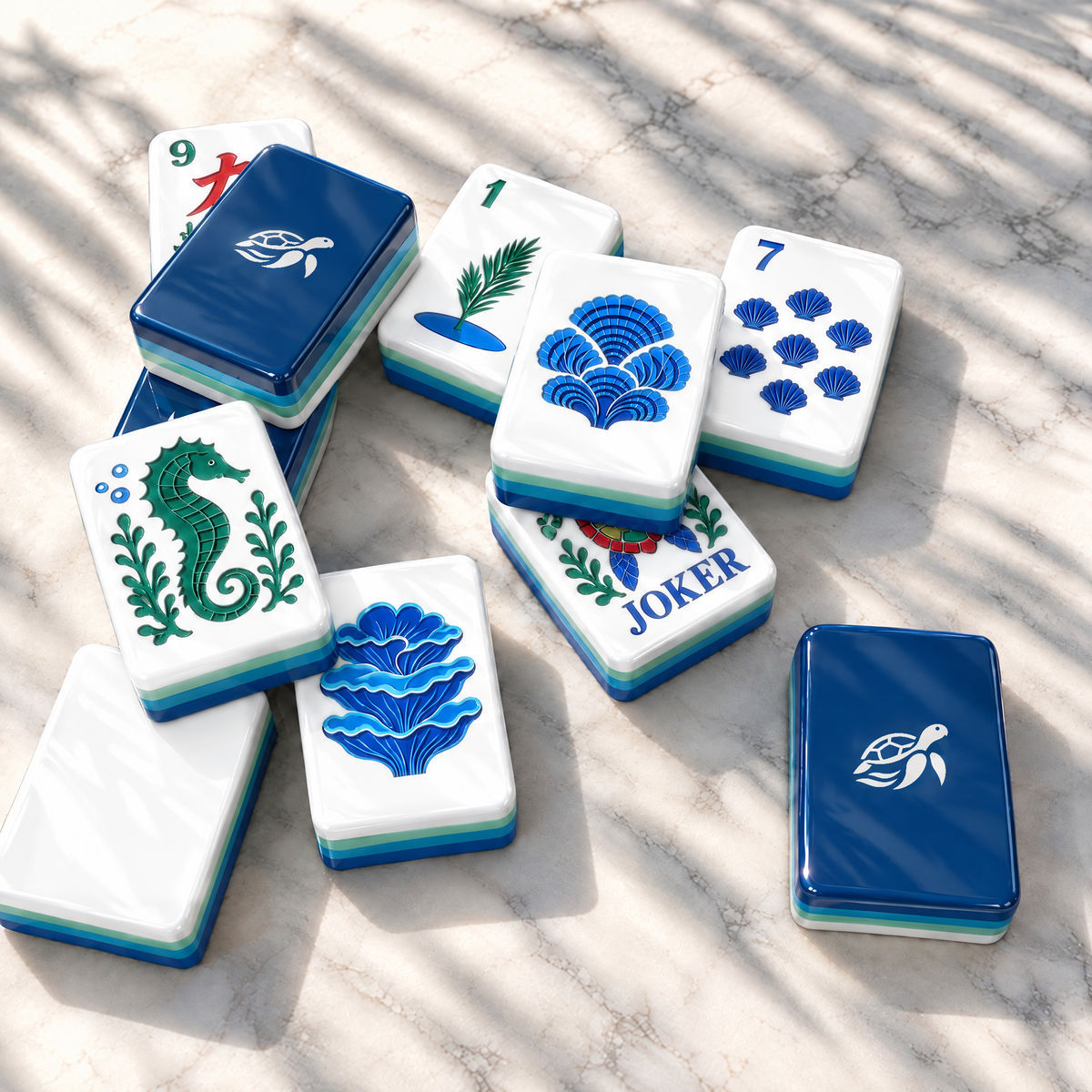
There's no app branded specifically for Wright-Patterson Air Force Base or that region, but American players there use general-purpose mahjong apps for learning and casual play: Mahjong Solitaire apps (single-player, not true mahjong), Mahjong Connect puzzle variants, and multiplayer platforms like Mahjong Soul (Chinese rules) or Real Mahjong (simplified American rules). None enforce the current-year National Mah Jongg League card or American-specific hands; most teach classic or Hong Kong play instead. Serious American mahjong players (which we assume you are if you're in Ohio) eventually move to in-person games because the League card changes yearly, jokers have strict placement rules, and nothing replaces reading a physical tile or calling a hand at a live table. Free or low-cost apps work for casual intro; real play requires engraved American mahjong sets and weekly groups.
Why No App Captures True American Mahjong Rules
American mahjong is the hardest rule set to code. The National Mah Jongg League releases a new card every spring with hundreds of hand patterns; no developer rebuilds an app annually for a small player base. Chinese and Hong Kong apps outnumber American ones 100-to-1. Apps marketed as "American" either simplify the rules, skip joker placement logic, or let players call moves that violate League standards (like using a joker in a pair, which is illegal). The core issue: American mahjong relies on a licensed, paper card that changes yearly—apps can't legally embed that card, and players wouldn't trust an unofficial version for serious play.

What Mahjong Apps Actually Do (And Don't)
Puzzle/solitaire apps let you clear tiles from a board; this is not mahjong. Multiplayer apps typically teach Hong Kong or Riichi (Japanese) mahjong, where sequences (chows) are legal and rules are simpler—great for casual fun, wrong game for American League players. Practice apps that claim "American mahjong" usually offer a simplified hand library and ignore the current card's patterns. The honest take: if you're learning American mahjong for the first time, an app can't replace a human teacher or a in-person game where an experienced player shows you real hands, the current card, and how the Charleston works. If you're already past beginner stage, apps add nothing you can't get from reading the League card and playing live.
🀄 Shop best-selling mahjong sets →
When Wright-Patterson Players Switch from Apps to Real Tiles
Three signals tell you it's time to move from screen to table:
You're memorizing hand patterns. If you're seeing the same combos repeatedly, the app has taught you its limits. Real play with the annual card always surprises you.
You want to join a game. Most clubs in Ohio and nationwide play with physical tiles and the League card, not digital. No app alone prepares you for the speed and social rhythm of live mahjong.
You're frustrated by app flexibility. Apps often let players undo moves or bend rules. Real mahjong has clear, enforceable rulings—no second-guessing.
The transition is easier than beginners think. If you've played an app for 10+ hours, you know tile names, basic strategy, and game flow. A 160-tile set and two or three live games with patient players fast-track you into weekly groups.

Comparison: App vs. Physical Tiles for American Mahjong Learning
Learning Goal | Best Format | Why | Time to Competence |
Learn tile names, suits, winds | App or video | Low cost, self-paced | 1–2 weeks, 5–10 hours |
Understand hand patterns (current year) | Physical tiles + League card | Apps can't show licensed patterns accurately | 4–8 weeks, live play |
Master the Charleston passing ritual | Live group | Apps skip this entirely; it's a social/strategic cornerstone | 2–3 games |
Spot legal calls in real time | Live games | App feedback is instant but often wrong; live players teach you judgment | 6–10 games |
Enjoy consistent play | Physical tiles + weekly group | Apps have rotating player skill, time zones, server lags | Ongoing |
Finding Real Mahjong Groups Near Wright-Patterson
If you've mastered an app and want live play, start here:
Community centers & libraries: Search "senior center mahjong" or "library programs" near Dayton. Many host open games Tuesday/Thursday afternoons.
Country clubs & recreation centers: Call ahead; many have standing Thursday-night games.
Synagogues & cultural centers: Mahjong thrives in Jewish, Chinese, and pan-Asian communities. Search "[your city] mahjong club" or ask at local cultural organizations.
Meetup boards & Facebook groups: Search "Dayton mahjong" or "Ohio American mahjong" for monthly meetups or weekly tables you can join.
Ask at game shops: If your area has a board-game café or card shop, staff often know local groups.
When you find a game, bring a lined notebook (for scoring), be honest about your skill level ("I've done an app and watched videos"), and ask the host if beginners are welcome. Most groups are—American mahjong players remember their own first night and help newcomers read the card and make sense of calls.
🎁 See our most-loved mahjong sets & accessories →
What to Check Before You Commit to a Real Game
Before you buy a set or join a group, verify these:
Is it American rules? Ask: "Do you play the National Mah Jongg League card?" If they say "Hong Kong" or "Chinese," the rules are different, and app knowledge won't transfer directly.
What year's card? American mahjong hands change every spring. If they're playing an old card, the strategy won't match this year's card.
What's the pace? Casual, social games move slower and welcome talk. Competitive games expect faster play. Beginners fit social tables better.
Do they have spare sets? Good groups keep an extra set so new players don't need to buy immediately. Try their tiles before investing in your own.
When and where? If it's weekly on a day you can commit to, you'll build skill and friendships. One-off games are fun but don't deepen your play.
Once you've played 5–10 live games, you'll know whether American mahjong is a hobby or a passion. That's when building your own set and hosting becomes real.

FAQ
Is Mahjong Soul good for learning American mahjong?
Mahjong Soul teaches Chinese/Hong Kong rules beautifully—but American mahjong is a different game. Sequences (chows) are legal in Soul; they're banned in American play. Use Soul to learn tile names and basic strategy; find a live American game to learn the real rules.
Can I play American mahjong online for free?
Several apps offer free multiplayer mahjong, but most aren't American League rules. Some smaller platforms have American rooms, but player bases are tiny and consistency is low. Free apps are great for casual learning; serious play is live, with the current year's card.
How long does it take to go from app to live play?
If you've played an app 10–20 hours, you know the basics. Add a live teacher or experienced player, and 3–5 games get you comfortable with the rhythm and card reading. Mastery takes months of weekly play, but "competent beginner" is achievable in two weeks of games.
What do I need to buy to host a game?
A 160-tile set, a mat, four racks with pushers (one per player), the current year's League card (order from the National Mah Jongg League), and dice. Optional: a bag to carry everything. Total is accessible, and a quality set lasts decades.
Do Wright-Patterson base communities have mahjong groups?
We don't have a directory of base-specific groups, but military communities often have active mahjong tables through family services, recreation centers, or officer/enlisted clubs. Call your base community center or ask in the family Facebook group—mahjong is popular with military spouses nationwide. ✨ Find your Mahstead set — free US shipping →


View More
View More
View More
