
Mahjong Mat for Card Table: Choose Fit, Protect Tiles & Play
Last updated: Nov 23, 2026
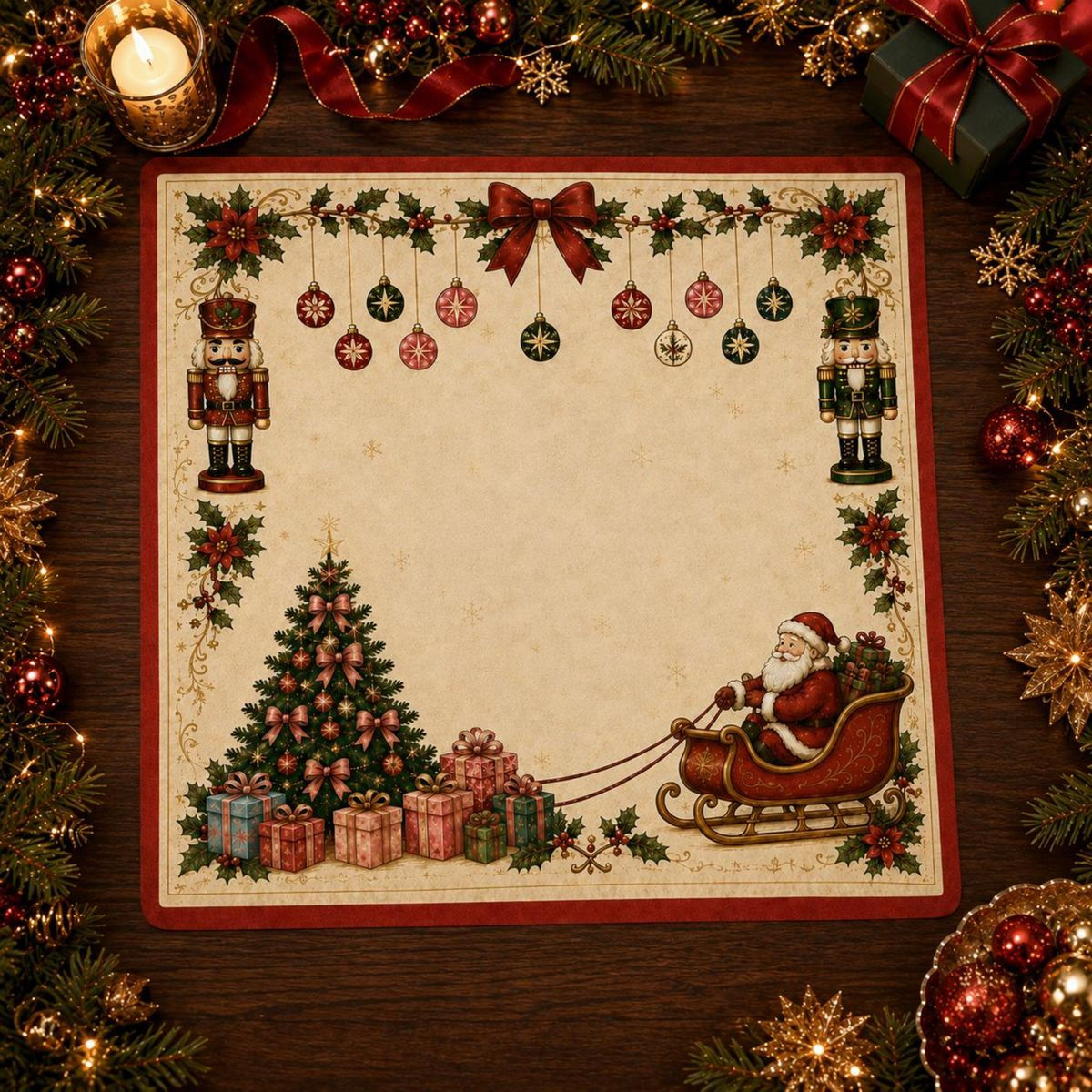
A mahjong mat is a fabric or felt surface designed to sit on top of a card table or dining table, creating a dedicated play zone for your tiles, hands, and racks. It protects your table from tile scuffs, keeps the playing surface level, and helps contain tiles if they slide. Mats come in standard sizes (typically around 27–36 inches square for four-player tables) and feature marked sections for tile placement, hand racks, and sometimes a discard area. Most are made from suede, microfiber, or reversible fabrics, and Mahstead offers designs ranging from elegant solid colors to custom engravings for clubs or groups. The mat itself doesn't affect gameplay—it's pure logistics—but a well-chosen one means fewer tile chases and a professional table feel every game.
A mahjong mat transforms any card table into a dedicated playing surface, protecting tiles while keeping hands organized. It protects your table from tile scuffs, keeps the playing surface level, and helps contain tiles if they slide. Mats come in standard sizes (typically around 27–36 inches square for four-player tables) and feature marked sections for tile placement, hand racks, and sometimes a discard area. Most are made from suede, microfiber, or reversible fabrics, and Mahstead offers designs ranging from elegant solid colors to custom engravings for clubs or groups. The mat itself doesn't affect gameplay—it's pure logistics—but a well-chosen one means fewer tile chases and a professional table feel every game.
What size mat do I actually need?
The single biggest mistake is measuring wrong or ignoring your table's actual dimensions. Before ordering, measure your card table width and length with a tape measure, top surface only—don't guess. Most card tables run 30–36 inches square or 36 × 60 inches rectangle. A mat should sit entirely on the table surface with a 2–3 inch margin on all sides so it doesn't hang over or bunch up when racks are positioned. If your table is 36 inches square, order a 30-inch or 32-inch mat; if it's 36 × 60 inches, a 30 × 54 mat fits cleanly. Check the product page for exact dimensions before checkout—don't assume "standard" means your table.
🀄 Shop best-selling mahjong sets →
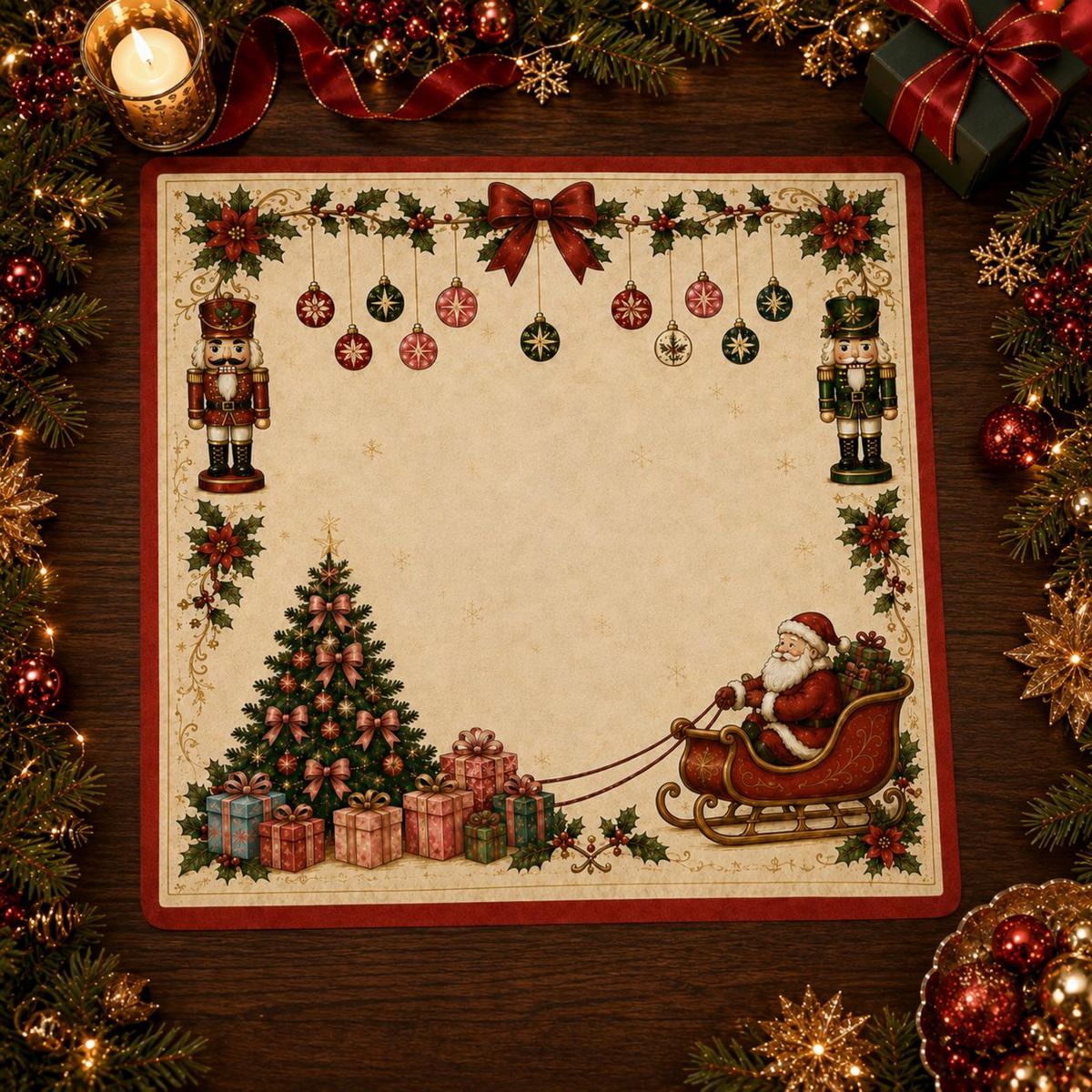
Suede, microfiber, or reversible—which fabric suits your play style?
Each material trade-offs differently. Suede is luxurious and grips tile bottoms so they don't slide during play, but it stains easily if wine or coffee spills. Microfiber dries fast and resists staining, making it better for casual weekly games where spills happen. Reversible mats (suede on one side, microfiber on the other) let you pick the feel based on your table mood that night—but they're thicker and may not lay flat on every table edge. We use suede for serious tournament-style games and microfiber for groups where durability matters more than luxury. Test a friend's mat if possible; if you're playing on the same table every week, the material choice compounds over years of play.
Should I get a mat with engraving or a solid design?
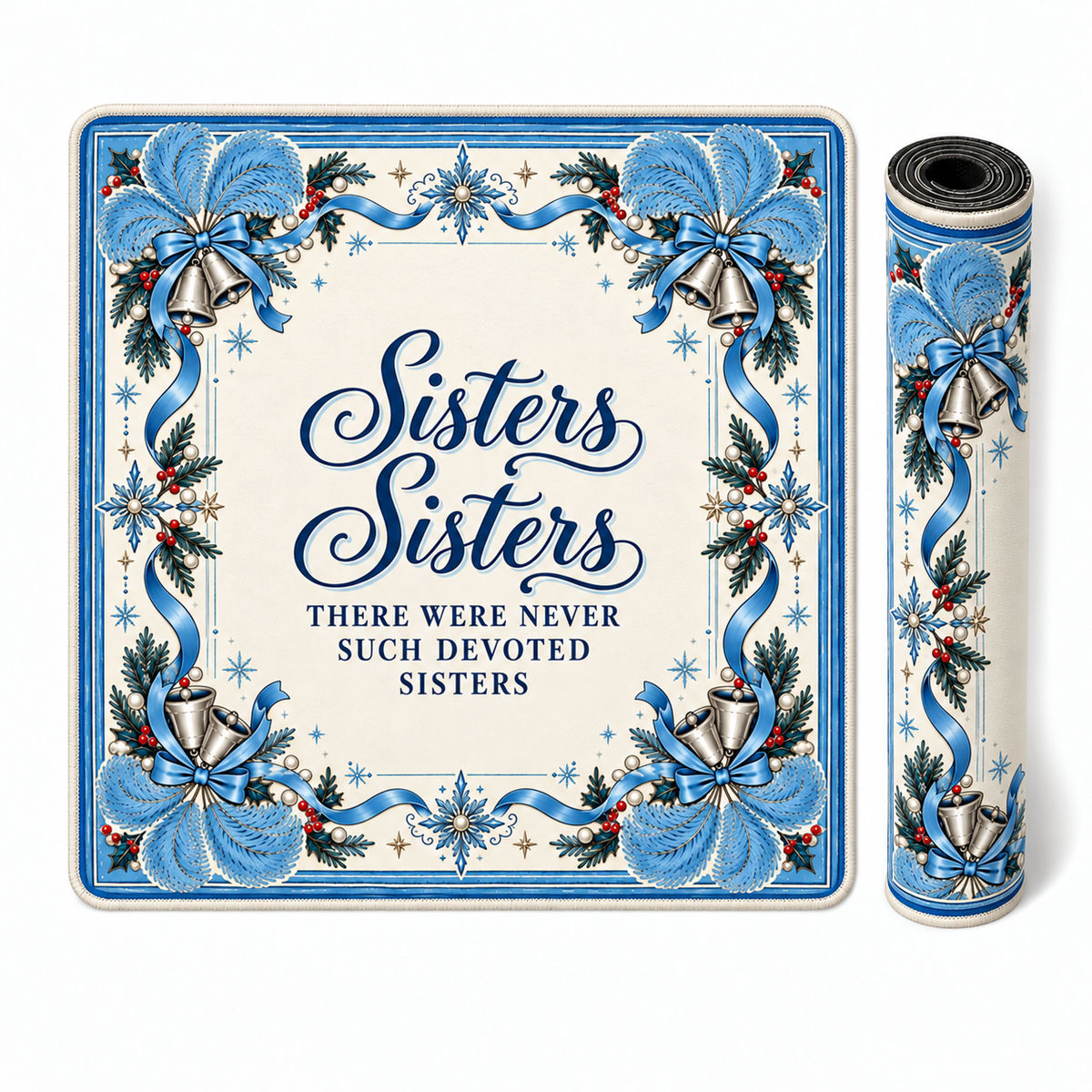
Engraved mats carry a club name, player group initials, or tournament logo across the top or center. They're ideal if you host the same game weekly and want a professional, unified look—or if you're gifting a set to a mahjong club. A solid-color mat (cream, green, burgundy) works for anyone who plays in rotation at different homes or wants flexibility to move the mat between tables. Engraved designs take longer to produce since each is custom, so plan ahead. Browse the custom mahjong titles collection to see engraving styles that work with full sets; many mats can match.
How does a mat compare to a plain tablecloth or table cover?
Option | Best For | Protection | Setup Time | Cost Basis |
Dedicated mahjong mat | Weekly regular games | Tile + table | <1 min, pre-marked zones | Mid-range |
Cloth tablecloth | Casual, multi-use tables | Table only | 2–3 min, no guides | Budget |
Plastic table cover | Spill-heavy environments | Table only | 1–2 min, folds up | Budget |
Rubber play mat | Tile grip, any table | Tile + table | <1 min, non-slip base | Higher |
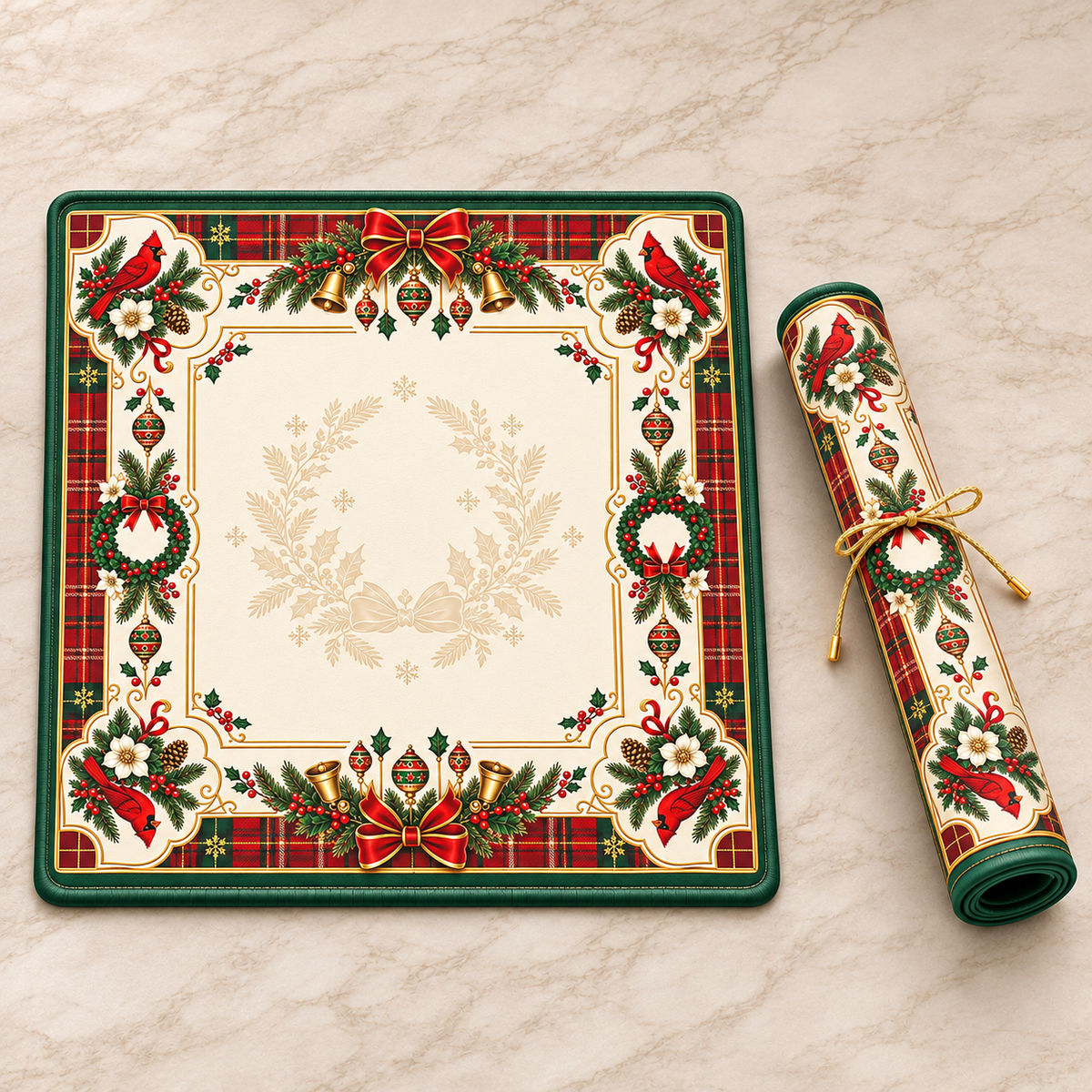
A tablecloth looks nice but offers no grip or organization—tiles still slide, hands get cramped. A mahjong mat is purpose-built: its marked zones for each player's hand and rack eliminate confusion, and the suede or microfiber surface stops tiles mid-play so you're not chasing a 5 Crak across the table. If your table doubles as dining, a reversible or easy-to-roll mat works best. Read more in our guide to mat vs. table cover options for specific scenarios.
What should I check before I order?
Before clicking purchase, run through this checklist:
Measure your table (width and length, top surface)
Add 2–3 inches margin to find your target mat size
Check the product page for exact mat dimensions and material
Read reviews for thickness, whether it lays flat, and how it ships
Confirm your fabric choice suits your playing environment (wine + spills → microfiber; quiet, careful group → suede)
If ordering engraved, submit your text/logo early—custom production takes time
Verify it ships free across the US (all Mahstead mats do)
Have a storage plan: mat should roll or fold into a travel bag or case if you move it between homes
Most mats arrive rolled and take 24 hours to flatten on the table. Don't unroll and immediately play—let gravity work overnight so it sits flush and doesn't warp your tile stacks.
🎁 See our most-loved mahjong sets & accessories →
Do I need a mat if I already have good racks with pushers?
No, but they're partners, not substitutes. Racks with pushers organize your personal hand so you don't have to hold tiles; a mat organizes the entire table so no one's tiles drift, and so the wall (the tiles yet to be drawn) stays neat. If your table is uneven or your card surface is scratched, a mat is essential. If your table is pristine and level and you play in a perfectly still room, a mat is optional—but we've never met that room. Most of us use both: racks hold individual hands, mats hold the center play zone.
✨ Find your Mahstead set — free US shipping →
FAQ
Can a mahjong mat fit on a permanent table if it's not a card table?
Yes. Any table wide enough to hold four players (36+ inches square minimum) works. A dining table, folding table, or even a coffee table can work if the mat dimensions fit the top surface. Measure first, then order.
Will a mat scratch or stain if I spill wine or coffee?
Suede mats can stain and require careful blotting. Microfiber resists most spills and wipes clean. If spills are common in your game, choose microfiber or keep the mat stored between plays.
How do I clean a mahjong mat after a game?
Brush off loose tile dust with a soft brush or damp cloth. For suede, use a lint roller or suede brush and spot-clean stains with a damp microfiber cloth. Microfiber can handle a quick wipe with mild soap and water. Never machine wash or tumble dry.
Should I order a mat larger than my table to have extra surface?
No. A mat hanging off the table traps dirt, bunches, and creates uneven tile placement. A properly sized mat sits fully on the table with a small margin on all edges. Oversizing creates problems, not solutions.
Do mats come with racks and tiles, or just the mat itself?
Just the mat. For complete setups, browse our best-selling sets that bundle mats, racks, and 160-tile acrylic sets. Shop by what's included in each collection.
Can I engrave my own mat, or does it have to be custom-ordered?
Engraving is custom-ordered at production, not done after shipment. Specify your text or club logo when you order. Standard solid-color mats ship faster; engraved mats take additional time.


View More
View More
View More
