
Mahjong Lessons in Tulsa: Where to Find Them & How to Get Started
Last updated: Nov 23, 2026
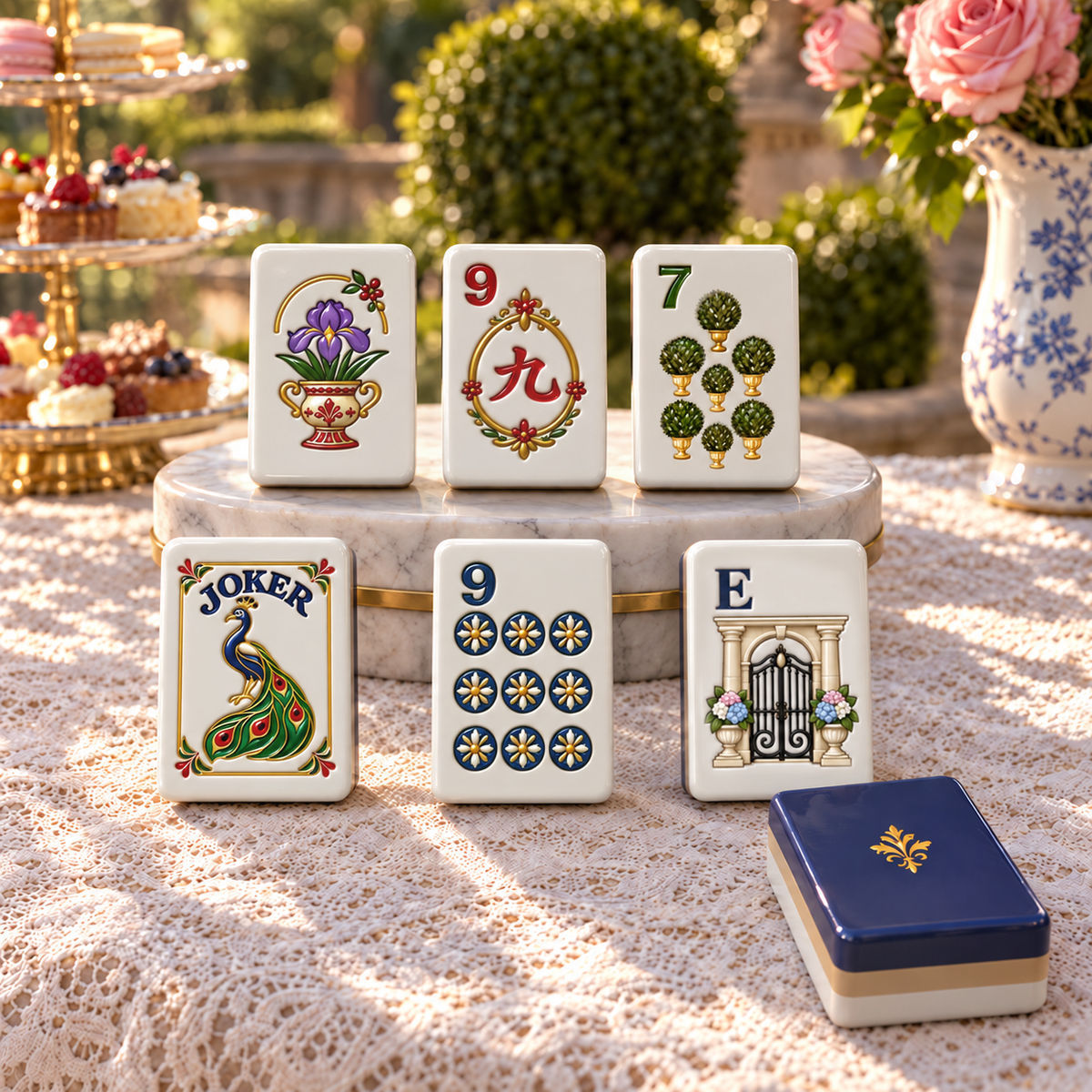
Mahjong lessons in Tulsa are offered through community centers, libraries, synagogues, country clubs, and online meetup boards—search "Tulsa mahjong club" or "mahjong lessons near me" on community notice boards and Facebook groups to find current offerings. Most beginner courses run 4–8 weeks, meeting once or twice weekly for 1–2 hours, and cost varies by instructor and venue. A lesson covers tile recognition, hand construction using the current year's National Mah Jongg League card, the Charleston (tile-passing ritual), basic strategy, and usually one practice game. You'll learn American mahjong exclusively in Tulsa unless you seek out specialized Riichi or Chinese instruction. Once you commit to weekly play at home, invest in a quality set—best-selling acrylic American mahjong sets with a mat and rack system make hosting easier and keep your game sharp between lessons.
Once you commit to learning mahjong in Tulsa, you'll join a quiet but steady scene. Most players discover lessons through libraries, community centers, and word-of-mouth at country clubs or synagogues. Finding a real instructor beats trial-and-error; the game has too many rules to guess your way through.
Where do I find mahjong teachers in Tulsa?
Start by calling Tulsa County libraries—many host beginner groups or can recommend instructors. Community centers and recreation departments post seasonal class schedules online and at front desks. Synagogues and Jewish community centers often sponsor mahjong instruction, regardless of your faith. Search "Tulsa mahjong" on Meetup.com or Facebook community groups; ask if anyone teaching or hosting regular games. Country clubs and senior centers sometimes offer lessons by appointment. Call 2–3 venues to compare schedules, instructor experience, and group size—smaller groups (4–6 players) mean more one-on-one feedback than classes of 12+. Expect to find at least one option within 20 minutes' drive from downtown Tulsa.

What will my first lesson cover?
Your instructor will spend the first hour on tile recognition: the three suits (Bams, Craks, Dots, numbered 1–9), winds (North, East, West, South), and dragons (Red, Green, White). Then they'll explain how the National Mah Jongg League card—published fresh each spring—dictates which 14-tile combinations win. You'll learn the Charleston, the ritual where players pass tiles before the game starts, which feels odd until it clicks. Most lessons include one supervised practice game where an instructor calls out plays and explains why. Bring a notebook and a willingness to feel lost the first hour; everyone does. The rules are dense, but the curve flattens fast once you play three games.
How long does it take to go from beginner to playing regularly?
Most players grasp the fundamentals in 4–6 weeks of weekly lessons. By week 3, you'll recognize hands on the card and understand when to call a pung or expose a kong. By week 6, you'll play a full game without stopping for rule clarification every other turn. Becoming comfortable—reading the card quickly, spotting melds mid-game, managing your rack—takes 2–3 months of weekly play. Mastery comes over a year of regular games; even then, the card changes each spring, so no one ever stops learning. The key is consistency: one lesson weekly beats three lessons crammed into one month.
What should I have at home once I join a game?
You need a 152-tile American mahjong set with 8 jokers, a mat with scoring track and wall indicators, individual racks with pushers, and a bag to keep everything protected. The mat keeps tiles visible and organized; without one, play slows down and mistakes multiply. Racks hold your hand vertically so other players can't see your tiles, and pushers let you move them smoothly without fumbling. A high-quality set won't warp or chip after two years of hosting; cheap plastic sets show wear after a few months and become frustrating to shuffle. Once your game locks into a regular schedule—weekly Thursday nights, for example—buy the set together as a group or ask the host to invest; it's a shared asset that pays for itself in peace of mind.
🀄 Shop best-selling mahjong sets →
What mistakes do Tulsa beginners make that slow down lessons?
Mistake 1: Not bringing the card to every lesson. The card is not optional. Buy a laminated copy or take photos. Your instructor can't drill hands into you if you're not reviewing between sessions.
Mistake 2: Confusing hand patterns with Chinese or Hong Kong mahjong. American mahjong uses only the card. There are no sequences (chows) you can call, no scoring tiles, no flower bonuses per se. If your instructor trained in a different variant, ask them to clarify American rules up front.
Mistake 3: Overloading your rack. Beginners cram all 14 tiles into their rack at once. Practice holding 7–8 tiles on top, then drawing and discarding one at a time. This rhythm prevents errors and keeps the game flowing.
Mistake 4: Ignoring the Charleston. New players think the tile pass is busy work. It's not. The Charleston sets the tone for which tiles are in play. Pay attention to what you pass and what you receive; it trains your eye to spot patterns.
Mistake 5: Playing with a worn-out set on a bare table. Slippery tiles, no wall markers, no individual racks, and no score pad create chaos. Every beginner round held on a proper mahjong mat with racks runs cleaner and lets people focus on learning, not logistics.

Do I need to stay with the same instructor or group after the initial course?
No. After 4–6 lessons, you have enough foundation to join a different weekly group or host your own game. Tulsa has informal home-game networks; ask your instructor if they know other players looking for a fourth hand. Many players take one or two lessons, then join existing groups rather than stay in formal classes. The value of an instructor is getting the rules right early; once you know the card and the basic flow, you learn most from playing—repetition and mistakes caught by experienced players teach faster than lectures. That said, if a particular instructor offers advanced strategy sessions or card-reading workshops, those are worth revisiting even after you've played for a year.
Quick Reference: Starting Your Own Weekly Game After Lessons
Step | What to Do | Timeframe | Key Point |
1. Complete lessons | Attend 4–6 beginner classes. | 4–6 weeks | Know the card and hand basics. |
2. Find three steady players | Ask your instructor, post in Tulsa FB groups, or invite friends. | 1–2 weeks | Same four people each week beats rotating players. |
3. Pick a regular time & place | Thursday 7pm at your home, for example. | Week 1 of your game | Consistency beats flexibility. |
4. Buy or pool for a quality set | Best-selling acrylic sets designed for home play. | Before first game | One investment for years of use. |
5. Add a mat and racks | A mat with wall markers and individual racks. | Before first game | Keeps tiles clean, organized, and fair. |
6. Laminate one current-year card | Buy or print the National Mah Jongg League card. | Before first game | Never play without the card. |
7. Play one supervised game | Invite your instructor or an experienced player to host the first round. | Week 1 | Catches rule mistakes early. |
8. Play weekly | Commit to the schedule. | Ongoing | Mastery comes from repetition. |
🎁 See our most-loved mahjong sets & accessories →
What to Check Before You Buy a Mahjong Set
Once you commit to weekly play, buy a set that lasts. Here's what matters:
Tile material: Acrylic and bamboo/wood last longest. Cheap plastic tiles get slippery and dull after a year. Tiles should feel substantial when you shuffle, not lightweight or hollow.
Joker count: American mahjong always plays with exactly 152 tiles and 8 jokers. A quality home set includes spare jokers and blank tiles for repairs or replacement.
Weight and fit: Pick up the set in your hand (if buying in person) or watch a video unboxing. Tiles should stack neatly and shuffle without sticking. Test shuffles matter more than looks.
Engraving clarity: If you buy engraved American mahjong sets with personalized text or titles, make sure the engravings are deeply cut so they don't fade after hundreds of shuffles.
Storage and shipping: Your set should arrive in a sturdy case or bag. Free US shipping is standard for quality retailers; verify the packaging protects corners and edges.
Mat condition: If buying a bundled set with a mat, check that the mat backing is non-slip (not just printed fabric) so it doesn't slide during play.
Start with best-selling mahjong sets—they're vetted by players who've hosted weekly games for years.
✨ Find your Mahstead set — free US shipping →
How to Build Confidence Between Lessons
Review the card daily: Spend 5–10 minutes scrolling through hand patterns on your laminated card. Muscle memory for common hands beats cramming the night before a game.
Teach a friend one hand: Explaining a single winning pattern to someone else locks it into your brain. Pick an easy one first (e.g., "like numbers" or "consecutive").
Watch one practice round online: Search YouTube for "American mahjong tutorial" or "how to play mahjong"; many instructors post full games. Hearing live commentary trains your ear for flow and pacing.
Join your instructor's email list: Many Tulsa instructors send weekly tips or reminders of upcoming lessons. Ask if they host open-play sessions between formal classes.
Set up your home set once a week: Even if you don't play, shuffle tiles and organize your rack. Familiarity with the equipment removes one layer of anxiety at the table.
The most confident beginners are the ones who commit before they're ready—they know they'll learn by doing. Tulsa instructors expect questions and mistakes. Embrace both.

FAQ
How long is a typical mahjong lesson in Tulsa?
Most lessons run 60–90 minutes. The first 20–30 minutes cover rules, then 30–40 minutes of supervised practice or Q&A, and the final 20 minutes is usually one full game or free play. Some courses meet twice weekly for 45 minutes each; formats vary by venue.
Do I need to know anything before my first lesson?
No, but read a one-page overview of the rules beforehand if you're nervous. Most beginners show up cold and do fine. Bring a notebook, stay hydrated, and tell your instructor if you're a beginner—they'll pace accordingly.
Can I learn American mahjong from a friend instead of taking a lesson?
Yes, if your friend has 2+ years of regular play and is patient. Learning from a peer is cheaper but slower; you'll pick up their shortcuts and habits (good and bad). A formal lesson gives you the official card and rules without ambiguity, which saves weeks of confusion later.
What's the difference between American, Chinese, and Hong Kong mahjong?
American mahjong uses only hands printed on the annual National Mah Jongg League card—no sequences allowed, strict melds, and one winning hand per round. Chinese and Hong Kong variants use traditional scoring, allow chows (sequences), and have no card. Learn the version your instructor teaches first; switching is hard. In Tulsa, assume American unless told otherwise.
How much does a beginner mahjong set cost to own?
Prices vary widely, but a quality home set with mat, racks, and case ranges from budget-friendly to premium options. Compare see current price on the product page. Always buy a set you'll keep for years, not a disposable one—the math favors durability after 50+ games.
Will I embarrass myself in my first lesson?
Every mahjong player in the room started exactly where you are. Beginners ask "Is this a winning hand?" five times a lesson. Instructors expect it. The only way to embarrass yourself is to not ask questions or pretend you understand when you don't.


View More
View More
View More
