
Mahjong Lessons in Sarasota: Where to Learn & What to Expect
Last updated: Nov 23, 2026
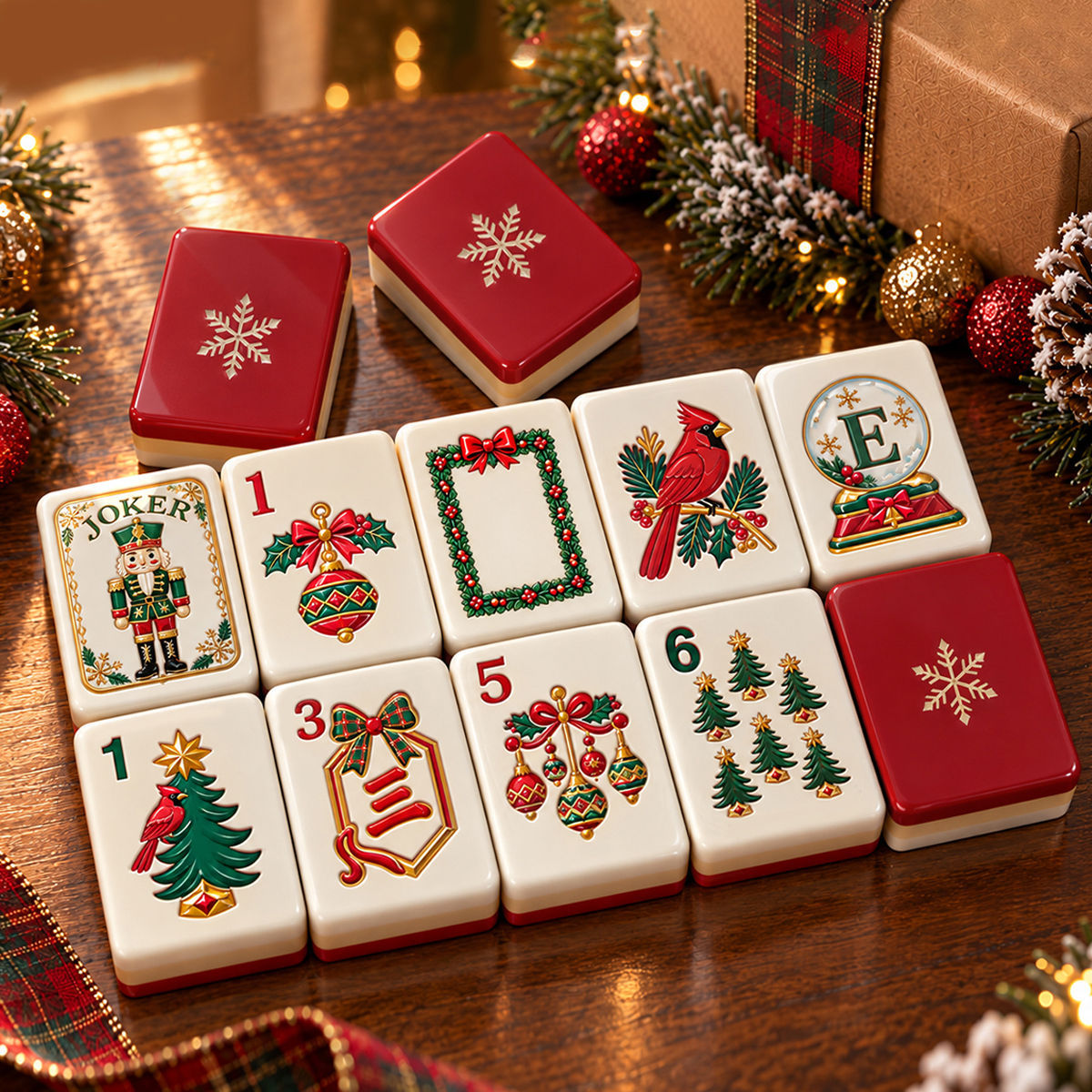
Mahjong lessons in Sarasota are available through community centers, libraries, synagogues, and country clubs—check local listings or meetup boards for current class schedules. Most beginner courses teach American mahjong over 4–8 weeks, covering tile recognition, hand-reading from the National Mah Jongg League card, the Charleston (the pre-game tile-passing ritual), and basic scoring. Expect to pay modest per-class or seasonal fees through these venues. You'll need a 160-tile American mahjong set with a mat and rack for comfortable play. Many instructors recommend starting with our best-selling mahjong sets because they're durable for weekly games and easy to shuffle. Before enrolling, ask whether the course teaches American-rules only or covers variants (Chinese, Hong Kong, Riichi), since rule differences are substantial and can confuse beginners switching between styles.
Where do Sarasota players actually find mahjong lessons?
Community centers, public libraries, and synagogues across Sarasota host beginner mahjong classes seasonally. Check your local community center website or call the main branch to ask about current sessions. Libraries often post flyers or maintain bulletin boards listing instructors and game times. Synagogues and country clubs frequently host weekly games for members and sometimes offer lessons. Meetup boards and Facebook groups for Sarasota hobbies often list upcoming classes and casual game nights. Start by calling your nearest community center; staff can point you to current instructors or recommend groups that welcome new players.

What exactly does a typical beginner mahjong course cover?
A standard 6–8 week American mahjong course teaches tile identification (three suits: Bams, Craks, Dots; winds; dragons; flowers; jokers), hand patterns from the annual National Mah Jongg League card, the Charleston ritual, exposure rules (pungs, kongs, quints, sextets only—no sequences in American mahjong), and basic scoring. Most instructors spend week one on tiles and card reading, weeks two–four on hand-building and exposure strategy, and final sessions on scoring, etiquette, and hosting tips. Many include at least one full practice game so you leave confident enough to join a casual group. Ask the instructor upfront whether they focus on American rules only, which is best for beginners, or mix in variants like Chinese or Hong Kong styles.
What's the difference between American mahjong and other styles taught locally?
American mahjong uses 152 tiles (plus 8 jokers in play), relies entirely on a printed hand card issued yearly by the National Mah Jongg League, and forbids sequences (chows)—you expose only identical tile groups (pungs, kongs, quints, sextets). Chinese and Hong Kong mahjong use different tile counts, allow chows, and require memorized hand lists rather than a printed card. Riichi mahjong (Japanese) plays with a smaller tile set, concealed hands, and betting rounds. Taiwanese mahjong has its own exposure and payment rules. Beginners should choose one variant and stick with it for at least three months before trying another; switching styles mid-learning causes confusion. Most Sarasota community classes teach American mahjong, which is the widest-played variant in the US and the easiest to learn from a printed reference.
🀄 Shop best-selling mahjong sets →
What equipment do you need before your first lesson?
You need a 160-tile American mahjong set (includes 152 playing tiles plus spare jokers and blanks), a mat, a rack with pushers, and a printed National Mah Jongg League card for the current year. Most instructors provide sets and cards for in-class use, so you don't need to buy anything before attending. However, if you plan to host weekly games or attend open game nights, investing in a durable set with a mat lets you practice shuffle technique and hand-reading at home. Racks with pushers prevent fumbling and make tile management cleaner—especially helpful when you're learning to track discards and count your hand quickly. A travel bag protects your set if you're moving between venues or carrying it to lessons.
Equipment | Why it matters | When to buy |
160-tile set | Durable, matches lesson standard | After lesson 1 if joining a weekly group |
Mat | Protects tiles, defines discard well | With your first set |
Rack with pushers | Speeds up play, aids beginners in counting | Optional first month; essential by week 4 |
Travel bag | Protects set during transport | If hosting games or attending multiple venues |
Current year's card | Required to read legal hands | Instructor usually provides; buy your own for home practice |

How do you move from lessons into a regular game group?
Ask your instructor whether they host or recommend weekly game nights after the course ends—many do. Alternatively, attend open game nights at the same venue where you took lessons; returning players often teach new folks. Look for groups marked "beginner-friendly" or "teaching table" rather than advanced games. Bring your set if you've bought one, or ask whether the venue supplies equipment. Play with the same 3–4 people for your first 4–6 weeks so you learn their style and can focus on your hand strategy rather than adapting to new opponents constantly. Join a consistent time slot (Tuesday evenings, Thursday afternoons) so other players know you're reliable; groups need four steady players to function smoothly.
🎁 See our most-loved mahjong sets & accessories →
Common beginner mistakes to sidestep from day one
Memorizing hands instead of understanding patterns. The National Mah Jongg League card shows hand templates by suit combination and length. Beginners often try to memorize every hand photographically. Instead, learn the section structure—how two-suit hands differ from one-suit hands, where quint hands appear on the card, how to spot whether a pattern calls for pairs or pungs. This lets you read new cards or variants confidently.
Forgetting that jokers can never form a single tile or pair. Jokers can only replace tiles in pungs, kongs, quints, or sextets. Many new players mistakenly use a joker as a loose tile at the end of a hand. It fails, and play stalls—frustrating for everyone.
Exposing (calling) a pung before confirming it matches your hand goal. Once you expose a group, you're committed; if it doesn't fit the hand you're building, you've slowed your progress. Wait until you're sure.
Not tracking discards carefully. Watch what others throw away and what's been picked from the wall. Beginners get distracted and miss signals that tell you when someone's close to winning or which tiles are safe to discard.
What to check before you buy a set for home practice
Before purchasing a set, confirm it includes the current year's National Mah Jongg League card—most quality sets ship with a printed card, but cheap sets skip it. Verify the set has exactly 152 playing tiles; sets marketed as 160 or 166 tiles add spares (extra jokers or blanks) for replacement if tiles wear out, but the playing count is always 152. Check tile thickness and material—acrylic holds up better than resin for frequent shufflers, and thicker tiles feel more stable during the fast mixing phase before the Charleston. Ensure the set comes in a protective case or bag if you'll be transporting it; loose tiles in a cardboard box risk chipping en route. Ask whether the mat is included; some sellers bundle it, others charge separately. Confirm the rack and pushers are wood or quality plastic—flimsy racks collapse when you lean on them during a long game.
✨ Find your Mahstead set — free US shipping →

FAQ
Do Sarasota instructors teach American mahjong only, or mixed variants?
Most community-center and library instructors in Sarasota teach American mahjong exclusively because it's the most widely played variant in the US and easiest for beginners. Ask your instructor before enrolling if you want to learn Chinese or another style specifically—they may refer you to a specialized group.
How much does a beginner mahjong course cost in Sarasota?
Community centers and libraries typically charge modest per-class or seasonal fees. Contact your local venue directly for current rates, as pricing varies by organization and class length. We can't speak to third-party venue pricing.
Can I start playing American mahjong without owning a set?
Yes. Instructors provide sets and cards during lessons. Own a set only if you plan to host weekly games, practice at home, or attend open game nights. If you do, our best-selling sets come with everything beginners need: tiles, mat, rack, pushers, and the current year's card.
What's the fastest way to move from lessons to playing in a real game group?
Ask your instructor about post-course game nights at the same venue. Attend consistently (same day and time each week), bring your own set after the first few sessions, and commit to playing with the same small group for at least a month while you build confidence.
Should I buy a travel bag for my mahjong set right away?
Only if you're transporting your set between multiple venues or storing it in a car. If you're playing at the same location weekly, a protective case at home is enough. Bags matter most once you're an active group member moving between different game nights.
What's the #1 mistake beginners make during their first lessons?
Trying to memorize every hand on the card instead of learning the pattern logic behind hand families. Spend your first lesson understanding how hands are organized (suits, lengths, kong sections) so you can read any card confidently, even when rules change seasonally.


View More
View More
View More
