
Mahjong Lessons in Richmond: Where to Learn & What to Expect
Last updated: Nov 23, 2026
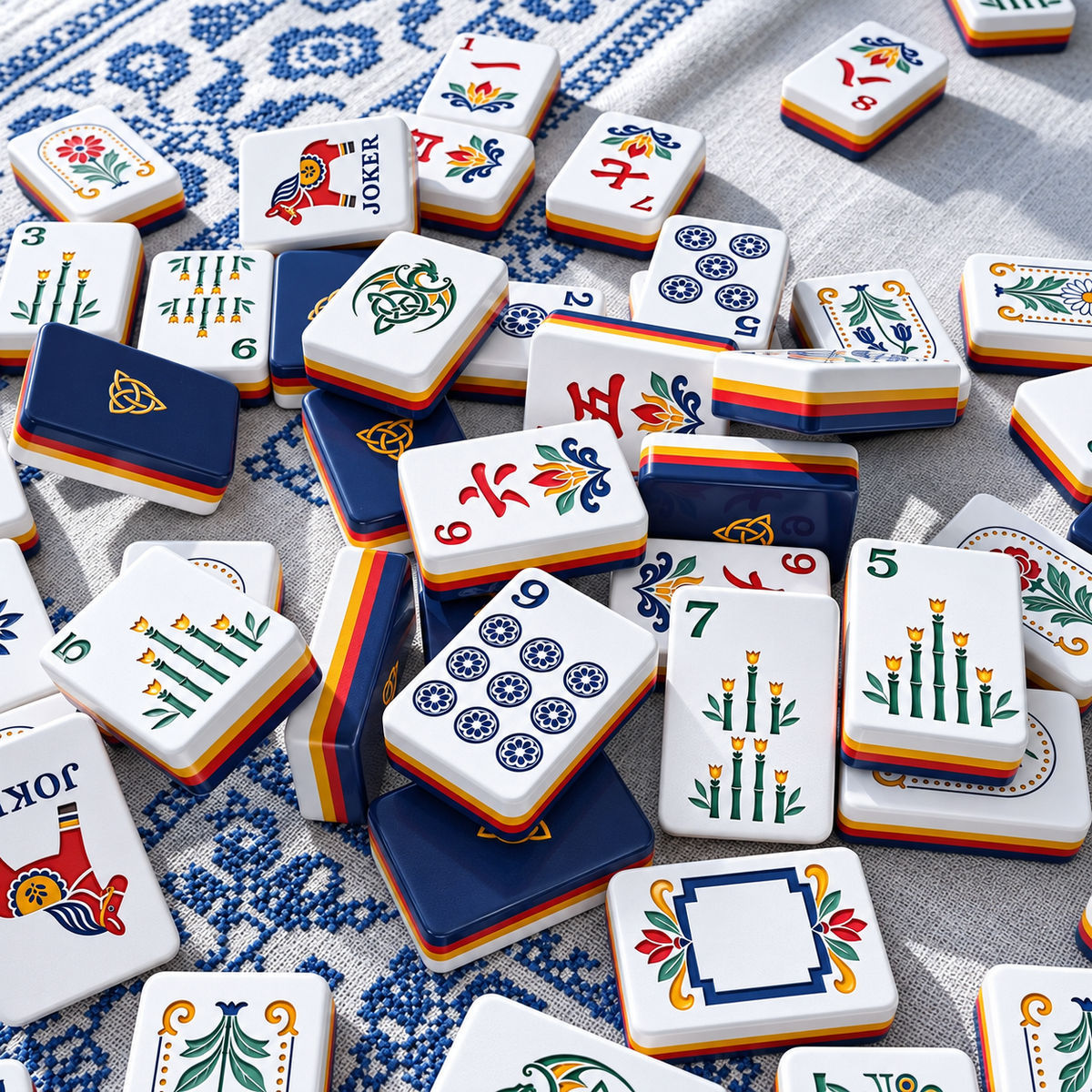
Mahjong lessons in Richmond are available through community centers (especially near libraries and synagogues), recreational programs, and private tutors who advertise on community boards or Meetup. Most beginner lessons run 4–8 weeks, meeting weekly for 1.5 to 2 hours, covering tile recognition, hand reading from the current-year National Mah Jongg League card, the Charleston (tile-passing ritual), and basic American mahjong rules. Costs vary by instructor and venue; ask directly about rates. Bring notebooks, a best-selling mahjong set to practice at home, and a willingness to lose a few hands while learning—every player starts there.
Where Do Richmond Residents Actually Find Mahjong Lessons?
Check your local library website first: many offer free or low-cost community room rentals where instructors teach, or they maintain bulletin boards listing tutors. Community centers, especially those near parks departments, often host wellness classes including mahjong. Synagogues and country clubs sometimes sponsor lessons; search your neighborhood nextdoor board or Meetup for "mahjong Richmond" to find active games and informal teaching groups. Ask if the instructor teaches American mahjong (the 152-tile version with the National Mah Jongg League card) or another variant like Chinese—they are not the same.

What Exactly Do Beginner Lessons Cover in Week One?
Your first session introduces the 152 tiles: three number suits (Bams, Craks, Dots numbered 1–9), four winds, three dragons, and flowers. You'll learn what pungs (three identical tiles), kongs (four), and jokers are, then practice building a hand layout. The instructor will explain why the National Mah Jongg League card changes every spring and show you how to read it—this is critical, as your hand must match a valid pattern on that year's card or you cannot win. Expect to shuffle tiles, hear about the Charleston passing ritual, and play a simplified game where everyone learns pacing. Bring a pen; you'll want to note tile names and hand types.
Do You Need Your Own Set Before Lessons Begin?
Many instructors provide sets for class use, but buying one early helps you practice at home and trains your muscle memory with tile handling. When you're ready, a mahjong set designed for engraving lets you personalize it—some players engrave their initials or a funny phrase to make it memorable for weekly games. A 160-tile acrylic set includes everything you need: 152 playing tiles plus spares. Ask your instructor what tile size and material suit your hand (acrylic is durable and lightweight) before you invest.
🀄 Shop best-selling mahjong sets →
How Does the Cost of Lessons Compare to Hosting Your Own Games?
Lesson Type | Duration | Typical Format | Your Investment |
Library or community center group class | 4–8 weeks, 1.5–2 hrs/week | 6–12 students, shared sets | Small (ask venue) |
Private tutor, one-on-one | 1–2 hours/session, flexible | You + instructor | Higher per hour |
Informal meetup, no instructor | Ongoing, weekly | 4 players, peer teaching | One mahjong set only |
After learning: weekly home games | 2–3 hours/session, ongoing | 4 players, rotating hosts | One set + mat (optional) |
Once you finish lessons, hosting your own weekly games costs only the initial set purchase—no per-session fees. If you host regularly, a mahjong mat designed to protect your table and racks with pushers make setup faster and gameplay cleaner, though neither is required to play.

What Common Mistakes Do New Students Make, and How Do Lessons Help?
Beginners often try to hold too many tiles in hand without a rack, losing track of what they're building; instructors teach proper rack use and tile organization. Many misread the League card—confusing sections or forgetting that certain tiles cannot be jokers—so lessons focus on card literacy step-by-step. New players sometimes expose tiles they shouldn't (American mahjong only allows exposed pungs, kongs, and special patterns, never sequences or pairs) or misunderstand the Charleston; a teacher prevents these costly errors immediately. Lessons also embed the rhythm of play: drawing, discarding, listening for calls, and managing tile pressure. Practice games in class let you make mistakes cheaply, before real money or pride is on the line.
✨ Find your Mahstead set — free US shipping →
What Should You Check Before Signing Up for a Lesson?
Confirm the variant: Ask if the instructor teaches American mahjong (National Mah Jongg League card, 152 tiles, no sequences) or Chinese/Hong Kong/Riichi. American is most common in U.S. communities, but always verify.
Bring your own set or use the instructor's? If you bring one, make sure it has all 152 playing tiles. A practical beginner set in acrylic is all you need.
When does the new League card arrive? The National Mah Jongg League issues a fresh card each spring, so winter lessons may use last year's card. Ask the instructor to clarify.
How many weeks and what's the pace? Beginner-friendly instructors move slowly through tile names, the card, and Charleston before playing real hands.
Will you get a list of winning hands or a card? You must have access to the current year's League card to verify wins; confirm the instructor supplies it or tells you where to get one.
After Lessons: How to Keep Playing and Hosting Weekly Games
Once you finish lessons, join a local weekly group or start your own. Ask the instructor if they know other players in Richmond seeking a steady game, or post on community boards to recruit three others. You'll need one good acrylic mahjong set and the current-year National Mah Jongg League card (check the League website each March for the new edition). If you host, a mat protects your table and speeds setup, and a bag or case keeps your set organized and easy to transport if you play at different homes. Many longtime players in Richmond now meet weekly, and lessons are the fastest path to joining them.
🎁 See our most-loved mahjong sets & accessories →
For deeper rules once you've learned the basics, see our guide to how to play American mahjong and mahjong for beginners to refresh any concept before your first lesson or between sessions.

FAQ
Can I learn mahjong online instead of in-person in Richmond?
Yes. Some instructors offer Zoom lessons covering the same basics: tiles, card reading, Charleston, and rules. In-person is easier for handling tiles and playing a practice hand, but online works if you already have a set and notebook ready.
Do I need to buy a mahjong set before my first lesson?
No. Most instructors provide sets for class. However, buying one early (even an affordable acrylic set) lets you practice at home between lessons and speeds up your learning curve significantly.
Which mahjong variant should I learn if I live in Richmond?
American mahjong is the most widely played in the U.S., including Richmond communities. It uses a 152-tile set and the National Mah Jongg League card. If an instructor mentions Chinese or Hong Kong mahjong, those are different games with separate rules—ask which suits your goal.
How long before I'm ready to play in a real game after lessons?
Most students are comfortable playing a full hand after 4–6 weeks of lessons. You won't win every round (or any), but you'll understand the flow and not slow down the table. Players expect beginners to be slower and make mistakes—that's normal.
Where do I get the National Mah Jongg League card?
Contact the National Mah Jongg League directly or ask your instructor to order one; a new card is issued every spring. Some library systems and instructors keep current cards available. You cannot play winning hands without it.
What's the difference between a mat and a tablecloth for mahjong?
A mat is padded, reversible, and designed specifically for mahjong tile handling and noise reduction; a tablecloth is fabric covering. A mat is worth the investment if you host weekly games and want to protect your table and move tiles smoothly.


View More
View More
View More
