
Mahjong Lessons in Portland: Where to Learn & Get Started
Last updated: Nov 23, 2026
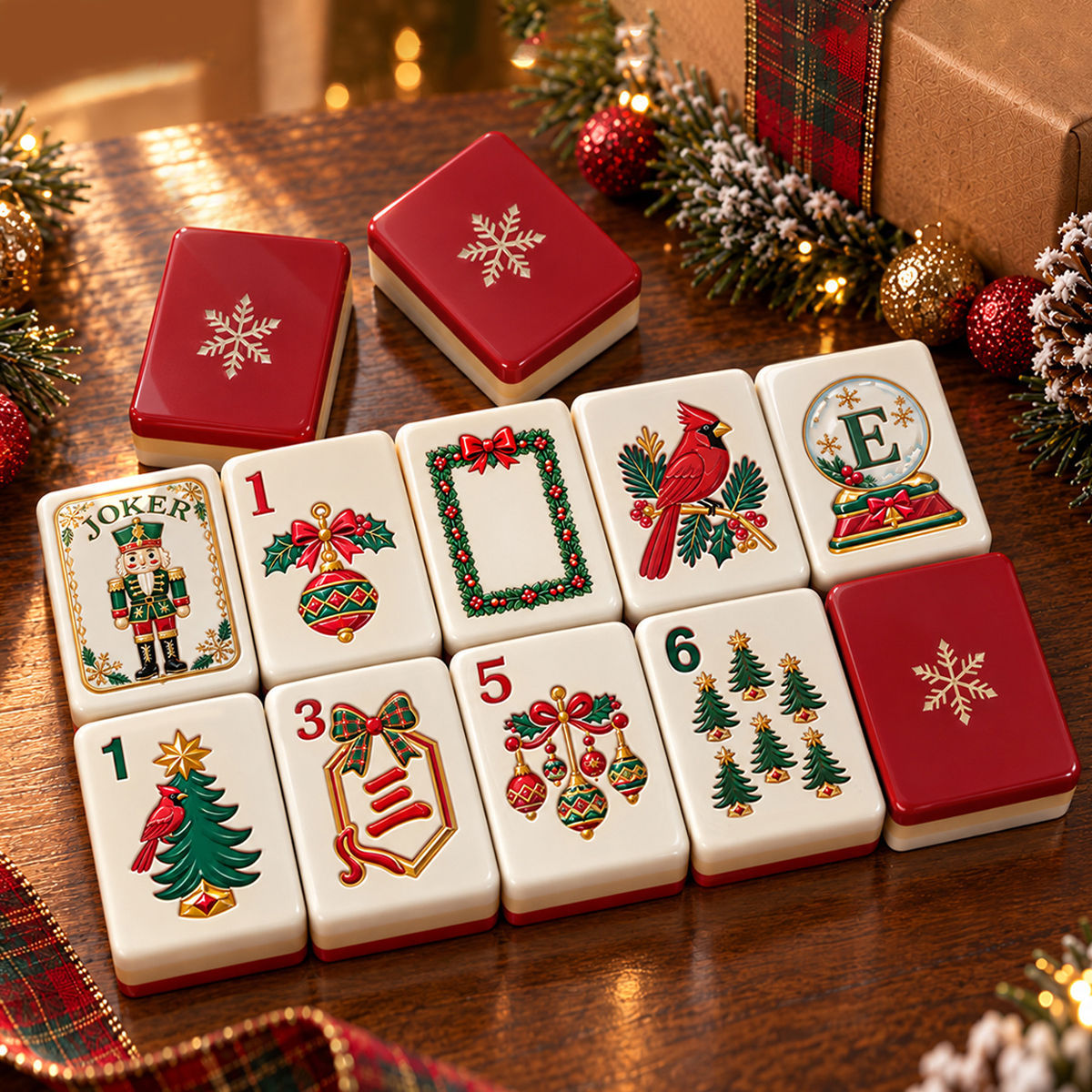
Mahjong lessons in Portland are offered through public libraries, community centers, synagogues, country clubs, and private instructors—most commonly in the Pearl District and Southeast neighborhoods. Beginner classes typically run 4–8 weeks, meeting weekly for 1.5–2 hours, and cost anywhere from free (library-hosted) to modest fees for structured coaching. Classes teach you American mahjong rules, the Charleston (tile-passing ritual), hand recognition from the National Mah Jongg League card, and how to play with real tiles. Start by calling your local library or searching community meetup boards for "mahjong" plus "Portland"; many instructors also advertise on social media. You'll want to join a group where players are patient with newcomers—avoid tables where teaching stops mid-game. Bring a notebook, wear comfortable clothes (games run 2–3 hours), and expect to lose money your first few sessions (that's normal). We recommend starting with a best-selling set once you've had your first lesson, so you own tiles to practice at home.
Where do Portland mahjong lessons actually happen?
Most beginner mahjong lessons in Portland happen in three types of venues: public libraries (usually free or low-cost, hosted by volunteers or staff), community centers (small fee, structured curriculum), and synagogues or social clubs (often game-night focused, invite-only or open). Check your local library's website first—many have bulletin boards or event calendars listing mahjong instruction. Community centers post class schedules online; search for yours by zip code. Meetup.com and local Facebook groups ("Portland Mahjong," "Oregon Mahjong Players") often list upcoming beginner nights. A few private instructors in the area offer one-on-one coaching or small-group clinics; ask the library or club leaders for referrals. Avoid assuming all "mahjong clubs" teach the American variant—some play Chinese or Hong Kong mahjong instead, which use different rulesets and tile counts.

What should I expect in my first lesson?
Your first lesson will cover hand formation, tile identification (Bams, Craks, Dots, winds, dragons, flowers), and the Charleston—the tile-passing exchange before each game begins. The instructor will teach you how to read the National Mah Jongg League card, which shows all legal winning hand patterns for that year. You'll learn why American mahjong has no sequences (chows), only matched sets called pungs (3 identical tiles), kongs (4 identical), and higher groupings. Expect to play a full game your first session; you'll likely win once or twice by accident and lose most hands. Bring a pen and notepad. Games last 1.5–2.5 hours. Many instructors supply demo tiles, but after week two or three you'll benefit from owning your own set with racks and pushers, which help you organize tiles faster as you learn.
How long before I'm ready to play without coaching?
Most players are ready for casual club play after 4–6 weeks of weekly lessons (approximately 20 hours at the table). You'll understand tile names, hand patterns, scoring basics, and the pace of the game. Mastery—knowing which hands to chase, when to hold, reading opponents—takes years. After your first 4 weeks, you can comfortably play at a beginner-friendly table where other players remind you of rules and don't punish mistakes. Avoid jumping into high-pressure games or tournaments until you've played casually for at least a few months. Keep attending beginner lessons or join a beginner-only club night; most Portland venues have them. The key metric isn't time elapsed but hands played; aim for at least 50–100 full games before you feel confident.
🀄 Shop best-selling mahjong sets →
What gear do you actually need to practice at home?
At minimum, you need a mahjong set (152 tiles plus 8 jokers), a mat or cloth to play on, and a copy of the current National Mah Jongg League card (available free online, printed or as an app). A set of racks with pushers helps you hold and organize tiles like players do at the table—crucial for learning hand-building speed. A dice set is nice but not mandatory for casual home play. If you live alone, you can practice hand recognition and the Charleston sequence solo, but you won't learn strategy or decision-making. Many Portland players buy a set in week 3–4 of lessons once they're sure they'll stick with the game. Home practice between lessons speeds up your confidence by 3–4 weeks.
Gear you'll need before your first home session:
A mahjong set (152-tile, with 8 jokers)
A mat or tablecloth
Current-year National Mah Jongg League card (digital or printed)
Racks with pushers (one per player if possible)
Pen and notepad for tracking scoring
All of these are available together; see our best-selling collection for bundles.

How do you choose between group lessons and one-on-one coaching?
Learning format | Best for | Why it works | Drawbacks ---|---|---|--- Group lessons at library or center | Beginners who like social play, want free or low cost | Peer learning, affordable, ongoing community | Slower individual feedback, fixed schedule Private instructor (1-on-1 or small group) | Players who learn fast, want customized pace, live far from venues | Tailored to your speed, flexible timing, intensive | Higher cost (ask your instructor for a quote), less peer energy Club beginner night | Newcomers ready to play real games, want to meet players | Learn at actual table, build relationships, free after first visit | Faster pace, less explanation, assumes basic knowledge
Start with group lessons if you're unsure about commitment. Once you understand the rules and want to accelerate, consider private coaching for 4–6 weeks. Then join a club night to practice with peers.
What mistakes trip up Portland beginners most?
Mixing American rules with other variants. If you learned Chinese or Hong Kong mahjong elsewhere, forget sequences (chows) immediately—American mahjong doesn't use them. Only pungs, kongs, and higher groupings are valid. Start fresh.
Not using the Charleston correctly. Many newcomers rush it or skip tiles. The Charleston is a four-tile pass in three directions—left, across, right—before play begins. Watch it done twice, then do it slowly yourself the first time. Instructors often pause here and repeat.
Overthinking the first few games. Your job is to learn, not win. Lose money confidently. Watch how experienced players read the card, track discards, and decide which tiles to hold. You'll absorb strategy naturally over weeks, not days.
Buying the wrong set too early. A cheap online set with tiny tiles frustrates beginners. Invest in a quality set with readable suit symbols and smooth-sliding tiles. You'll use it for years; it's not an expense, it's equipment.
Skipping home practice. Attending lessons only doesn't build muscle memory. Shuffle tiles at home, lay out the card, and try to spot hands from random tile draws. Spend 30 minutes per week solo and you'll retain 40% more than lesson-only players.
🎁 See our most-loved mahjong sets & accessories →
How to find the right Portland lesson for you
Call or email your closest library and ask: "Do you offer mahjong lessons or know local instructors?" Search Meetup.com and Facebook for "[city] mahjong" and filter by events in the next month. Many groups post "beginner welcome" in the title. Ask the instructor three questions:
Do you teach American mahjong? (Not Chinese, Hong Kong, or Riichi—different rulesets, tile counts, and strategy.)
Are supplies provided, or do I bring my own tiles?
What's the pace—can I ask questions mid-game?
A "yes" to all three and a patient instructor voice = good fit. Avoid venues where other players sigh when you ask for a rule clarification.
Once you've had 2–3 lessons and know you're serious, pick up your own set. We recommend starting with a set featuring readable tile designs and a carrying bag if you'll transport it to lessons.
What to check before you buy:
Tile size (ideally 1.25 inches or larger for easy reading)
Readability of Bam, Crak, Dot symbols and numbers
Weight and feel (tiles should slide smoothly, not stick)
Carrying bag included (for transporting to lessons)
A mat or storage bag for at-home practice
We ship free across the US, so you can start practicing immediately after your first lesson.
✨ Find your Mahstead set — free US shipping →

FAQ
How much do mahjong lessons cost in Portland?
Free lessons are offered at many libraries. Community centers charge small fees, typically under per-session. Private instructors vary—ask for a quote from your preferred teacher. Most beginner courses run 4–8 weeks at affordable rates.
Can I learn mahjong online before I take an in-person lesson?
Yes. Videos on YouTube and mahjong blogs cover tile names, hand patterns, and the Charleston. However, online learning won't teach you game pace, social etiquette, or how to play smoothly with real opponents. Use online resources to build confidence before your first lesson, not instead of it.
What's the difference between American mahjong and Chinese mahjong?
American mahjong uses 152 tiles and hand patterns from the National Mah Jongg League card updated yearly. Chinese mahjong uses 144 tiles and allows sequences (chows). Scoring and strategy differ completely. Portland lessons typically specify which variant; confirm with the instructor before you enroll.
Do I need my own mahjong set before lessons start?
No. Most instructors provide demo sets. Once you've had 2–3 lessons and decide to continue, buy a set so you can practice at home between sessions. This speeds your learning by weeks.
How often should I play to improve?
Aim for one lesson per week plus 30–60 minutes of home practice (shuffling tiles, spotting hands from the card). After 4–6 weeks, join a beginner club night 1–2 times per week if you can. Consistent play beats long gaps—weekly games beat sporadic ones.
Where can I buy a good mahjong set in Portland?
Local game stores, libraries, and community centers sometimes stock sets or can recommend where to buy locally. For reliable quality and free shipping, online retailers specializing in American mahjong ship across the US within days and often offer sets with mats and racks bundled for beginners.


View More
View More
View More
