
Mahjong Lessons in Philadelphia: Finding Teachers & Starting Play
Last updated: Nov 23, 2026
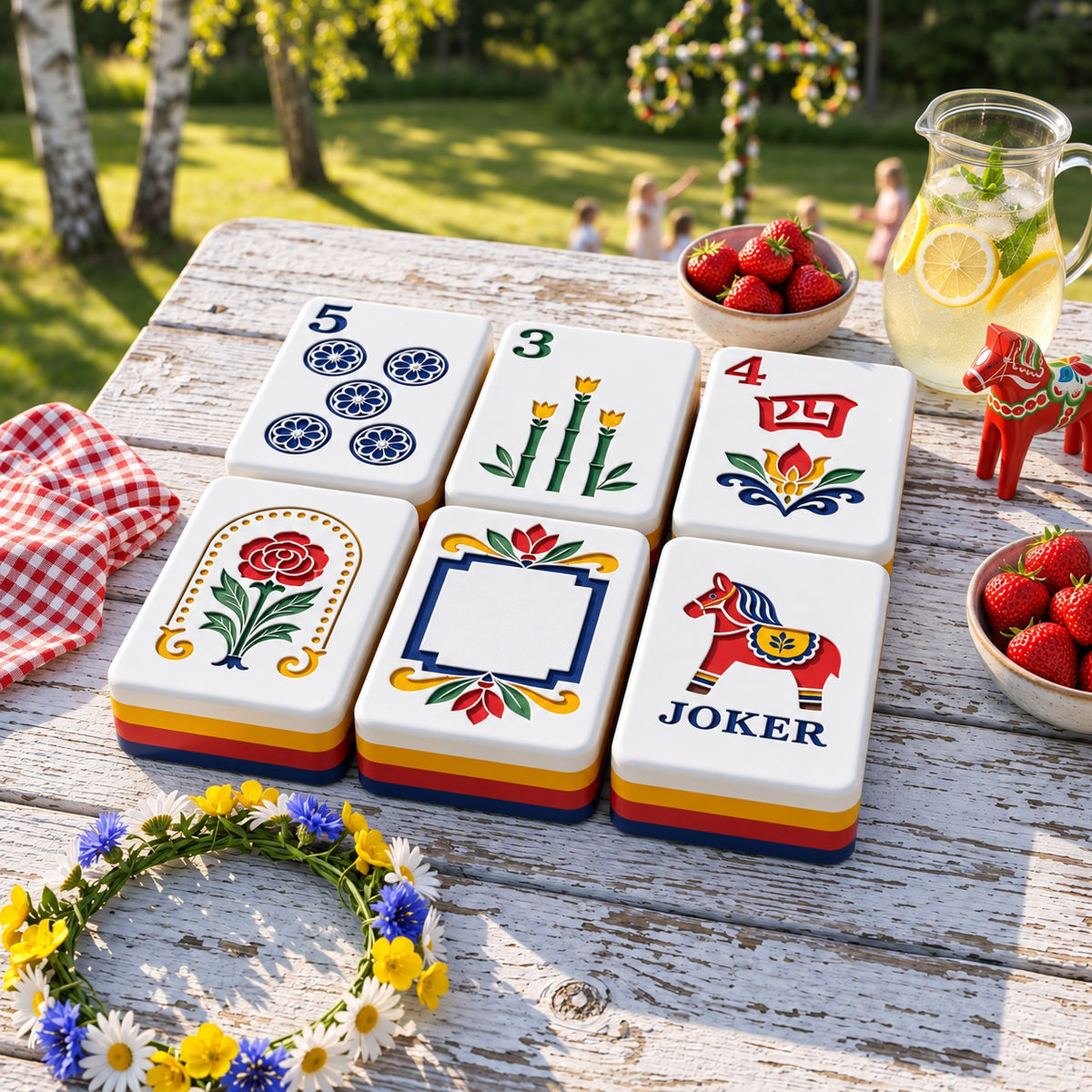
Philadelphia mahjong lessons are available through community centers (check city recreation departments and library bulletin boards), senior centers, synagogues with active adult programs, and country clubs in Main Line suburbs. Most beginner classes run 4–8 weeks and teach American mahjong, the standard in the U.S., covering tile recognition, the Charleston (the pre-game tile exchange), hand patterns from the National Mah Jongg League card, and scoring. Private lessons with experienced players often cost more but move faster; group classes are more affordable and social. Expect to learn the 152-tile set layout, how jokers work, and why you can't make sequences (chows)—that's the biggest American rule difference from Asian variants. Look for instructors who teach from current-year League cards and emphasize practice with real tiles rather than apps, since tile feel and speed matter for game flow.
Where do Philadelphia teachers advertise their lessons?
Community centers run by the city or neighborhood associations often post mahjong classes in spring and fall; call ahead or check their websites for the current schedule. Senior centers, YMCAs, and recreation departments maintain bulletin boards. Libraries—especially branch libraries in Center City and University City—post flyers and sometimes host beginner nights themselves. Synagogues in the Northeast and Main Line suburbs frequently offer lessons as part of adult programming; call their membership office to ask. Look for open Facebook groups labeled "Mahjong Philadelphia" or "Mahjong [Your Neighborhood]" where regular players post upcoming games and beginner-friendly sessions—these are often the fastest way to find real game partners after you've learned basics.

What should you expect in your first lesson?
Your instructor will likely start by showing the tile set, explaining the three suits (Bams, Craks, Dots), winds, dragons, flowers, and jokers, and why American mahjong uses exactly 152 tiles with no blanks in play. You'll learn to recognize tiles by shape and symbol, not just color—critical for speed and accuracy. Most teachers then walk through the Charleston step-by-step: how you pass tiles right, left, and across to randomize hands before the game starts. Then comes hand recognition—learning to spot patterns on the current-year National Mah Jongg League card, which lists every winning hand. Finally, you'll play a few practice rounds slowly, stopping to let the instructor correct errors in tile calling or exposure rules. Bring a notepad; don't rely on memory for the first few games.
How does American mahjong differ from what you might see online or in movies?
American mahjong has no chows—you cannot make or call three-tile sequences like 3-4-5 Dots as you would in Chinese or Hong Kong variants. You can only expose pungs (three identical tiles), kongs (four identical), quints (five), and sextets (six). All hands come from the official League card issued each spring; there's no hand ranking system or "concealed hand" bonus. Jokers are wild—they substitute for any tile you need—but they can never form a pair or stand alone as a single tile. The Charleston is a Philadelphia staple; you'll pass tiles right, left, and across in a ritual that every American game follows before the first discard. If you've played Chinese or Riichi mahjong before, American rules are simpler but slower and more structured; expect to unlearn "fast hand" thinking and focus instead on pattern matching and tile mathematics.
How do you practice between lessons?
Once you know basic rules, attend open game nights in your area—most informal groups meet weekly and welcome returners. Keep a copy of the current-year National Mah Jongg League card at the table and refer to it constantly; every player does. Practice with real tiles, not an app, because tile weight, the sound of the shuffle, and wall-building speed train your muscle memory for actual games. Join one of the informal game groups (ask your instructor or check community boards); play the same group twice weekly if possible—repetition builds speed and intuition faster than solo study. Watch experienced players' hands during discard and learn why they keep or throw certain tiles; tile tracking is half the game. Most importantly, play with grace and humor; newer players make mistakes, and the game is about community, not perfection.

What equipment do you need to start at home?
A full set of 160 American mahjong tiles gives you 152 tiles for play plus spares; buy one good set instead of multiple cheap ones. You'll also need a mahjong mat with a cloth or vinyl surface to organize the layout—tiles slide smoothly, discard areas are marked, and the mat folds for storage. Consider racks with pushers to hold and display your hand neatly; these prevent tile drops and keep your tiles hidden from other players until you declare. If you host regular games, a sturdy case or travel bag keeps your set protected and ready to move between locations. A scorepad and pen, dice (often included in sets), and a current League card round out your kit. You don't need anything fancy—solid tiles, a mat, and racks are enough for enjoyable, fair games.
Equipment Comparison: What Type of Setup Fits Your Play Style?
Setup Type | Best For | Why It Works | Hosting Frequency |
Basic tiles + mat | Learning & casual home games | Lightweight, portable, affordable | 1–2× weekly |
Tiles + mat + racks | Regular weekly group | Organized hand display, spares included, professional feel | 2–3× weekly |
Complete set with case | Hosting tournaments or multiple groups | Protected storage, easy to move between venues, looks polished | 3+ weekly |
🀄 Shop best-selling mahjong sets →
How long does it take to become competent?
Most players are functional—able to spot hands, call exposures, and play a full game without stopping—after 8–12 hours of lessons plus 4–6 practice games. True speed and intuition take 2–3 months of weekly play. Memorizing the League card by pattern (not individual hands) takes longer, but you don't need perfection; veteran players still glance at it mid-game. Beginners often underestimate how much faster the game moves in person than in lessons—live play is louder, faster, and more social. Your first real games may feel chaotic; that's normal. Most players report that by week four of play, their confidence jumps noticeably. The key is consistency: playing the same group twice weekly beats sporadic lessons because repetition trains your eye and hands to recognize patterns and move smoothly.
🎁 See our most-loved mahjong sets & accessories →
What to check before you buy your first set
Buy a set designed for American mahjong, not Chinese; the tiles and symbols are different. Confirm it contains 152 playing tiles (many sets list "160" to include spares—this is correct). Check that tiles are made of durable acrylic or resin, not thin plastic, since wooden or bamboo tiles chip easily with frequent play. Verify the mat is textured, not slick, so tiles don't slide during the hand-building phase. If you plan to host, choose a set with personalized or engraved tiles—these add character and make your games memorable for friends. Test racks (if included) for comfort and height; some are too narrow or too tall. Avoid sets sold as "tournament grade" without knowing what that means—American mahjong has no official tournament body, so the label is marketing. Buy from a vendor who knows the game (not a general gift store) and ships within the U.S. at no extra cost, so you can replace a chipped tile if needed.
✨ Find your Mahstead set — free US shipping →

FAQ
Can I take mahjong lessons online?
Yes, many Philadelphia instructors now offer Zoom beginner courses, though in-person is faster because you can feel the tiles and practice the Charleston together. Online works well for learning rules; in-person games are essential for speed and confidence.
What's the National Mah Jongg League card, and do I need to buy a new one every year?
The League publishes a card each spring listing all legal winning hands for that year; rules change slightly annually. You need the current-year card to play in any group. Your instructor or game host usually has one, but buy your own so you can study at home and reference it during games.
Do I have to be really fast to enjoy mahjong?
No. Casual home games are slow and social; speed matters only in competitive play or large tournaments (rare in Philadelphia). Most weekly groups prioritize fun over speed. New players are always welcome and paced accordingly.
How much does a beginner lesson cost?
Group lessons through community centers or senior centers are typically affordable; private lessons with experienced players cost more. Ask your local center for a quote—pricing varies widely. Open-game nights are usually free or require a small donation.
What's the best time of year to start mahjong in Philadelphia?
Spring and fall are peak seasons for beginner classes at community centers and synagogues. Winter and summer have fewer organized lessons but more informal game groups. Start whenever you find an instructor; don't wait for a specific season.
If I've never played, will a regular game group accept me?
Most welcoming groups ask for a few beginner lessons first, then invite you to observe or play slowly in their next game. Be honest about your level, show up on time, and bring good humor—Philadelphia mahjong players are typically generous with new folks.
How is mahjong in Philadelphia different from other cities?
Philadelphia has a strong legacy of mahjong in older Jewish communities and a growing group of younger players. The game here is played at a relaxed pace with lots of conversation; competitive speed-playing is less common than in some markets.


View More
View More
View More
