
Mahjong Lessons in Palm Beach: Where to Learn & What to Expect
Last updated: Nov 23, 2026
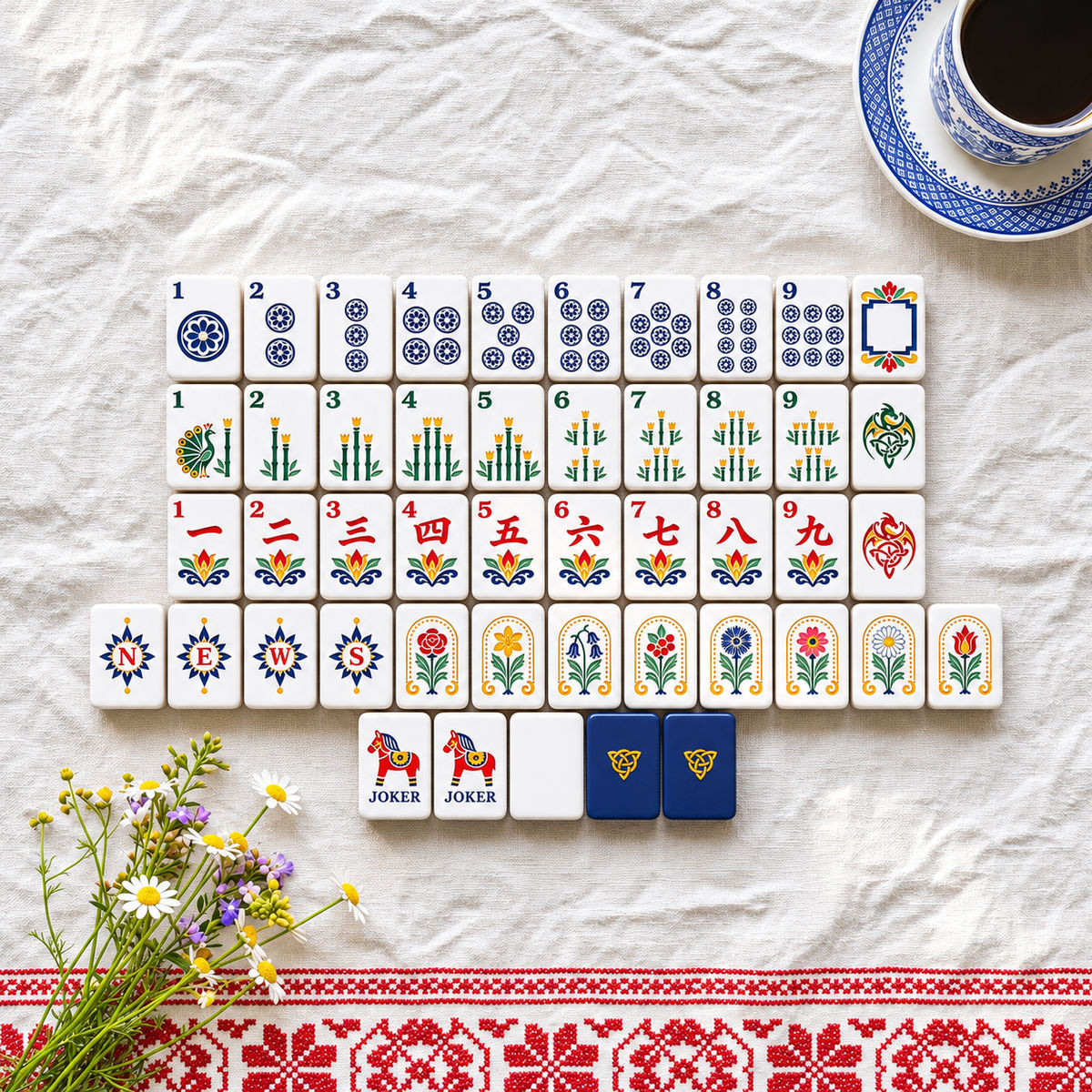
Mahjong lessons in Palm Beach are available through community centers (especially libraries and recreation departments), synagogues, country clubs, and independent instructors advertising on community boards and Meetup-style platforms. Most beginner courses run four to eight weeks, meeting weekly for 1.5–2 hours, and cost ranges widely based on instructor and format; many teach American mahjong, the variant played with a reference card and 152 tiles plus jokers. We recommend starting with a fundamentals class covering tile setup, the Charleston (tile-passing ritual), reading the hand card, basic exposure rules, and scoring basics. A quality instructor walks you through examples, explains how jokers work in specific patterns, and lets you practice hands repeatedly before playing against others. Ask whether the course uses American or another variant (Chinese, Hong Kong, Riichi), as rules differ significantly. Having your own set at home—especially one with large, engraved tiles and a mat—makes practice between lessons stick faster.
Palm Beach has a strong mahjong culture, especially among retirees and multigenerational families. But finding the right lesson takes some homework because classes come and go, and quality varies widely. We've helped players in the area learn the game—both as complete newcomers and as players switching from other variants—so here's how to navigate your options and set yourself up to learn well.
Where do most beginners in Palm Beach take lessons?
Community recreation departments and libraries are your fastest starting point. Visit the Palm Beach County Parks and Recreation website or call your local library's adult programming line; ask specifically if they host or can recommend mahjong instruction. Synagogues, particularly those with active adult populations, often run mahjong clubs that include teaching sessions for newcomers. Country clubs and senior living communities also hire instructors or run in-house groups. Check Meetup, Facebook community groups, and neighborhood Nextdoor posts—many independent instructors advertise there and accept small group bookings at coffee shops or homes. Start by asking: Does the instructor teach American mahjong? Are you a beginner-focused or intermediate group? How many weeks, and what's included?
🀄 Shop best-selling mahjong sets →

What skills should a good first lesson cover?
A solid beginner lesson introduces tile anatomy (suits, winds, dragons, flowers, jokers), explains how to hold a rack and discard properly, walks through the Charleston step-by-step with a practice run, and shows how to read the current year's National Mah Jongg League card. The instructor should show one complete hand from start to finish—how to draw, declare a pung or kong, call a discard, and win—with real examples, not just theory. Red-flag: any lesson that skips the Charleston or doesn't mention the reference card. A quality instructor lets you ask clarifying questions about joker rules (jokers never form a single tile or a pair, but fill gaps in exposed sets) and common beginner mistakes, like accidentally calling a chow (sequences don't exist in American mahjong). Ask if the course includes practice games at the end so you leave with confidence, not just notes.
How long does it typically take to play a real game?
Most players need four to six weeks of weekly practice to understand the flow—drawing, discarding, recognizing when you're one tile away from a winning hand, and playing a full four-player game without long hesitations. After the first two weeks, you'll know the tile names and the Charleston; weeks three and four, you'll start recognizing hand patterns on the card; weeks five and six, you'll play light pressure games and begin to feel the rhythm. This assumes one 1.5–2 hour session per week plus 30 minutes of solo practice (playing solitaire hands on your own set) between classes. Speed comes later—many casual players take a year or more before they're truly fast, but playing a playable game happens much sooner.
What's the difference between learning American and other variants?
American mahjong is unique: no chows (sequences), a tile card that changes yearly, jokers allowed in exposed sets (pungs, kongs, quints, sextets), and scoring that follows the card exactly—not hand rankings. Chinese, Hong Kong, Riichi, and Taiwanese variants use different tile sets, scoring systems, and allow chows, which are three consecutive numbers in the same suit. A beginner lesson in Palm Beach will almost certainly teach American rules unless the instructor specializes otherwise. If you're learning American, don't mix in rules from videos on other variants—it's confusing. Ask your instructor upfront: Are we learning strictly American mahjong? If you see a lesson advertised as just "mahjong" with no variant specified, confirm it's American before enrolling.

What equipment helps you practice successfully at home?
A 160-tile best-selling mahjong set with clear tile engravings makes a huge difference for beginners—you'll read tiles faster and build muscle memory. A mat keeps tiles organized and protects your table; a rack with pushers (one per player) lets you arrange tiles tidily and prevents accidental flips. Between lessons, play solitaire hands using the current year's card—practice dealing, passing, drawing, and recognizing when a hand is worth calling. Many instructors give you a free or low-cost hand card during the course, or you can request one from the National Mah Jongg League. Having a dedicated practice space, even just a corner of your dining table, means you can drill five or ten hands while watching TV.
🎁 See our most-loved mahjong sets & accessories →
What mistakes do Palm Beach beginners make most often?
The biggest three: forgetting that chows (1-2-3 runs) don't exist in American mahjong—some players bring mental habits from other games. Second, using jokers in a single tile or a pair, which is illegal; jokers fill gaps only in exposed sets of three or more identical tiles. Third, not reading the hand card actively during play; too many beginners rely on memory instead of checking the card every turn, which slows them down and leads to missed opportunities. During lessons, instructors will correct these, but staying aware after class means you keep the habit. Practice solitaire hands at home to cement the rules—you'll spot your own errors without judgment, and that confidence shows in your first games.
Comparison: What to Look for in a Beginner Lesson
Lesson aspect | What works | What to avoid |
Variant taught | American mahjong, clearly stated | Unspecified "mahjong"; mixture of rules |
Pacing | 4–8 weeks, one session per week | Single all-day crash course; too slow (>12 weeks) |
Hands-on practice | Solitaire hands, then games in class | Lecture only; no tile practice |
Card instruction | How to read the current year's card | Assumes you know the card already |
Joker rules | Explained with examples, drilled | Mentioned once, glossed over |
Group size | ≤6 beginners | Mixed beginner and intermediate players |
Where to find your first lesson in Palm Beach: a checklist
Call your local library and ask if they run mahjong classes or have recommendations.
Check community recreation department websites for adult education mahjong.
Search Meetup for "mahjong beginners Palm Beach" or "mahjong lessons."
Visit synagogues or senior centers with active adult programs.
Ask on Nextdoor or local Facebook groups if anyone recommends an instructor.
Confirm the instructor teaches American mahjong, not another variant.
Ask how many sessions, what's covered, and if you need to bring a set or borrow one.
Buy or borrow a practice set before week one so you can practice at home.
✨ Find your Mahstead set — free US shipping →
What to check before you buy or commit to a course
Before signing up, verify the instructor or program's focus: Do they teach American mahjong specifically, and is the reference card part of the curriculum? Ask for a syllabus or outline—legitimate courses list week-by-week topics. Check if you need to bring your own tiles or if they provide them; if you're buying your first set, ensure it's a complete 160-tile American set with a clear hand card. Confirm the group size—large classes can feel chaotic for beginners. Finally, ask if the instructor or program offers any follow-up or open play nights after the course ends, so you don't learn, disappear, and forget everything in a month.
Once you finish your first course, the transition to regular games is easier if you've already invested in quality gear—engraved tiles you recognize fast, a mat you trust, and racks that keep your hand neat. Many communities have standing weekly games that welcome graduates of local lessons, so ask your instructor if they know of any groups taking on new players.

FAQ
Do I need to buy a mahjong set before taking lessons in Palm Beach?
Check with the instructor first; many provide sets or ask students to share. If you buy one, have it ready for home practice between classes—it speeds up learning dramatically.
What's the typical cost of beginner mahjong lessons in Palm Beach?
Community center and library classes often run $50–150 for a four to eight-week course; private instructors typically charge $20–50 per session or $150–300 for a course package. Prices vary widely, so call programs directly.
Can I learn American mahjong online instead of in-person?
Online video lessons and tutorials exist, but most beginners struggle without live feedback on tile handling, the Charleston, and real game play. A hybrid approach—one or two in-person sessions plus home video practice—works well for many learners.
How many people play mahjong in Palm Beach, and is it easy to find games after lessons?
Palm Beach has a strong mahjong community, especially among retirees and families. After finishing a course, ask your instructor about weekly drop-in games, clubs, or community groups; many welcome new players.
What's the hardest part of learning American mahjong for someone who's never played before?
Recognizing tile names and suits quickly, then keeping up with the pace of discards and calls. Consistent home practice with your own set—just 15 minutes a day—closes this gap in weeks.
Should I buy an expensive mahjong set or a basic one while I'm still learning?
Start with a mid-range best-selling set with clear, engraved tiles so you read them fast and enjoy practice. Upgrades come naturally as you play more; a good set lasts decades.


View More
View More
View More
