
Mahjong Lessons in Detroit: Where to Learn & What to Know
Last updated: Nov 23, 2026
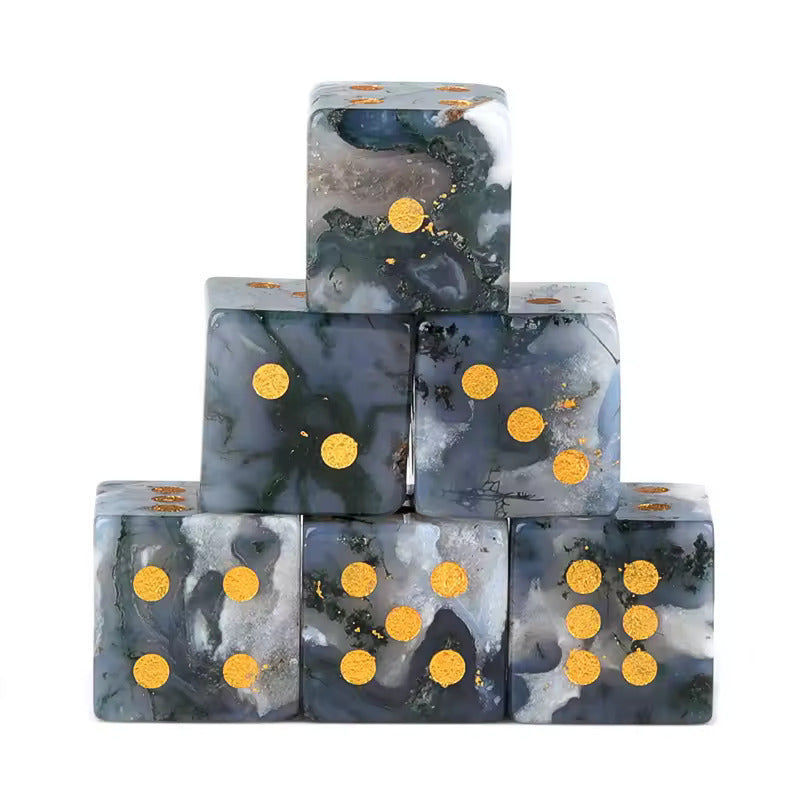
Mahjong lessons in Detroit are offered through public libraries (check the main branch and neighborhood branches for beginner classes), community centers (especially those with Asian cultural programs), and Jewish community centers, which often run weekly games open to learners. Lessons typically run 4–8 weeks, meeting once weekly, and cost varies by venue—call ahead to confirm current schedules. You'll learn hand-reading from the National Mah Jongg League card, tile recognition, the Charleston (the tile-passing ritual), and scoring. American mahjong uses 152 tiles across three numbered suits plus winds, dragons, and flowers; no prior experience is required. Many groups welcome drop-ins after you've grasped basic rules. Start by searching "mahjong Detroit" on Meetup, contacting local libraries for their recreation departments, and asking at synagogues for game nights. Once you're ready to host, our best-selling mahjong sets come with everything you need to play and teach others.
Detroit has a growing mahjong community centered at libraries, community centers, and synagogues. We'll show you where to find lessons, what to learn first, and how to set up your own weekly game.
Where do mahjong lessons happen in Detroit?
Lessons are offered through three main channels: public library recreation programs, community centers with cultural programming, and Jewish community organizations. The Detroit Public Library system (main branch and several neighborhood locations) offers beginner mahjong classes seasonally; call the recreation department to ask about current offerings. Community centers across the metro—especially those in areas with larger Asian populations—often host drop-in games or instructional series. Jewish community centers and synagogues in the Detroit area frequently run mahjong nights specifically designed for new players. Meetup.com is the fastest way to find active groups; search "mahjong Detroit" or "mahjong Michigan" and filter by beginner-friendly games. Many groups meet weekly and welcome newcomers, though some require you to call ahead or email the organizer.

What will your first lesson cover?
Your first session will focus on tile recognition, hand structure, and the Charleston—the tile-passing ritual before play begins. You'll learn the three numbered suits (Bams, Craks, Dots), winds (North, East, West, South), dragons (Red, Green, White), and flowers. The instructor will teach you how to read the National Mah Jongg League card, which contains all legal hands for that year. You'll practice forming pungs (three identical tiles), kongs (four identical), and longer combinations that appear on the card. Most lessons spend the first class on tile names and basic rules, the second on the Charleston and hand-reading, and the third and fourth on actual play—discarding, calling, and scoring. Don't expect to win; expect to ask "Wait, is that a valid hand?" frequently. Most instructors are patient and welcome repetition.
How long does it take to play your first real game?
Most people can play a complete game (13 hands) after three to four two-hour lessons, though comfort comes closer to eight weeks of weekly play. Your first three hands will likely feel slow—you'll be squinting at the card, asking neighbors if your tiles match, and accidentally exposing the wrong discard. By hand five or six, you'll start recognizing patterns without the card. By week six, you'll be genuinely competitive. By week eight, you'll be catching other players' mistakes and explaining rules to newcomers. Don't rush this; mahjong rewards pattern recognition and memory, which take time. Many Detroit clubs keep new players in separate games for the first month so you're learning alongside others at your level, not panicking while experienced players tap their racks impatiently.
Learning stage | Timeline | What you can do | When to join a regular game |
Tile names & card basics | Weeks 1–2 | Name suits, find hands on card slowly | Not yet |
Charleston & basic strategy | Weeks 3–4 | Execute tile passes, read simple hands, discard safely | Optional, beginner table |
Pattern recognition & speed | Weeks 5–8 | Play competitively, spot patterns, score accurately | Yes, beginner or mixed table |
Social play & variation | Weeks 9+ | Play in regular group, learn house rules, teach others | Yes, any table |
What equipment do you need to start playing at home?
You need a 160-tile American mahjong set (152 tiles for play plus spare tiles), a mat to organize your hand and protect tiles, racks with pushers to hold and move tiles smoothly, and a scorepad. Our best-selling mahjong sets include acrylic tiles, racks with built-in pushers, a mat, and often dice and a card holder—everything needed for four players. The mat is especially important if you're hosting on carpet or a delicate table; it protects both your furniture and the tiles. Racks with pushers make the game move faster because you're not constantly fumbling to arrange 14 tiles by hand. If you're hosting a regular game, consider an engraved set—personalized mahjong sets add personality and make your game memorable for friends learning the rules. You'll also want a mat sized for your table so players sit comfortably around it without cramping.
🀄 Shop best-selling mahjong sets →
Should you take lessons or join a club directly?
Take at least one or two structured lessons before joining a regular game night—the fastest path is a short class plus two weeks of casual play. Formal lessons teach you the card logic and hand structure in a forgiving environment; you'll mess up without anyone sighing. Club play assumes you already know basic hand-reading and can execute the Charleston without asking four questions. Some Detroit groups advertise "beginner-friendly" games but mean "new to this table," not new to mahjong. After your first 4–6 lessons (or equivalent self-teaching from videos and online guides), join a club with explicitly beginner games or mixed tables. Most groups in Detroit run games on weeknights (Tuesday, Thursday) and weekend mornings; start with the schedule that fits your calendar, not the closest location. Lessons cost nothing to a few dollars per session through libraries; clubs may charge a small table fee or coffee/snack contribution.

How do you host your first game once you've learned?
Host your first game after four weeks of lessons, when you're comfortable reading the card and executing the Charleston. Invite three friends (four players total) who've taken similar lessons or want to learn together—mixed experience at this stage leads to tension. Send them the current year's National Mah Jongg Card (free online via the National Mah Jongg League website) and ask them to review tile names beforehand. Set up a dedicated mahjong mat on a large table with good lighting. Place the set in the center, racks on each player's edge, score pad nearby, and have water and snacks ready. The game itself: shuffle tiles face-down, each player draws 34, sort into racks, execute the Charleston, then play 13 hands (one complete game takes 45 minutes to an hour for new players). Keep the card in the center so everyone can reference it without asking. Don't rush; let players study their tiles. Keep score using pencil and paper or a scorepad—the player with the highest score after 13 hands wins.
🎁 See our most-loved mahjong sets & accessories →
What common mistakes do new Detroit players make?
New players often break up runs of tiles unnecessarily (mahjong doesn't use runs; you need identical pungs or longer combinations from the card). They forget that jokers can never be part of a single tile, a pair, or sit alone in a hand—jokers only fill in for tiles within exposed groups or completing hands. Many players discard without strategy, exposing what other players need. They also misread the card by looking only at the number, not the suit symbol or the year. The biggest mistake: playing before memorizing basic hand patterns. Spend 30 minutes the night before your game scrolling through the card and saying aloud, "Three 5 Dots plus two 9 Bams plus…" to cement patterns into memory.
What if you want to keep playing beyond lessons?
Join a regular weekly or twice-weekly game through your library, community center, or Meetup group. Most Detroit clubs run multiple tables at different skill levels, so you can stay in beginner games as long as you like or graduate to intermediate play. Many groups rotate—you play with different people each week, which keeps the game fresh and teaches you varied strategies. After six months of regular play (roughly 25+ games), consider attending a club tournament or joining a league. The National Mah Jongg League has affiliated clubs across Michigan; check their directory online. Hosting your own weekly game is also an option once you're confident; our engraved sets make a great centerpiece for a rotating hosting schedule, and many players enjoy coming to the same house every Thursday night.
✨ Find your Mahstead set — free US shipping →
What to check before you buy a set for Detroit hosting
Before purchasing a set, confirm the tiles are acrylic (they're durable, easy to clean, and bright enough for aging eyes under poor lighting). Check that the set includes racks with pushers—they save enormous time and prevent dropped tiles. Verify you have a mat or plan to buy one; a bare table scuffles tiles and stresses anyone hosting for the first time. Count the tile count: you'll use exactly 152 tiles for play; sets labeled 160 tiles include eight spares (extra jokers and blanks). Confirm the mat matches your table size by measuring the table width and length. Finally, if you're hosting regularly, a matched set with engraved tiles signals you're serious about the game and gives guests a warm welcome.

FAQ
Where exactly in Detroit can I take a mahjong lesson?
Start by calling the Detroit Public Library main branch and neighborhood branches—ask for recreation or adult education. Contact your local community center's front desk and ask about mahjong classes or game nights. Search "mahjong Detroit" on Meetup.com and filter for beginner-friendly groups. Call Jewish community centers and synagogues in the metro to ask about game nights that welcome learners. All three avenues typically offer free or low-cost drop-in options.
How much do mahjong lessons cost in Detroit?
Library and community center classes typically cost nothing to five dollars per session. Meetup group drop-ins are usually free or ask for coffee donations. Synagogue game nights may cost a small table fee (two to five dollars) or ask for a snack contribution. Private instructors charge more but aren't necessary if you use free library resources.
Can I learn mahjong from YouTube instead of taking a class?
Yes, you can self-teach using YouTube and online guides, but it takes longer and you'll have no one to correct mistakes. Pairing three to four YouTube videos with one or two live lessons is the fastest hybrid path. Live instruction prevents you from repeating the same wrong habits for weeks.
What's the difference between American mahjong and Chinese mahjong?
American mahjong uses hand patterns from an official yearly card and cannot form sequences (runs of consecutive numbers); it also uses jokers extensively and plays with 152 tiles. Chinese mahjong allows sequences, uses fewer jokers, and doesn't require a card—hands are defined by rules instead. American is easier for beginners because the card shows you every legal hand.
If I learn in Detroit, can I play in other cities?
Yes, if you learn American mahjong, you can play anywhere that uses the National Mah Jongg League card (standard across the US). If you learn Chinese or Hong Kong mahjong variants at a specific club, those rules don't transfer—you'd need to relearn American rules. Always ask what variant a new group plays before showing up.
How often should I practice to get good at mahjong?
Once or twice weekly for three months makes you comfortable. After three months of regular play, you'll spot winning hands instantly and understand strategy. Most serious players in Detroit play once or twice weekly indefinitely—it's as much social as competitive.


View More
View More
View More
