
Mahjong Lessons in Dallas: Where to Learn & What to Know
Last updated: Nov 23, 2026
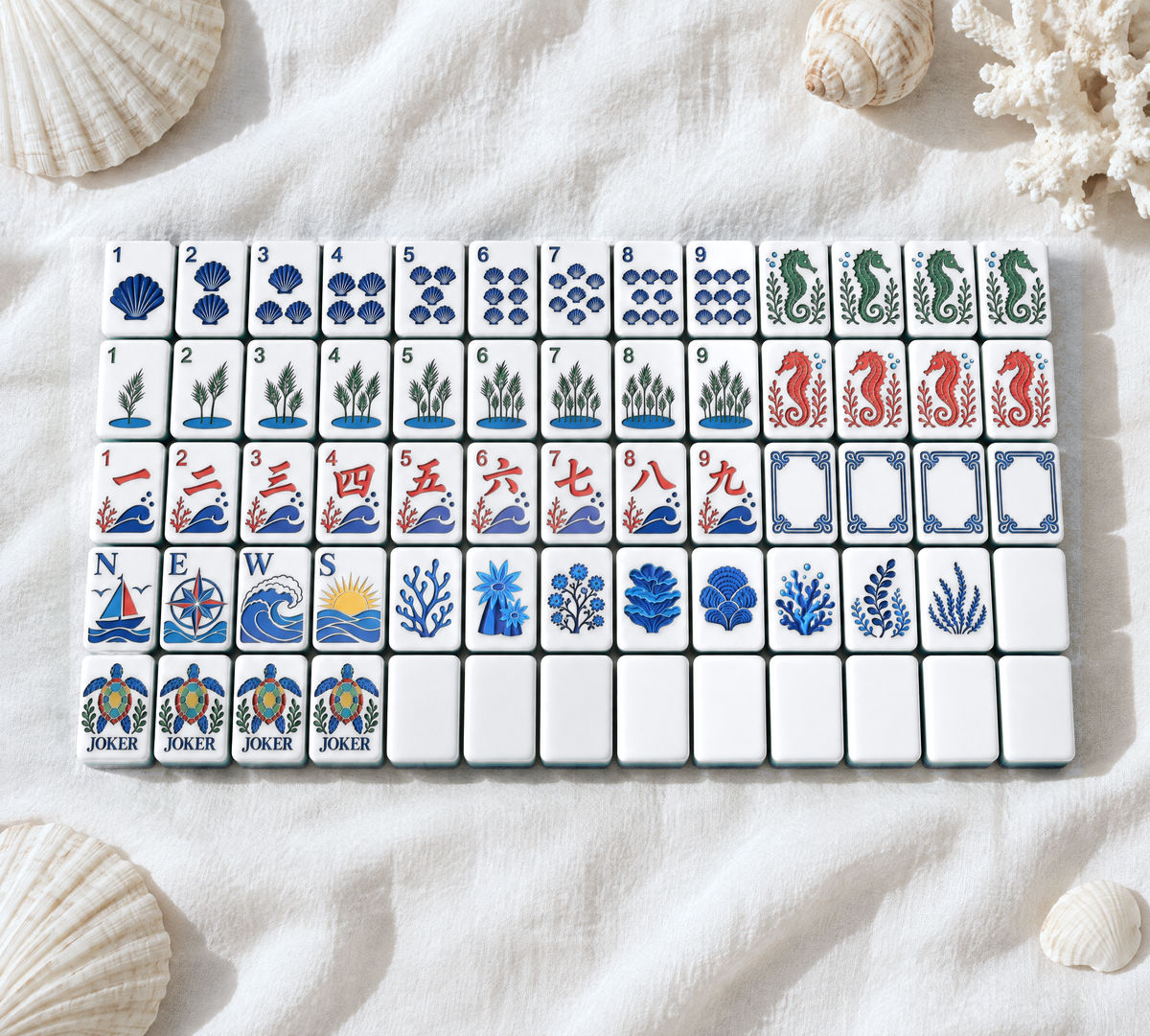
Mahjong lessons in Dallas run through community centers, public libraries, synagogues, and country clubs; many offer beginner sessions in spring and fall. Most group lessons last 6–10 weeks and cost per-session or flat rates (check your local venue directly). You'll learn American mahjong rules, the tile-passing Charleston, how to read the annual National Mah Jongg League card, and basic hand-making strategy. Before attending, familiarize yourself with the 152-tile set: three suits (Bams, Craks, Dots numbered 1–9), winds, dragons, and flowers. A quality 160-tile acrylic set from our best-selling collection helps you practice at home; most teachers welcome students who bring their own equipment. Expect to spend 2–4 months reaching casual-game readiness, and plan to attend weekly play sessions to build confidence.
Most Dallas learners start through one of three channels: community recreation departments, library programming, and private organizations. The Parks and Recreation department in your city (check the City of Dallas or nearby suburb websites) typically posts mahjong classes each season—usually fall and spring—with beginner sessions designed for zero experience. Public libraries often host informal "learn to play" afternoons or partner with local mahjong groups for drop-in instruction; call or visit their events calendar. Synagogues, country clubs, and senior centers frequently run their own leagues or beginner nights; these tend to be steady weekly commitments with consistent instruction. Meetup boards and local Facebook groups sometimes list private teachers or rotating game groups that welcome newcomers. Start your search by calling or emailing two or three venues to compare class length, instructor experience, whether you bring your own set, and what the group plays after lessons end (many transition students into casual or tournament play).
What should I learn before my first lesson?
Arrive knowing the tile names, the difference between exposed melds, and how jokers function. The American game uses 152 playing tiles plus 8 jokers: three suits (Bams, Craks, Dots) numbered 1–9 in four copies each, 16 winds (North, East, West, South), 12 dragons (Red, Green, White), and 8 flowers. You cannot call or expose chows (sequences like 1-2-3); only pungs (three identical tiles), kongs (four), and special patterns count. Jokers in American mahjong can substitute for any tile except a single tile or a pair—this rule trips up many newcomers. Study the concept of "like numbers, like suits" (a pung is always identical tiles, never mixed). Watch a 5–10 minute YouTube demo of a Charleston (the tile-passing ritual before play begins) so the physical rhythm feels less chaotic on day one. Most importantly: bring a notepad and ask questions without fear—every regular player spent their first lesson confused. Instructors expect it.

How long before I can join a casual game?
Most people reach basic competency in 4–8 weeks of weekly instruction plus 2–3 hours of home practice. "Competency" means you can read the current-year National Mah Jongg League card, recognize hand patterns, execute a Charleston without holding up the table, and know when to draw, discard, and claim melds. You won't be fast or strategic yet, but you'll follow the game flow and avoid rule violations. However, joining a casual weekly group often feels smoother after 10–12 weeks, when you've internalized the rhythm and start anticipating your discard options. The leap from "I know the rules" to "I can play with confidence" happens somewhere around week 6–8, when muscle memory replaces constant mental checking. Attend as much as you can during those first three months; one lesson per week alone won't stick. If your class transitions members into a group, take that path—playing with your cohort removes the intimidation of joining strangers. If not, ask your instructor for recommendations on beginner-friendly weekly games in the area.
What's the fastest way to practice between lessons?
Practice at home with a real 160-tile set, starting with solo hand-building before any game play. Spend 15 minutes spreading all tiles face-down, shuffling, and drawing random racks of 13 tiles plus a discard. Pull out the current-year mahjong card and hunt for matching patterns—don't worry about speed; focus on recognizing shapes. This teaches your eye the visual language. Next, practice the Charleston with two friends or family members: pass tiles left, right, and across in the standard sequence, even if you don't play a full game afterward. Set a timer and do this 3–4 times per week for 10 minutes each. Finally, watch one recorded game per week (search "American mahjong game" on YouTube) and narrate it aloud: "That player drew, discarded the 3 Crak, claimed the 4 Dot pung," etc. This builds your mental map faster than reading alone. If you have access to a mahjong mat, practice there—the organized layout (discard area, wall, rack space) mirrors the table setup and conditions your muscle memory.
🀄 Shop best-selling mahjong sets →
Should I buy a set before lessons start?
Yes—most instructors recommend it, and owning a set shortens your learning curve by 20–30% because you practice at home. Ask your instructor what tile style (bamboo, bone, acrylic, plastic) the class uses, then match that material if possible; switching between finishes mid-learning breaks focus. A 160-tile acrylic American mahjong set from our best-selling line works for every variant and lasts years; acrylic tiles are durable, shufflable, and easy for newcomers to read. Skip the cheapest plastic sets sold on big-box sites—they warp, jam, and frustrate beginners. If cost is the main concern, buy a mid-range set now and upgrade to hand-engraved tiles later as a keepsake. Many Dallas players start with a basic acrylic set, then invest in a custom or specialty set once they know they'll play long-term. Your set doubles as a home-practice tool and a bridge to joining casual games at friends' homes.

How do I transition from lessons to regular play?
Ask your instructor for connections to weekly game groups or check community center bulletin boards for posted game schedules. Most casual groups meet Thursday or Friday evenings and welcome intermediate players—people beyond the beginner stage but not competing. Join a group with the lowest assumed skill level at first, even if you feel ready; mismatching difficulty kills confidence fast. Bring your own set and mats if you own them (hosts appreciate it), but don't feel obligated. Show up 10 minutes early, introduce yourself, and mention you're a recent student—regulars expect some caution and will cover rule questions mid-game. Play once weekly for at least a month before trying tournament-level games or more competitive groups. Keep attending lessons if the group offers them; the best players never stop learning. Finally, start hosting your own casual game once you've played 4–6 times—this cements your knowledge and builds confidence faster than being a guest.
Learning Stage | Typical Timeline | Home Practice | Group Commitment | What to Have |
Complete beginner | Weeks 1–3 | 1–2 hrs/week | One lesson/week | Any 160-tile set |
Early intermediate | Weeks 4–8 | 2–3 hrs/week | One lesson + one casual game | Set + mat (optional) |
Intermediate | Weeks 9–16 | 1–2 hrs/week | Two casual games/week | Set + mat + racks if hosting |
Ready to teach | 4+ months | 30 min/week | Host or play weekly | Full setup: set, mat, racks, case |
🎁 See our most-loved mahjong sets & accessories →
What common mistakes do new Dallas players make?
New players often try to learn too many hand patterns at once and freeze at the table; instead, focus on the top 5–10 patterns in the current card until they feel automatic. Another trap: memorizing rules without playing—mahjong clicks fastest when you make mistakes, laugh, and correct them. Many students avoid asking for help mid-game, thinking they should know by now; ask. Fast-paced players sometimes rush the Charleston or miscall a tile; slow down and announce each move clearly. New players also buy cheap sets to save money, then waste weeks frustrated by broken tiles or confusing designs. Finally, some skip the home-practice phase and rely only on group time; those who practice 30+ minutes between sessions progress 3–4 times faster. The single biggest mistake: giving up after week 3 because it feels impossible. Week 3 is always the hardest.
What to check before you buy a set for home practice
Acrylic vs. other materials: Acrylic tiles are durable, shufflable, and readable—ideal for learning. Bone and bamboo are beautiful but fragile and slower to handle. Plastic warps and tiles stick; avoid it for serious practice.
160 tiles + 8 jokers: The standard American game uses exactly 152 playing tiles plus 8 jokers. Any set sold as 160 or 166 tiles includes spare tiles; don't add extras to play.
Tile size and weight: Tiles should fit your hand comfortably. Hold them at a store or watch a video of someone shuffling the set you're considering before purchasing online.
Included accessories: A mat and racks with pushers aren't mandatory for learning but speed up play and reduce table chaos; some starter sets bundle them, others sell separately.
Case or bag: You'll transport your set to lessons and games. A padded bag or case protects tiles and makes you look organized when you arrive.
Return policy: Buy from retailers with clear returns; if a tile is chipped or a pusher broken on arrival, you need a straightforward swap.
✨ Find your Mahstead set — free US shipping →
One more honest note: Dallas mahjong groups are small and close-knit—people remember who shows up, who laughs, and who asks for help. Instructors invest in students who try. The fastest path to skill is not perfection; it's consistency, curiosity, and showing up every week, even when you feel rusty. Your first few games will be uncomfortable. By month three, you'll recognize tile groupings without counting, and by month six, you'll find yourself teaching someone else. That's when it stops being lessons and becomes your Thursday night.

FAQ
Do I need to know how to play before signing up for Dallas mahjong lessons?
No. Beginner classes assume zero experience and teach from scratch. Call ahead to confirm the group accepts newcomers with no prior knowledge. Most do.
What's the difference between American mahjong and other versions taught in Dallas?
American mahjong uses a 152-tile set and plays only hands listed on the annual National Mah Jongg League card. Chinese or Hong Kong mahjong uses 144 tiles, allows sequences (chows), and has no official card. Ask your instructor which variant they teach before enrolling.
Can I use an online tutorial instead of taking a class?
Videos help, but they can't replace in-person play. You'll learn rules faster with an instructor correcting you live, and you'll build friendships that lead to regular games. Use online resources to supplement lessons, not replace them.
How much does a beginner mahjong class cost in Dallas?
Prices vary by venue. Community centers typically charge per-session or per-session packages. Call your local Parks and Recreation or library for current rates; most range affordably with no hidden fees.
Should I buy a set with English or Chinese tile names?
Buy English-labeled tiles for your first set. You'll learn faster reading "1 Bam" than "一筒" (Yī Tǒng). Switch to Chinese tiles later once the game feels automatic.


View More
View More
View More
