
Mahjong Lessons in Columbus: Where to Learn & How to Start
Last updated: Nov 23, 2026
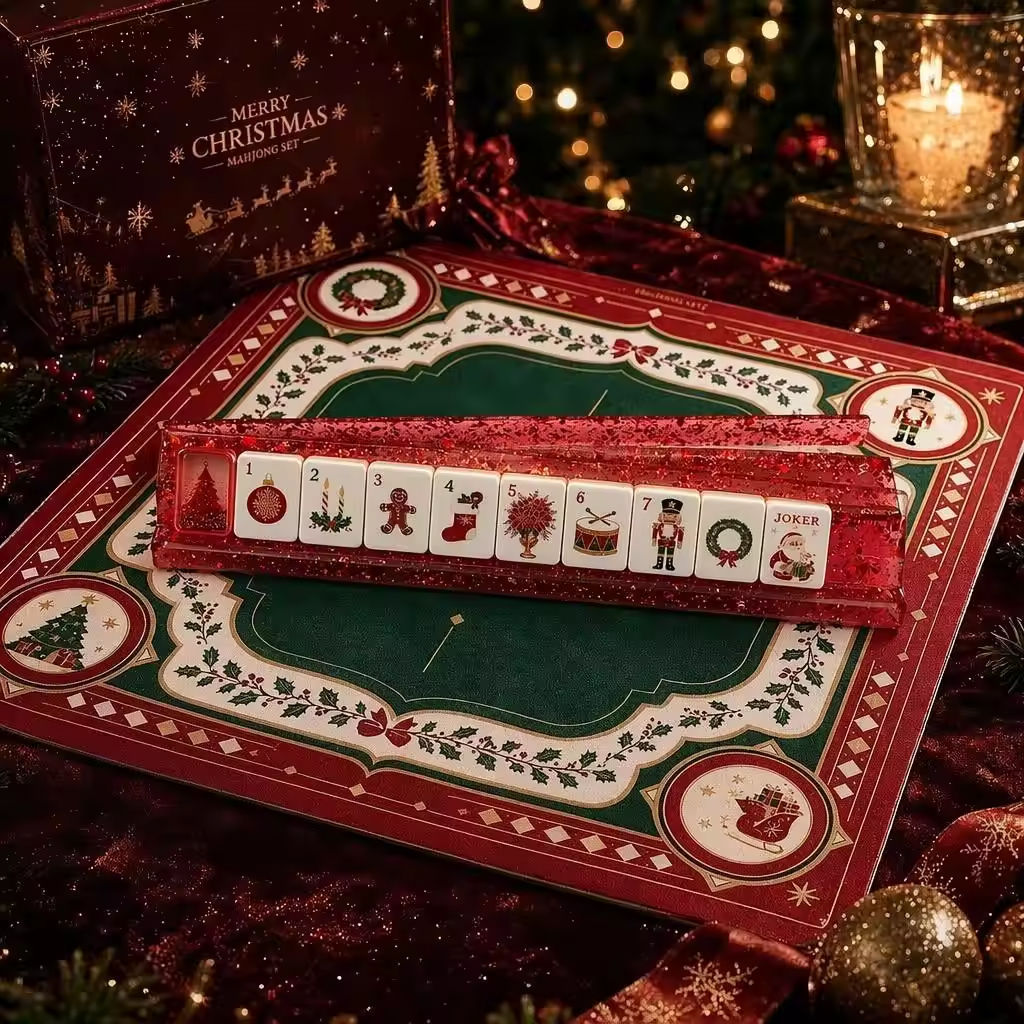
Columbus mahjong learners can find lessons through community centers (check your local parks and recreation department), public libraries (many run drop-in or structured beginner groups), synagogues (often host weekly games open to members and guests), and country clubs or retirement communities. Most beginner lessons run 4–8 weeks, meeting once weekly for 2–3 hours; expect to learn the 152-tile American mahjong system, tile recognition, the Charleston (the pre-game tile-passing ritual), and how to read the current National Mah Jongg League card. Cost varies widely by venue—community programs often charge minimal fees, while private coaching runs higher. Start by calling your closest library or parks department and ask if they sponsor mahjong. Bring a notebook and arrive early; experienced players are usually patient with new learners. You'll need access to a full American mahjong set with all 160 tiles and a mat for practicing at home.
Where do Columbus players actually find beginner lessons?
Columbus hosts mahjong lessons in five main channels: (1) public library systems often sponsor free or low-cost beginner sessions in meeting rooms; (2) community recreation centers and senior centers run structured beginner classes; (3) synagogues (particularly those with active adult education programs) host open game nights; (4) country clubs and retirement communities run private lessons for members; (5) standalone mahjong meetup groups post weekly game times on community boards and social platforms. Start by visiting your local library's event calendar or calling the Columbus Parks and Recreation office to ask which branches offer mahjong. Lessons in community settings typically assume zero prior experience and spend the first session on tile names and hand structure.
What should you expect in your first lesson?
Your first session will cover the 152-tile American mahjong set—learning the three suits (Bams, Craks, Dots numbered 1–9), winds, dragons, flowers, and jokers. The instructor will explain the Charleston, the tile-passing exchange that happens before every hand begins. You'll learn to read the current year's National Mah Jongg League card, which lists all legal hand patterns; without it, you cannot play American mahjong legally. Expect 60–90 minutes of lecture and tile handling, then one or two practice hands with the group. Bring a pen and small notepad; the card has dense notation and you'll want to jot down patterns you recognize. Most instructors provide loaner sets for the first few weeks—ask when you call to register.

How long does it take to play a real hand?
A single hand (one round of play) takes 10–25 minutes once you know the basics: dealing tiles, passing in the Charleston, drawing and discarding, calling exposures (three or four of the same tile), and declaring a winning hand. Your first practice hands will move slower because you're learning tile calls and checking the card constantly. After 4–6 weeks of weekly play, most beginners can play at a comfortable pace without holding up the game. Reading the card never becomes instant—even experienced players pause to verify patterns—but the repetition builds recognition. Plan for a full game (typically 4 hands) to last 90–120 minutes, not including setup and the Charleston.
Should you buy your own set before your first lesson?
No. Attend 2–3 lessons first using the instructor's loaner sets. This lets you confirm you enjoy the game, learn which tile set feel and weight you prefer, and understand whether you want the bright tournament style or something more decorative for home play. Once you commit, owning your own best-selling mahjong sets transforms practice: you can lay out hands at home, memorize tile patterns faster, and feel confident at the table. A 160-tile American mahjong set is the standard; it contains all playing tiles plus spares. Many players also invest in a padded mat for practice and a sturdy travel bag if they plan to visit multiple game groups.
🀄 Shop best-selling mahjong sets →
What's the difference between American mahjong and other variants?
American mahjong is unique: you cannot make sequences (called chows); you can only form pungs (three identical tiles), kongs (four identical), and longer exposures. Every hand must match exactly one pattern from the current year's card—there are no hand inventions. Other variants (Chinese, Hong Kong, Riichi, Taiwanese) allow sequences, have different tile counts and winds, and permit many more hand combinations. If a Columbus lesson says "Chinese mahjong" or "Hong Kong rules," the game plays entirely differently. Stick with "American" unless you explicitly want to learn another variant. Most Columbus community lessons teach American, but always confirm when you call to register.
📚 Learn how to play American mahjong →

How to choose the right lesson for your schedule and pace
Lesson Type | Time Commitment | Typical Cost Basis | Best For |
Library drop-in | 2–3 hours/week, flexible | Minimal or free | Curious learners, flexible schedules |
Community center class | 6–8 weeks, fixed night | Modest fee per session | Committed beginners, structured learning |
Private coaching | 1–2 sessions, by appointment | Higher per-session | Faster progress, personalized feedback |
Synagogue/club night | 2–3 hours, regular but optional | Member fee or donation | Social environment, ongoing community |
Retirement community | 1–2 hours, weekly or twice weekly | Member only | Frequent play, same peer group |
Select a format that matches your schedule, not the fanciest option. Drop-in library sessions work best if you want zero commitment; structured classes if you learn by routine; private coaching if you're an adult learner who prefers one-on-one attention. Call ahead and ask whether beginners are welcome in the current session.
What to check before you sign up
Ask these four questions when you contact a Columbus lesson organizer:
Is this American mahjong or another variant? (Confirm it's American; the rules are completely different.)
Do I need to bring my own set, or will one be provided? (Most community lessons supply loaner sets; ask to be sure.)
What does the current year's card cost, and who provides it? (The National Mah Jongg League card is essential; some instructors include it in fees, others don't.)
How many players typically attend, and what's the experience range? (A table of four is standard; mixed beginner/advanced groups are fine, but all-beginner is less intimidating.)
Write down the answers. If an instructor seems evasive about rules or can't name the card clearly, find another group—clarity is a sign of experience.
🎁 See our most-loved mahjong sets & accessories →
Once you've attended 3–4 lessons and decided to play regularly at home or with friends, invest in your own American mahjong set and a quality mat to practice on. Many Columbus players keep a set at home and use club loaner sets when they visit multiple venues—this avoids the wear of constant travel. Racks with pushers are optional but beloved once you own a set; they keep your tiles upright and organized during play, and pushers let you move tiles smoothly. A bag or case protects your set and mat if you travel between groups.
Real outcomes from Columbus learners
Most Columbus beginners who attend 6–8 lessons can read the card confidently, recognize 10–15 hand patterns by sight, and understand when to call or hold. Within 3 months of weekly play, they're competitive at the table and enjoy the social rhythm. A small percentage discover mahjong isn't their game and stop; that's normal. Many become loyal weekly players and eventually join 2–3 different groups to meet different people and skill levels. A few become enthusiasts and eventually earn a spot in invitational tournaments or teach newcomers themselves. The outcome depends entirely on whether you find a group whose pace and culture match your expectations—Columbus has enough active players that you can try multiple venues cost-free.
✨ Find your Mahstead set — free US shipping →

FAQ
How long does a typical beginner lesson last?
Most sessions run 2–3 hours and cover one to two practice hands. Community lessons usually meet once weekly for 6–8 weeks. Private coaching may be one or two sessions, each 1–2 hours.
Do I need to memorize the card before my first lesson?
No. The card is consulted during every hand—even experienced players look it up constantly. You'll learn pattern recognition through repetition over weeks, not memorization.
Are Columbus lessons for American mahjong specifically, or do they teach other versions?
Always confirm when you call. Most community and library lessons teach American mahjong (152 tiles, no sequences). A few venues teach Chinese or Hong Kong rules; ask explicitly to avoid the wrong game.
What if I find a lesson and hate the group—can I try another one?
Yes. Columbus has multiple active groups across libraries, centers, and clubs. If the pace, attitude, or schedule doesn't fit, find another venue. Most drop-in sessions are free or low-cost, so you can visit several risk-free.
Should I buy a set before or after my first lesson?
After. Attend 2–3 sessions with loaner sets first. This confirms you enjoy the game and lets you choose a set style and tile weight you prefer for long-term play.
How much does a beginner set cost, and where do Columbus players usually buy?
A standard 160-tile American mahjong set varies in price by design and materials. Many players order online with free US shipping to avoid markups from local retailers. Ask your lesson instructor where their group members source sets.


View More
View More
View More
