
Mahjong in the Catskills: Where to Play & What to Bring
Last updated: Nov 23, 2026
The Catskills region—spanning Ulster, Delaware, and Greene counties in upstate New York—has a modest but steady mahjong community centered in towns like Woodstock, Kingston, and Margaretville. Games happen year-round at public libraries, community centers, synagogues, and mountain resorts during winter and summer seasons. Most groups play American mahjong (152 tiles, current-year National Mah Jongg League card required). A typical weekly game runs 2–4 hours; bring the card, familiarity with the Charleston tile-passing ritual, and a sturdy mat for uneven surfaces. Mahstead's acrylic sets with cases travel safely on mountain roads, and our mats fold for easy packing in cars heading upstate.
How do I find mahjong games in the Catskills?
Start with your town's public library—most Catskill libraries post community game schedules on bulletin boards or websites. Kingston, Woodstock, and Saugerties libraries are known gathering points. Contact local synagogues (Reform congregations often host mahjong nights). Search Facebook for regional groups using terms like "Catskills mahjong" or "Ulster County game night"; many players post weekly meetup times. Community centers in larger towns advertise games in their seasonal calendars. Call ahead: groups rotate venues and sometimes pause in shoulder seasons. Few organized clubs exist here, so most play is informal—ask other players where they gather next.

What's the skill level and house rules in Catskill games?
Most Catskill groups are mixed—beginners and intermediate players. Serious competitive players often travel downstate to NMJL tournaments. House rules vary: some groups strictly follow the National Mah Jongg League card; others allow mild variants (e.g., different kong penalties). Always ask before sitting down what card year they use and whether they play with all-players-pass rules or dead wind discard penalties. American mahjong dominates, though you'll occasionally encounter players who know Chinese or Hong Kong rules—those games are slower and require different strategy. Come ready with the current-year card and ask about any local quirks within your first hand.
What equipment travels well for mountain games?
Acrylic sets outlast bone-bamboo on rough car rides and uneven library tables. Skip heavy wooden cases for travel; instead, pair a lightweight acrylic set with a compact travel bag and a fold-flat mat. Our best-selling mahjong sets include durable acrylic tiles that survive mountain humidity and temperature swings. For mats, choose one that rolls or folds—the Catskills' town meeting rooms and resort lounges have linoleum, wood, and carpet floors, so a portable mat keeps tiles stable. A rack with pushers saves your back during long games at communal tables where chairs are low. Check that your bag fits in a car trunk; many players keep sets ready year-round for weekend trips upstate.
🀄 Shop best-selling mahjong sets →
Do I need to know American mahjong or can I learn there?
Most Catskill groups welcome beginners, but learning on-site slows the table. Invest 1–2 hours beforehand learning American mahjong basics—the Charleston, pung vs. kong, the role of jokers, and how to read the NMJL card. Bring the current-year card and a pen to track hands you complete. First-timers often ask: Can I use old cards? No—the card changes yearly and hands are not interchangeable. Sit at a table with patient players; ask quiet questions between hands. Watch one full round before playing. Groups that meet regularly often have a few sets on hand; ask if you can borrow one to test-drive before buying.

What's the best time of year to play mahjong in the Catskills?
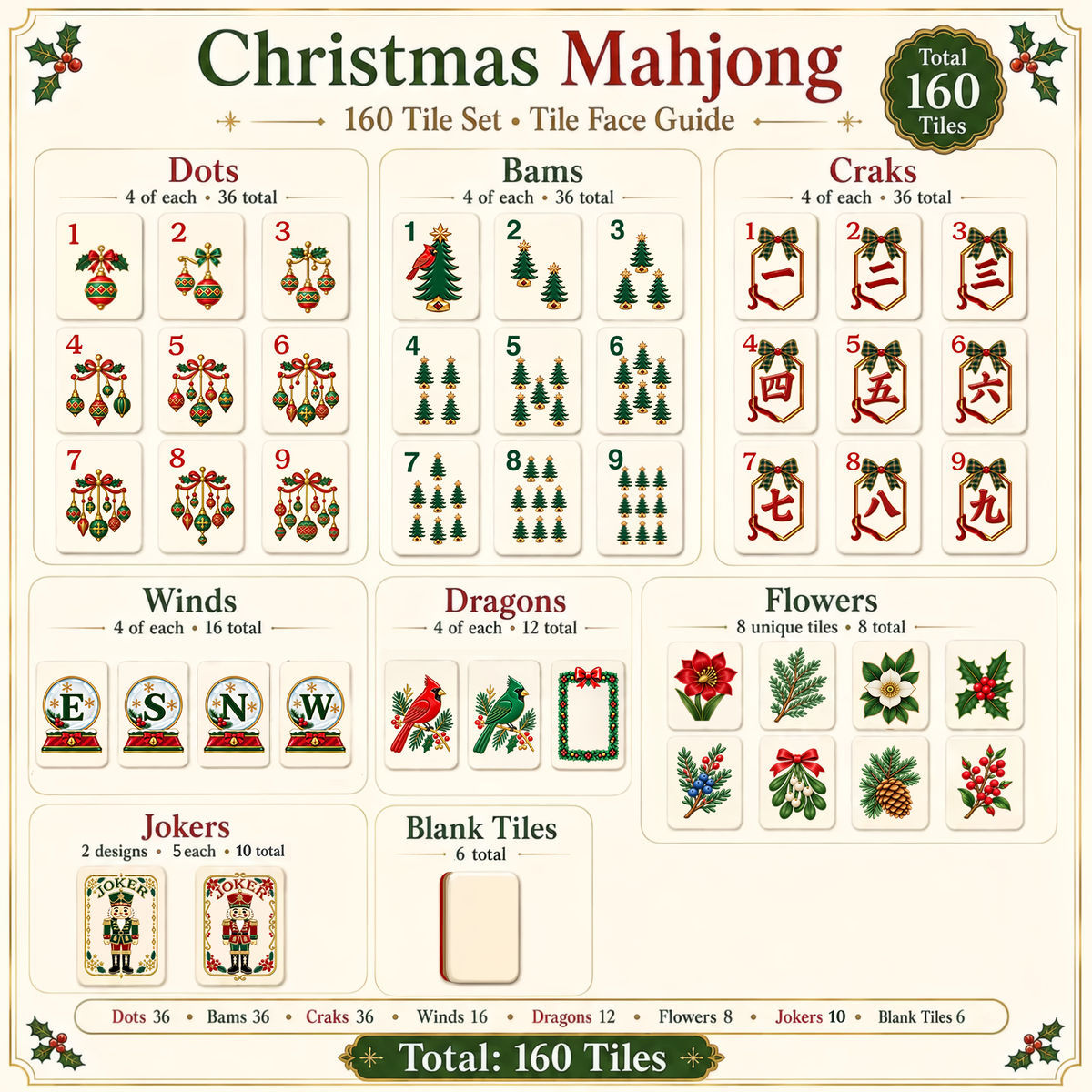
Summer (June–August) and winter (December–February) draw the most players—tourists and seasonal residents. Spring and fall see fewer coordinated games, though dedicated groups play year-round. Summer resorts (especially in Monticello and Liberty area) sometimes host mahjong tournaments or casual nights; call ahead. Winter games cluster in Kingston and Woodstock, where public spaces stay open and warm. Holiday season (late November through early January) sees themed games; some groups swap standard tiles for Christmas mahjong sets for festive play. Off-season (March, April, September, October) requires more effort—contact individual players or check community center bulletins; games still happen but are less frequent.
🎁 See our most-loved mahjong sets & accessories →
What to check before you buy a set for Catskill travel
Consideration | Why it matters for mountain play | Our recommendation |
Tile material | Acrylic resists humidity & temperature swings; wood warps | Acrylic sets for durability |
Case/bag | Car travel requires compact, protective storage | Travel bag over heavy wooden case |
Mat | Uneven floors need grip & cushioning | Fold-flat mat, washable fabric |
Rack height | Library chairs are often low; racks save posture | Racks with pushers for 3–4-hour games |
Tile clarity | Mountain lighting varies; engraving should be legible | Clear face, strong contrast |
Honest checklist:
Set includes all 152 tiles + 8 jokers (never add extra tiles to play).
Bag zips fully and fits your vehicle.
Mat folds or rolls to under 3 feet long.
Tiles are acrylic, not bone—easier to clean if dusty from road.
You've downloaded or printed the current-year NMJL card before leaving home.
Racks are optional but valuable if you sit 3+ hours.
✨ Find your Mahstead set — free US shipping →
What do experienced Catskill players pack in their mahjong bags?
Seasoned players bring: the current-year card, a pen, the acrylic tile set in its travel bag, a fold-flat mat, racks and pushers (optional), dice, snacks, and a small notebook for scoring notes. Some carry hand wipes—library tables can be dusty. A phone with the NMJL card as a PDF backup helps if your printed copy tears. Wear comfortable clothes and bring layers; community centers vary wildly in temperature. A small flashlight is handy if venue lighting is poor. Never assume the host provides a mat—bring your own mahjong mat so tiles don't slide on unfamiliar surfaces. Keep the set bag separate from your overnight bag; acrylic tiles tolerate car trunks better than cabin heat.

FAQ
What's the closest organized mahjong club to the Catskills?
There are no permanent clubs headquartered in the Catskills. The nearest organized competitive play is downstate in New York City and Long Island, where NMJL-sanctioned tournaments run monthly. Catskill games are community-based, informal, and non-tournament; they emphasize social play over ranking.
Can I play on a folding card table or do I need a real mahjong table?
Yes, folding card tables work fine—most Catskill games use them. A mahjong mat prevents tiles from sliding on the smooth surface. Fold-flat mats are ideal for travel; lay one on any flat surface and tiles stay put.
Do Catskill players use engraved tiles or plain tiles?
Both. Plain tiles are standard for competitive play. Some social groups enjoy engraved sets for casual games, especially themed or memorial sets. Check with the group before bringing engraved tiles; some prefer unadorned for clarity.
Is the National Mah Jongg League card the same every year?
No. The card changes every spring. Using last year's card renders your hands invalid. Always download or purchase the current-year card before a game. Most libraries have it; Mahstead's website links to where to order it.
What's the best mat for a car-heavy commute to mountain games?
A compact, roll-up mat (30–36 inches) packs into any vehicle trunk and unfolds flat on the play table. Look for one with a non-slip base and washable fabric. Avoid heavy, rigid mats—they're bulky and unnecessary for informal play.
How long does a typical Catskill game take?
Most informal games run 2–4 hours, depending on the table's speed and number of players. Beginner tables may run longer. Games pause for socializing, snacks, and breaks. Plan 3 hours as your baseline for a pleasant experience without rushing.


View More
View More
View More
