
Mahjong End Game Strategy: 7 Costly Mistakes to Avoid
Last updated: Nov 23, 2026
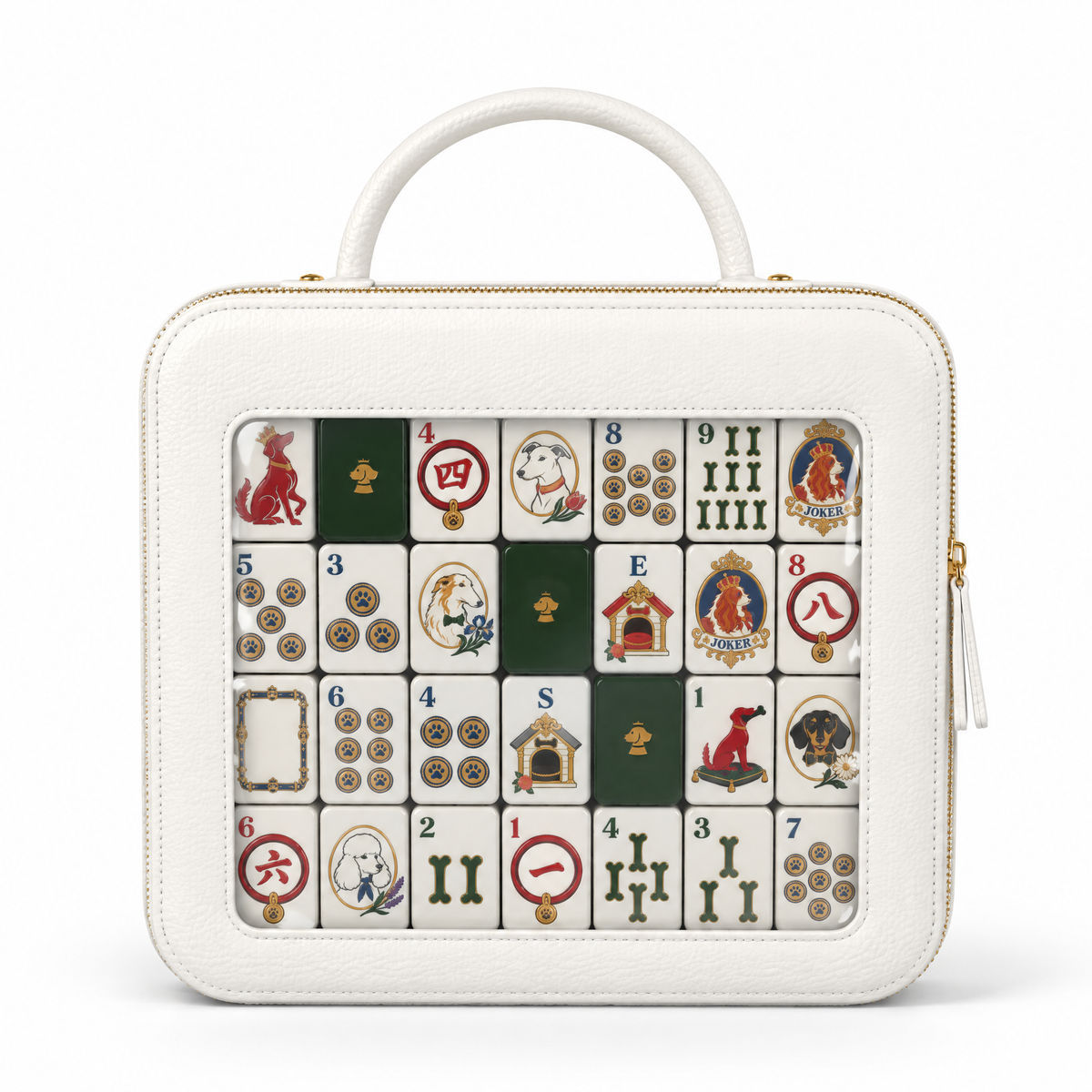
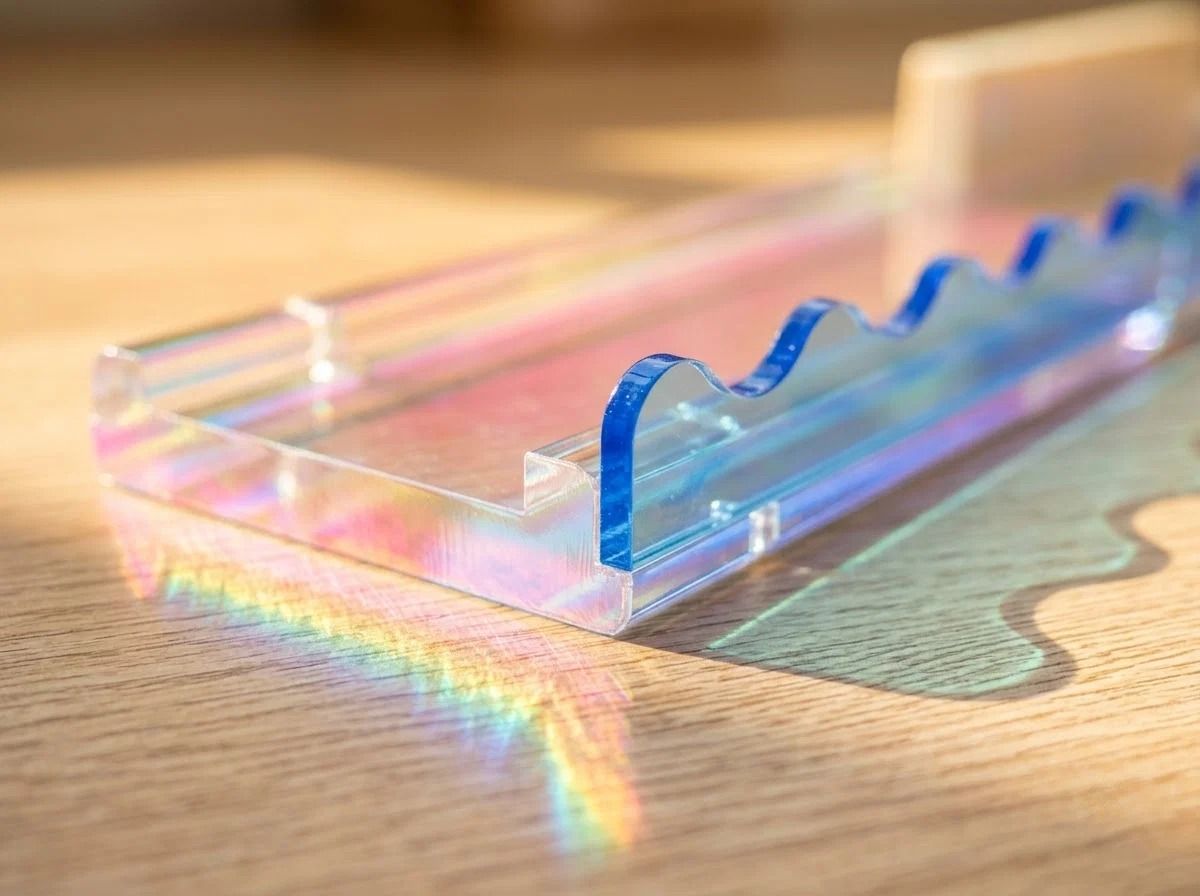
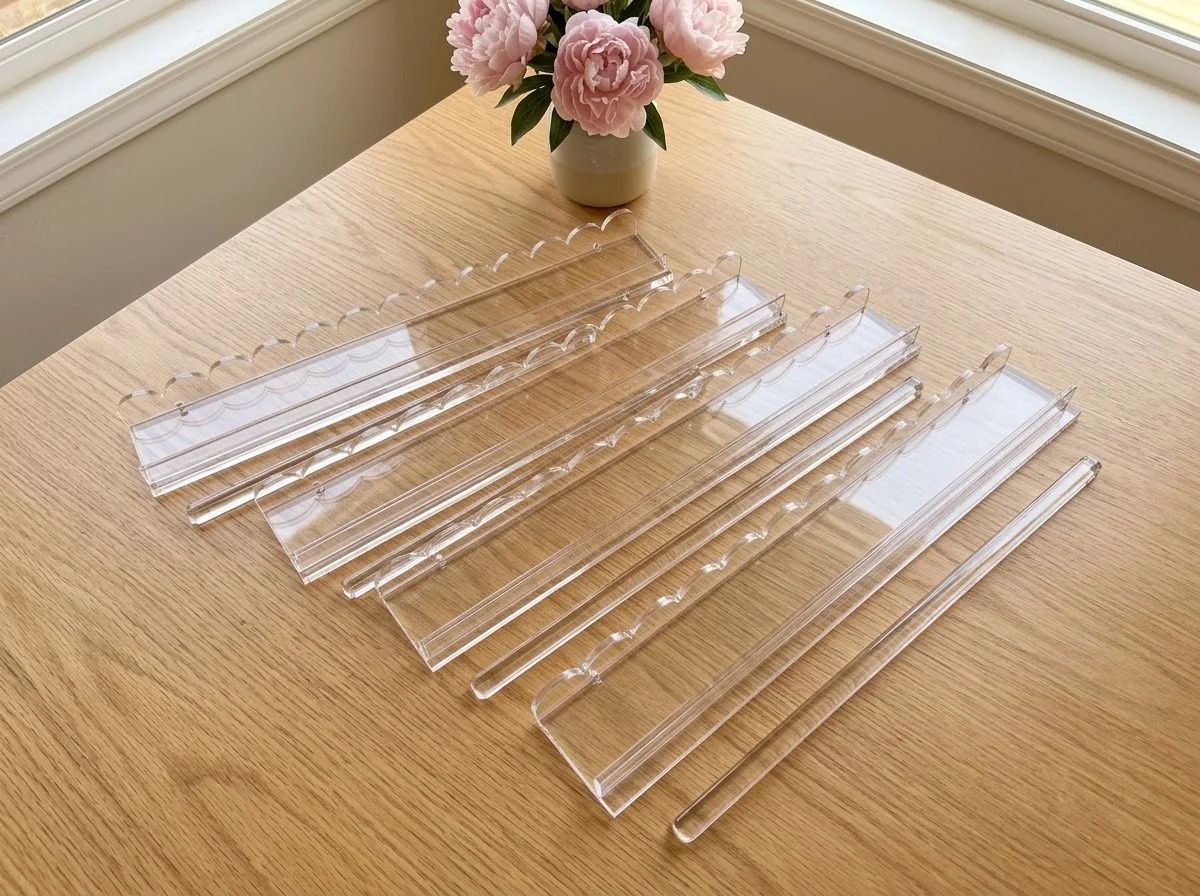
The end game begins when you or an opponent reaches one or two tiles to mahjong. The most expensive mistakes happen here: discarding tiles your opponent needs ("dangerous discards"), forgetting which tiles remain in the wall, playing on a pair you can't defend, exposing too many melds so readers know your hand, and panicking into risky swaps. Good end-game play means tracking the board state (which tiles have been thrown, which suits are dry), reading your hand against the current National Mah Jongg League card, and choosing your discard based on what your opponents need—not just what you don't. We recommend keeping a clear tile rack so you can see your melds at a glance; an acrylic rack with pushers lets you organize by suit and spot patterns faster under pressure.
The final tiles reveal everything. Your tempo, your tile memory, your nerve—and your knowledge of which thirteen tiles are still alive in the wall and players' hands. We've lost count of how many games slip away because a player discards a tile that walks straight into an opponent's waiting hand. Or holds a pair too long. Or exposes so many melds that everyone at the table knows what you need. The end game isn't luck—it's discipline applied to math you can actually see.
Let's walk through the seven mistakes that cost games, and what to do instead.
Are You Discarding Tiles Your Opponents Are Holding?
This is the highest-cost error in the end game. A dangerous discard is any tile that completes someone's waiting hand—and you know (or should suspect) that they're waiting. Watch your opponents' body language and discards. If someone throws all their Bams and keeps Dots and Craks, they're probably building in two suits. If they've thrown three 4 Dots but kept high Dots, they may be waiting on a 4 Dot, 5 Dot, or 6 Dot in a specific hand pattern from the card. Don't throw it.
Better: In the last four or five discards before someone calls mahjong, throw only tiles that are dry—tiles where all four copies (or three of four) have already been seen on the table. If you haven't seen a tile thrown, and you haven't exposed it in a meld, assume your opponents might be waiting on it. This single rule eliminates 80% of one-discard losses.

How Do You Track Which Tiles Are Still in Play?
Most players underestimate this. By the time the hand reaches fourteen or fifteen discards, roughly forty tiles are visible: your hand, melds on the table, and the discard pile. The remaining tiles (roughly 110) are either in the wall or in hands you can't see. You don't need to memorize every tile—you need to know how many of each tile remain.
Keep a quick mental tally: if you've seen all four 7 Craks, that suit is dead—don't fear throwing low Craks. If you've seen only one or two, those tiles carry risk. A few players we know track this by suit: "I've seen three 1 Bams, so one 1 Bam is still out there." It sounds like work, but it becomes automatic after a dozen hands.
Use your mahjong mat to keep the discard pile organized—arrange discards in rows by round, so you can glance and count without lifting tiles or asking others to slow down.
Why Does Holding a Pair Too Long Cost the Game?
The pair is the last tile you place. If you're unsure whether you can win, holding a pair that doesn't fit your current hand means you're taking up table space with a dead tile. In the end game, every tile slot matters.
Here's the mistake: You hold a pair of 5 Dots because you think you might use them later, but your actual hand is three Pungs and one Kong—and the pair you need is already on the board or in the wall. By refusing to discard the 5 Dots pair, you're locked into an unwinnable shape.
The fix: By the time you reach eight or nine tiles left to draw, commit to your hand shape. If your pair doesn't belong to any winning hand on the card for your hand type, throw it. The pair must complete a hand you can actually build, not a fantasy hand you're hoping to draw into. This feels harsh, but it's the moment truth enters the room.
What Happens When You Expose Too Many Melds?
Every pung, kong, quint, or sextet you expose tells your opponents your hand shape. In the end game, exposed melds are a liability because they narrow your possible winning hands—and they also tell waiting players whether to fear your discards or throw freely.
Example: You expose three Pungs and a Kong early. By the end game, smart players know you're building a specific hand pattern. If your pattern uses, say, three Bams Pungs, they'll protect their Bams discards. You've lost your offensive options.
The rule: Expose only when you must—to keep your hand viable or to race toward mahjong faster than a threatening opponent. Don't expose just to show the table you're "working on it." In the end game, mystery is power.
Why Does Panic Discarding Lose More Games Than Slow Play?
The moment someone calls "one away" or "fishing," many players flood the discard pile with random tiles. This is end-game panic. A shaky discard is almost always the tile your opponent is waiting for—you've just thrown safety out the window because you felt rushed.
Better: Take a full breath. Read the board. Ask yourself: "Of the tiles I can discard, which has the lowest risk?" If no tile is safe, throw the driest (most-seen) tile. Slow, deliberate play costs you nothing in American mahjong (there's no timer). Hasty play costs you the game.
Can Joker Placement Hide Your Hand Shape?
Jokers are flexible—they represent any single tile in an exposed meld. But the way you place a joker reveals what you need. If you Kong with a joker in the third position, observant players see that you chose to hide that specific tile. In the end game, this tells them you're probably not waiting on that tile's number or suit.
Use jokers strategically: Place them where they create genuine ambiguity, not where they scream "I'm hiding a tile I need later." If you must expose, use jokers in corners of your melds or where the missing tile is already mostly dry on the table.
How Should You Adjust Your Strategy When Multiple Players Are Close?
When two or three players are each one or two tiles away, the end game becomes a race with tripwires. The player who discards first has the highest risk. This is where many players break—they throw aggressively to force a discard from someone else.
Don't. Stick to dry tiles. Let the aggressive players waste their safe discards. If all three of you are waiting, the player with the best tile visibility (the best card reader) will win—not the fastest thrower.
Comparison: End-Game Errors and Their Cost
Mistake | What It Looks Like | Why It Costs | How to Fix |
Wet discard | Throwing a tile you haven't seen all four of, when an opponent is one away | Walks directly into winning hand | Track visible tiles; throw only dry tiles in final rounds |
Weak pair hold | Keeping a pair that doesn't fit your hand, blocking a real hand shape | Locks you into an unwinnable configuration | Commit to your hand; if pair doesn't belong, discard it by tile 9 |
Over-exposure | Exposing multiple melds early, signaling your hand type | Opponents read your hand; they protect their discards | Expose only when necessary; use jokers to create ambiguity |
Panic throw | Rapid, random discard after someone calls "one away" | The panicked tile is almost always the winning tile | Take a breath; read the board; discard the driest tile |
Joker misplacement | Placing jokers where they reveal which tile you need | Opponents adjust their strategy; they know what to hold | Use jokers ambiguously; hide them in corners or where the real tile is dry |
Ignoring tile count | Not tracking which copies of a tile have been thrown | You throw into a hand you thought was dry | Update your mental tally each round; keep discards visible |
Risky defense | Throwing unproven tiles to pressure other players | If you're wrong, you hand the win to someone else | Play safe; force others to decide first |
🀄 Shop best-selling mahjong sets →
What Should You Check Before Your Next Game?
Tile visibility: Can you see your hand clearly, or are tiles fanned so tightly you're second-guessing what you hold? If you're squinting at your rack, upgrade to acrylic racks with pushers—they're designed so each tile's face is fully visible even in a tight hand, and the pushers let you move tiles smoothly without fumbling.
Discard pile organization: Are old discards mixed with fresh ones, or can you glance and count by round? A quality mat with clear rows keeps the discard pile honest and readable at speed.
Your card reading: Can you scan the current year's National Mah Jongg League card in under three seconds to confirm a potential hand? Slow card readers make slow decisions; slow decisions become panic decisions in the end game. Practice this before you play.
Your tile memory: After five or six discards, can you name at least six tiles that are "dry"? If not, focus this week on that single skill—it's the foundation of end-game discipline.
The end game is where casual players stop playing mahjong and strong players play mahjong. These seven mistakes are the difference between splitting and winning—and between games that feel lucky and games that feel earned. Master them, and your opponents will notice.
🎁 See our most-loved mahjong sets & accessories →
For more on hand building and defense, revisit our guide to how to play American mahjong and our deep dive into how to read the mahjong card.
✨ Find your Mahstead set — free US shipping →
FAQ
What's the safest tile to discard in the end game if all tiles feel risky?
Discard the tile you've seen thrown most recently, or the tile where all four copies have been visible on the table or in exposed melds. If truly stuck, throw a tile from the suit your left-hand opponent (who discards before you next) just threw—that usually means they don't need it.
How many tiles should be "dry" before I feel safe discarding?
By end game, aim to discard only tiles where you've seen three or four copies. If you've seen only zero or one, hold it unless you must break. As a rule: no unseen tiles in the final four discards unless absolutely forced.
Should I expose melds differently in the end game than earlier in the hand?
Yes—in the end game, expose only melds that directly accelerate your win or that are already half-exposed by your play. Avoid exposing new melds late; each new meld tells opponents exactly what you need and don't need.
Can I use the discard pile to count tiles my opponents discarded earlier?
Absolutely. Reorganize your mat's discard rows by round so you can count. Many players use this to verify "I've seen all three 1 Bams" or "Only one 9 Crak is gone—two are still in play."
What's the biggest tell of a player about to declare mahjong?
A sudden slowdown in discard speed, followed by a very deliberate throw. If someone hesitates and then discards an odd-duck tile (something they haven't thrown all game), they're either one away or they've just resolved a internal conflict about hand viability. Stay alert, tighten your defense.
Is it ever right to throw a tile just to "test" if an opponent picks it?
Not in the end game. Testing is for mid-game fishing. By end game, every discard either wins or loses the game. Throw with certainty, not guesses.


View More
View More
View More
