
Mahjong Groups in Tennessee: Where to Play & Get Started
Last updated: Nov 23, 2026
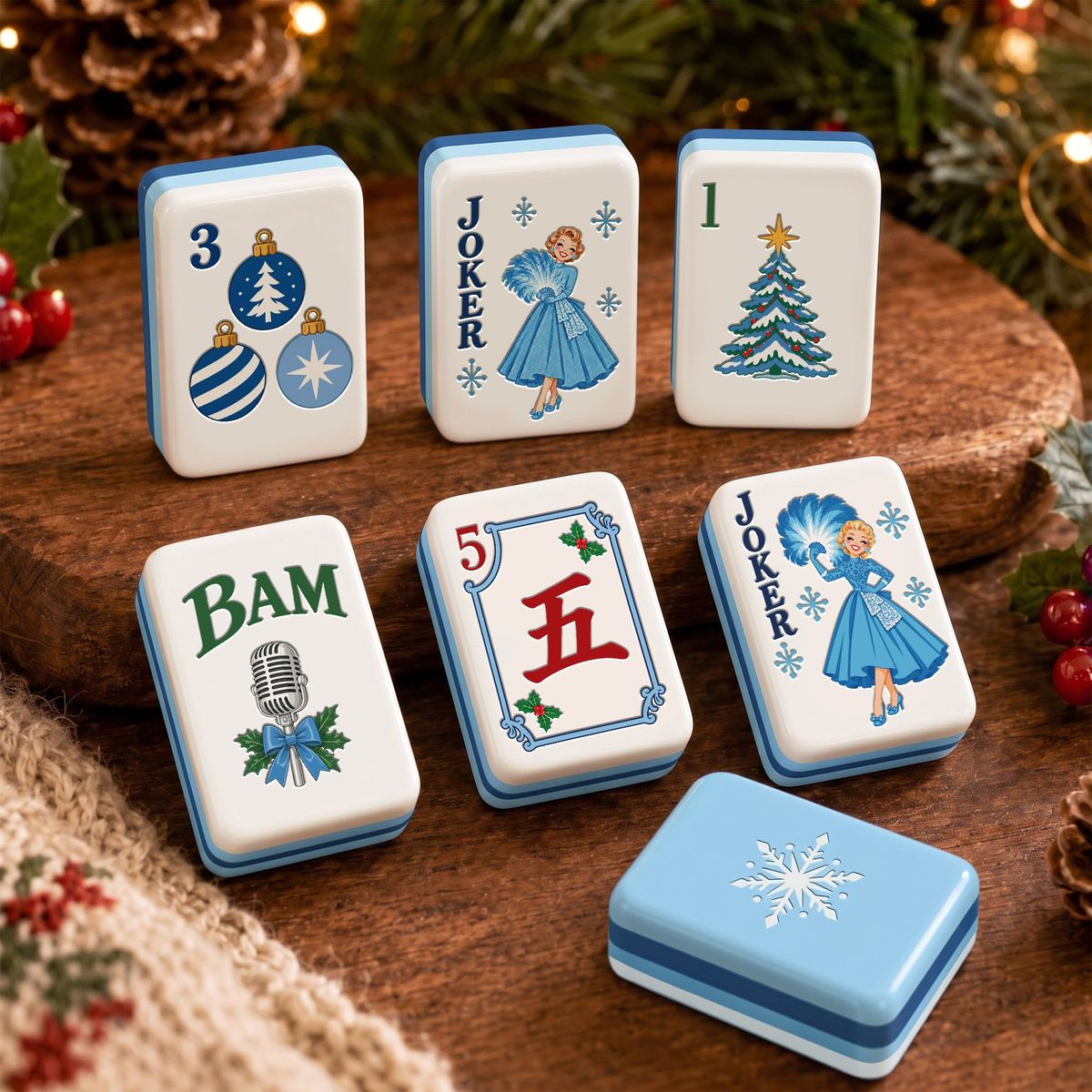
Mahjong groups in Tennessee meet regularly at community centers, senior living facilities, libraries, synagogues, country clubs, and private homes in Nashville, Memphis, Knoxville, Chattanooga, and Clarksville. Most play American mahjong using the current National Mah Jongg League card (updated annually in spring). Start by checking your city's Parks & Recreation listings, local library bulletin boards, Facebook community groups, and Meetup.com for "mahjong" or "mah jong"—you'll usually find beginner-friendly games that meet weekly or twice monthly. New players should bring no experience; established groups welcome learners and can teach you the Charleston tile-passing ritual, hand-reading basics, and scoring in a single session. Hosting your own group requires a 160-tile American mahjong set, a mat or table cover, racks with pushers for stability, and access to our best-selling mahjong sets as a shortcut to quality gear.
Where do Tennessee mahjong groups actually meet?
Community centers run the largest public programs across major cities. Your Parks & Recreation department (check the city website) posts schedules for drop-in sessions or registered classes, usually afternoons or evenings. Senior living communities—assisted living, retirement homes, active-adult neighborhoods—host members-only games daily or weekly; ask if you're a resident or guest-eligible. Libraries in Nashville, Memphis, and Knoxville often coordinate club meetups on their bulletin boards or online event calendars. Synagogues and Jewish community centers historically anchor mahjong culture in Tennessee and often welcome non-members to join Thursday-night or Sunday-afternoon games. Country clubs, golf clubs, and social organizations frequently run private mahjong nights during membership meetings. The surest way: search Facebook for "[your city] mahjong" or "[your city] mah jong group" and message the admin directly—most are active and reply within 24 hours.

What's the difference between American and other mahjong styles in Tennessee groups?
American mahjong is the dominant variant in Tennessee and uses a tile-by-tile strategy card issued each year by the National Mah Jongg League. You cannot form or meld sequences (called chows in Chinese mahjong); instead, you expose only identical sets—pungs (3 tiles), kongs (4), quints (5), or sextets (6)—plus one pair to win. Chinese, Hong Kong, Riichi (Japanese), and Taiwanese variants use their own rulesets, hand lists, and scoring systems; they allow sequences and have different winning conditions. Tennessee groups are 95% American mahjong, but ask before joining—some communities, especially university or cultural clubs, play regional variants. If you're new, stick with American mahjong groups in your first season; it's the easiest to learn from printed strategy cards and has the largest social network in the state.
How do I find a beginner-friendly group near me?
Check these channels in order: (1) City Parks & Recreation website—search "[city name] parks mahjong" and look for "adult education" or "recreation" classes. (2) Your public library's website—many post club schedules or let you call and ask for "mahjong club contacts." (3) Facebook Groups & Meetup.com—search your city name plus "mahjong" and request to join; many Tennessee groups explicitly say "beginners welcome." (4) Senior centers and active-adult communities—call their activity directors and ask if mahjong games are open to visitors. (5) Local synagogues and Jewish community centers—their websites list events or provide a phone number. Once you find a prospect, message the contact and ask: "Are you accepting new players? What should I bring? Do I need my own tiles?" Honest groups say yes to beginners and clarify whether they provide tiles or ask you to buy or borrow a set.
🀄 Shop best-selling mahjong sets →
What equipment do I need to join a Tennessee mahjong group?
If the group provides communal tiles, you need nothing—show up and learn. If tiles are shared but you want your own, a 160-tile American mahjong set is the standard. Most Tennessee groups play at tables with mats or simple table covers; a padded mat improves comfort and tile handling, especially if you play weekly. Racks with pushers help newer players organize tiles and speed up play without stress on wrists—many groups use them at the table. A printed copy of the current year's National Mah Jongg League card (free online, updated each spring) is your strategy guide; most players keep it face-up during hands. Pencil and paper for score tracking and a small tile travel bag if you bring your own set to meetings. After your first session, ask the group what others use and consider upgrading; many players invest in quality gear after their first month because the game sticks.

What should I know before my first group session?
Arrive 10–15 minutes early, introduce yourself to the host, and say you're new. The group will explain the current-year card layout, teach you the Charleston (the tile-passing opening ritual), and walk you through one hand. Bring a pen and a notebook for notes on hand patterns and scoring. Ask questions freely—mahjong culture in Tennessee is collaborative, and experienced players expect to explain. Watch one full round before playing so you see scoring, the card-reading process, and how jokers substitute for missing tiles. Sit next to or across from an experienced player on your first game so you can ask about tile placement and hand-reading in real time. The National Mah Jongg League card looks dense but is straightforward once someone shows you how sections (like "2023 Like Numbers" or "Consecutive Runs") map to tile combinations on the table. Don't worry about winning—beginners usually break even or lose modestly while learning, and that's expected and fine.
Where to Look | Best For | How to Confirm |
Parks & Rec website | Public, open groups, often beginner classes | Call department directly or check course calendar |
Public library | Regular weekly groups, free or low-cost | Phone library or ask at desk for club contacts |
Facebook/Meetup | New groups, exact meeting times, easy messaging | Join group, read recent posts, ask in comments |
Senior centers | Retired and semi-retired players, daytime slots | Call activity director; ask if visitors welcome |
Synagogues/JCC | Long-standing groups, Thursday/Sunday nights | Call or check website events; introduce yourself as interested new player |
Country clubs | Private, more competitive, evening games | Ask current member for sponsorship or invitation |
🎁 See our most-loved mahjong sets & accessories →
How do I host my own mahjong group at home?
Hosting weekly or biweekly games is simpler than you might think and builds lasting friendships. You'll need a sturdy table (48 inches or larger works well—a dining table plus card table end-to-end is fine), a padded mahjong mat for tile grip and comfort, and a 160-tile American mahjong set for each group of four. Racks with pushers are optional but highly valued by players because they reduce wrist fatigue on longer nights. Print or download the current year's National Mah Jongg League card for each player and place it face-up at the table. Provide pencil, paper for scoring, a tile travel bag if hosting multiple sets, and light snacks—most Tennessee groups center on games plus casual conversation over food or beverages. Start small (one standing group of 4, or rotate players if you have 6–8 interested) and set a regular day—Friday night, Thursday afternoon, Sunday morning—so people can commit. After three months, you'll have a rhythm and know whether to expand or keep it intimate. Many Mahstead customers start as solo players who join a group, then host their own group within a year; the camaraderie is what keeps people coming back.
✨ Find your Mahstead set — free US shipping →
What to check before you buy or join
Tile condition: Used tiles should show no cracks or missing paint; inspect before committing to a set purchase.
Mat grip: Test the mat surface—you want tiles to grip, not slide. A quality mat pays for itself in one season of weekly play.
Set completeness: Verify your set has all 152 playing tiles plus 8 jokers (160-tile sets include spare tiles); count before your first game.
Card compatibility: Confirm the group uses the current year's National Mah Jongg League card—it changes annually in spring, so old cards cause confusion.
Group vibe: After one session, you'll know if the pace, stakes, and player personalities fit. No obligation to stay; try another group if needed.
Transportation: If you host, confirm players can reach you comfortably. If you join elsewhere, ask about parking and meeting times before committing.
Starting your Tennessee mahjong journey: next steps
Identify your city or region (Nashville, Memphis, Knoxville, Chattanooga, etc.) and search Parks & Rec online or call the main office.
Check your local library, synagogue, and community center websites for mahjong club contacts or event calendars.
Post in local Facebook groups or Meetup asking for mahjong group recommendations; wait 24–48 hours for replies.
Message a prospect group and ask: "Are beginners welcome? When do you meet? What should I bring?"
Show up early, listen, and ask questions—your first session is observation and learning, not winning.
Consider hosting your own group after three months if you've made friends and want to deepen the habit.
Return to our beginner's guide for rules, scoring, and strategy once you've joined a group and want to level up faster.

FAQ
Can I join a Tennessee mahjong group if I've never played?
Absolutely. Most established groups welcome beginners and teach you the entire game in your first session—Charleston, card-reading, and one practice hand before you play for keeps.
Do I need to buy my own tiles?
No. Most groups have communal sets. After your first few sessions, many players enjoy owning a personal set for comfort and table feel, but it's optional.
What's the entry cost for a typical group game?
Tennessee groups range from free (library and some community center games) to modest buy-ins (usually $5–20 per person, winner takes all or split). Ask before arriving.
Is American mahjong the only variant played in Tennessee?
Yes, 95% of Tennessee groups play American mahjong with the National Mah Jongg League card. Some university or cultural clubs play variants, but ask first.
How often do Tennessee groups meet?
Most meet weekly (one set day/time), some biweekly, a few daily at senior centers. Ask about their schedule when you contact them.
What if I find a group but the pace or stakes don't match me?
Join another group—Tennessee has enough active players that you'll find a fit. Try before committing to regular attendance.
Can I host a group if I've only played for a month?
Yes. Pick four interested friends, set a weekly time, provide tiles and a mat, print the strategy card, and let the game teach everyone together.


View More
View More
View More
