
Vintage Style Mahjong Racks with Pushers: Retro Design Guide
Last updated: Nov 23, 2026
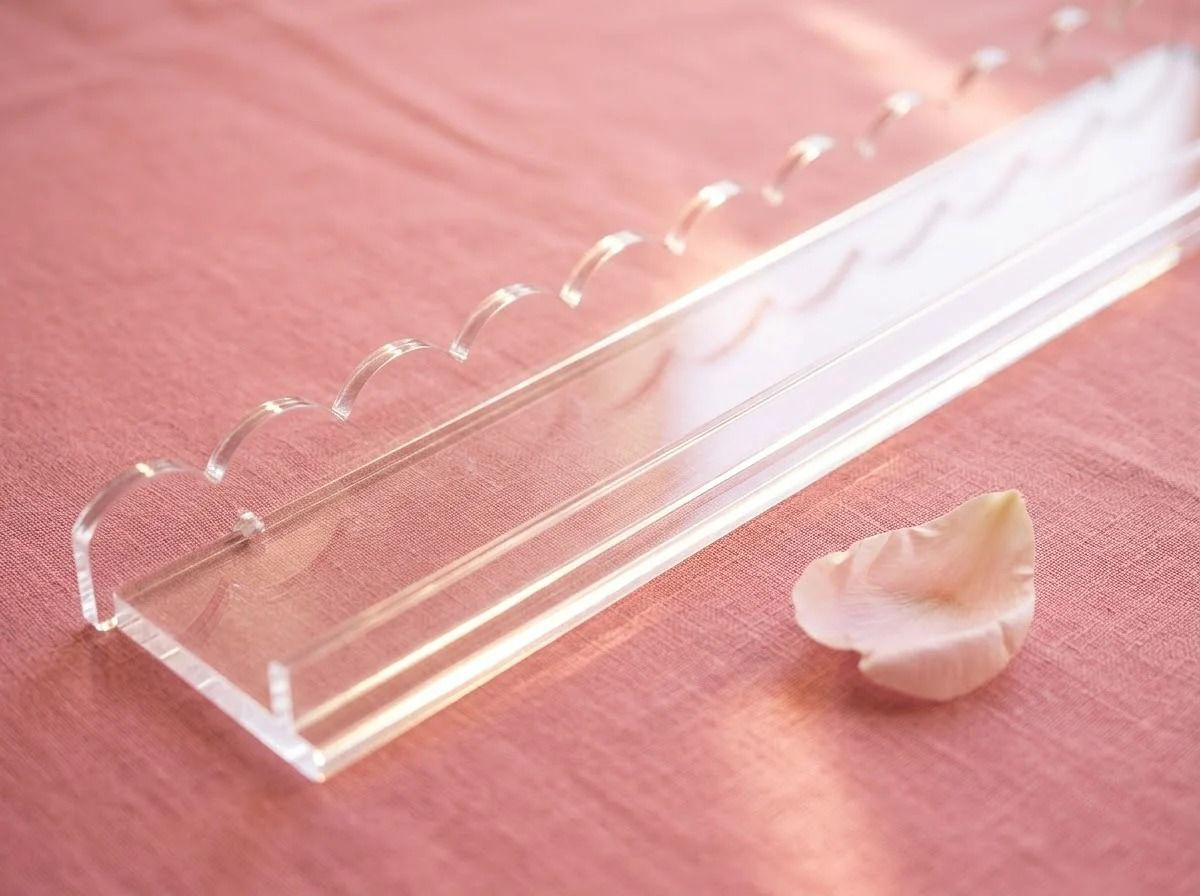
Vintage-style mahjong racks with pushers are wooden or bamboo tile holders designed to echo mid-century aesthetics while organizing your hand during play. A typical rack holds 13–16 tiles upright and includes two pushers—flat sticks that sit perpendicular to the rack to help you manage tile placement and conceal which tiles you're holding from opponents. You'll find styles ranging from simple natural bamboo to carved wood with period detailing, available through specialist retailers like Mahstead's mahjong racks collection. Most vintage designs work with American mahjong tile sets and fit snugly on any play surface. Cost varies by material and craftsmanship; natural bamboo is typically more affordable than hand-carved wood. Before ordering, verify the internal width matches your tile thickness—modern acrylic tiles are thicker than vintage Bakelite, so check product specs carefully to avoid racks that pinch or leave tiles loose. 🎁 See our most-loved mahjong sets & accessories →
What makes a rack "vintage style" versus modern?
Vintage-style racks prioritize period design cues—natural finishes, simple joinery, warm wood tones—over high-tech materials or minimalist forms. Modern racks often feature bright acrylic, geometric lines, or novelty themes. Vintage designs work best if you value table aesthetics and host weekly games where décor matters.
How do pushers actually keep opponents from seeing your tiles?
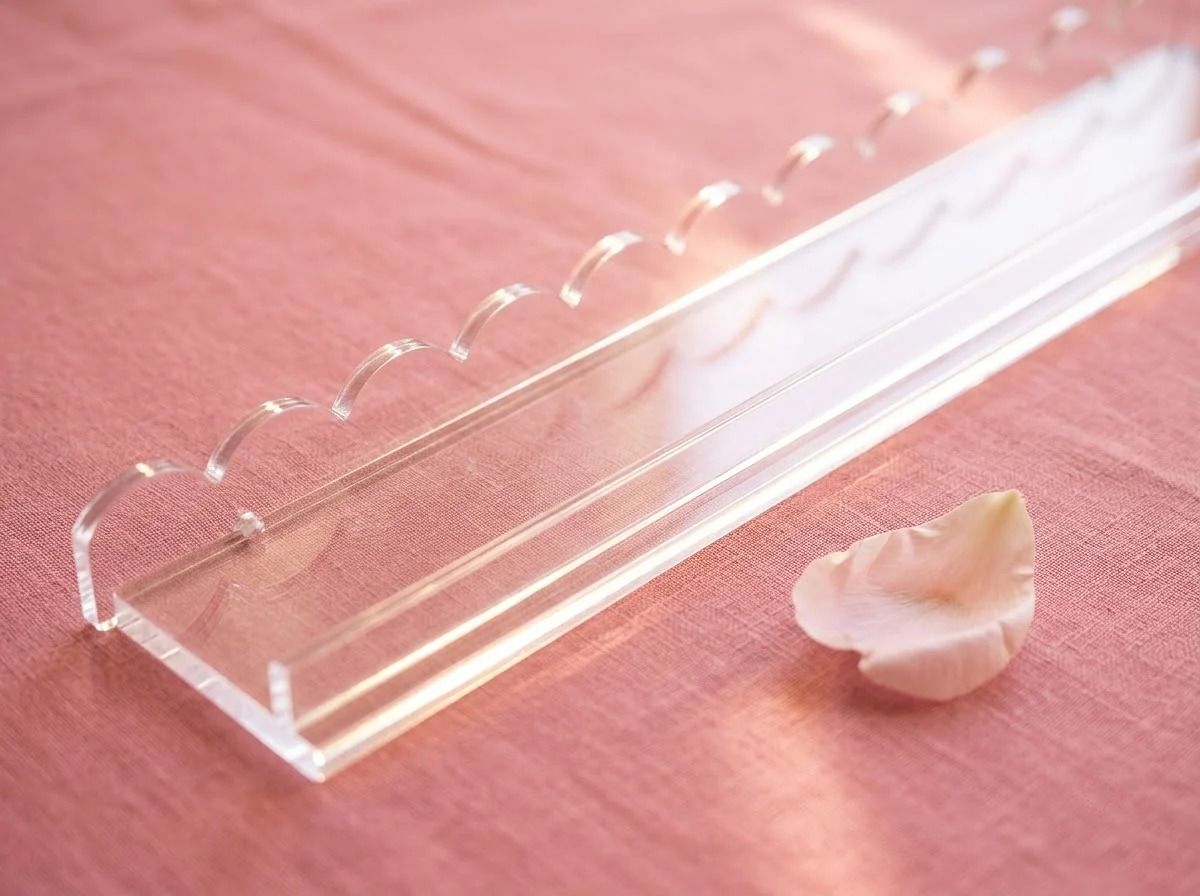
Pushers are elongated flat sticks that sit perpendicular to your rack, resting between or in front of the upright tiles. When you adjust a tile, the pusher moves with it, blocking the edge-on view that would reveal the tile's face to players across the table. This simple physics—not magic—keeps your hand hidden as you shuffle and arrange.
What size rack do I need for my set?
Measure your tile thickness in millimeters (modern American acrylic tiles are typically 6–8 mm thick) and check the rack's interior width before purchasing. A rack designed for older, thinner Bakelite tiles may pinch contemporary tiles; one sized for oversized novelty tiles will leave standard tiles rattling. Most vendors list recommended tile dimensions—cross-reference before checkout to avoid fit issues.
Bamboo versus wood: which vintage style wins?
Feature | Bamboo | Hand-Carved Wood | Who It's For |
Appearance | Light, natural grain | Darker, ornate detail | Bamboo: casual play; Wood: heirloom feel |
Weight | Lighter, portable | Heavier, stable | Bamboo: frequent travel; Wood: permanent table |
Durability | Resistant to warping | Prone to splits if dry | Bamboo: low maintenance; Wood: collectors |
Cost basis | Lower entry | Higher investment | Budget vs. display |
Maintenance | Wipe clean | Oil yearly | Choose by lifestyle |
Bamboo works well if you move your games between venues or pack racks into a travel bag. Hand-carved wood suits stationary home tables where you want a statement piece that lasts decades and develops patina.
How do I avoid common mistakes when ordering vintage racks?
Mistake 1: Guessing interior width. Measure or ask the vendor for the exact millimeter width before buying. Tiles that don't fit won't slide smoothly and frustrate players mid-game.
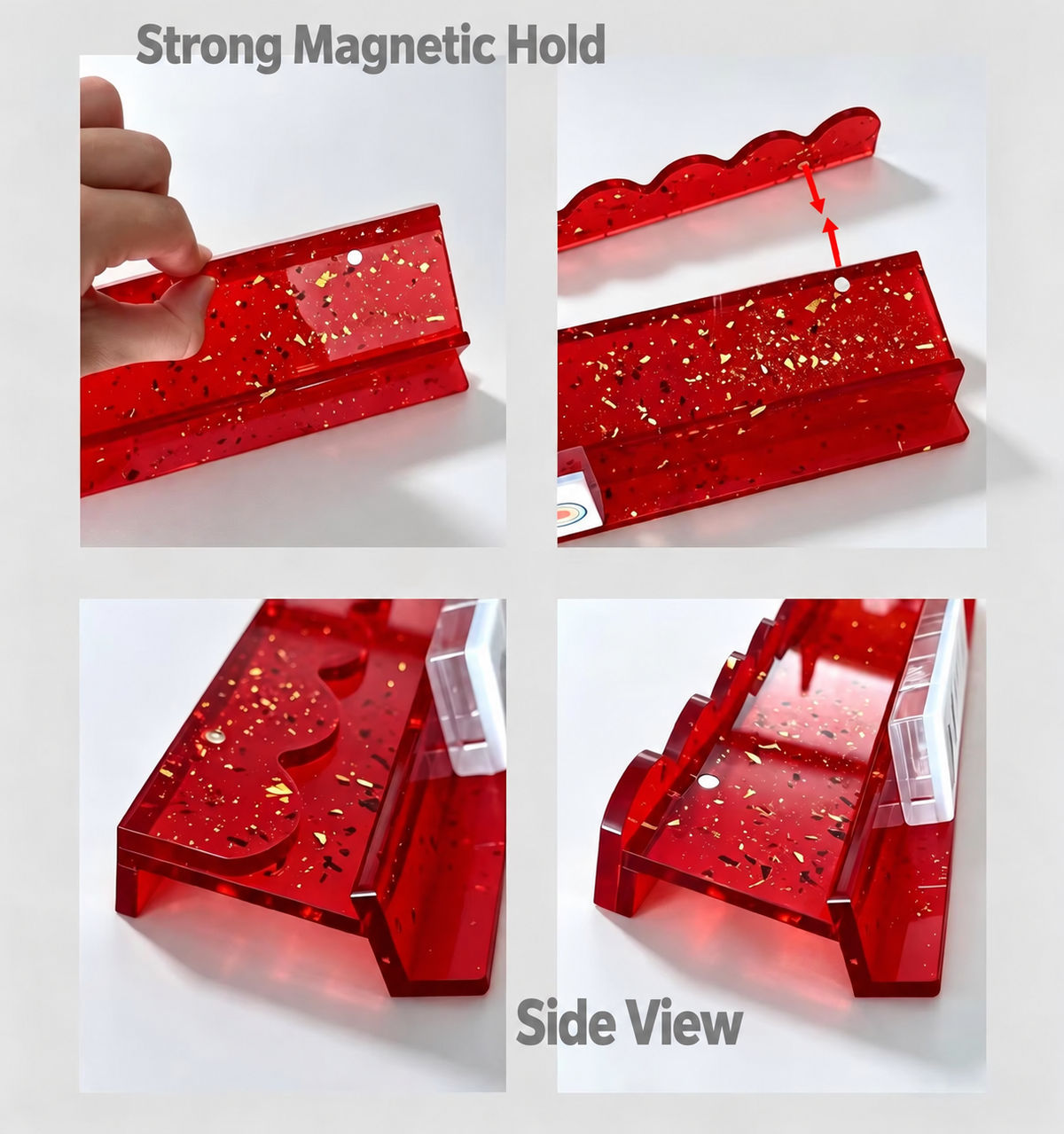
Mistake 2: Overlooking pusher condition. Pushers wear faster than racks; if they're warped or splintered, they won't glide. Check product photos for smooth, straight pusher edges.
Mistake 3: Ordering one rack for four players. You need four racks—one per player—plus a fifth as a spare for chips or an extra set. Don't assume one unit ships with multiples.
Mistake 4: Ignoring felt or non-slip backing. Racks slide on glossy mats; ensure yours has felt feet or grip to stay in place during a long game. A rack that creeps annoys everyone at the table.
Mistake 5: Mixing tile types without testing. If you're upgrading from older Bakelite to modern acrylic sets, verify your existing racks fit the new tiles before hosting your next game night. Ask the seller for tile-thickness specs.
Should I buy vintage racks new, or hunt secondhand?
New vintage-style racks from specialty makers (like those in Mahstead's best-selling collection) guarantee correct sizing for modern American mahjong tiles and arrive in reliable condition. Secondhand bamboo or wood racks from antique shops or online resale sites may be authentic period pieces but risk poor fit, hidden wear, or missing pushers. If you're building a cohesive set—matching racks, tiles, mat, and bag—buying new ensures everything works together seamlessly.
🀄 Shop best-selling mahjong sets →
What's the complete setup for a vintage-themed game night?
Pair vintage racks with complementary pieces to create a polished table. Start with engraved or titled tile sets that echo a retro aesthetic—palettes inspired by mid-century color schemes or period-specific designs. Add a quality mat in neutral tones (felt or cork backing) to anchor the racks and protect your playing surface. Store everything in a sturdy bag or case if you move games between homes. Dice should match: natural wood or bone-colored die sets complement vintage racks far better than neon plastic.
What to check before you buy.
1. Tile thickness (in mm). Confirm your current or planned set's tile dimensions match the rack's interior width. If uncertain, contact the seller.
2. Pusher alignment. Examine product photos: pushers should sit flush without gaps or overlap. Warped pushers won't slide smoothly during play.
3. Set quantity. Count how many racks you're ordering. You need four for a complete 4-player game, plus one backup.
4. Felt or grip base. Racks must not slide on your mat. Check for non-slip backing.
5. Finish and sealing. Natural wood can splinter; ask if the seller treats or oils it. Bamboo should feel smooth, not rough.
6. Shipping method. Verify packaging protects against warping or crushed pushers in transit. Mahstead ships free across the US; compare other vendors' care.
7. Return or exchange policy. If racks don't fit your tiles, will the seller accept a return? Get this in writing before checkout.
✨ Find your Mahstead set — free US shipping →

FAQ
Can I use a vintage rack designed for Bakelite tiles with modern acrylic tiles?
Not reliably. Bakelite tiles are thinner (typically 5–6 mm); modern acrylic tiles are thicker (6–8 mm or more). A rack sized for old tiles will pinch or crack new ones. Always measure or ask the vendor for tile-thickness specs before buying.
Do pushers come with the rack, or do I buy them separately?
Most vendors include a pair of pushers with each rack. Always confirm in the product description. If buying secondhand, verify both pushers are present and not warped before checkout.
How many racks do I need for a mahjong game?
You need four—one for each player at the table. Many players buy a fifth as a spare for broken pieces or to loan to guests. Don't assume one rack purchase includes multiples.
What's the best material for a vintage rack if I travel with my set?
Bamboo is lightweight and portable; hand-carved wood is heavier and best kept stationary. If you move games between homes or store your set in a travel bag, bamboo suits you better. If your table is permanent, wood's heirloom quality justifies the weight.
Can I restore an old wooden rack that's warped or splintered?
Light sanding and oil can refresh finish, but warping is structural and permanent. A warped rack won't hold tiles evenly or allow pushers to slide smoothly, frustrating gameplay. If inheritance or sentiment matters, consider framing it as decoration and buying a functional new one for play.
Will a vintage bamboo rack stain if my mat is damp?
Yes. Bamboo absorbs moisture and can warp, discolor, or develop mold if exposed to damp play surfaces. Always ensure your mat's felt or cork backing is dry before play. Store racks in a dry location and wipe them clean after humid sessions.
How do I know if a vintage rack will fit my tiles without ordering?
Ask the seller for the interior width in millimeters and compare it to your tile thickness. Measure your tiles with digital calipers or ask the tile manufacturer. An interior width 1–2 mm wider than your tile thickness is ideal—enough to grip without crushing or rattling.


View More
View More
View More
