
Mahjong Competition Rules & Online Lessons: What You Need to Know
Last updated: Nov 23, 2026
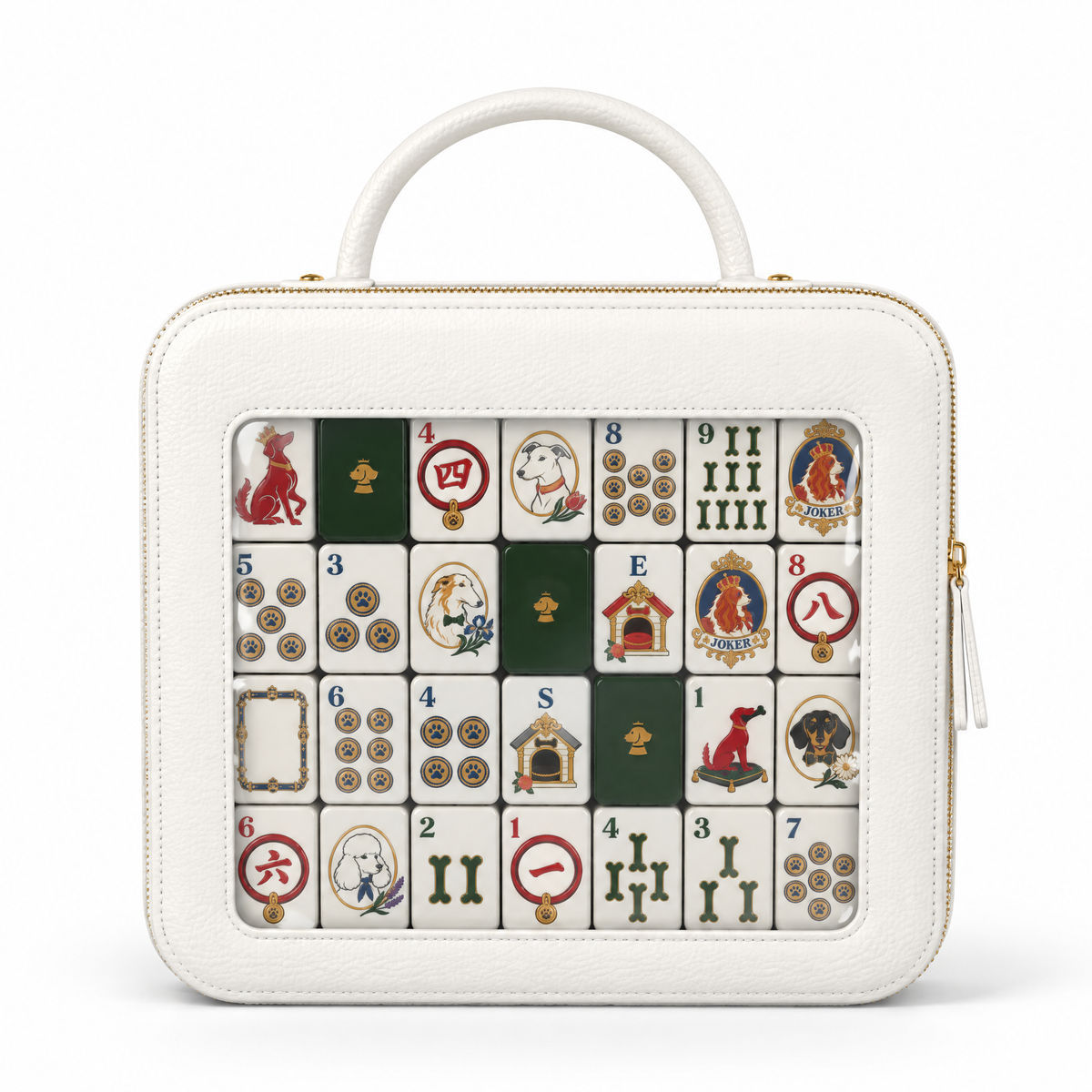
American mahjong competition requires hands from the current year's National Mah Jongg League card only—no variations allowed. Games use exactly 152 tiles plus 8 jokers, with a four-player setup and a formal Charleston (pre-game tile exchange). You expose only pungs, kongs, quints, or sextets; sequences are never called or exposed. Online lessons focus on card reading, hand recognition, Charleston strategy, and live scorekeeping. Tournaments operate under strict protocols: wall builds must be identical, discards tracked visibly, and infractions (drawing out of turn, claiming tiles after discard separation) result in penalties or hand voiding. Most competitions cost a small entry fee per player, with winners earning certificates or modest cash pools depending on the organizing body. Mahstead offers best-selling mahjong sets built for competition play—acrylic tiles withstand shuffling, racks with pushers speed up the game, and mats with visible point zones help tournament coordinators manage multiple tables.
What does the competition mahjong rulebook actually cover?
The National Mah Jongg League publishes rules that govern tournament play in the United States. These cover tile inventory (152 tiles + 8 jokers, no blanks in play), hand validity (must match the current year's card exactly), Charleston timing (three passes, each player trades nine or fewer tiles), and illegal plays (drawing multiple tiles, calling tiles after discard breaks the wall, using jokers in pairs). Wall builds must follow the same procedure every time—East shuffles, distributes tiles evenly, and players draw from the opposite end. Infractions are enforced: if you draw out of turn, your hand is dead; if you discard before setting your rack, the discard stands. Scoring follows a published schedule based on the hand's point value and whether you won by draw or claim. These rules exist to keep games fair across hundreds of players and multiple venues.

How do online mahjong lessons differ from club play?
Online coaching focuses on card literacy and hand-spotting speed rather than physical tile handling. A coach screens shares the current National Mah Jongg League card, walks you through spotting common patterns (bams and dots only, pairs in two suits, consecutive numbers), and drills you on reading discards to infer opponents' melds. Live group lessons often include mock games with a video host narrating plays and mistakes. The main difference: online, you learn strategy in real time without the pressure of other players watching your tiles. Club play tests your speed and nerves—you must recognize hands faster and manage your rack under time limits. Most online lessons cost per session or as a course bundle; many community centers, libraries, and synagogues host free beginner classes and charge modest fees for advanced coaching. A good online course teaches you to validate your hand against the card before claiming, so you avoid penalties in live tournaments.
🀄 Shop best-selling mahjong sets →
What are the most common rule violations in tournaments?
Players most often breach the Charleston window—passing nine tiles when the rules allow up to nine, then later claiming they passed fewer. Tournament directors watch for this because it's an easy cheat. A second common violation: drawing a tile and then saying "wait, wrong hand" and putting it back. Once you draw, that tile is yours—no take-backs. A third: calling a tile for a meld but miscounting your hand (holding 15 tiles instead of 14 + claim). Before claiming, count your closed hand silently; if you have 14, the claim tile makes 15 and you can meld. If you have 13 or 15, you cannot claim. A fourth error happens at the end: some players reveal their hand before the round officially ends, which voids it if the hand is then found to be invalid. The safest practice is to hold your hand private until the director checks it. These violations often result in a dead hand (you score zero and the game continues) or, in repeated cases, disqualification from the tournament.
How do you prepare for your first live tournament?
Start by mastering the current year's National Mah Jongg League card. Study it for 10 minutes daily—not memorizing every hand, but learning where patterns live (sections for bams-only, mixed-suit runs, pair shapes). Practice the Charleston with friends: shuffle, pass exactly nine tiles each time, and count your hand before and after to confirm 13 tiles. Attend a free beginner group at your local community center or library to play under no pressure; ask the coordinator if they offer coaching sessions. Build a routine: review your rack quietly, do not announce your hand until you are sure, and count before claiming. Bring a pen and paper to record scores correctly—many tournaments use pen-and-paper scoring because it cannot be disputed later. If online, play a mock tournament with a recorded session so you can review your mistakes. Wear comfortable clothes and avoid distracting jewelry that might snag tiles. Plan to arrive 15 minutes early, review the posted rules, and ask the director if there are any local house rules before the first game. Most first-time players underestimate how fast experienced players move; watching a live tournament for one round before you enter teaches you the expected pace.
Preparation Step | What You Do | Why It Matters | Time Required |
Study the card | Learn pattern sections (bams, chows, pairs) | Spot hands 2–3 seconds faster | 10 min/day × 7 days |
Charleston practice | Pass tiles with friends, count before & after | Avoid passing-window violations | 30 min × 2 sessions |
Club attendance | Play a free or low-fee game at a community venue | Get comfortable with real-time pressure | 2 hours |
Scoring review | Write out a full game's score from start to finish | Know how to claim and avoid score errors | 20 min × 1 session |
Tournament rules check | Call ahead or read posted rules for local variants | Prevent disqualifications | 10 min |
🎁 See our most-loved mahjong sets & accessories →

What role do mahjong mats and racks play in tournaments?
Competition play demands consistent, visible tile management. Mahjong mats with printed zones show discard rows and meld areas, so tournament coordinators can verify no one is placing tiles illegally. A mat also protects the playing surface and prevents tiles from sliding off the table mid-game—a common cause of disputes. Racks with pushers keep your hand private and neat. The pusher lets you move tiles silently; if you announce "I have a pung here" before locking it with your pusher, other players cannot argue about what you claimed. Tournaments often require acrylic tiles (louder, easier to shuffle fairly) rather than ceramic because they shuffle uniformly. When you buy a competition-grade set, the tiles are numbered for clarity and the acrylic construction withstands thousands of shuffles. Many tournaments provide mats and racks, but if you host a home tournament or join a club that expects you to bring your own, invest in a mat with printed zones and a set of racks—they signal to other players that you take the game seriously and know the standards.
✨ Find your Mahstead set — free US shipping →
Where can you find reputable online lessons and virtual tournaments?
Search for "mahjong online lessons" plus your city or state; many community centers and libraries now offer Zoom coaching. Mahjong organizations in your region often list instructors on their websites. Look for coaches who teach from the current year's National Mah Jongg League card and who can show you screen-shared real games. Virtual tournaments are harder to find but growing—some online platforms host ranked games where players compete for seasonal standings. A warning: free YouTube tutorials vary widely in accuracy. Stick with coaches who cite the League card and show why a hand is valid, not just that it is. Ask a coach for references or reviews from other students before signing up. Many coaches offer a single trial lesson; use that to confirm they teach the rules you need for your local competition level. Some leagues publish a schedule of official tournaments months in advance—check the National Mah Jongg League website directly, or call community centers in adjacent cities if your own area runs infrequent events. Group lessons are often cheaper and more fun than one-on-one coaching, so ask if you can join a standing class before buying a private session.
What to check before you buy a tournament-ready mahjong set
Before purchasing a set for competition play, confirm:
Tile count: The set includes exactly 152 playing tiles plus 8 jokers. No blanks are added to play.
Tile material: Acrylic or resin withstands heavy shuffling. Ceramic tiles are beautiful but chip easily under tournament use.
Clarity of markings: Numbers and suit symbols must be legible from arm's length; engraved or printed logos should never obscure the tile face.
Rack compatibility: Your tiles should fit standard racks with pushers; measure tile thickness if you already own racks.
Joker design: Verify the set includes 8 jokers, not fewer or more. In competition, joker counts are fixed.
Storage: Tournament sets are shuffled hundreds of times per year; a durable bag or case protects your investment during transport to clubs and tournaments.
Spare parts: Ask if the seller provides spare jokers or tiles, in case one cracks during the season.

FAQ
Can I use a mahjong set from 20 years ago in a tournament today?
Only if it has exactly 152 tiles and 8 jokers in working condition. The tile faces must match the current year's card. Old sets sometimes have different suit symbols or missing tiles; check with the tournament director before entering.
What happens if I accidentally draw two tiles instead of one?
Your hand is dead (you score zero for that round). The drawn tiles go back to the wall. This is why experienced players draw slowly and deliberately, confirming they have taken exactly one tile before releasing their hand.
Do online tournaments use the same rules as in-person ones?
Yes. The National Mah Jongg League card is the same, and hand validity rules are identical. Online platforms often enforce rules more strictly because cameras show every tile move. The main difference is speed—online games sometimes have a timer, so you must claim or discard faster.
How long does a competitive mahjong game take?
A single game (East, South, West, North, and often a tie-breaking round) typically lasts 45 minutes to 1.5 hours at a tournament pace. Casual club play may take 2+ hours because players chat. Online games with timers run 30–45 minutes per round.
If I spot an illegal play by another player, do I report it?
Yes. Call out the infraction immediately (e.g., "You drew two tiles" or "That's not a valid hand"). If the rule is unclear, ask the tournament director before the game resets. Disputes must be resolved live; the director's call is final.
Can I play mahjong competitively if I'm left-handed?
Absolutely. The Charleston, tile-passing, and rack use work the same. Some left-handed players position their rack on the right side of their body for comfort. Your hand validity and scoring depend on tile combinations, not which hand you use.


View More
View More
View More
