
Bone and Bamboo vs Resin Mahjong Tiles: Which Wins?
Last updated: Nov 23, 2026
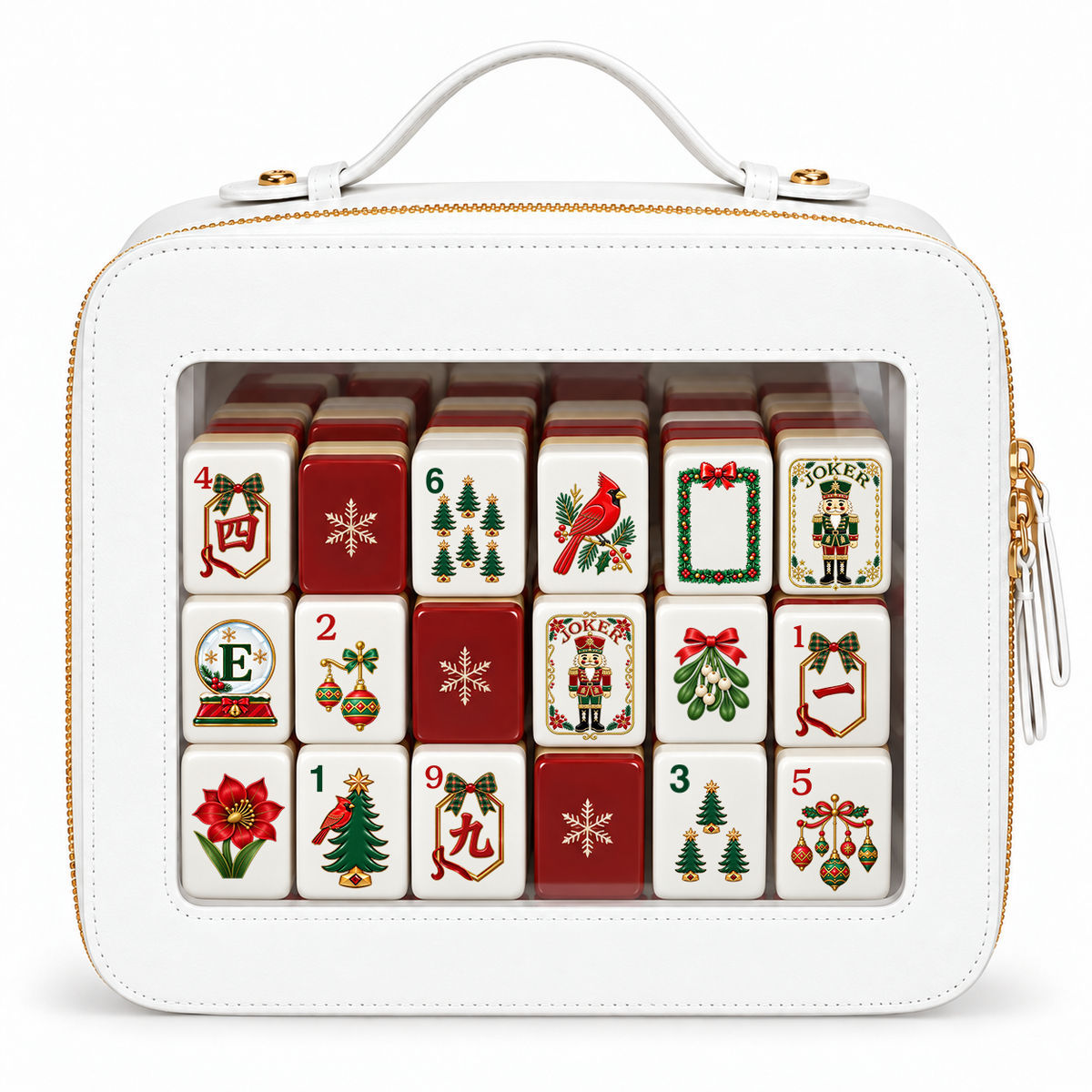
Bone-and-bamboo tiles—carved bone tile faces bonded to bamboo bases—deliver warmth, traditional sound, and a lived-in feel that improves with age; resin tiles offer durability, uniform appearance, easy engraving, and lower cost, but lack the acoustic character and tactile patina serious players crave. Bone tiles are heavier, louder when discarded, and sensitive to humidity; resin is consistent, plays quiet, and requires no maintenance. For weekly casual play, resin works fine; for players hosting regular games who value the ritual click and don't mind occasional tile care, bone-and-bamboo justifies its higher upfront cost. Our engraved American mahjong sets showcase both options—inspect material specs and feel samples before ordering to ensure your tiles match your play style and table.
🀄 Shop best-selling mahjong sets →
What Makes Bone-and-Bamboo Feel Different?
Bone-and-bamboo tiles carry weight—roughly double that of resin—and produce a distinctive sharp click when they collide on the tabletop or land in a Kong. That acoustic feedback is partly ritual, partly practical: it signals attention and creates a sonic rhythm players recognize instantly. The bone face, carved from actual animal bone, yellows and develops micro-scuffs over years; players who love their sets report this aging as the tiles gaining "character" rather than wear. Bamboo bases absorb play-table oils and humidity, shifting slightly in color and texture. You feel the join where bone meets bamboo, a tactile reminder of the tile's construction. When held in a rack with pushers, bone-and-bamboo tiles stack with a satisfying heft. For a game rooted in 19th-century Shanghai, this material choice connects you directly to that history.
The tradeoff: bone requires humidity management (store them in a cloth bag, not sealed plastic), and extreme shifts in moisture—moving from heated winter rooms to humid basements—can cause slight warping or cracking. The bone surface, being porous, can stain if exposed to oils or dark liquids. Players who travel with their sets to different venues, or store them in garages or unheated spaces, frequently encounter these issues. A sealed acrylic case helps, but even then, wide seasonal swings stress the glue bond between bone and bamboo.

How Does Resin Compare in Play?
Resin tiles—typically cast acrylic or injection-molded plastic—offer uniformity you cannot achieve with natural materials. Every 1 Crak looks identical to the next; no subtle color shifts, no micro-variations in thickness. They ring quieter than bone when discarded, producing a muted plastic tap rather than a sharp click. Most resin tiles weigh noticeably less, which changes how they feel when stacked in a rack and pushed across the mat. For players transitioning from a cloth-and-tile board game experience to weekly mahjong, resin feels light and modern. For players raised on bone, resin can feel hollow—literally and acoustically.
Resin's real strength is durability and consistency. Coffee spills, humidity swings, and temperature changes barely phase acrylic. The tiles play the same way month after month. Jokers and engraved personalization are easier to execute on resin: our artisans can etch names, dates, or designs into the surface with precision. Resin tiles need no special storage care—a zip-top bag works fine. If you're hosting your first weekly game and unsure whether you'll play long-term, resin eliminates the "Will I regret this?" question. The tile mechanics of American mahjong are identical regardless of material, so there's no rules disadvantage to resin play.
🎁 See our most-loved mahjong sets & accessories →
Sound, Weight, and the Ritual Question
When you discard a tile, you're not just placing it; you're announcing a decision audibly to three other players. That acoustic signal matters. A bone-and-bamboo tile strikes the tabletop with a distinctive crack—loud enough to capture attention without being aggressive. A resin tile lands softer, requires players to look rather than listen. Over a three-hour game, this compounds: the rhythm of discards becomes part of the game's atmosphere.
Weight also shapes play psychology. Bone tiles, held in a rack with pushers, create resistance: you feel the tile as you slide it out, arrange it, push it back. That friction slows you down slightly—a feature, not a bug. Resin tiles, lighter and smoother, slide like tokens. Faster handling can feel more modern; it can also reduce the meditative pause many players rely on. If your group values ritual and deliberate pacing, bone-and-bamboo reinforces that culture. If you prioritize efficiency and smooth play flow, resin supports that style.
From a hosting perspective, bone-and-bamboo tiles photograph better in social media or invitations—their warm, lived-in look signals authenticity. Resin tiles read as sleek and contemporary. Neither is objectively "better"; your choice reflects what experience you want to create at your table.

Maintenance, Storage, and Long-Term Cost
Aspect | Bone-and-Bamboo | Resin |
Storage | Cloth bag; keep away from extreme humidity | Any bag; temperature-stable |
Cleaning | Gentle damp cloth; avoid soaking | Wipe with dry or damp cloth |
Seasonal care | Monitor for warping in dry winters | None needed |
Lifespan | 20+ years if cared for; improves with age | 10–15 years; consistent throughout |
Damage | Chips, stains, glue separation possible | Cracks, fading if exposed to UV light |
Repair | Difficult; professional restorers exist | Usually not economical; replace instead |
Resale value | Vintage sets retain collector interest | Minimal secondary market |
Bone-and-bamboo tiles are an investment that pays dividends if you treat them as heirlooms. Our players who've owned the same bone set for ten years report the tiles only improve: the patina deepens, the crispness mellows, and they've become conversation pieces. Resale is viable; vintage sets circulate among serious players. Resin tiles, once scratched or faded, are harder to resell; most players simply retire them and buy new ones.
If you're hosting weekly games for the next five years and intend to keep your set active, bone-and-bamboo amortizes to a lower cost-per-game than replacing resin sets every decade. If you're testing whether mahjong will stick in your social rotation, or you move frequently and store gear in variable conditions, resin eliminates risk and maintenance burden.
How to Decide: A Checklist Before You Buy
Pick bone-and-bamboo if:
You host or attend weekly games regularly.
You value acoustic and tactile feedback as part of the play ritual.
You can store your set in a stable, non-extreme environment (living room closet, not unheated garage).
You're comfortable with gentle maintenance (keeping tiles in cloth, checking glue seams annually).
You'll keep your set 5+ years and don't expect to sell it.
Pick resin if:
You're new to mahjong and trialing whether it becomes a habit.
You travel with your set or store it in cars, boats, or outdoor spaces.
You prioritize visual uniformity and ease of engraving (gifts, corporate sets, tournaments).
You want zero maintenance and consistent play feel every session.
Your budget is tighter and you prefer lower upfront cost.
Hybrid consideration: Some players own both. A resin set travels; a bone-and-bamboo set stays at home for weekly games. If you reach that point, our collection of best-selling mahjong sets includes options in both materials so you can compare side-by-side.
Before ordering, ask the seller (or manufacturer) these specifics:
Is the bone genuine animal bone or synthetic bone-composite?
What type of resin (acrylic, polystyrene, other)?
Are tiles laminated or carved?
What's the glue between bone and bamboo (and is it replaceable)?
Can you request a sample or see tiles in person?
✨ Find your Mahstead set — free US shipping →
Engraving and Personalization: Where Resin Excels
Bone is harder to engrave cleanly because it's porous and can splinter. Resin accepts engraving crisply: names, dates, company logos, or inside jokes etch into the tile surface with precision. If you're gifting a mahjong set for a milestone (retirement, birthday, family reunion), resin simplifies personalization and ensures the engraving stays legible for years. Our engraved American mahjong sets feature custom designs on resin bases—the lettering stays sharp through thousands of plays. For bone-and-bamboo sets, engraving is possible but must be done carefully by experienced artisans, adding cost and time. If you want each player's name on their rack or pushers, resin makes that feasible and affordable.

FAQ
Can you mix bone-and-bamboo and resin tiles in the same game?
Not recommended. The weight and sound differences become immediately apparent and distract players. Buy a full 160-tile set in one material.
Do bone tiles actually improve with age, or is that nostalgia?
They do shift in appearance—yellowing and developing micro-patina—which many experienced players experience as aesthetic improvement. Whether that's objective is personal.
How long before resin tiles yellow or crack?
Quality resin holds up well for 10–15 years of regular play; UV light exposure accelerates fading. Store sets away from direct sunlight.
Are synthetic bone tiles a compromise between bone and resin?
Synthetic bone (bone-composite) offers bone aesthetics without humidity sensitivity, but lacks the acoustic character and warmth of genuine bone.
What's the honest resale value difference?
Vintage genuine bone-and-bamboo sets retain 30–50% of original value; resin sets typically resell for 10–20%. Condition and rarity matter most.
If I buy bone-and-bamboo, how often do I need to maintain them?
Check tiles and glue seams every 6–12 months; store in cloth bags away from heating vents and direct sunlight. Annual inspection prevents most problems.


View More
View More
View More
