
Mahjong Clubs in Richmond: Where to Play & What to Bring
Last updated: Nov 23, 2026
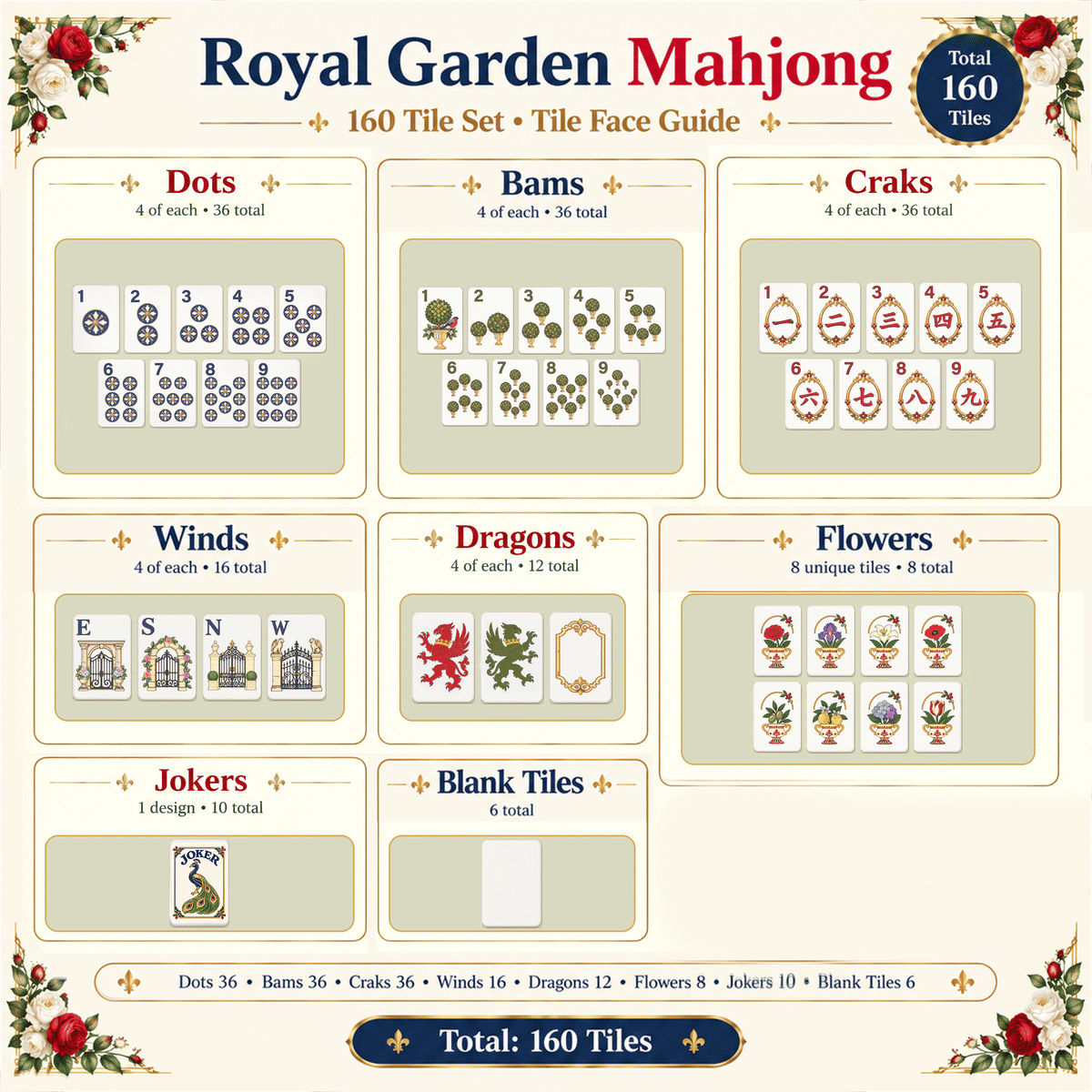
Richmond mahjong players typically gather at public senior centers, community recreation departments, libraries, synagogues, and country clubs—check your local Parks & Recreation website and Meetup.com for current listings by searching "mahjong Richmond" or "mah jongg game." Most American mahjong games meet weekly and welcome beginners; call ahead to confirm the day, time, and whether you need to bring a set (many venues have community sets, though bringing your own best-selling acrylic mahjong sets ensures familiar tiles and scoring consistency). Games run 2–4 hours with a short break. Expect friendly players, flexible stakes or no money involved, and a willingness to teach the Charleston and tile-reading basics. Start by visiting a public venue rather than a private home club, since open groups actively recruit new players and are more forgiving of questions mid-hand.
Where do Richmond players gather regularly?
Public senior centers and community recreation departments are your fastest entry point. Call ahead to ask which days host open mahjong; many offer drop-in play without reservation. Libraries sometimes host game nights or can recommend local clubs. Synagogues and country clubs in the area often run weekly groups, especially if they have a strong community social program. Meetup.com and local Facebook groups for Richmond seniors or game enthusiasts also post active sessions. Attend a public session first to learn the local scoring system and meet regular players who know private games.
🀄 Shop best-selling mahjong sets →

What's the best way to find a game as a beginner?
Start by visiting a drop-in public session at a community venue during the advertised time—no need to call or ask permission. Introduce yourself to the organizer and explain you're learning; most groups have a waiting list or will seat you in the next round. Bring a notebook to jot down hand patterns and ask questions between rounds. Watch a full game before playing so you see the Charleston, the tile-passing ritual, and how the current year's National Mah Jongg League card is used. Ask a veteran player to partner with you or sit near you for your first game; they'll coach you quietly. Avoid private club games until you've played 3–5 public sessions and understand the Charleston and tile reading.
Do I need to own a mahjong set to play?
Most public groups have loaner sets or provide tiles, but owning your own acrylic mahjong set gives you two advantages: familiarity with tile size and feel, and confidence during your first games because you know exactly how your set works. Community sets vary in tile clarity, size, and wear—bring your own 160-tile set and you'll play faster and spot your tiles instantly under table lighting. Many Richmond groups welcome players with personal sets; it speeds up games when everyone recognizes their tiles immediately. If you're uncertain whether to buy, borrow or attend a venue session first, then decide based on how often you want to play.
🎁 See our most-loved mahjong sets & accessories →
What equipment should I bring to my first game?
Bring a 160-tile American mahjong set if you own one; a pen and small notebook for scoring notes and hand-pattern reference; the current year's National Mah Jongg League card (your host or a veteran player will have one); comfortable clothing for 2–4 hours of sitting; and a small snack or beverage if the venue allows it. Optional but helpful: a mahjong bag or case to protect your tiles during transport, especially if you're visiting multiple venues to find your regular game. Leave valuables at home and plan to arrive 10–15 minutes early so you can watch the Charleston and ask the organizer where beginners sit. Avoid loud jewelry or phone notifications that distract other players.
How do Richmond games differ from other American mahjong rules?
Most American mahjong games in Richmond and across the U.S. follow the same standard: 152 playing tiles, the National Mah Jongg League card issued every spring, and identical rules for the Charleston, exposures, and scoring. Local groups may use house rules for bonus payments, speed of play, or what counts as a "dead" hand—always ask the organizer before your first game so you're not surprised by a rule unique to that table. Some groups play with slightly different pushback or joker rules; clarify whether jokers can be used in singles or pairs before the first hand starts. The core game is identical everywhere; differences are minor and the group will teach them. Starting at a public venue means you'll learn the most common local house rules before investing in your own set or committing to a weekly slot.
✨ Find your Mahstead set — free US shipping →
Decision framework: Should you buy a set before or after your first game?
Scenario | Action | Why it works |
Never played mahjong | Attend 1–2 public sessions first | Confirm you enjoy the game; borrow a loaner set to test tile size and speed. |
Played in other cities | Buy a set before your first Richmond game | You know the rules; familiar tiles speed learning of local house rules. |
Plan to play weekly (52+ games/year) | Personal equipment pays for itself in faster play and player recognition over one season. | |
Casual player (1–2 times/month) | Use loaner sets; buy only if you find a home group | Venue sets are adequate; upgrade only when you join a private regular game. |
Gifting to a beginner in Richmond | Buy a set, enroll them in a drop-in public session | They'll learn faster with their own tiles and the club will teach the rest. |

What should you check before your first game?
Venue logistics:
Call to confirm the day, start time, and whether walk-ins are welcome.
Ask if a set is provided or if you should bring your own.
Confirm the table count and whether they have a waiting list.
Check parking and accessibility (stairs, restrooms).
Game details:
Request the current year's National Mah Jongg League card in advance so you can study it at home.
Ask whether the group plays with house rules (bonus payments, pushback, joker house rules).
Find out the typical game length and break schedule.
Beginner logistics:
Bring a notebook and pen; taking notes is normal and expected.
Wear layers—mahjong rooms can be cold or warm depending on venue.
Arrive 15 minutes early to watch one full game before playing.
Ask whether the group has a social chat or email list for schedule changes.
How to transition from drop-in public play to a regular game
After 3–5 visits to a public session, talk privately with the organizer or a regular player about joining a weekly home or club game. Many Richmond groups have a small waiting list; express interest and ask when a spot might open. Home games often have a consistent four-player roster and lower learning curve once you're invited. Bring a small gift or offer to supply refreshments on a rotation—it's a graceful way to join a tight group. Once in a regular game, invest in a quality set with a matching mat and rack with pushers—these tools dramatically speed up play and show respect for your table mates' time. By month three, you'll know whether you prefer fast, tournament-style play or casual evening games with friends, and you'll have a home group.
What if you can't find an active club nearby?
If no public group is listed in your area, check libraries and community centers in the closest adjacent town—many Richmond suburbs have active games 15–20 minutes away. Post a "seeking players" notice on Meetup.com or local Facebook community boards; you'd be surprised how many silent mahjong players are looking for exactly this. Join an online American mahjong forum to ask whether Richmond veterans run private games or know organizers who might start a new public group. Alternatively, recruit three friends, watch YouTube tutorials on the Charleston and how to read the current year's card, and start a home game using a best-selling set and mat. Many thriving Richmond clubs began exactly this way—one person bringing mahjong home.
Mahjong as a gateway to community
Joining a mahjong club in Richmond connects you to a social network, builds mental sharpness through strategic thinking, and offers a low-pressure way to meet neighbors and seniors. The game's learning curve is gentle when you start with drop-in public play; the community is welcoming because every group was built by word-of-mouth and shared enthusiasm. Whether you find an established venue or start your own, owning a personal 160-tile American mahjong set solidifies your commitment and makes you welcome at any table. Start this week by searching "senior center mahjong" or calling your local Parks & Recreation office—many games meet tomorrow, and they're waiting for one more player.

FAQ
Can I play American mahjong with a Chinese or Riichi mahjong set?
No. American mahjong uses exactly 152 tiles with specific counts (four each of 1–9 in three suits, four winds, four dragons, eight flowers, eight jokers) and relies on the current year's National Mah Jongg League card. Chinese and Riichi sets have different tile counts, flower symbols, and scoring systems. Bring or use only American sets at American mahjong tables.
Do Richmond mahjong clubs charge membership fees?
Public drop-in sessions at community centers and libraries are usually free or cost $2–5 per visit. Private club memberships or home games may have monthly dues or rotating refreshment costs. Ask the organizer when you call to confirm what to expect.
How long does it take to learn enough to play a full game?
Most beginners can play a complete hand after one 2-hour session watching and one practice round with coaching. Learning to recognize all patterns on the card takes 4–6 games. Competent play—calling hands, scoring quickly, managing your rack—develops over 20–30 games.
Should I learn American mahjong rules before attending a club?
Not necessary. Read a beginner guide or watch a 10-minute video on the Charleston and tile reading beforehand so you're not surprised, but expect and welcome the club's coaching. Most groups slow down for newcomers in the first round.
What's the best way to memorize the hand patterns on the card?
Study the current year's card for 15 minutes daily for two weeks before your first game. Focus on one section at a time (like "One Suit" or "Pairs"). During actual games, keep the card visible and refer to it constantly—this is normal and expected, even for experienced players.


View More
View More
View More
