
Mahjong Clubs in Oklahoma City: How to Join & Play
Last updated: Nov 23, 2026
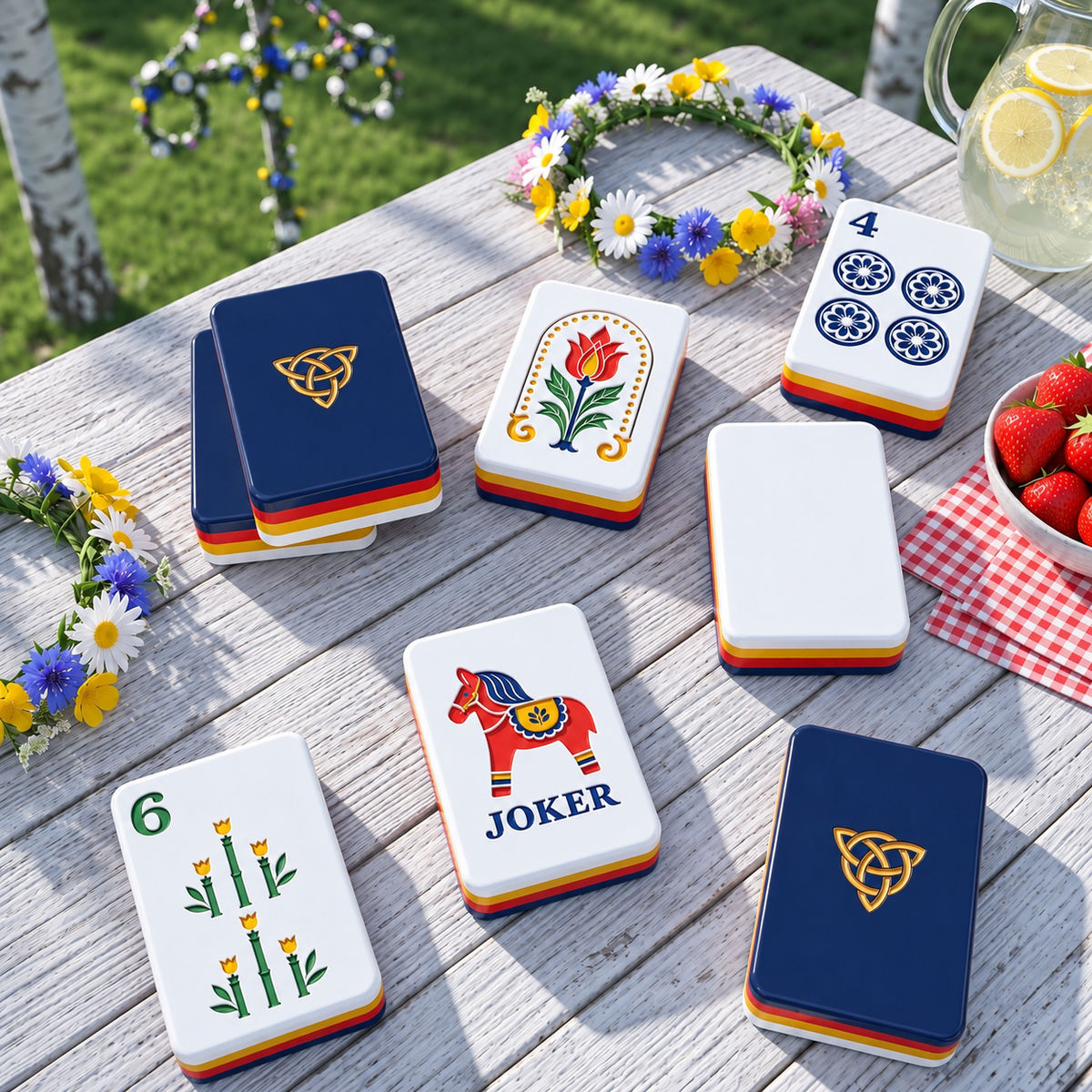
Oklahoma City mahjong players gather primarily through community centers, libraries, and private meetup groups rather than one centralized club. The Oklahoma City Public Library system and local recreation centers often host weekly games or can connect you with established players; check their bulletin boards and website event calendars. Synagogues and country clubs in the metro area frequently organize regular tables. Social meetup platforms and Facebook groups dedicated to Oklahoma gaming communities are reliable ways to find active groups. Most games run weekly, last 2–3 hours, and welcome newcomers; ask if the group plays American mahjong (the most common U.S. variant) and whether they supply tiles or you bring your own. Joining costs nothing, though some clubs ask a small kitty for snacks or table maintenance. Owning a best-selling mahjong set with racks and a mat makes hosting and practice easier, though many clubs loan equipment to beginners.
Where do Oklahoma City mahjong clubs actually meet?
Most OKC groups play in public spaces: libraries, community recreation centers, and senior centers post schedules. Synagogues and temple halls in the metro frequently host weekly afternoon or evening games open to members and non-members alike. Private homes and card rooms also run regular tables—ask established players for referrals. Check the Oklahoma City Parks and Recreation website, call your nearest library branch, and search Facebook for "Oklahoma City mahjong" or "OKC mahjong players" to find current meetup links and group chat invitations.

How do I join a mahjong club in OKC without experience?
Walk in or call ahead. Most groups welcome absolute beginners and expect to teach the American mahjong basics—how to read the annual card, pass tiles in the Charleston, and build a hand. Arrive 10–15 minutes early, introduce yourself, and ask another player to explain what hand everyone is chasing that week. Bring cash for any kitty (typically a few dollars per game). If the group plays with their own tiles, you don't need to buy a set immediately; use that time to decide whether you want to own equipment.
🀄 Shop best-selling mahjong sets →
What's the difference between Oklahoma City casual play and league play?
Casual weekly meetups follow standard American mahjong rules but no formal scoring record or season structure; games last as long as the group wants, players come and go, and the mood is social. The National Mah Jongg League (NMJL) runs official tournaments and publishes the annual official hand card; some Oklahoma players compete in league-sanctioned events, though OKC does not host a major annual championship. Ask whether your local club uses the current NMJL card (issued each spring) or plays by house rules. League play is stricter about scoring and hand validation but beginner-friendly clubs almost always use the official card and explain scoring as you learn.
What equipment do you actually need to play in Oklahoma City?
You need tiles (a standard American set), a mat to contain play, racks to hold your hand, and ideally a bag to transport everything. Many OKC clubs provide shared tiles and mats; if you're a regular, owning your own set eliminates the need to borrow. A 160-tile acrylic set with racks and a mat is the most practical starter package—acrylic tiles are durable, easy to clean, and won't chip during frequent play. Racks with pushers keep your tiles organized and speed up the tile-discarding motion, which matters after a few hours at the table.
What You Need | Why It Matters | When to Buy |
160-tile acrylic set | Durable, complete, playable immediately | Before hosting or joining a regular group |
Organize hand, speed up play, professional feel | Your second or third session if you like the game | |
Protects tiles, muffles noise, defines play zone | After your first month of regular play | |
Protects set during transport, looks polished | When you're hosting or traveling to games |
🎁 See our most-loved mahjong sets & accessories →

How often do Oklahoma City mahjong players actually meet?
Most established groups in OKC play weekly—typically Tuesday, Wednesday, Thursday afternoon, or Saturday morning—and run for 2–3 hours per session. Some clubs play twice weekly or host monthly longer tournaments. Ask the group you join about their schedule before committing; many players attend the same table for years and treat it as a standing appointment. If you're new, commit to at least four consecutive weeks to see whether the game, the people, and the pace fit your life.
What should you check before joining an OKC mahjong group?
Play style: Does the group play American mahjong? (The vast majority do, but ask.) Do they use the current NMJL card or house-made cards?
Cost: Is there a table fee, kitty, or snack charge? Most casual groups charge nothing or a few dollars.
Pace: Are players fast or relaxed? Do they welcome questions mid-game or prefer quiet play?
Skill mix: Will you play with all beginners, a mix, or advanced players? Beginner-heavy groups are more forgiving; mixed tables teach you faster.
Tile ownership: Can beginners borrow a set or must everyone bring one? If borrowing is expected, you have time to decide whether to buy.
Schedule: Does the group meet the same day and time every week, or is it flexible?
Walk in, watch one game without playing, and ask a player or coordinator these five questions. You'll know immediately if the fit is right.
✨ Find your Mahstead set — free US shipping →
How to host your first mahjong game in Oklahoma City
Once you've played a few sessions and feel confident, invite 3 friends (4 players total) and host. You'll need a flat, quiet table; a 160-tile set with racks and a mat; a copy of the current year's NMJL card (free online); and the National Mah Jongg League's official rulebook. Start with a simple hand pattern from the card, explain the Charleston tile exchange, and play 4–6 hands. Most newcomer hosts find that having racks, a padded mat, and a printed card eliminates confusion and keeps the mood relaxed. After one hosted session, you'll understand the equipment OKC players value most.
Finding your mahjong community in OKC: the real path
Oklahoma City's mahjong scene is steady, welcoming, and organized through informal channels. Start by calling your closest library or community center and ask for the mahjong contact; use social media to find meetup groups; visit one game as a spectator; and join when you feel ready. Within two months of weekly play, you'll have a circle of players, know the local house rules (if any), and understand exactly what gear makes sense for your game. Many OKC players play the same table for a decade—the game, the people, and the rhythm become part of life. Your first set investment is small; the community is large; the learning curve is gentle. Show up, ask questions, and play.

FAQ
Do I have to own a mahjong set to join an Oklahoma City club?
No. Most casual OKC groups provide shared sets for players learning the game. After 4–6 sessions, many players decide to buy their own for comfort and to host games at home.
What's the cost to join a mahjong club in Oklahoma City?
Joining is free. Some clubs ask a small weekly kitty (typically $2–5) for snacks or table maintenance. Buying a set if you choose to own one is a separate, one-time decision.
How long does a typical Oklahoma City mahjong game last?
Most groups play 2–3 hours per session and complete 4–8 hands per game, depending on player speed and experience. Ask your local group what their usual runtime is.
Is American mahjong different from Chinese or other variants?
Yes. American mahjong uses a 160-tile set, an annual hand card, and a pre-game tile exchange called the Charleston. Most Oklahoma City clubs play American rules; confirm before joining a group.
What's the best way to find a mahjong group if I'm new to Oklahoma City?
Call your local library, check community center bulletin boards, search Facebook for "Oklahoma City mahjong," and ask in local meetup or community groups. One call or post usually connects you within a few days.


View More
View More
View More
