
Mahjong Clubs in Cincinnati: Where to Play & What You Need
Last updated: Nov 23, 2026
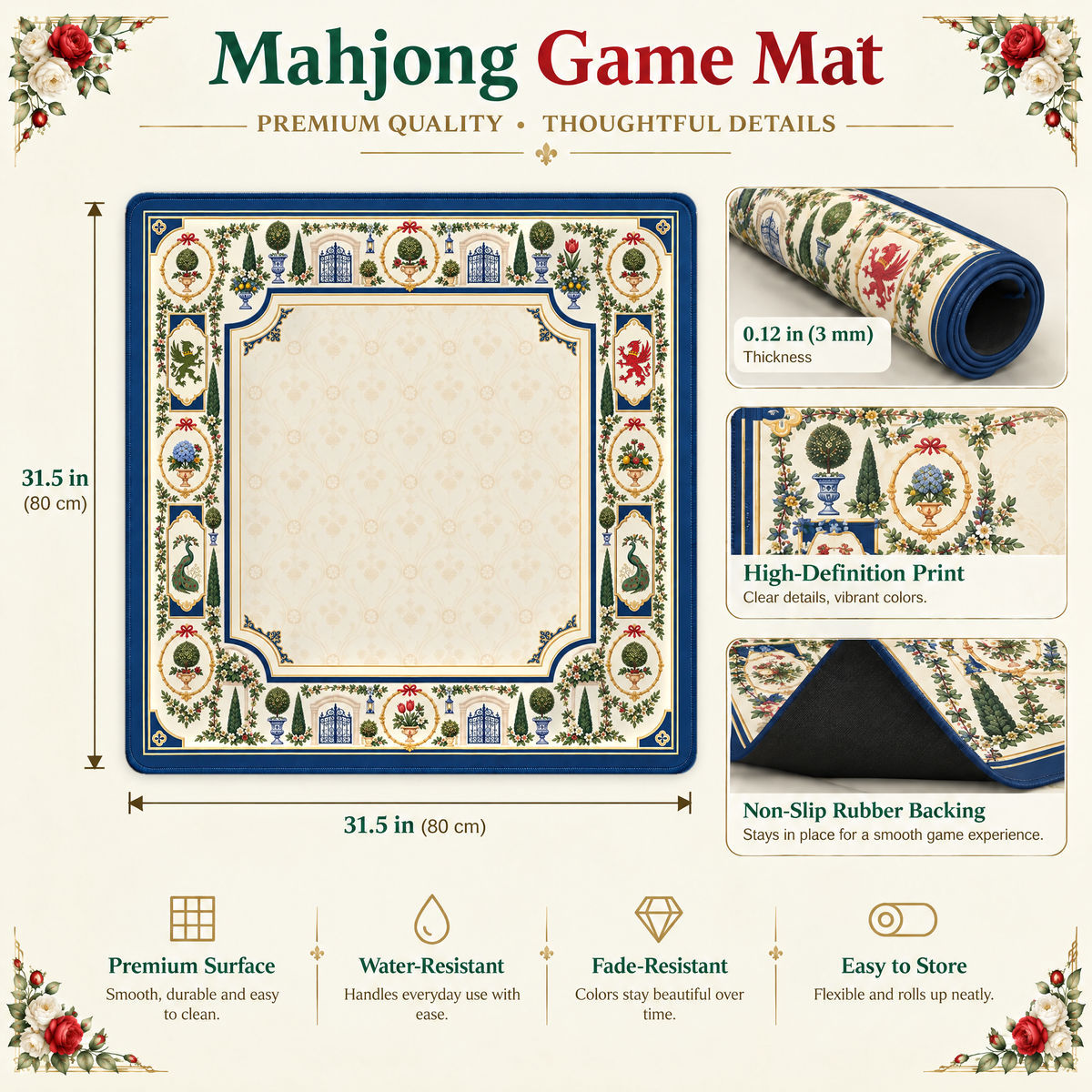
Cincinnati's mahjong scene thrives in public spaces and private groups: start by calling your local library branch, community center (especially those near universities and retirement communities), synagogues with adult programs, and country clubs with game nights. Most Cincinnati players gather weekly on weekends or weekday evenings; a typical game lasts 2–4 hours. Before joining, confirm whether the group plays American mahjong (the most common format locally) and whether they provide tiles or expect you to bring your own. You'll need a 160-tile American mahjong set, a mat to protect the playing surface, and a basic understanding of the hand-drawing and discard rules—but most clubs welcome absolute beginners and will walk you through the first few rounds.
Cincinnati has a growing mahjong community centered in community centers, libraries, and private clubs on the East and West sides. Most Cincinnati players gather weekly on weekends or weekday evenings; a typical game lasts 2–4 hours. Before joining, confirm whether the group plays American mahjong (the most common format locally) and whether they provide tiles or expect you to bring your own. You'll need a 160-tile American mahjong set, a mat to protect the playing surface, and a basic understanding of the hand-drawing and discard rules—but most clubs welcome absolute beginners and will walk you through the first few rounds.
Where do Cincinnati mahjong clubs actually meet?
Public library branches across Cincinnati's library system often host open mahjong tables on afternoons or evenings; check the event calendar on the main branch website or call ahead. Community centers in neighborhoods like Clifton, Oakley, and Hyde Park regularly run mahjong groups, some for members and some open to all. Retirement communities and assisted living facilities in the Greater Cincinnati area often welcome younger players to join their standing games. Private clubs—country clubs, tennis clubs, and membership-based game rooms—usually advertise on community bulletin boards or through word-of-mouth. Start by searching "[your neighborhood] community center mahjong" or asking your library's program coordinator; most staff know who plays in their branch.

What's the difference between American mahjong and what Cincinnati players actually teach?
American mahjong is almost certainly what Cincinnati clubs play: it uses 152 tiles (Bams, Craks, and Dots in four copies each, plus Winds, Dragons, Flowers, and Jokers), requires hands matched exactly to the current year's National Mah Jongg League card, and forbids sequences or "chows." Chinese mahjong—which some East Coast and West Coast groups play—allows sequences and uses scoring calculations rather than a reference card. If a Cincinnati group advertises "Chinese" or "Cantonese" mahjong, they're using different rules, hand lists, and scoring; confirm before you commit. Most Cincinnati players learned American from friends or family and stick with it because the card system is forgiving for beginners. Ask the group organizer which format they use before your first session.
What equipment should you bring or buy before your first game?
Item | Why It Matters | How to Know What You Need |
160-tile set | Plays exactly one game with correct tile count; won't short you mid-hand. | Ask the host: "Should I bring my own, or will you provide?" If you bring your own, a best-selling acrylic set lasts years. |
Playing mat | Protects tiles, mutes sound, marks your discard area clearly. | Most clubs provide; ask at signup. If you host later, a mat becomes essential. |
Racks with pushers | Holds your tiles upright so other players can't see them. | Beginners often skip this; experienced players use them. Racks with pushers are optional but helpful if you play weekly. |
Dice | Determines who goes first and how many tiles to draw. | Included in any complete set; most clubs have extras. |
Current-year card | Shows all winning hand patterns for the season. | The National Mah Jongg League publishes a new card every spring. Your host will have printed copies. |
Most Cincinnati clubs provide tiles and a mat; you may only need to bring yourself and a willingness to learn. If you fall in love with the game and want to host, investing in your own gear makes sense.
How do beginners actually learn in a Cincinnati game?
New players sit down, and one experienced player becomes the informal teacher: they explain the tile names, walk you through the discarding order (East, South, West, North), and show you how to read the hand card by pointing at the pattern you've drawn. The first game or two feel chaotic—you won't understand discards yet, you'll mix up Bam suits, and you'll forget whose turn it is. That's normal. By the third or fourth game, the rhythm clicks: draw one tile, discard one tile, watch for pairs and patterns on the card. Most Cincinnati beginners need 3–5 games to feel confident enough to bid on their own hand; it takes 15–20 games to start winning regularly. Clubs stay patient because mahjong is social first, competitive second. Bring a notebook and jot down hand patterns that win; you'll start recognizing them by sight.
✨ Find your Mahstead set — free US shipping →

What mistakes do new Cincinnati players make—and how to avoid them?
Confusing tile names: Bams look like sticks, Dots look like dots, but Craks (with a Chinese character) trip up everyone. Spend five minutes before your first game labeling a few tiles in your mind: "Crack, crack, crack" out loud until it sticks. Your host won't mind the repetition.
Forgetting you can't use Jokers as a single tile: Jokers (wildcards) can only fill in for a missing tile in a group of three or more. You cannot use a Joker as a standalone tile or in a pair. This single rule prevents countless misplays.
Not watching discards: As tiles leave other players' hands, you learn what suits they don't need. Experienced players discard strategically; beginners often miss these signals. Pay attention to the discard pile, not your own tiles alone.
Bringing a tile set that's incomplete or worn: If your set has missing tiles or damaged engraving, the game stalls. Check your set at home before your first club visit—count the Bams (should be 36: four of each number 1–9), confirm all Winds and Dragons are present, and make sure Jokers are clearly marked.
Trying to memorize all hands on the card: You don't need to. The card sits in the center of the table; just point at it when you're confused. Patterns become familiar after weeks of play.
To avoid these, read a quick guide to how American mahjong works before you arrive, or ask the host if they have beginner-friendly instructions printed.
What if Cincinnati doesn't have a club near you—or you want to host your own?
If no public group meets nearby, start small: invite three friends, grab a complete mahjong set, watch a tutorial video, and play in your home. Many Cincinnati players host rotating weekly games in their living rooms. Once you've played ten times, you have enough confidence to teach others and invite neighbors. A mat and set of racks with pushers transform a regular table into a proper mahjong setup; players feel more invested when the space looks intentional. You can also post on community meetup boards or neighborhood social groups to recruit players; word spreads fast when people discover a welcoming game nearby.
🎁 See our most-loved mahjong sets & accessories →
What to check before you buy a set for Cincinnati play
Tile count: Confirm it's 160 tiles (152 playing tiles plus spares). Avoid sets marketed as 144 tiles; they're incomplete for American mahjong.
Durability: Acrylic tiles outlast bamboo or resin in daily play; they won't chip or discolor after months of weekly games.
Engraving clarity: Make sure Craks (the tricky suit with the Chinese character) are readable at arm's length, and Jokers are unmistakably marked.
Case or bag: If you'll travel to games, a mahjong bag or case protects your set from damage.
Weight and feel: Handle a set in person if possible, or read reviews from players who describe how tiles feel in the hand.
Most Cincinnati players gravitate toward mid-weight acrylic sets that balance durability, comfort, and cost. Ask your club organizer what other regulars own; you'll hear honest feedback about which brands hold up over years of weekly play.
🀄 Shop best-selling mahjong sets →

FAQ
Is there a specific night when Cincinnati mahjong clubs meet?
No single night—different clubs meet on different days. Library groups often meet Tuesday or Wednesday afternoons; private clubs usually meet Thursdays or Saturdays. Call ahead to confirm the schedule for each group.
Do I need to know how to play before I join a Cincinnati club?
No. Most Cincinnati clubs explicitly welcome beginners and spend the first 10–15 minutes teaching tile names and basic rules. Bring curiosity and patience; the rest you'll learn.
What's the cost to join a Cincinnati mahjong club?
Most public library and community center groups are free or charge a small donation per session. Private clubs typically charge a membership fee or per-game fee; ask when you call.
If I buy my own set, will Cincinnati clubs let me use it?
Yes. Bring your set to confirm it's complete and in good condition, then ask the host if you can use it. Most clubs welcome players who bring their own gear.
How long does a typical Cincinnati mahjong game last?
One game (four hands, one round) usually takes 45 minutes to an hour. A club session lasts 2–4 hours and includes multiple rounds, breaks, and often snacks or casual conversation.
What's the best way to find a club if my neighborhood doesn't advertise one online?
Call your local library branch, community center, or synagogue directly and ask whether they know of any mahjong groups. Staff often know players even if the group doesn't have a formal website.
Can I host a mahjong game at home if I'm a beginner?
Yes, but play 10–15 times at a club first so you understand the rules well enough to teach others. Then invite three friends, use a mat and a complete set, and reference the National Mah Jongg League card when in doubt.


View More
View More
View More
