
Mahjong Classes for Beginners in Tampa: Where to Start
Last updated: Nov 23, 2026
Tampa beginners find mahjong classes through community centers, public libraries, synagogues, and casual meetup groups posted on community boards and social media. Most beginner sessions run 4–8 weeks, meeting weekly for 2–3 hours, teaching the 152-tile American game, hand reading, the Charleston (tile-passing ritual), and basic scoring. Expect to learn one-pung, two-pung, and three-pung hands first, then progress to sequences and special patterns from the current National Mah Jongg League card. Cost varies widely—some instructors charge per session or per course; community programs may charge a flat enrollment fee. Before enrolling, confirm the class teaches American (not Chinese or Hong Kong) mahjong, verify group size (six to eight players is ideal for learning), and ask whether you need to bring your own tiles or if best-selling mahjong sets are provided. Many Tampa groups lend starter sets to newcomers. 🀄 Shop best-selling mahjong sets →
Where Do Tampa Beginners Actually Find Classes?
Tampa's mahjong scene clusters in a few reliable places. Public libraries often host weekend or weekday drop-in sessions; call ahead to ask if they run beginner tables separate from advanced play. Community recreation departments list classes in their seasonal catalogs (check websites for spring and fall course offerings). Synagogues and Jewish community centers frequently offer mahjong nights; many welcome non-members and beginners. Private teachers advertise through Nextdoor, Facebook community groups, and local meetup boards—look for posts tagged "mahjong beginner" or "learn to play mahjong." Ask your local senior center or adult education coordinator; they often keep a contact list of instructors. The advantage of group classes over one-on-one lessons is peer learning—you'll see other beginners make the same mistakes, laugh, and correct together.

What Should You Expect in Your First Class?
Your first session typically covers the 152 tiles, their names (Bams, Craks, Dots, Winds, Dragons, Flowers, and Jokers), how they're organized in a mahjong rack, and the goal: form a winning hand of four melds (sets of 3 or 4) plus a pair before anyone else. Instructors walk through the Charleston—the three-round tile exchange that starts each game—step by step, because it confuses almost every newcomer. You'll learn that American mahjong allows only exposed pungs (three identical tiles), kongs (four identical), quints (five), and sextets (six), never chows or sequences. Most classes then teach one or two simple hand patterns from the annual National Mah Jongg League card, like "one pung" (3-3-3, any suit) or "consecutive pungs" (1-1-1, 2-2-2, 3-3-3). Your instructor will show how jokers substitute for missing tiles and that a pair must be genuine (two identical tiles; jokers cannot fill a pair). By session two or three, you'll play a real game with guidance, which is where the rules stick.
How to Choose Between Class Formats and Instructors
Class Format | Best For | Time Commitment | Social Feel | What to Watch |
Community center group (6–8 players) | Introverts, budget-conscious learners | 2 hrs/week, 6–8 weeks | Peer learning, slower pace | Confirm beginner section exists |
Library drop-in | Flexible schedules, no signup | 2–3 hrs, show up anytime | Open table, mixed skill | May have advanced players; ask for beginner table |
Synagogue/temple evening | Social, welcoming | 2–3 hrs/week, ongoing | Warm, community-focused | Ask if materials are provided or you bring tiles |
One-on-one coaching | Fast learners, specific questions | 1–2 hrs, flexible timing | Personalized but pricey | Confirm instructor knows American (not Chinese) rules |
Online Zoom class | Remote learners, housebound | 1–2 hrs/week | Less table-feel; harder to practice | Requires home setup; learn Charleston on video |
Ask potential instructors: Do you teach American mahjong specifically? (Some Tampa groups play Hong Kong or Chinese rules—different hands, different scoring.) Do beginners play separately from advanced? How many people per table? Do you provide tiles or expect students to bring their own? Can I sit out and watch the first week?
What Tiles and Gear Do You Actually Need?
Your instructor or host group will often lend a starter set for the first few weeks, but you'll need your own once you commit. A standard American mahjong set contains 152 playing tiles plus spare jokers and blanks, organized into three suits (Bam, Crak, Dot), numbered 1–9 with four copies each, plus 16 Winds, 12 Dragons, 8 Flowers, and 8 Jokers. Acrylic tiles are durable, easy to shuffle, and popular in Tampa groups because they're quiet and long-lasting. Bamboo and bone sets are heavier and have that classic click—beautiful but fragile for beginners who fumble the shuffle.
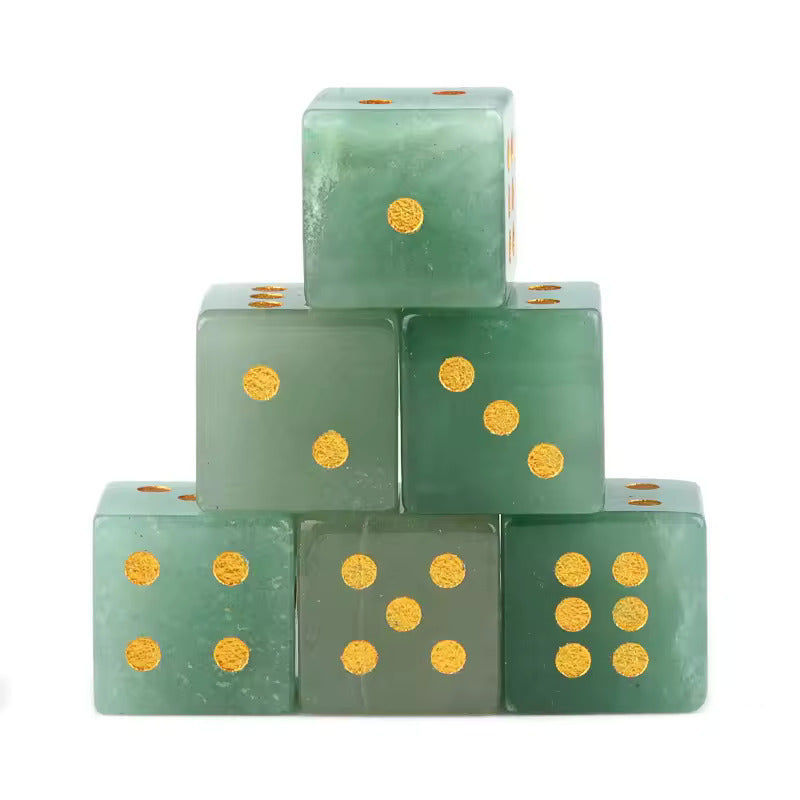
A mahjong rack holds your tiles upright so opponents can't see your hand; most Tampa players use racks with pushers (small sticks that nudge tiles forward as you draw). A padded mat protects your table and gives you a non-slip surface for tiles; it also signals your game space if you play in shared rooms. Beginners often skip the mat initially, but once you're serious, it prevents spills and keeps score and the discard pile tidy. A fabric travel bag keeps your set safe if you move between homes or host games. Dice are usually provided by the host, but having your own spare pair is handy.
🎁 See our most-loved mahjong sets & accessories →

The Real Skills Beginners Struggle With (and How to Practice)
Reading the hand card: The National Mah Jongg League card lists hundreds of winning hands by pattern. Beginners panic scanning it. The card groups hands by type (like "one pung," "two consecutive pungs," "quints," "like numbers"). Practice finding three hands per session—not memorizing, just spotting quickly. Your instructor will teach you the card layout in week one; use that structure, not random flipping.
The Charleston: Passing tiles left, then center, then right, then left again (with optional cracks and passes) baffles newcomers because the direction changes mid-ritual. Watch it three times before you do it. Write "L–C–R–L" on a sticky note and stick it to the table. By game five, your hands will know it.
Calling and discarding: When you discard a tile (place it in the center), announce it so others can claim it. If someone calls "pung" (three of that tile), they take it and expose the set; if no one calls, it belongs to the next player. Beginners often discard too slowly (slowing the game) or forget to announce. Watch, listen, and announce loud and clear.
Managing your hand: Keep your rack organized by suit and number. Don't leave gaps. Tile placement matters—it reduces errors and lets you see patterns faster. Ask your instructor how they organize theirs and copy it.
What to Check Before You Sign Up
Confirm American mahjong rules. Some Tampa groups play Hong Kong or Chinese variants (different tiles, different hands). Ask the instructor point-blank: "Is this American mahjong using the National Mah Jongg League card?" If they hesitate, ask to see the card.
Check the group size. Four players is the standard. Beginner-only sections should have six to eight so no one feels rushed.
Verify the schedule doesn't skip weeks. Some Tampa community programs go dark in summer or around holidays. Ask for the full calendar before you commit.
Ask if there's a beginner phase. Do advanced players sit separately, or will you play mixed tables? Mixed is fine if the group mixes skill levels intentionally and everyone is patient. If it feels like sinking or swimming, that's not beginner-friendly.
Find out what happens if you miss a week. Can you drop in anytime or is it a cohort? Do you fall behind or can you catch up?
Learn about tile provision. If you need to buy your own, check the best-selling mahjong sets to see what works for beginners (look for durable acrylic and clear markings).
✨ Find your Mahstead set — free US shipping →
Getting Serious: From Beginner to Regular Player
After your first class or two, you'll know if mahjong hooks you. If it does, invest in your own best-selling mahjong set so you can practice at home and host games yourself. Join a recurring weekly or monthly group—consistency builds skill faster than sporadic play. Read the current year's National Mah Jongg League card at home; mark the hands you see in games. Many Tampa players carry a pocket card to the table for quick reference. Watch how advanced players hold tiles, read the board, and manage risk. Ask questions—serious mahjong players love explaining strategy.
Consider a mahjong mat and rack with pushers once you host games; they make setup faster and your table feel official. Beginners sometimes worry about slowing the game; a mat and clear tile layout speed you up. Within three to six months of weekly play, you'll recognize hands instantly, shuffle faster, and understand scoring. At that point, you're no longer a beginner—you're a player.

FAQ
Do I need to know anything before my first class?
No. Instructors teach from zero. Bring curiosity and patience; the Charleston and hand patterns take time. Most people feel comfortable by week three.
Can I practice mahjong alone?
Not really—mahjong needs four players and real strategy. However, you can memorize tiles, practice shuffling, read the hand card, and watch tutorial videos between classes to build confidence.
Is American mahjong harder than Chinese mahjong?
Different, not harder. American mahjong is more rigid (hands come only from the annual card); Chinese allows more hand variations. If your Tampa group plays American, learn American first—it's easier for beginners because there are fewer possibilities.
What if I can't find a class nearby?
Ask your local library or community center to start one. Many beginners' groups began because one person asked a staff member. You could also join online classes (less social, but teaches the rules) and then play locally once you understand basics.
How much does a beginner mahjong set cost?
Prices vary by material and design. See current pricing on our product pages. Acrylic sets (most durable for beginners) are widely available; ask your instructor for a recommendation or browse starter options designed for new players.
Should I buy an expensive set or a cheap one?
Start with a mid-range acrylic set with clear tile markings. Cheap sets have worn markings and tiles that stick; expensive sets are worth it if you play every week for years. Most beginners upgrade after six months once they know they're committed.
Do I need a mat and rack right away?
No. Borrow them or play without initially. Once you host games or play weekly, they speed up play and protect your table. They're not essential but helpful.
Can I play mahjong online to learn?
Online games teach rules but not the real shuffle, draw, and discard rhythm. Use online tutorials for concepts; learn rhythm in person with a group. --- Ready to join Tampa's mahjong community? Start by visiting your nearest library or community center, ask about beginner classes, and reach out to local groups on social media. Once you commit, invest in quality tiles you'll enjoy for years—it makes every game better.


View More
View More
View More
