
Mahjong Classes for Beginners in Raleigh: Where to Learn & What to Know
Last updated: Nov 23, 2026
Beginner mahjong classes in Raleigh are offered through community centers, public libraries, synagogue social programs, and private instructors—check your local Raleigh Parks & Recreation website, library event calendars, and meetup boards like Meetup.com or Facebook community groups for current schedules. Most beginner classes run 6–8 weeks and cost between standard community-education rates; classes teach American mahjong, the most common variant in the U.S., which uses a 152-tile set (Bams, Craks, Dots, winds, dragons, flowers, jokers) and hands drawn from the current National Mah Jongg League card. Before enrolling, ask whether the instructor provides tiles or if you bring your own—many beginners start with a best-selling acrylic mahjong set to keep after class ends. Avoid joining online-only classes if you've never played in person; the tactile rhythm of shuffling, passing, and building the wall is irreplaceable.
Where Do Raleigh Beginners Actually Learn Mahjong?
Your best local resources are public libraries, community recreation departments, senior centers, and Jewish community centers (though you don't need to be a member to ask about classes). Start by calling Raleigh Parks & Recreation, searching "[Your neighborhood] library mahjong" or "Raleigh community center mahjong" on the town's official site, or checking bulletin boards at local synagogues. Some instructors teach from home studios or coffee shops—search "mahjong lessons near me" on Google Maps or post on Raleigh-area Facebook groups and Meetup asking for recommendations. The Raleigh Mahjong Club or regular game groups often host workshops; finding an existing player community is often faster than registering for formal classes. Ask directly: do classes include a National Mah Jongg League card, are tiles provided, and what's the commitment timeline?
🀄 Shop best-selling mahjong sets →

How Is American Mahjong Different from What You See Online?
American mahjong is played with a 152-tile set divided into Bams, Craks, and Dots (1–9 of each), winds (North, East, West, South), dragons (Red, Green, White), flowers, and jokers. Unlike Chinese or Riichi variants, American mahjong does not allow sequences (chows); you build hands using only identical pungs (3 tiles), kongs (4 tiles), or longer runs of the same number. All hands come from the current year's National Mah Jongg League card—no improvising. The game also requires the Charleston, a pre-game ritual of passing tiles side-to-side. If your instructor teaches a different variant, ask which—the tiles and rules diverge significantly. Understanding how jokers work is crucial; jokers substitute for missing tiles in exposed melds but cannot be used in a pair or alone. American mahjong is stricter, more predictable, and easier to learn than freestyle Asian variants because every legal hand is printed and available to study.
What Do You Actually Need Before Your First Class?
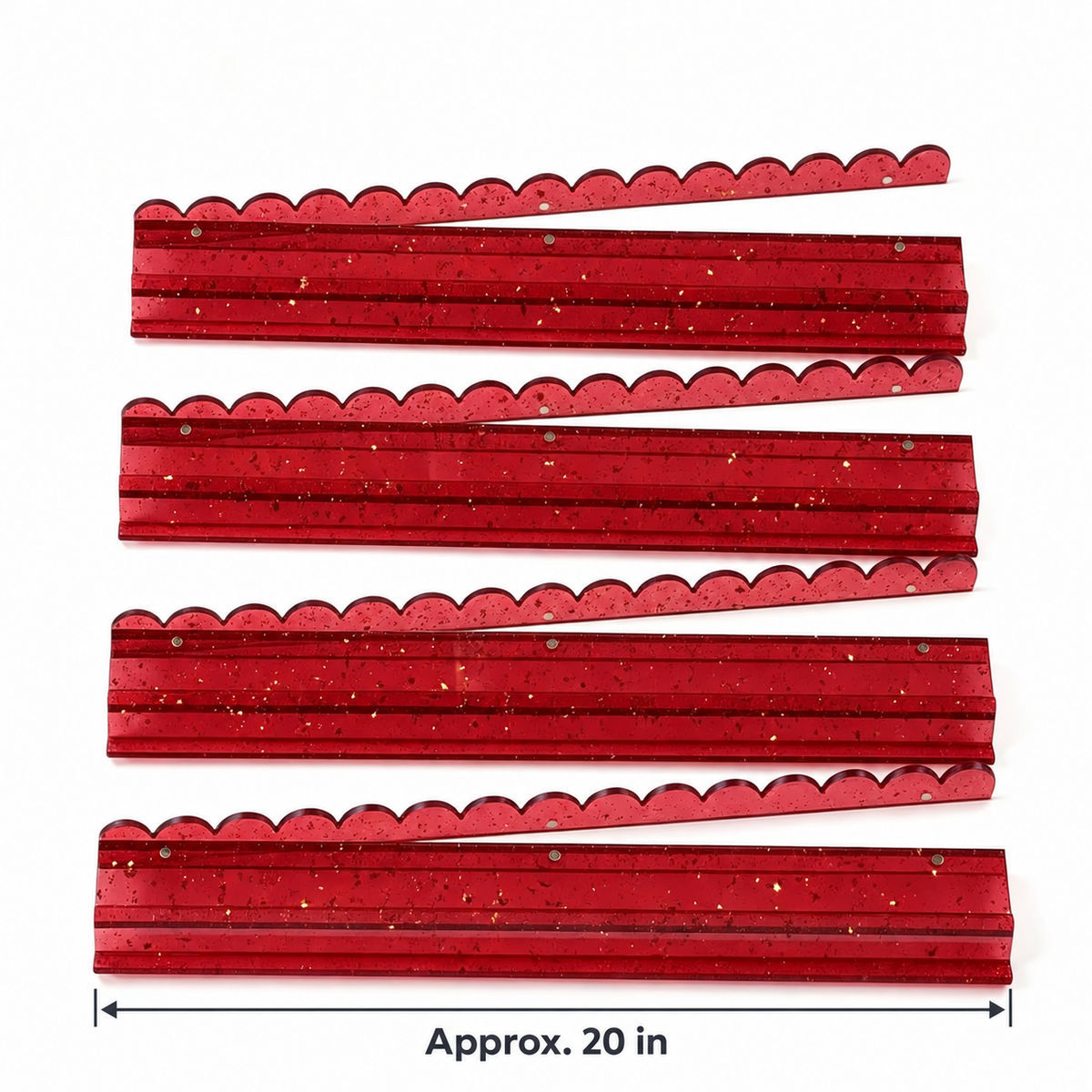
Most classes provide shared tiles and cards for the first lesson or two. After that, bringing your own set becomes essential—you'll study the card at home, practice tile recognition, and join local games faster. You'll want a 160-tile acrylic set (152 playing tiles plus spares), a mat to protect the table and muffle noise, and the current National Mah Jongg League card (available free online from the NMJL or printed by instructors). A rack with pushers keeps tiles organized and upright during play—especially useful when learning hand positioning. Once you're playing weekly, a cloth bag or case makes transport easy. Start with the essentials; many Raleigh players collect favorite sets over time, adding engraved or specialty designs as they grow into the game.
What You Need | Why | Get Started? |
160-tile acrylic set | Durable, lightweight, tiles last years | Buy one or ask class instructor |
Current NMJL card | All hands come from this card—mandatory | Free online or printed by class |
Mahjong mat | Quiets shuffling, protects table | Optional first month; buy later |
Racks with pushers | Organizes hand, improves posture | Optional; start without, add later |
Cloth bag or case | Travel protection after you're playing | Buy when playing weekly |

How Do You Find the Right Instructor for Your Learning Style?
Before signing up, talk to the instructor directly—ask how many students they accept, whether they teach fast or slow, and what background they assume (zero knowledge, or some familiarity?). Good instructors walk through the Charleston step-by-step, explain the tile names and suit symbols, and run practice rounds before score-counting. Ask whether they teach hand-reading strategy (spotting patterns on the card) and when they introduce scoring. Some instructors focus on socializing and casual play; others emphasize competition. Watch one free session if offered. Read recent reviews on community boards or ask Raleigh mahjong players directly which teachers they recommend. Avoid instructors who move too fast, assume prior knowledge, or don't allow questions—mahjong has steep learning curve, and patience matters.
After Class Ends, How Do You Keep Playing and Build Your Own Set?
The point of taking a class is joining a community. By week 4 or 5, ask classmates for their phone numbers or social media—most beginners form ongoing games at someone's home. Check Meetup.com for "Raleigh mahjong" or "Raleigh game night" groups; many include standing weekly game schedules. Libraries and community centers often list ongoing open-play sessions. Once you're playing weekly, invest in your own set—the most popular collections appeal to different tastes and gift-give well if friends join you. Personalized or title-engraved sets mark your entry into the player community and make tiles easier to spot at the table. Many Raleigh players host rotating game nights; owning a quality set means you can host, too.
🎁 See our most-loved mahjong sets & accessories →
What Should You Check Before Committing to a Class?
Before you pay and schedule, confirm the instructor meets these basics: they teach American (not Chinese or other variants) mahjong, use the current year's National Mah Jongg League card, explain tile names and the Charleston before game 1, allow questions and re-do rounds, and can answer why hands work (not just "memorize the card"). Ask whether the class includes 4 players only or if it's drop-in (affects table space and attention). Find out if tiles stay at the venue or go home with you after—if you buy a set early, can you use it in class? Confirm the total weeks, how many you can miss, and whether there's a makeup option. Good instructors publish a syllabus or outline; red flags include "you'll just pick it up," "read this book," or "attend every session or drop out." You're investing time and money—your questions are fair.
✨ Find your Mahstead set — free US shipping →

FAQ
Do I need to own a mahjong set before my first class?
No. Most instructors provide shared sets for the first 2–4 classes. After that, owning your own accelerates learning because you can practice at home and study tile recognition. Ask your instructor's preference before day one.
Is American mahjong harder than Chinese mahjong?
Different, not harder. American mahjong uses only identical melds (no sequences) and all hands come from one card per year—stricter rules, but more predictable. Chinese mahjong is more flexible but has more regional variants. Pick the one your local instructors teach.
How long does it take to go from beginner to regular player?
Most people score a legal hand (with help) by week 3–4 and play independently by week 8. Playing regular weekly games accelerates this by 2–3 months. Scoring strategy and speed come later over months of practice.
Should I buy an expensive set or a basic one as a beginner?
A mid-range acrylic set works perfectly for beginners. Invest in durability and clear tile markings, not aesthetics yet. Many players keep their first set for years; once you're hooked, you'll collect sets you love.
Can I learn mahjong online before taking a local class?
Video tutorials help you understand tile names and hand patterns, but in-person classes teach the tactile skills (shuffling, wall-building, reading tiles quickly) that you can't replicate alone. Combine them: watch a 15-minute intro video, then take a live class.
What should I bring to my first class?
A notebook, pen, the current National Mah Jongg League card (printed or digital), and an open mind. Many instructors provide cards. A tile set is optional until week 3. Wear comfortable clothes—games last 2–3 hours and involve repetitive hand movement.


View More
View More
View More
