
Mahjong Classes for Beginners in Orlando: How to Start Playing
Last updated: Nov 23, 2026
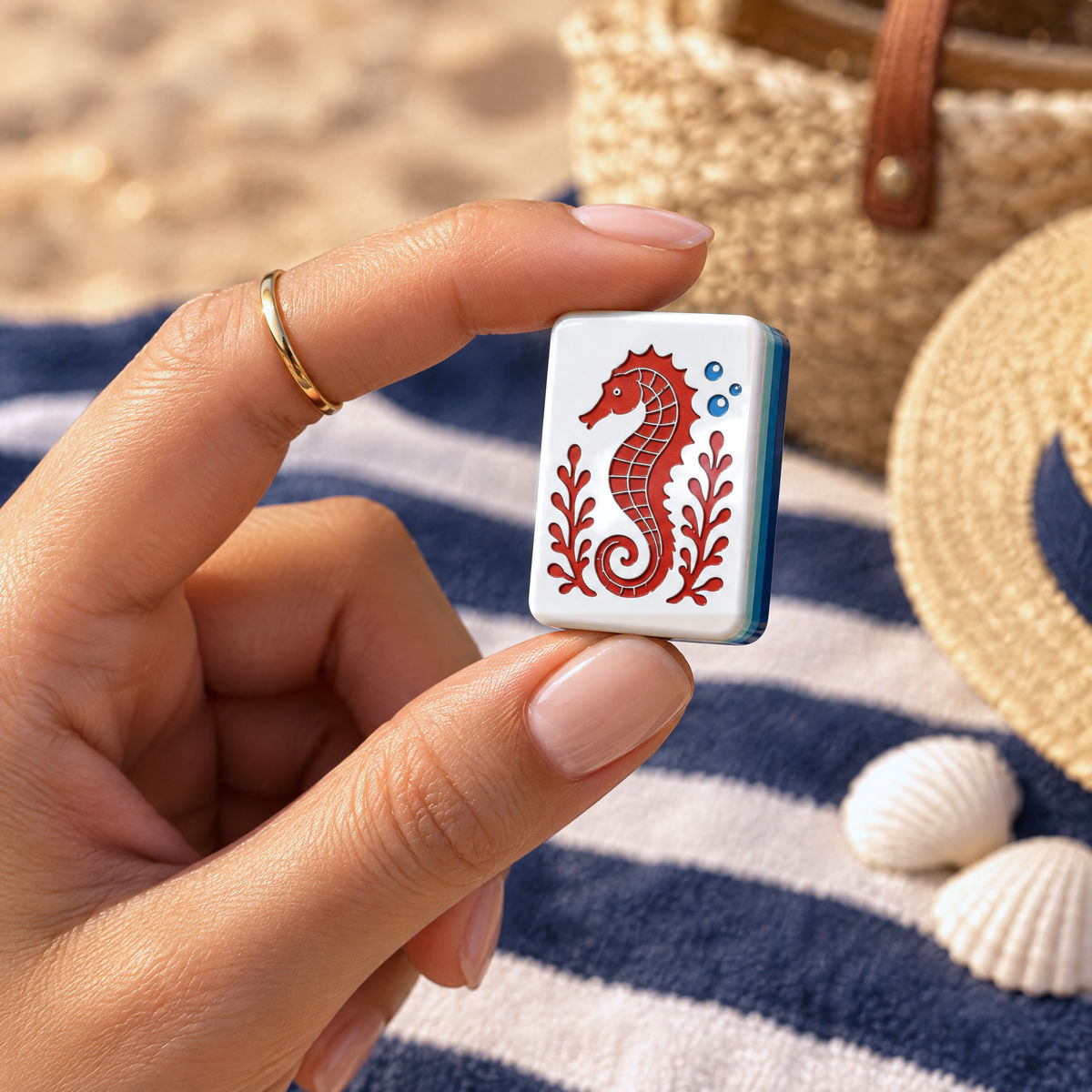
Orlando beginner mahjong classes are typically offered at community centers, libraries, synagogues, and private clubs—search your local recreation department or library website for schedules and registration. Most beginner courses run 4–8 weeks, meeting once or twice per week for 2–3 hours; expect to learn hand-reading, tile recognition, the Charleston (the tile-passing ritual), and how to identify winning combinations using the current National Mah Jongg League card. Classes cost anywhere from free drop-ins to modest per-session or seasonal fees—call ahead to confirm. You'll need an American mahjong set (152 playing tiles plus spares), a best-selling set from Mahstead gives you everything required with clear tile markings. Avoid joining a group without confirming they teach American mahjong (not Chinese or Riichi variants), and always ask whether you should bring your own set or if one is provided.
Where do Orlando players actually find beginner classes?
Start with your county library system and community recreation department—most post class schedules online or by phone. Synagogues, Jewish community centers, and country clubs often host weekly games and accept beginners; search your city's meetup boards and Facebook community groups for "mahjong Orlando" or "mahjong Central Florida." Many groups meet informally at someone's home; showing up to one public session (ask the coordinator to recommend one) is the fastest way in. Some independent teachers advertise through local bulletin boards, golf clubs, and retirement communities. Call or email ahead and confirm the group plays American mahjong using the current year's National Mah Jongg League card—this matters because Chinese, Hong Kong, and Riichi mahjong follow completely different rules and tile sets.

What happens in your first class—a step-by-step picture?
Most beginner sessions start with a 15–20 minute overview: the instructor shows the 160-tile American set, names the three suits (Bams, Craks, Dots), points out the winds, dragons, flowers, and jokers, and explains why jokers are the wildcards. Next, you'll study the current year's card—a printed reference sheet with hundreds of hand patterns you can win with; instructors typically walk through 3–5 patterns so you see how hands are built. You'll play a practice hand or two; this is where the Charleston happens (a three-round tile-pass before play begins). Then a real game starts. Don't expect to win—the card is dense and takes weeks to read fluidly. Bring a best-selling set if you own one, or share a class set. Wear glasses or bring your phone camera; tile details matter.
What's the difference between American mahjong and what I've heard about?
American mahjong is unique: you play from the current year's card (issued every spring), which contains all legal winning hands for that season. You cannot make up combinations or play hands from last year's card. Pungs and kongs (three and four identical tiles) can be exposed on the table; chows (sequences like 1-2-3) cannot—this is a huge difference from Chinese mahjong. Jokers can substitute for any tile in an exposed set but never stand alone or as part of a pair. The game always uses exactly 152 tiles (eight jokers included in play), and play is fast once you're fluent with the card. Chinese mahjong uses sequences heavily, allows concealed play, and has no official card. Hong Kong mahjong uses a different scoring system and hand logic. Riichi mahjong is Japanese, with its own tile count and winning rules. Make sure your class teaches American before committing—ask "Do you use the National Mah Jongg League card?" If yes, you're in the right place.
What should you bring, and what does a beginner really need?
You need a set, a mat, a card, and reading glasses (trust us—tile faces are small). A good American mahjong set has clear, durable acrylic tiles and comes with a rack for your hand; many Orlando players also use a mahjong mat to mark seating, organize the wall, and protect surfaces. The current year's card is essential—instructors usually provide one, but printing or laminating your own saves headaches. Some players bring racks with pushers to keep tiles organized while reading the card. Here's a beginner checklist:
A mat (optional but helps first-timers organize the wall)
Reading glasses (non-negotiable)
Current year's National Mah Jongg League card (laminated if possible)
Pen for scoring
Willingness to ask questions—everyone in class was a beginner once
If you buy a set before class, an engraved or personalized design from our collections makes it feel special and easier to spot during shared-tile moments.

Common beginner mistakes and how to avoid them
Mistake 1: Assuming you remember hands from last season. The card changes every year. Hands valid in 2025 may not exist in 2026. Always use the current card.
Mistake 2: Trying to call or expose a chow (sequence). In American mahjong, only pungs (3 identical), kongs (4 identical), quints (5), and sextets (6) can be exposed. A sequence like 2 Dots–3 Dots–4 Dots is never a legal exposed set. Many newcomers from card games accidentally try this; the instructor will stop you, but practice reading the card so you see the difference fast.
Mistake 3: Playing with jokers incorrectly. A joker can be any tile in an exposed set, but it cannot be a single tile on its own and cannot be part of your pair (the two-tile combination that seals a winning hand). Misusing jokers is one of the fastest ways to mis-call a hand.
Mistake 4: Joining a group that plays Chinese mahjong and expecting to apply class lessons. Ask every group: American or Chinese? The games are not interchangeable.
Mistake 5: Not bringing the card to your first class. Instructors provide them, but having your own means you can study at home and highlight patterns that click for you.
Mistake 6: Waiting too long to ask for help. If you don't understand a pattern or a rule, raise your hand. Silence causes confusion later.
Class Format & Timeline Comparison
Format | Duration | Best For | Typical Pace |
Community center group | 4–8 weeks, 1–2×/week | Structured learning, new friends | Slow to moderate; 6–8 hands per session |
Library drop-in | 2–3 hours, weekly | Flexible scheduling, try-before-commit | Variable; depends on group level |
Private teacher | 1–2 sessions/week, self-paced | Fastest learning, one-on-one | Fast; personalized to your pace |
Home game group | Ongoing, usually weekly | Social play, long-term players | Moderate to fast; less hand-holding |
🀄 Shop best-selling mahjong sets →
What should you check before signing up for a class?
Before you commit, ask these questions:
Is this American mahjong? (Confirm they use the National Mah Jongg League card.)
What's the student level mix? (All beginners, or a mix? Both work, but very advanced groups may move fast.)
Do I bring my own set or is one provided? (If you need to buy, a quality best-selling set is a good investment.)
What's the cost and commitment? (Drop-in, per-class, or season fee? Can you attend inconsistently?)
Where and when? (Is the location close enough that you'll actually go?)
Are there any orientation materials or video tutorials I can watch first? (Some groups provide prep; our beginner guide can also help.)
What's the teaching style—lecture, hands-on play, or a mix? (Hands-on is faster for tile recognition.)
How do you prepare between classes?
Study the card for 10 minutes every few days. Pick one hand pattern and trace it with your finger until you can spot it instantly. Watch your tiles during games—learn which tiles are hardest for you to read and practice naming them aloud (e.g., "three Dots," "East wind," "Red dragon"). If you have racks with pushers, practice organizing your tiles quickly so you're not the person holding up the game. Listen carefully when someone calls a hand or declares "no mahjong"—this teaches you what went wrong and speeds up your reading. After three weeks, you should recognize most tiles instantly and spot 30–40% of the card patterns; after six weeks, maybe 70%. Don't rush. The joy is in the steady progress.
🎁 See our most-loved mahjong sets & accessories →
Why invest in your own set after a trial class?
Shared class sets wear out and tiles sometimes stick or chip. A personal set means you own familiar tiles, can practice at home between sessions, and always know where your pieces are. An engraved or themed mahjong set from Mahstead also makes you feel like a real player—not just someone trying the game out. Once you're past week two or three of a class, owning your own set accelerates learning because you practice tile recognition during downtime. Buying a set also signals to yourself (and your group) that you're serious. Look for a set with large, clear markings and a sturdy carrying case so you're not fumbling or damaging pieces on the way to game night.
✨ Find your Mahstead set — free US shipping →

FAQ
Are there online mahjong classes I can take before joining an Orlando group?
Yes. Many independent instructors and community colleges offer live or pre-recorded American mahjong classes. Taking one online before your first in-person class removes jitters and lets you learn tile names and basic hand patterns at your own pace. This is optional but speeds up your first group session and makes you a faster learner in class. Search "American mahjong online class" and look for instructors who use the National Mah Jongg League card.
Can I start mahjong if I'm not naturally good at memory games or card games?
Absolutely. Mahjong is more about pattern recognition and systematic learning than memory. After a few sessions, your brain picks up the tile faces and card patterns automatically—you don't have to memorize anything. Many players who struggle with chess or poker excel at mahjong because it's more social and less cutthroat. Start with a beginner class where everyone is learning at the same pace; you'll be surprised how fast your eye catches patterns.
What if I buy a mahjong set but don't end up joining a class?
You'll have a beautiful, high-quality game you can play anytime. Mahjong sets double as décor, are portable for travel with a good bag or case, and hold their appeal for years. Many people buy one "just to try" and end up hosting home games. It's not a waste—it's an investment in a hobby that connects you to people and cultures across the world.
How much does a beginner mahjong set cost?
American mahjong sets vary widely based on materials and design. For current pricing, see the product page for the style you prefer. A quality set with clear tiles, a carrying case, and racks is affordable and lasts decades. Engraved or personalized sets are also available if you want something unique.
Should I buy a set online from Mahstead before I try a class, or wait until I'm sure I like the game?
Either approach works. If you're hesitant, ask your class if you can borrow or share for the first 2–3 weeks. Once you know you love it, a personal best-selling set arrives with free US shipping and gives you a keepsake to enjoy at home and bring to games confidently. Buying early also gives you practice time between sessions, which cuts your learning curve in half.
What's the biggest mistake beginners make in Orlando classes I should watch out for?
Not asking questions. Mahjong has specific rules that differ radically from other games, and one wrong assumption early on (like trying to use a sequence as an exposed set, or playing with last year's card) creates confusion. Raise your hand, ask the instructor to slow down, and don't be shy. Beginner-friendly groups expect questions and answer them happily. The second mistake is expecting to win in week one. You won't. Your first win comes in week 3–6, and that's normal and wonderful.


View More
View More
View More
