
Mahjong Classes for Beginners in Chattanooga
Last updated: Nov 23, 2026
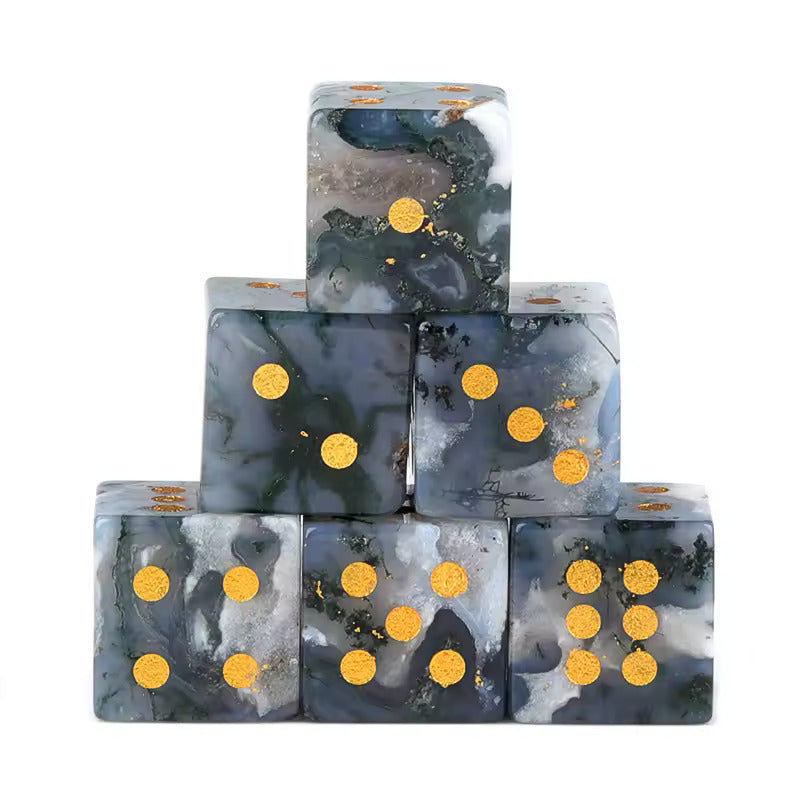
Chattanooga beginners can find mahjong instruction through community centers (check parks and recreation departments first), public libraries offering game programs, synagogues and country clubs hosting weekly players, and online platforms like Meetup for local groups. Most in-person classes run 6–10 weeks and cover tile recognition, hand reading from the National Mah Jongg League card, the Charleston passing ritual, and basic strategy. Look for American mahjong groups, which follow a standardized ruleset and use a new card each spring. Cost varies widely depending on venue and instructor. Before joining a class, confirm the rule variant (American is most common in the South), whether they provide tiles or you bring your own, and the group's experience level. We recommend bringing or buying a quality set early so you practice with real tile feel and weight—that tactile familiarity speeds learning faster than tutorials alone can.
Where Do Chattanooga Beginners Find Classes?
Start with Chattanooga Parks and Recreation—they often list seasonal game classes online. Public libraries (especially the main branch and satellite locations) frequently host mahjong circles or can connect you with organizers. Synagogues, Jewish community centers, and country clubs in the greater Chattanooga area regularly welcome new players to standing game nights. Ask at local community centers about seniors' programs; many include mahjong. Search Meetup.com for "Chattanooga mahjong" or "Tennessee mahjong" to find active groups listing meeting times and locations. Message board forums tied to larger regional mahjong organizations sometimes list Chattanooga contacts. Once you find a group, text or call ahead—most welcome observers to watch a hand or two before committing.
🀄 Shop best-selling mahjong sets →

What Should a Beginner Class Actually Cover?
Effective classes teach tile anatomy first: learning the three suits (Bams, Craks, Dots numbered 1–9), Winds, Dragons, Flowers, and how to spot jokers. Next comes the National Mah Jongg League card—not memorizing every hand, but understanding how to read sections, recognize patterns (like all pairs, consecutive pungs, or quints), and know that American mahjong hands contain NO sequences or chows. Then the Charleston: that pre-game passing ritual where each player passes tiles three times in different directions. Basic strategy follows—tile discarding logic, when to call a pung or kong, why you never use a joker in a single tile or pair. A solid class also covers American mahjong scoring (why some hands are worth more) and teaches you to check if a winning hand actually matches the current year's card. The best instructors host practice games after teaching, so you apply rules immediately rather than memorize in a vacuum.
American vs. Other Mahjong Variants—Why It Matters
American mahjong differs sharply from Chinese, Hong Kong, and Riichi variants. American uses 152 standard tiles plus 8 jokers and requires the current year's card—you cannot invent hands. You build melds only from identical tiles (three 5 Dots = a pung, four 5 Dots = a kong). Unlike Chinese and Hong Kong games, American has NO chows (sequences like 1-2-3); instead, you expose pungs, kongs, quints, and sextets. Hong Kong and Chinese variants allow discarding and calling based on flexible hand-building, whereas American is rigid: your hand must exactly match a printed card pattern. Riichi (Japanese mahjong) uses a different tile set and point system entirely. Chattanooga groups usually teach American, but confirm before registering. If you learn American rules and later play with a group using Chinese variants, the tile names and winning logic differ completely—ask an instructor or group organizer upfront to avoid confusion and frustration during your first session.
What Equipment Do You Need to Bring or Buy?
Many Chattanooga classes provide tiles, but bringing your own from day one accelerates learning. Holding, shuffling, and arranging real acrylic or bone tiles builds muscle memory that translates to faster recognition and confidence at the table. A best-selling mahjong set comes with 160 tiles (152 for play, plus spares), eight jokers, and often a mat, bag, and dice. If your class meets at a location with a built-in mahjong table, you'll use the house tiles; in that case, buying a personal set for practice at home is optional but valuable. You'll also want a notebook to jot down which hands win, a pen, and the current year's National Mah Jongg League card (available from the league or often provided by instructors). Some players bring racks with pushers to keep their tiles organized and visible; others prefer drawing directly from the wall. Ask your instructor or group what's standard in their games and start simple—don't buy racks, a fancy bag, or a premium mat until you've attended several sessions and know what you actually need.
🎁 See our most-loved mahjong sets & accessories →

Common Beginner Mistakes to Avoid in Your First Class
Most beginners confuse tile identification—mixing up similar-looking Craks and Bams or forgetting that the 1 Bam shows a bird, not the number 1. Write tile names on a small cheat sheet and keep it in your pocket. Another error is breaking the Charleston rule; passing happens in a strict sequence (left, right, across) three times, and you cannot "undo" a pass after it leaves your hand. Ask before your first class precisely when the Charleston occurs so you don't make accidental passes. Many new players incorrectly assume sequences (like three consecutive Dots: 1-2-3) count as valid melds in American mahjong—they do not. Only identical tiles form valid melds. Jokers are another trap: you cannot use a joker in a single tile or in the pair of your hand; jokers substitute only for missing tiles in melds of three or more. Finally, beginners often forget to check the current year's card before declaring a win. A hand that was valid last year may not match this year's card, and you'll lose points for an invalid call. Slow down, ask questions, and confirm your winning hand with the card before announcing it.
Common Beginner Mistakes | Why It Matters | How to Avoid It |
Confusing tile suits (Crak vs. Bam) | You'll misread your hand and call wrong melds | Keep a labeled tile photo on your phone |
Passing incorrectly during Charleston | Game stalls; other players reset the ritual | Write down: left, right, across × 3 passes |
Assuming sequences (1-2-3) are valid | American mahjong has NO sequences | Memorize: only identical tiles form melds |
Using jokers in a single tile or pair | Invalid hand; you lose points and credibility | Jokers work only in 3+ tile melds |
Calling a hand not on this year's card | Your win is invalid; embarrassing moment | Check the card before announcing |
How to Practice Between Classes
After your first session, spend 20 minutes daily shuffling tiles at home, learning suit names by sight, and practicing hand patterns from the card. Set out 14 tiles as if you'd just drawn and practice recognizing three visible melds plus a pair. Watch instructional videos from reputable mahjong educators (many exist free online) to reinforce hand-reading and tile logic. If you don't own tiles yet, print out a card reference and mark hands you see in videos. Replay specific hands from your class: ask the instructor for a hand pattern that stumped you, then work through it slowly at home. Once you're comfortable, attend open game nights before registering for the next class level—you'll learn faster playing real games than in a classroom. Join your Meetup group's chat or messaging board and ask experienced players questions without judgment. Many Chattanooga groups have a casual "play and learn" night specifically for newcomers, so take advantage of that low-pressure environment. The more you handle actual tiles, the faster tile and hand recognition becomes automatic, and strategy naturally follows.
✨ Find your Mahstead set — free US shipping →
What to Check Before You Buy a Practice Set
If you're ready to invest in your own tiles, buy from a source that offers acrylic sets in standard American size (152 playing tiles plus spares in one box). Verify the set includes the eight jokers and a mat or bag—both help transport and organize tiles for class. Check that tiles are clearly marked with suit symbols and numbers, not faded or printed on one side only; you'll manipulate tiles constantly, so readable marks matter. Some sets include dice, which you'll need for determining dealer and play order. For a beginner, choose a neutral design you enjoy looking at for dozens of hours; novelty themes are fun but wear thin quickly. Confirm the box includes a tile rack or at minimum four pushers so you can arrange and display your hand neatly during play. For Chattanooga's warm, humid climate, avoid sets with wood or bone tiles that warp; acrylic sets resist humidity and last years longer. Finally, ensure the vendor offers free US shipping and a reasonable return window in case you receive damaged tiles—quality matters because misaligned or cracked tiles confuse play and frustrate everyone at the table.

FAQ
Are there beginner-friendly mahjong groups in Chattanooga that meet weekly?
Yes, Chattanooga has standing game groups at libraries, community centers, and synagogues. Check Meetup.com, your local library's event calendar, and Parks and Recreation listings. Many welcome new players to observe one hand before joining; call ahead to confirm beginner hours and whether observation is allowed.
How long does it take to learn American mahjong basics?
Most people grasp tile names and hand patterns in 4–6 hours of instruction plus self-practice. True competence—reading the card quickly and making strategic discards—takes 10–20 games. Consistency comes after 50+ games playing weekly.
Should I buy my own mahjong set before my first class?
Not required if your class provides tiles. However, buying a set early accelerates learning because handling real tiles builds muscle memory and recognition speed. Practice shuffling and arranging tiles at home between sessions; it pays off in faster, more confident play.
What's the difference between American mahjong and what my grandmother played?
American mahjong is rigid: you must match a printed card, build only identical-tile melds (no sequences), and use the same 152-tile set. Chinese and Hong Kong mahjong allow flexible hand-building and sequences. Ask your instructor which variant Chattanooga groups play; American is most common in the South.
What if I lose during my first games—is that normal?
Completely normal. Most beginners lose their first 10–15 games while learning hand patterns, tile management, and strategy. Experienced players expect this and usually offer tips without condescension. Focus on following rules correctly rather than winning; winning follows naturally after you recognize hands quickly.
Can I play mahjong online to practice before my first class?
Online mahjong apps exist, but they vary in rule accuracy and tile appearance. They're useful for learning hand patterns but poor substitutes for real tiles and real opponents. If you use an app, verify it teaches American mahjong specifically and practice real-tile handling whenever possible before class.
Do I need to memorize the entire mahjong card?
No. You learn sections gradually—pairs first, then simple melds, then complex patterns. By your fifth game, card-reading becomes intuitive; you spot winning hands without deliberate study. Instructors always help early players check the card, so you don't need to memorize everything upfront.
Is mahjong expensive to learn in Chattanooga, or are classes free?
Class costs vary by venue. Community center programs may cost a small session fee or be free. Libraries often run free circles. Private instruction ranges higher. Once you decide to buy a set for home practice, you have options at different price points depending on design and materials. Ask your instructor or group organizer for their specific setup costs before committing.


View More
View More
View More
