
Wright-Patterson Mahjong Rules: American Style Explained
Last updated: Nov 23, 2026
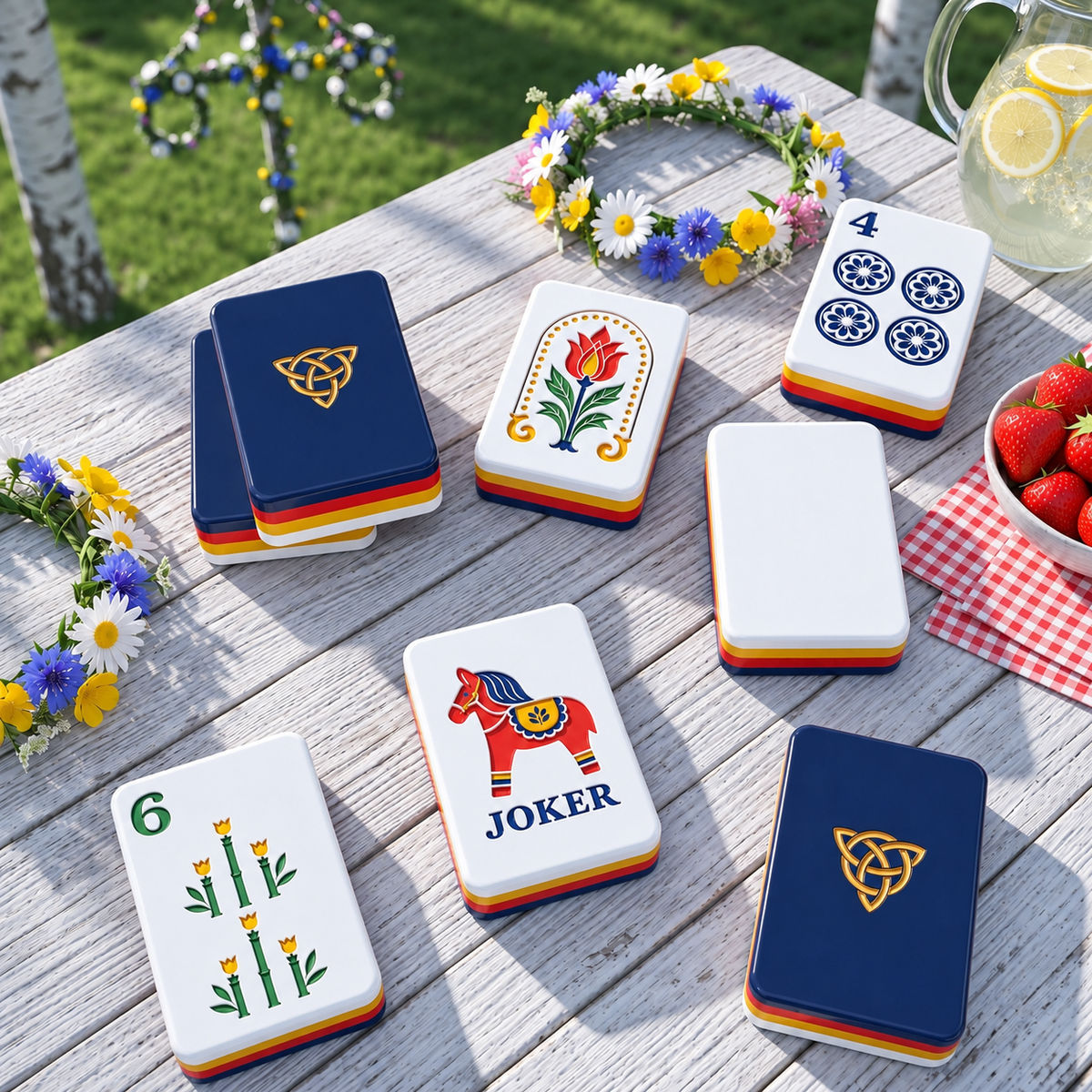
Wright-Patterson mahjong rules follow American mahjong standards: a 152-tile game played with four players, using Bams, Craks, and Dots (numbered 1–9), winds, dragons, flowers, and jokers. The game begins with the Charleston—a tile-passing ritual before play starts. Unlike Chinese variants, American mahjong has no calling sequences (chows); you expose only pungs (three identical tiles), kongs (four identical), and longer melds, plus jokers as wildcards. Hands come exclusively from the current-year National Mah Jongg League card issued each spring. A typical game lasts 1–2 hours with one winner per hand earning points based on complexity and tile count. Beginners need a best-selling mahjong set, a mat, racks, and the card to start. No special "Wright-Patterson variant" exists—the rules are standard American play, which military bases adopted because of its clear structure and competitive scoring.
Wright-Patterson Air Force Base has hosted mahjong players for decades, and many follow standard American rules. This guide covers the authentic 152-tile game so you can join or host a game with confidence.
What tiles are in a Wright-Patterson mahjong set?
A complete American mahjong set contains exactly 152 playing tiles: three suits (Bams, Craks, Dots) numbered 1–9 with four copies each (108 tiles), 16 winds (four each of North, East, West, South), 12 dragons (four Red, four Green, four White), plus 8 flowers and 8 jokers. The 1 Bam shows a bird. White dragons are sometimes called "Soap" and function as zeros in certain hands. A best-selling mahjong set ships with all 152 tiles plus spares for replacements. You always play with exactly 152 tiles—no more, no less—so the game remains balanced and fair.

How does the Charleston work at the start?
Before the first hand, players pass tiles in a ritual called the Charleston. Each player receives 13 tiles drawn randomly. Then, in turn, each player passes three tiles right, then three tiles left, then three tiles across (to the player opposite). Finally, a fourth pass goes right again, with each player passing only one tile. This scrambles tiles randomly, prevents early strategic advantage, and creates the unpredictable opening every new hand needs. After the Charleston, each player draws one more tile to reach 14. Dealer draws to 14 as well. Then play begins: non-dealer players discard one tile each in turn; dealer declares Mahjong (the winning hand) or discards and play cycles. The Charleston is what makes American mahjong distinct from most other variants and is mandatory before round one.
🀄 Shop best-selling mahjong sets →
What melds can you expose?
In American mahjong, you may expose only pungs (three identical tiles), kongs (four identical tiles), quints (five identical tiles), and sextets (six identical tiles). A pung of 5 Dots means three tiles all showing 5 Dots—not three different numbers like 5-6-7 (that is a chow and is not allowed in American play). You call "Pung" or "Kong" when another player discards a tile you need; jokers can fill any position in these melds except as a single tile or a pair. Hidden hands—tiles you keep in your rack without exposing—count for higher points. Exposing melds lowers your score because the hand becomes easier to read and verify. Never expose a pair; jokers cannot substitute for the pair in any hand. The more tiles you keep hidden, the harder your hand is to complete but the more you earn if you win.
How do you read the National Mah Jongg League card?
The current-year NMJL card (issued each spring) lists every legal hand for that season. Each hand shows the tile combinations and patterns you must match exactly to win. The card is organized by year, number of exposed melds, and hand type (like "Like Numbers," "Consecutive Runs," or "Mixed"). When you think you have Mahjong, you announce it and show your rack; the card determines if your hand is valid. If your hand matches a card hand exactly, you win; if not, you lose that hand and pay penalties. Hands change yearly, so a winning hand from 2025 may not exist on the 2026 card. You must own the current year's card to play legally. Many players keep a printed card at the table or consult a digital version during play to verify hands before announcing.
✨ Find your Mahstead set — free US shipping →

What's the difference between American and Chinese mahjong rules?
Feature | American | Chinese (Cantonese) |
Tile count | 152 tiles + jokers | 136–144 tiles, no jokers |
Melds allowed | Pungs, kongs, quints, sextets only | Chows (1-2-3 sequences) + pungs + kongs |
Hand source | Current-year official card only | Any traditional hand, varies by region |
Joker use | Wildcard in melds; never in pair | No jokers at all |
Game length | 1–2 hours typical | 30 min–1 hour typical |
Scoring | Points per hand complexity on card | Scores calculated per region/variant |
Card required | Mandatory | Not used; play from memory |
American rules emphasize card-based legality and uniform scoring, making them ideal for military communities, clubs, and competitive play. Chinese variants prioritize speed and regional tradition. Wright-Patterson groups use American rules for their transparency and fair competition structure. Both are legitimate; choose based on your group's preference.
🎁 See our most-loved mahjong sets & accessories →
How do you win and score?
To win, you match one of the hands on the current-year NMJL card exactly and announce "Mahjong." You must have 14 tiles in hand (or draw the winning tile on your turn). Your hand includes melds you've exposed plus tiles hidden in your rack. The card lists point values based on complexity: hands with no exposures score highest, hands with one or more exposures score less. Each hand's points depend on the number and type of melds, tile rarity, and year. The winner collects points from each losing player. A game typically runs eight hands (one round for each player as dealer), and after all rounds, the player with the most points wins overall. Scoring varies slightly by region, but the card always determines the hand value; never negotiate points during play.
What do jokers do and when can you use them?
Jokers act as wildcards in American mahjong and can substitute for any tile within a pung, kong, quint, or sextet. For example, if you need a 7 Crak for a pung of 7 Craks, a joker can fill that spot. You may use as many jokers as the hand allows. However, jokers can never be used as a single tile, as a pair, or in any position outside of a complete meld. A hand may contain multiple jokers; if the card allows it, you can use all your jokers. The more jokers in your winning hand, the less you earn (because jokers make the hand easier). A "no-joker" hand (all real tiles) scores the highest points. Sets sold by Mahstead include eight jokers; always check you have them before play begins.
What mistakes should you avoid?
Common errors in Wright-Patterson games:
Playing with fewer than 152 tiles or adding extra tiles from spares (always use exactly 152).
Exposing a chow (sequence like 4-5-6 Bams) instead of a pung—this is illegal in American play.
Using jokers in a pair or single tile—not allowed.
Calling Mahjong without checking the card first—verify your hand matches before announcing.
Playing with last year's card—rules change annually; always use the current card issued in spring.
Forgetting the Charleston before round one—this ritual is mandatory and must happen before the first hand.
Exposing your hand before all players finish drawing—wait until all players have 14 tiles and dealer is ready.
What to check before you buy:
If you're hosting or joining a Wright-Patterson mahjong group, verify these items before your first game:
Set completeness: Count 152 tiles plus 8 jokers. Mahstead's 160-tile sets include spares and come fully counted.
Current-year card: Ensure your card is dated 2026 (or the current playing season). Cards older than one year are no longer legal.
Racks and pushers: Helps beginners organize tiles; experienced players often skip them.
Mat or table space: You need at least 3 feet by 3 feet clear surface. A mahjong mat keeps tiles from sliding and marks positions clearly.
Group rules: Ask if your group plays strict card rules or allows house variants. Most military bases play strict American.

FAQ
Is Wright-Patterson mahjong different from regular American mahjong?
No. Wright-Patterson uses standard American rules—152 tiles, no chows, card-based hands, and the Charleston. No special variant exists for military bases; the name simply refers to where the game is played. All American mahjong follows the same National Mah Jongg League standard.
Can you play mahjong with fewer than four players at Wright-Patterson?
Occasionally, yes. Many groups play 2-player or 3-player variants, which use modified tile draws and hand counts. However, standard four-player American mahjong is the default; ask your group which variant they prefer before joining.
How often does the mahjong card change?
The official NMJL card is issued every spring (around March–April) for the playing year. Hands are retired and new ones replace them annually. Always check your card's year before playing; older cards are not legal.
What happens if I announce Mahjong but my hand doesn't match the card?
You lose that hand and pay all players a penalty (usually the full hand value). This is why checking the card before announcing is critical. Take a moment to verify your hand matches exactly before calling.
Can I use a joker as a pair in a hand that shows a pair on the card?
No. Jokers can never be used as a pair under any circumstance in American mahjong. If a hand requires a pair, both tiles must be real tiles (e.g., two 1 Bams, never one 1 Bam and one joker).
Do I need to buy an engraved set, or is a plain set okay?
Plain sets work fine for casual play. Engraved or titled sets are purely personal preference and help players stay organized during longer games. Choose based on your budget and aesthetic preference; the rules are identical regardless.


View More
View More
View More
