
Mahjong Case Under 300: Compare Storage Options & Find Your Fit
Last updated: Nov 23, 2026
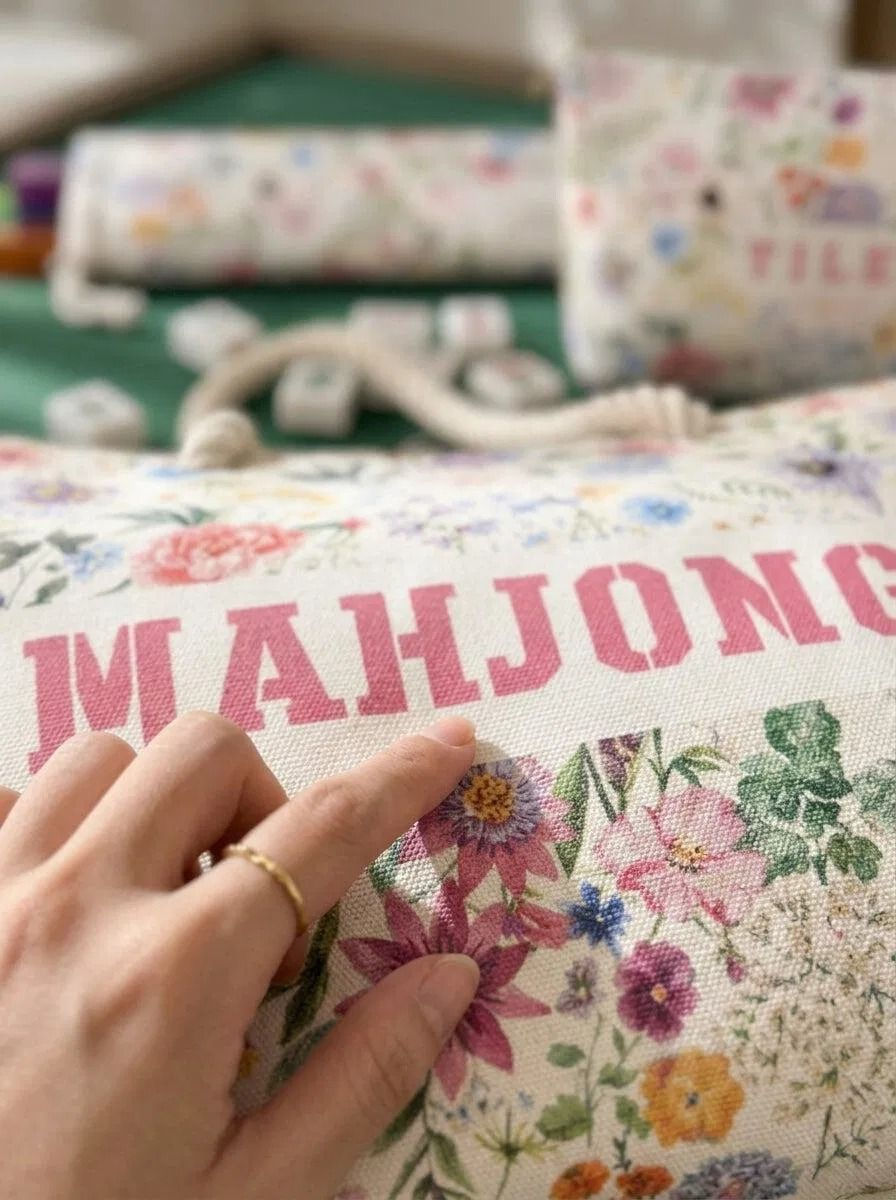
A mahjong case is a protective carrying container for your 160-tile acrylic set, keeping tiles safe from drops, humidity and wear between games. Most players pair a case with a best-selling mahjong set for portability. Cases range from simple nylon zippered bags (lighter, compact, ideal for weekly home games) to hard-shell or padded cases (heavier, more durable, best for frequent travel or outdoor play). A typical case holds a full 152-tile set plus racks, mat and dice. Budget-friendly options start around the entry-level price range; premium padded or hard cases cost more. Before buying, measure your set's footprint, check the case's interior dimensions, and confirm it fits your car or game table setup. Mahstead's curated travel bag collection pairs with our acrylic sets so you know tiles and container are compatible. 🀄 Shop best-selling mahjong sets →
What Size and Type of Case Do You Actually Need?
Most players overestimate case capacity. A standard 160-tile acrylic set with racks, mat rolled loose and dice occupies roughly 12 × 10 × 4 inches when packed efficiently. A soft nylon bag compresses; a hard case maintains its footprint. If you host weekly home games indoors, a zippered soft case is enough—you're moving from closet to table, not through airport security or car trunks. If you travel monthly, play outdoors, or share sets between players, a padded or hard case absorbs shock and lets you stack other items on top. Measure your tiles (most acrylic sets are similar width) and your storage space first. Then match the case type to your routine. Don't pay for military-grade protection if your tiles sit in a climate-controlled apartment.

Hard Case vs. Soft Bag: Which Protects Better?
Hard cases (plastic or molded shell) survive drops, car seat pressure and stacking. Soft bags (nylon, canvas, padded fabric) flex, weigh less and fold flat when empty. Hard cases cost more upfront but last decades if you travel frequently or play in public venues. Soft bags are cheaper, easier to store and sufficient for indoor home games where tiles rarely leave the table. The trade-off: a soft bag won't protect tiles if a child sits on your game bag; a hard case takes up closet space year-round. Choose hard if your set travels; choose soft if it stays put. A hybrid padded case with reinforced corners offers middle ground—decent protection without full rigidity.
Case Type | Best For | Durability | Storage | Typical Use Case |
Zippered soft nylon | Weekly home games | 2–3 years | Folds flat | Moving set from room to room |
Padded canvas or fabric | Monthly travel + home play | 4–5 years | Rolls or folds | Casual players who drive to games |
Hard-shell plastic or molded | Frequent travel, outdoor play | 7+ years | Stiff footprint | Serious players, tournament use |
Woven or cotton bag | Decoration + light use | 1–2 years | Compact | Gift or display, minimal handling |
🎁 See our most-loved mahjong sets & accessories →
Should You Buy a Case Separately or as a Set Bundle?
Many players ask whether bundled cases are worth it. A case matched to your exact set (same brand, dimensions verified) eliminates guesswork and arrives with compatible tiles. Buying separately risks misalignment: your new acrylic set might be 11.5 inches wide, but your "universal" case interior is 11 inches. Mahstead's mahjong bags and cases collection is designed to fit our 160-tile acrylic sets, so you know it works. If you already own a set and want to upgrade the case, buy separately—you'll save money. If you're starting fresh, a matched pairing saves time and returns. Check the product dimensions on each case page before adding to cart.

What Extras Should a Case Include?
The best cases hold more than tiles. Look for: interior pockets for dice and spare jokers; dividers to separate tiles from accessories; padded handles that don't cut into your hands after one flight of stairs; ventilation to prevent mildew in humid climates. Some players like compartments for score pads and pencils. Others want a wrist strap for quick trips. None of these are must-haves—they're quality-of-life upgrades. A basic zippered bag with one interior pocket works fine for 95% of home games. Reserve cases with multiple pockets for tournament players or those who travel with borrowed or loaned sets. Ask yourself: Will I carry this case more than twice a month? If yes, prioritize handles and cushioning. If no, a simple bag does the job.
How to Avoid Common Case Mistakes Before You Order
Check interior dimensions, not exterior. A case labeled "10 × 12" on the outside may have 9.5 × 11 usable space inside. Acrylic tiles are rigid—they won't squeeze. Measure your set or confirm its dimensions from the product page, then verify the case interior on its page.
Don't assume "universal" fits your set. Generic mahjong cases sold online may be sized for Chinese sets (often smaller) or have fixed dividers that don't suit American 160-tile layout. A bag built for one brand might leave gaps or force tiles too tight.
Test weight before committing to frequent travel. Pick up a hard case in a store if possible. If ordering online, read reviews mentioning carry comfort. A hard case that weighs 4–5 pounds adds weight to every game night.
Verify closure durability. Zippered bags fail after 200+ uses. If you play weekly, expect to replace a soft case every 2–3 years. Latches on hard cases last longer but can crack. Factor replacement cost into your budget.
Check ventilation if you live in humid climates. Plastic cases can trap moisture inside, leading to tile warping or mold. A case with air vents or mesh panels keeps tiles dry. If your area has high humidity, avoid fully sealed hard cases without drainage.
✨ Find your Mahstead set — free US shipping →
What's Included When You Order a Case From Mahstead?
When you purchase a travel bag from Mahstead, it arrives packed to protect during shipping—often in a larger outer box with padding. The case itself is assembled and ready to use. If you order it paired with an acrylic set, both are tested before shipment to verify fit. Mahstead ships free across the US, so transit time is the main variable. Check the product page for current shipping details. If you're ordering a case alone to fit a set you already own, confirm dimensions match your existing tiles before checkout. Once it arrives, test the fit with your tiles before your next game. A properly fitted case should hold your set snugly without forcing tiles or leaving dangerous gaps.

FAQ
Can I use a regular suitcase or storage bin instead of a mahjong case?
Yes, if tiles stay stationary (home storage). But acrylic tiles need protection from pressure and humidity. A suitcase won't cushion drops, and hard plastic bins trap moisture. A case designed for mahjong protects tiles during transport and between games.
How often do I need to replace a soft mahjong bag?
Home players replace soft bags every 2–4 years with weekly use. Travel players may need a new bag yearly if zippers or seams fail. Hard cases last 7+ years. Inspect zippers and fabric each season for wear.
Is a padded case better than a hard case for home play?
Padded cases are lighter, store easier, and protect adequately for indoor games. Hard cases are overkill unless you travel frequently or play in unpredictable environments. Match the case to your actual routine, not a hypothetical worst-case scenario.
Do I need a separate case if I already have a mahjong mat bag?
A mat bag holds a rolled mat and light accessories, not a full 160-tile set. You'll want a separate case for tiles to prevent accidental spills or compression. Some players use both: a mat bag for the mat and racks, a case for tiles and dice.
What's the difference between a mahjong case and a mahjong bag?
"Case" usually means hard-shell or padded rigid storage; "bag" typically refers to soft zippered or woven carriers. Both protect tiles, but cases resist external pressure better. Bags compress to fit tight spaces. The terms overlap in marketing—check product photos to see the actual design.
Can I fit my full set, mat, racks and dice in one case?
Some cases hold a 160-tile set plus rolled mat and racks loosely; dice fit in pockets. Check interior dimensions against your set and mat. A case designed for American mahjong (like those in Mahstead's collection) is built for this. Generic "mahjong cases" may not have room for all four racks plus a mat.
How do I know if a case will fit my set before I buy?
Measure your set's length, width and height with all racks stacked. Compare to the case's interior dimensions listed on the product page. Add 0.5 inches for padding. If the numbers align, the fit should work. Contact Mahstead directly if dimensions aren't listed. --- Your Next Step: Browse Mahstead's travel bag and case collection to compare styles, then pair your choice with a best-selling acrylic set. Both ship free across the US. Measure your space, confirm interior dimensions match your tiles, and order with confidence. Every case is tested before shipment to ensure your tiles arrive ready for your next game.


View More
View More
View More
