
Mahjong Bag Under 300: Compare Styles & Find Your Match
Last updated: Nov 23, 2026
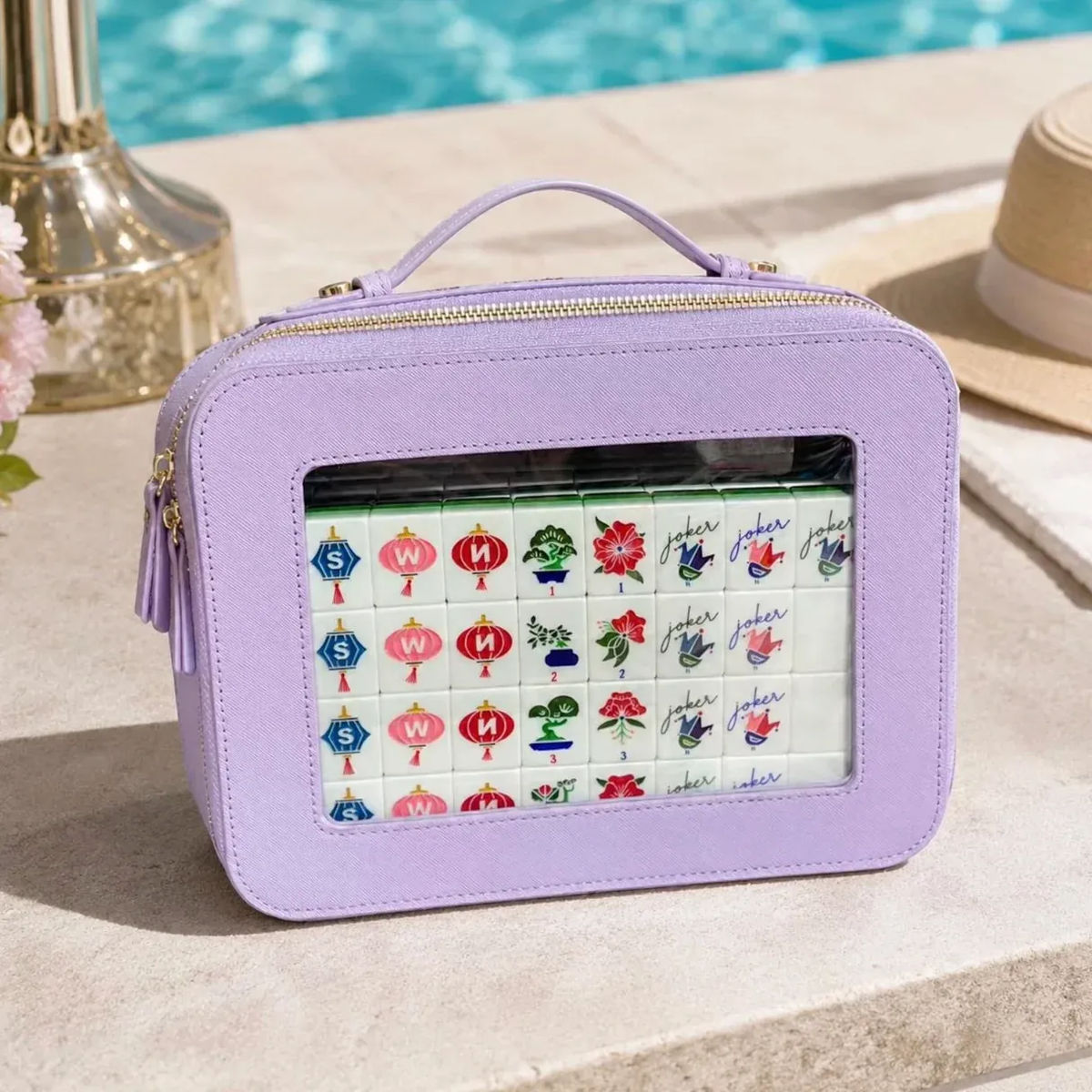
Mahjong bags under our mid-range threshold come in three main types: soft carryalls with handles (lightest, best for sets alone), hard-shell or padded cases (maximum protection, room for racks and mats), and rolling organizers (ideal if you host or travel frequently). All should fit a standard 160-tile set, racks with pushers, and ideally a mat. Look for interior pockets to separate tiles from dice, reinforced seams, and a comfortable carry handle or shoulder strap. Mahstead's travel bag collection includes options sized for complete setups—most with water-resistant exteriors and organized compartments. Key to choosing: measure your mat when folded, confirm tile compartment depth, and check whether you need room for dice and scoring chips. Avoid flimsy zippers and bags that force tiles flat, which stresses the acrylic edges. 🀄 Shop best-selling mahjong sets →
What size mahjong bag do you actually need?
Your bag choice depends on what you're carrying weekly. A set-only carryall works for someone driving to a friend's house; a full-size case makes sense if you host rotating games or need space for multiple sets. Measure your folded mat (typically 24" × 24" to 28" × 28" when rolled), your set box or tile stack height (roughly 4"–6" for a 160-tile acrylic set), and racks assembled or nested. If you're buying engraved American mahjong sets or a best-selling style with matching mats, ask whether the bag accommodates your preferred mat size. Many players end up with a medium bag—big enough for tiles, racks, and a mat, but light enough to carry one-handed.

Soft carryalls vs. hard cases—which protects better?
Soft bags prioritize portability and breathability; hard cases sacrifice weight for damage protection. A quality soft carryall uses ballistic nylon or canvas with padded interior walls, keeping tiles from sliding while staying compact. Hard cases (plastic shells or reinforced leather) guard against drops and moisture but weigh more and cost more. For weekly neighborhood games, soft works fine. If you're traveling by car across town, fly to tournaments, or own expensive hand-carved sets, hard shells justify the extra weight and investment. Many experienced players use soft bags for regular play and reserve hard cases for heirloom sets or travel. The padding thickness matters more than the exterior material—at least ½" foam or felt lining prevents tile cracking.
Bag Type | Best For | Key Features | Durability Notes |
Soft carryall | Weekly home games | Lightweight, compact, handles | Replace seams every 3–5 years |
Hard shell case | Tournament & travel | Lock, wheels optional, stacking-safe | Lasts 10+ years, stays rigid |
Padded organizer | Multiple sets or hosting | Multi-compartment, dividers | Heaviest, most storage |
Shoulder-strap tote | Casual carry, single set | One handle, sling option | Good for players who switch games |
🎁 See our most-loved mahjong sets & accessories →
Should you pack your mat inside the bag, or carry separately?
Most of us roll the mat and zip it into the outer pocket or side compartment—keeping it accessible and preventing creases that ruin playing surface. If your bag's mat pocket is too snug, the fabric can wrinkle or tear. A better move: fold your mat in thirds along its original creases, then roll loosely and secure with a velcro strap before placing in the bag. Never compress a mat under heavy tiles; gravity and pressure flatten it permanently. If your bag lacks a dedicated mat slot, a separate drawstring pouch keeps the mat flat and lets you unroll it first without unpacking everything. Pro tip—don't store your mat rolled for weeks; flat storage between games prevents permanent kinks and fading.
How do you organize tiles, racks, and dice to avoid damage in transit?
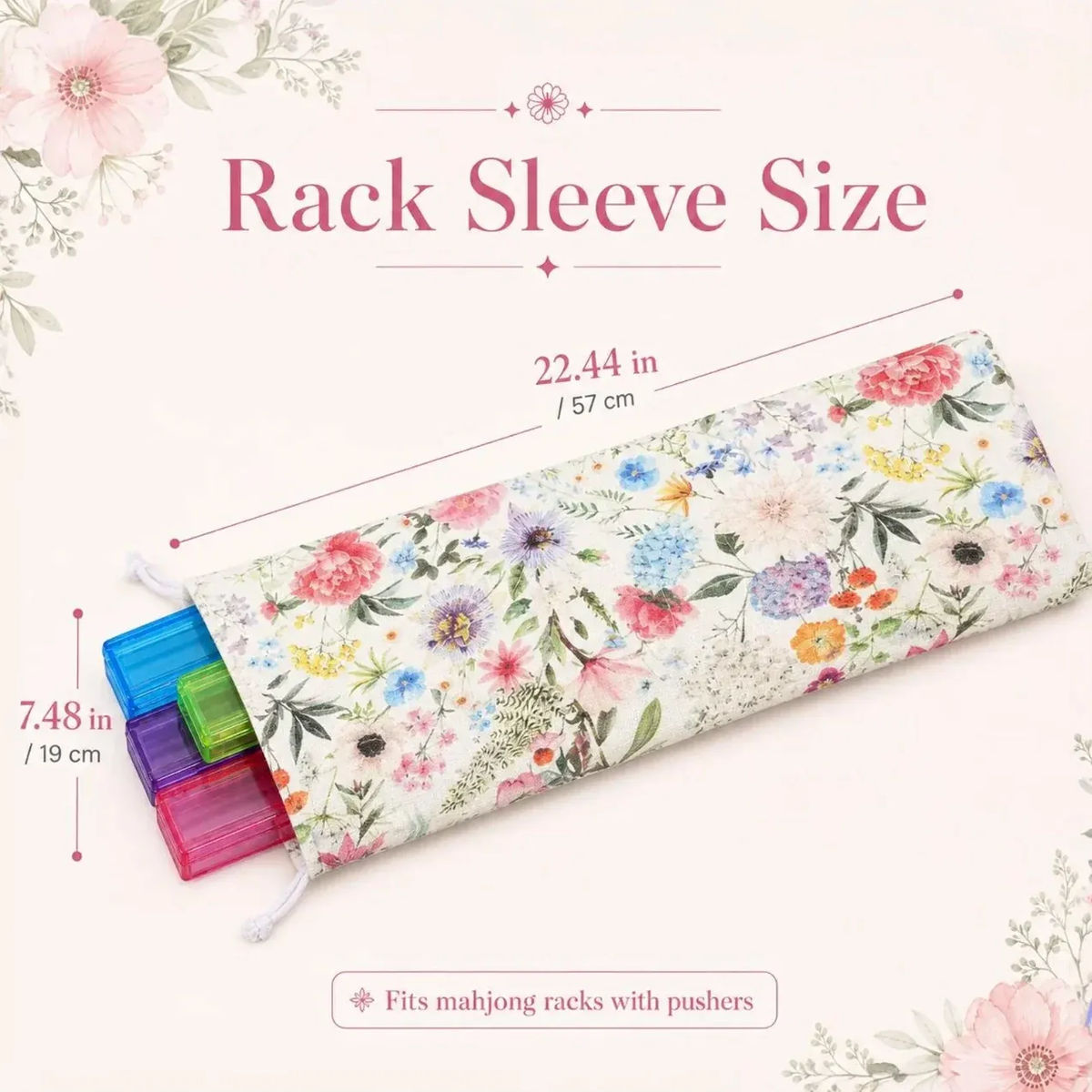
The golden rule: tiles never touch each other loose in the bag. Keep your acrylic tiles in their original box, a soft drawstring bag, or a segmented tile tray. Racks should nest inside each other if possible, or sit in a dedicated rack sleeve—they scratch easily and dig into tiles if left loose. Dice go in a small zippered pouch (prevents rolling everywhere if the bag tips). Include a small towel or chamois to wipe tiles before play; dust and lint cling to acrylic over time. Many of us use small ziplock bags as extra organizers—one for dice and pushers, one for scoring chips, one for jokers if keeping spares separate. A quality travel bag includes internal partitions or elastic pockets designed for this exact layout. Before each trip, do a quick inventory: set count, racks count, mat present, dice sealed. Forgotten items waste game time and force improvisation.
What features prevent your bag from getting ruined after six months?
Look for water-resistant (not waterproof) coatings—a treated canvas or ballistic nylon exterior sheds spills without trapping moisture inside. Full-length reinforced zippers matter far more than fancy hardware; a cheap zipper jams once under stress and the bag becomes unusable. Seam-sealed edges cost more but last years longer than glued-only seams. Check that all handles and straps are stitched through both exterior and interior fabric, not just stapled or glued. Interior pockets should have their own zippers—a mesh pocket for small dice or chips prevents them from migrating loose and scratching tiles. If the bottom of the bag touches the ground, it needs corner feet (plastic or rubber bumps) to keep moisture and dirt off. Avoid bags with exposed stitching on the inside; they snag delicate acrylic. After six months of regular use, inspect seams for fraying and zippers for stiffness. A little silicone spray on stubborn zippers restores smooth action without damaging fabric.
✨ Find your Mahstead set — free US shipping →
What price range gives you real quality without overspending?
The mid-range sweet spot—bags offering genuine protection, organized compartments, and durable zippers without luxury branding—performs as well as premium options for most weekly players. Entry-level soft bags often use thin zippers and weak seams; upgrading one tier usually doubles durability without dramatic price jumps. Hard cases begin higher but protect investments in beautiful engraved sets or premium tiles across years of use. At Mahstead, our travel bag collection spans practical carryalls and professional organizers—each tested in real games before we sell them. Don't chase the cheapest option; repair or replacement of a burst bag mid-season costs more than spending wisely upfront. A mid-tier bag carries your set safely to 100+ games without complaint. Ask about options matching your specific set size and mat dimensions; custom fit prevents frustration.
What to check before you buy
Measurement checklist:
Confirm interior depth accommodates your folded mat
Verify the main compartment fits your tile container (roughly 3"–6" height)
Check that racks, when nested, don't exceed the width
Measure zipper travel—it should open fully without snagging fabric
Confirm carry handle length fits your hand or shoulder comfortably
Material checklist:
Water-resistant exterior coating present
Interior seams sealed or double-stitched, not glued only
Zippers are heavy-duty (YKK or equivalent brand) with smooth teeth
Bottom has corner feet or reinforced padding
Pockets include zippers, not velcro or open slots
Before first use:
Test all zippers lightly loaded
Check for sharp edges inside that could snag tiles
Inspect seams for gaps or loose threads
Wipe exterior to verify water-resistance works
Place bag empty on a flat surface—it should sit level, not lean

FAQ
Can a standard mahjong bag fit both a set and a complete mat, racks, and dice?
Yes. Most mid-size travel bags are designed for exactly this. Verify interior dimensions match your mat when folded and your tile container height. Organize tiles in their box or a drawstring pouch, stack racks nested, and roll the mat separately in a pocket—it all fits comfortably.
How do you prevent acrylic tiles from cracking inside a bag?
Keep tiles in their original box or a soft padded drawstring bag, never loose. Never stack heavy items (like racks) directly on tiles. Use small zippered pouches for dice and pushers to prevent them rolling into the tile compartment. A padded interior and internal dividers reduce shifting during transit.
What's the difference between a mahjong bag and a regular soft-sided luggage?
A mahjong bag has organized compartments sized for tile trays, mats, and racks, plus interior padding to prevent sliding. Regular luggage has cavernous interiors where tiles can scatter and break. Dedicated mahjong bags also include flat mat pockets and strap anchors—designed for game gear, not clothes.
Do you need a rolling bag, or is a carryall better for weekly games?
Rolling bags shine if you host multiple sets or travel frequently; carryalls work best for weekly neighborhood play. Rolling adds weight and bulk; carryalls fit in car trunks and closets easily. Choose rolling only if you're hauling full setups regularly or have mobility concerns.
How long do quality mahjong bags actually last?
A well-made soft bag lasts 3–5 years of regular weekly use before seams may need stitching. Hard cases often last 10+ years. Durability depends on material quality, zip strength, and how the bag is stored between games. Keep it dry and out of direct sunlight to extend life.
Can a single bag hold two complete mahjong sets safely?
Rarely comfortably. Two sets roughly double the volume—you'd need a large professional organizer to avoid crushing tiles or straining zippers. If you frequently carry multiple sets, consider a rolling case or two separate carryalls rather than forcing everything into one bag.


View More
View More
View More
