
Mahjong and Friendship: Building Bonds Through Tile Play
Last updated: Nov 23, 2026
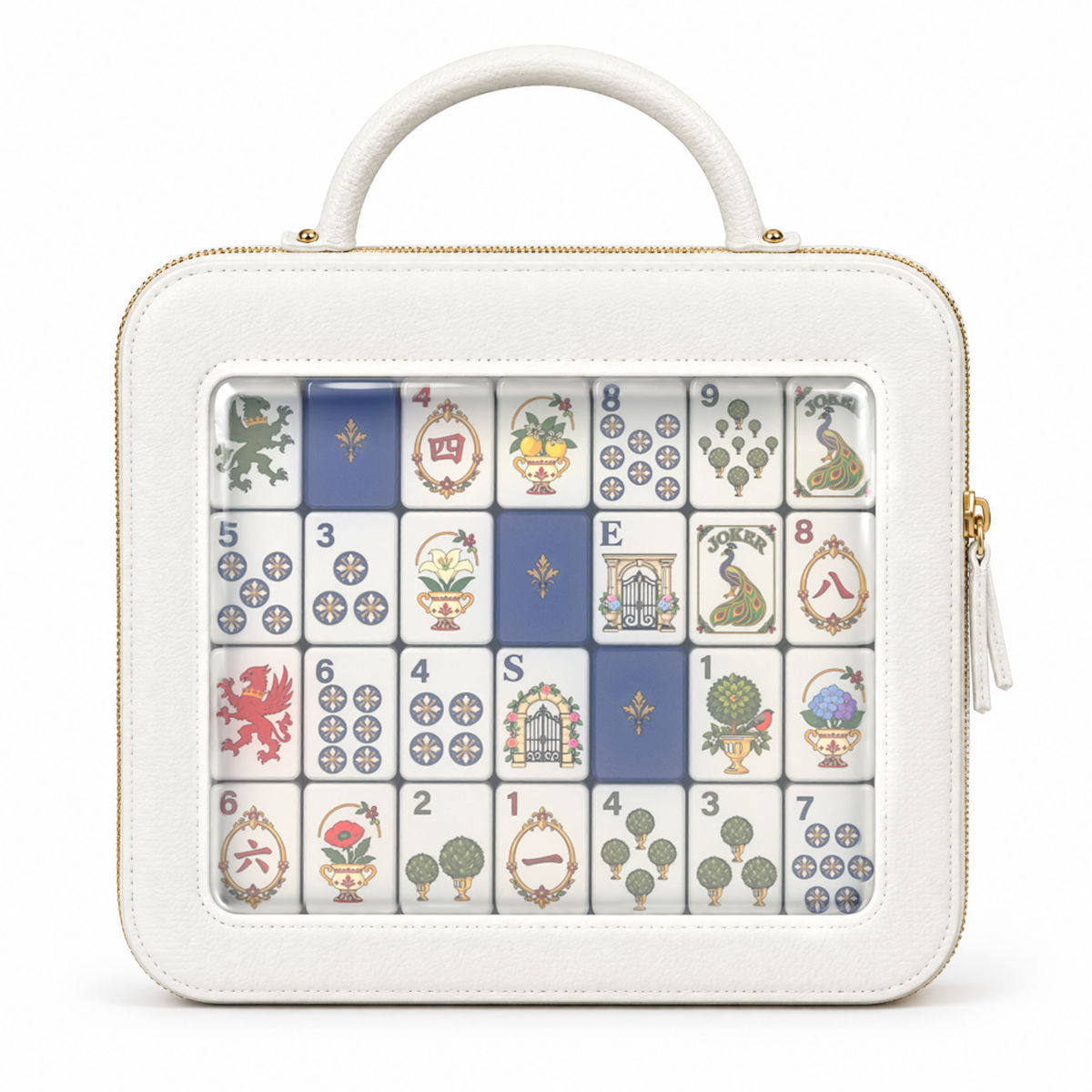
Mahjong and friendship are inseparable because the game demands four players sitting close for 1–3 hours, talking, laughing, and reading each other's moves. Unlike online games, mahjong requires a shared physical space, which forces genuine connection. You learn your friends' habits (who shuffles nervously, who grins before declaring), develop inside jokes around the tiles, and build rituals—the weekly game becomes something people protect on their calendar. Our best-selling mahjong sets are designed for groups who want to host consistently: sets include all 160 tiles, jokers, and enough durability that the same group can play the same hand ten times without tiles cracking. Starting a mahjong friendship circle costs less than coffee outings but creates memory that lasts years. The key is choosing a set that feels good in your hands and won't warp mid-game.
Mahjong friendships start with a simple choice: four people, one evening, tiles that click when you draw them. There's no algorithm deciding your table; you're all present, reading faces, noticing who's holding too many tiles on the left side (nervous tell), who's been quiet (strategy brewing). That texture—the physical ritual of shuffling, the unspoken agreement about house rules, the smell of the baize mat—creates a bond that a group chat alone cannot.
We've watched groups start as casual players in September and still be together in March, arguing good-naturedly about whether to pass or buy. The friendship isn't despite the game; it's through it.
Why Does Mahjong Deepen Friendships More Than Other Games?
Mahjong requires sustained attention and clear communication. Unlike board games where downtime kills conversation, mahjong has natural pauses—tile draws, the Charleston shuffle, each player's turn—that let you talk without breaking focus. You must announce your moves aloud, explain your discards, and name what you're holding when you go out. This transparency breeds trust. You can't hide; everyone sees your strategy unfolding. Over weeks, you begin to predict each other's discards and tease each other about patterns ("You always throw the Green Dragon on turn five"). That predictability is the skeleton of friendship.
🀄 Shop best-selling mahjong sets →

How Often Should a Mahjong Friendship Group Play?
Weekly play is the sweet spot for most groups because it's frequent enough to build ritual but rare enough that everyone looks forward to it. If you play monthly, momentum dies; if you play three times a week, burnout happens. A weekly Thursday or Sunday slot becomes something friends schedule around—"Can't reschedule; it's mahjong night"—which signals that the group matters.
One steady group we know plays every Saturday morning at 9 a.m., same host, same four people, for five years. They've never needed to replace a player; they've built a closed circle. Another plays rotating Fridays and has a waiting list because the group chemistry is that strong. The frequency isn't magical; the consistency is. Your brain knows: every Tuesday at 6 p.m., I am there, and so are they.
What Makes a Mahjong Set Suitable for a Friendship Group?
A set meant for regular group play needs durability, clear tile markings, and enough heft that tiles don't slip during shuffles. American mahjong sets sold today come as 160-tile collections (the 152 tiles used in play, plus spares). Acrylic sets—which our Dallas shop specializes in—survive five years of weekly play without fading or chipping, unlike bone-and-bamboo sets, which crack under humid storage or rough shuffles.
Tile size matters, too. Standard tiles (about 1.25 inches wide) fit most adult hands; smaller hands prefer compact tiles. If your group includes players over 60, confirm tile size before buying—small tiles cause hand fatigue. A good set also needs pushers and racks, which keep your hand organized and prevent accidental reveals. Racks with pushers are almost invisible to new players but become obvious after your first scramble—they prevent the chaos of tiles falling during a big shuffle.
How Do You Start a Mahjong Group With Non-Players?
Begin with one confident player (you) and a clear, short first session. Teach the basics of American mahjong on a practice hand before playing for real. Show them the current year's National Mah Jongg League card (the hand reference for American mahjong), but don't overwhelm them with all possible hands—pick three or four hands from the card and say, "We'll play these this week." Most people learn by doing, not by lecturing.
Set a timer for 20 minutes, play one full hand together, pause, and debrief: "I kept the 5 and 6 Dots together hoping for a run—but wait, American mahjong has no sequences, only sets of three, four, five, or six identical tiles." That honest reflection lets them own the mistake. By hand three, they'll begin reading the card themselves. By week three, they'll teach someone else.
The emotional reward comes faster than the mechanical skill. New players often say, "I don't understand the hand yet, but I love this game"—because they feel the social pull, not the tile logic, first.

What Role Do Mats and Accessories Play in Group Bonding?
A dedicated mat and organized racks signal that the group is serious, which paradoxically makes it fun. When you unfold a mahjong mat every week, you're creating a stage—a bounded space that says, "Here, we are present." Racks keep players' hands hidden until they decide to reveal, which adds drama to declarations. A good mat also protects your table and makes shuffles easier because tiles slide on baize instead of wood.
Many long-standing groups choose personalized or engraved sets with the group name or an inside joke on the tile case. This isn't vanity; it's marking your space. When you walk into a friend's house and see your set on the shelf, waiting, it's a daily reminder that you belong to something. One group we know calls themselves the "Tuesday Tiles" and had that engraved on their set case. Every time they pulled it out, someone would smile and say, "The Tuesday Tiles are back." Small thing, enormous feeling.
Accessory | Why It Strengthens Friendship | When to Buy |
Mahjong mat | Creates ritual space; signals commitment | Before your first regular game |
Racks with pushers | Prevents chaos; lets you focus on people, not tiles | After your first session (clarity matters) |
Personalized set or case | Marks group identity; makes the set yours | When the group has played 5+ times together |
Travel bag | Enables rotation between hosts; builds flexibility | When the group wants to play at different locations |
🎁 See our most-loved mahjong sets & accessories →
Can Long-Distance Friends Play Mahjong Together?
Not practically, and that's the point. Mahjong friendship requires proximity. You cannot play online without losing the tile-shuffle ritual, the reading of faces, the accidental touches and shared laughter over spilled water. Some groups have tried Zoom mahjong during pandemic lockdowns and reported it felt flat—just rule-checking, no warmth.
This constraint is actually a gift. In a world where friendships are often virtual, mahjong forces you to show up in person. Long-distance friends can learn mahjong when they visit, but the real bond forms when you play weekly. If you want to deepen a friendship with someone far away, mahjong isn't the tool. What mahjong does is strengthen the people already in your city, the ones you can gather with regularly. That's rarer and more valuable.
What to Check Before You Buy a Set for Your Group
Tile size: Standard (1.25") or compact? Have everyone hold a sample tile before ordering if possible.
Material: Acrylic lasts longest; bone-and-bamboo is beautiful but fragile. Our sets are acrylic and carry five years of weekly play.
Set completeness: Confirm you're getting 160 tiles (152 playing + spares) with jokers included.
Mat and rack compatibility: If you buy a mat, confirm the set's tile size fits the mat's tile slots. Not all mats accept all tile sizes.
Storage: A good set comes in a case sturdy enough for regular transport. Check that the case closes cleanly and protects corners.
House rules: Before buying, confirm your group agrees on which year's card you'll use (2026, for instance) and whether you'll allow any house variants. This prevents arguments later.
Learn how to choose the right set for your group →
✨ Find your Mahstead set — free US shipping →

FAQ
How many people do I need to start a mahjong group?
Exactly four players per game. If you want a group of six or eight, you'll need two tables and two sets. Some groups rotate; others split into two permanent games. All standard American mahjong rules require four players—not more, not fewer.
Can friendship groups play with house rules, or must we follow the official National Mah Jongg League card?
You can play with house rules, but American mahjong designed for consistency uses the current year's League card (updated every spring). House rules work for casual play but make it harder to teach new players. Most friendship groups stick to the card to keep learning simple and fair.
What's the difference between American mahjong and other versions if I want to play with friends?
American mahjong plays with 160 tiles, no sequences, and relies on the League card. Chinese mahjong uses 144 tiles, includes sequences (chows), and has different hand patterns. Hong Kong mahjong is faster. If your group hasn't chosen yet, American is the most beginner-friendly because the card removes guesswork—you can see what hands are legal. Stick with one version; switching between versions mid-group causes confusion.
Should I buy a personalized set for my group, or is a standard set enough?
A standard set is enough; personalization is optional. Personalized sets build identity and make a great gift after the group has played 10+ times together. Don't personalize too early—you might misspell a name or discover the group chemistry doesn't work. Wait until you're confident the group will last.
How do I politely tell a friend their shuffling technique is damaging the tiles?
Be direct and kind: "I noticed the tiles are getting scratched during the shuffle. Let me show you a softer way—it's actually faster." Most people don't realize they're pressing too hard. Offer to demo the shuffle yourself, then let them try. If they're open to it, the correction strengthens respect, not damage it. If they resist, let it go; the friendship matters more than perfect tile technique.
Can I use the same set for two different friendship groups, or should each group have its own set?
One set can rotate between groups if you want. Many players keep one set at home and host one group, then bring it to a friend's house for another group. Just make sure tiles are accounted for after each game—tiles go missing over time. A travel bag helps protect the set during rotation and keeps all jokers and pushers together.


View More
View More
View More
